

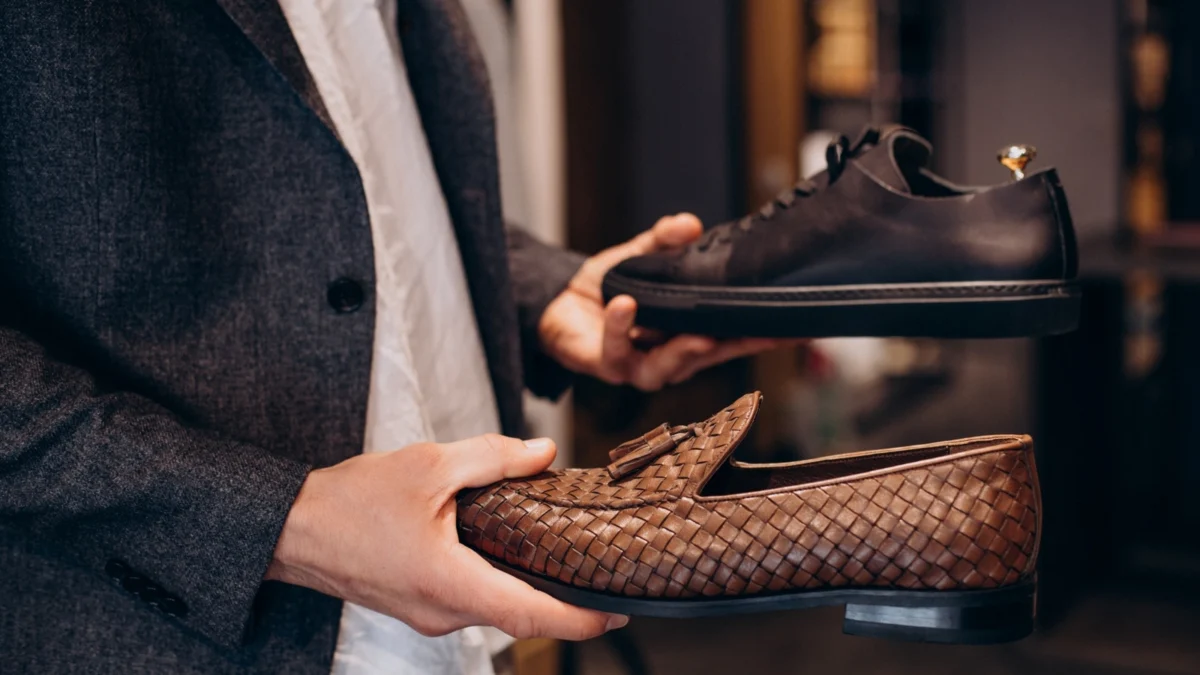
The seemingly innocuous choice of footwear can profoundly influence our physical well-being, extending far beyond aesthetic appeal. Leading orthopaedic and knee replacement surgeons are shedding light on how different shoe types impact the delicate biomechanics of our bodies, highlighting the crucial link between our shoes and the long-term health of our feet, ankles, and knees.
Introduction: The Foundation of Our Stance
In a society increasingly aware of holistic health, the often-overlooked aspect of footwear has emerged as a significant factor in musculoskeletal well-being. While fashion trends and fleeting comfort might dictate our daily shoe choices, medical professionals are issuing a stark reminder: the foundation upon which we stand and move has a tangible, and often detrimental, effect on our joints. A recent social media assessment by Dr. Kiran Shete, an orthopaedic surgeon and integrative medicine specialist, ignited a crucial conversation. His rating system, which lauded training shoes with a perfect 10/10 and relegated slip-ons and flimsy, inexpensive footwear to the lower echelons, underscored a critical truth: not all shoes are created equal when it comes to supporting the human body. This perspective has been further elaborated and validated by Dr. Rakesh Nair, a consultant knee replacement surgeon at Zen Multispeciality Hospital, Chembur, who provides expert insights into the implications of these varied footwear choices.
The Shete-Nair Footwear Scorecard: A Deeper Dive
Dr. Shete’s initial assessment, amplified by Dr. Nair’s clinical expertise, provides a practical framework for understanding the biomechanical merits of common shoe types. This isn’t merely about comfort; it’s about the silent stress or support our feet, and by extension our entire skeletal structure, receive with every step.
1. Running Shoes: A Solid 8/10 for Daily Endeavors
Dr. Shete’s generous 8/10 rating for running shoes is met with strong agreement from Dr. Nair. "Good cushioning and shock absorption are hallmarks of quality running shoes," explains Dr. Nair. "This makes them exceptionally comfortable for a range of activities, from everyday walking and jogging to simply navigating our daily routines." The inherent design of running shoes focuses on mitigating the impact forces that travel up the leg with each stride. This cushioning effect plays a vital role in reducing the cumulative pressure on the knees and feet, which can be a significant factor in preventing long-term joint pain and degeneration.
However, Dr. Nair cautions that this high score comes with a caveat. While excellent for linear impact absorption, running shoes may not always provide the necessary lateral stability for more dynamic activities. "For gym workouts that involve quick changes in direction, or sports requiring agility and side-to-side movements, some running shoes might lack the robust ankle and foot support needed to prevent sprains or other injuries," he elaborates. The emphasis on forward motion in running shoe design can sometimes translate to a compromise in stability for multidirectional stress.
2. Slip-On Shoes: A Risky Proposition at 3/10
The dismal 3/10 score for slip-on shoes is, according to Dr. Nair, entirely justified. "The fundamental issue with slip-ons lies in their inherent lack of secure foot grip and stability," he states. "The foot often moves around within the shoe as you walk, leading to a loss of efficient energy transfer and an increased risk of instability." This internal foot slippage is not just an inconvenience; it can translate into tangible risks.
During prolonged periods of walking or standing, the constant, uncontrolled movement within slip-on shoes can lead to an increased likelihood of imbalance. This, in turn, elevates the risk of ankle twists, sprains, and general foot strain. For individuals who spend significant time on their feet, particularly in professional settings or during extended leisure activities, slip-ons are far from an ideal choice. While their convenience for quick errands or casual outings is undeniable, their long-term suitability for regular wear is highly questionable from a biomechanical standpoint. The ease of slipping them on and off belies a potential for chronic discomfort and injury.
3. Training Shoes: The Pinnacle of Support at 10/10
The coveted perfect score of 10/10 for training shoes reflects a consensus among experts regarding their superior design for a specific set of activities. Unlike the pronounced cushioning of running shoes, training footwear is meticulously engineered for enhanced stability. This makes them the undisputed champions for activities such as strength training, gym workouts, and functional exercises where balance and a solid foundation are paramount.
"The design of training shoes is specifically geared towards improving overall stability and thereby lowering the risk of workout-related injuries," Dr. Nair explains. This is particularly crucial during exercises like squats, lunges, and weightlifting, where maintaining proper form and a stable base is essential for both efficacy and safety. The structured support provided by training shoes helps to anchor the foot, preventing excessive pronation or supination (inward or outward rolling of the foot) and ensuring that force is distributed effectively through the kinetic chain, from the foot all the way up to the spine. For individuals whose fitness routines involve these types of movements, investing in quality training shoes is not just a recommendation; it’s a proactive measure for joint preservation.
4. Minimalist Shoes: A Muted 6/10 for the Adventurous
Minimalist shoes, often lauded for promoting a more "natural" gait, receive a middling 6/10, reflecting their polarizing nature and the varied responses they elicit. These shoes aim to mimic barefoot walking by offering minimal cushioning and support, encouraging the foot’s intrinsic muscles to work harder and promoting greater flexibility.
Dr. Nair acknowledges the potential benefits for some individuals: "Certain people adapt exceptionally well to minimalist footwear, experiencing improved proprioception and stronger foot muscles." However, he highlights the significant risks for others. "Beginners, or individuals with pre-existing foot conditions such as flat feet or plantar fasciitis, may find that the reduced cushioning and inherent lack of support places undue stress on their feet and calf muscles," he warns. The transition to minimalist shoes often requires a gradual adaptation period, allowing the body to build the necessary strength and resilience. Without this careful acclimatization, the potential for increased strain and injury is substantial.
5. High-Cushion Shoes: Comfort vs. Support at 6/10
Footwear characterized by excessive cushioning, often marketed for supreme comfort, also garners a moderate 6/10 rating. While the initial sensation of sinking into a plush sole can be appealing, Dr. Nair points out a critical distinction: "While soft soles may feel comfortable on the surface, an overabundance of cushioning can sometimes compromise the stability needed for optimal joint function."
This compromise in stability can be particularly problematic during activities that require a firm and predictable base of support. Workouts, athletic pursuits, or even simply navigating uneven terrain can become more challenging when the foot is constantly sinking into a soft, yielding surface. Experts emphasize that the feeling of comfort is not an infallible indicator of adequate support. In some cases, excessive cushioning can mask underlying instability, potentially leading to micro-traumas that accumulate over time and contribute to joint issues. The key, as Dr. Nair suggests, is finding a balance between cushioning and a stable platform.
6. Cheap Flexible Shoes: A Warning Sign at 2/10
Receiving one of the lowest scores, cheap, flexible shoes are flagged as a significant concern. These often flimsy and poorly constructed shoes typically lack the fundamental elements of good footwear: proper arch support, effective shock absorption, and structural integrity.
"Over time, the absence of adequate support in these shoes can lead to detrimental effects on foot alignment," Dr. Nair explains. "This can place undue strain on the joints of the feet, ankles, and knees, potentially exacerbating existing conditions or contributing to the development of new ones." While a shoe that bends easily might initially feel light and comfortable, the long-term consequences of inadequate support are far more significant than any immediate perceived benefit. These shoes often fail to provide the necessary biomechanical assistance, forcing the body’s own structures to compensate in ways that can lead to pain and injury. The low cost of such footwear, experts argue, is a poor trade-off for the potential health consequences.
The Chronology of Footwear Evolution and Its Impact
The history of footwear is intrinsically linked to the evolution of human activity and societal needs. Early human footwear, likely simple coverings for protection, evolved into more sophisticated designs as people began to engage in more strenuous activities and live in varied environments. The advent of industrialization and mass production brought about a wider array of footwear options, often prioritizing aesthetics and cost-effectiveness over biomechanical considerations.
In the 20th century, the rise of athletic pursuits and specialized sports led to the development of highly engineered shoes like running and training sneakers. This era marked a growing understanding of how footwear could be designed to enhance performance and prevent injury. However, the proliferation of casual and fashion-oriented footwear, often lacking in structural support, has also created a generation of consumers who may be unknowingly compromising their joint health. The digital age has further amplified this, with online shopping offering an almost limitless selection, making it easier than ever to purchase ill-suited footwear without expert guidance.
Supporting Data: The Biomechanical Evidence
The anecdotal evidence and expert opinions from Dr. Shete and Dr. Nair are supported by a growing body of scientific research. Studies in biomechanics have consistently demonstrated the link between footwear and the forces exerted on the lower extremities. For instance, research published in journals like the Journal of Orthopaedic & Sports Physical Therapy has shown that shoes with inadequate cushioning and support can increase ground reaction forces, leading to greater stress on the ankles, knees, and hips during locomotion.
Furthermore, the concept of the "kinetic chain" is crucial here. The foot is the initial point of contact with the ground, and any biomechanical inefficiencies or instabilities at this level are transmitted upwards through the ankle, knee, and hip, potentially leading to compensatory movements and increased strain on other joints. A well-designed shoe acts as a crucial interface, absorbing shock, providing stability, and ensuring proper alignment, thereby optimizing the efficiency of this kinetic chain. Conversely, poorly designed shoes can disrupt this delicate balance, setting the stage for a cascade of musculoskeletal problems.
Official Responses and Expert Consensus
While there may not be a singular "official response" from a governing body on specific shoe ratings, the consensus among orthopaedic surgeons and podiatrists globally is clear: footwear plays a critical role in musculoskeletal health. Organizations like the American Podiatric Medical Association (APMA) provide guidelines and recommendations for choosing appropriate footwear for various activities, emphasizing the importance of support, cushioning, and proper fit.
The consistent message from medical professionals is that while comfort is a factor, it should not be the sole determinant of shoe choice. The long-term health of our joints depends on footwear that actively supports, rather than hinders, the natural biomechanics of our bodies. The ratings provided by Dr. Shete and elaborated by Dr. Nair serve as a valuable public health communication tool, translating complex biomechanical principles into easily understandable advice.
Implications for Public Health and Individual Choices
The implications of this expert analysis are far-reaching. For individuals, it underscores the need for a more conscious and informed approach to footwear selection. This isn’t about abandoning stylish shoes entirely, but rather about understanding when and why certain types of footwear are appropriate and when they pose a risk.
For everyday wear: Prioritizing shoes with good arch support and adequate cushioning can help prevent common ailments like plantar fasciitis and general foot fatigue.
For exercise: Matching footwear to the specific activity is paramount. Running shoes for running, training shoes for gym workouts, and appropriate footwear for any sport are essential for injury prevention.
For those with existing conditions: Individuals with pre-existing joint pain, arthritis, or foot deformities should consult with a podiatrist or orthopaedic specialist to determine the most beneficial footwear for their specific needs. Custom orthotics may also be recommended.
For children: The development of children’s feet is crucial, and supportive, well-fitting shoes are essential during their formative years.
The message from Dr. Shete and Dr. Nair is clear: the shoes we choose are not merely accessories; they are critical components of our body’s support system. By making informed choices, we can significantly contribute to the long-term health and well-being of our feet, ankles, and knees, ensuring a more comfortable and active life. The next time you reach for a pair of shoes, consider not just how they look, but how they will help you step forward into a healthier future.
DISCLAIMER: This article is based on information from the public domain and/or the experts we spoke to. Always consult your health practitioner before starting any routine or making significant changes to your footwear habits.
