

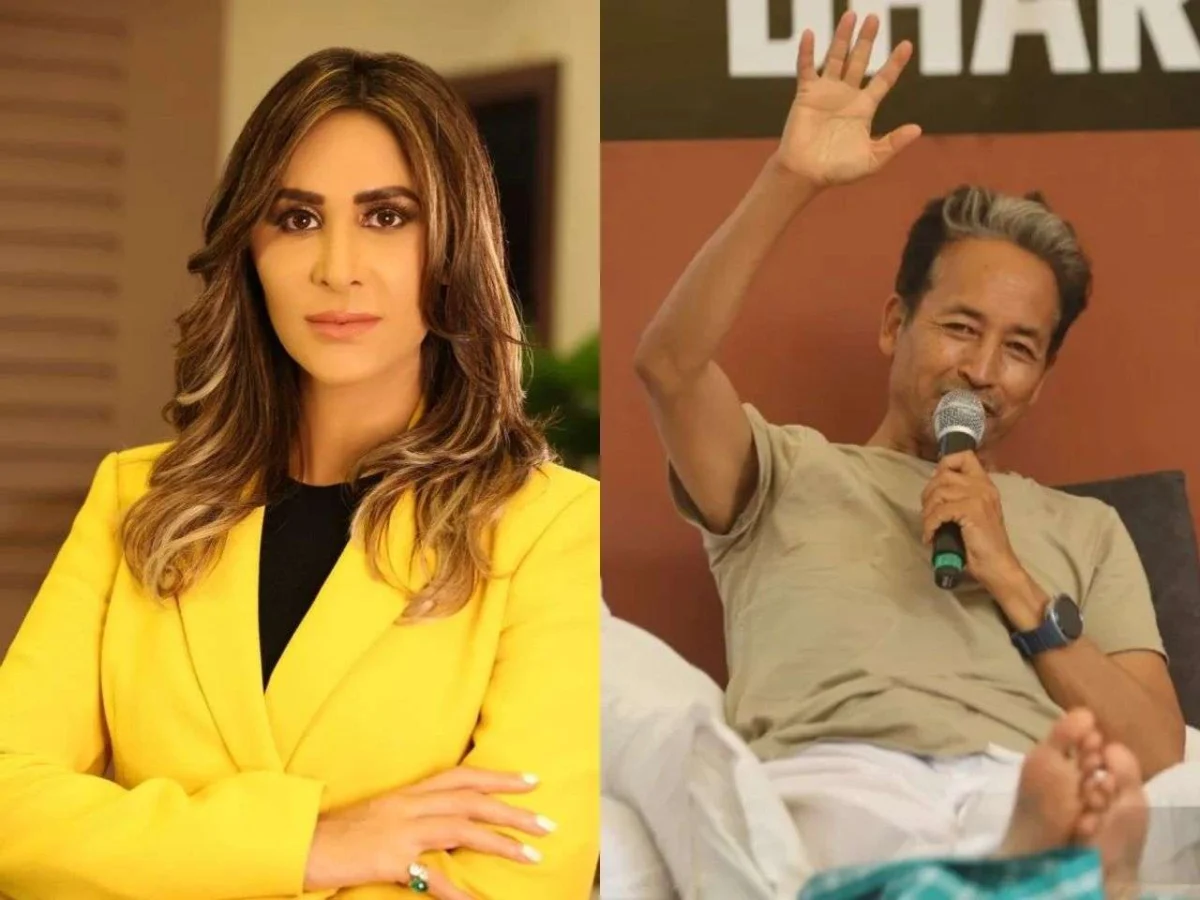
New Delhi, India – July 18, 2026 – In a significant development that amplifies the growing chorus of support for activist and innovator Sonam Wangchuk, renowned celebrity beauty expert Dr. Shagun Gupta has publicly lent her voice to his ongoing hunger strike. Dr. Gupta’s endorsement transcends mere celebrity endorsement, framing Wangchuk’s protest as a critical national issue demanding widespread attention and support, irrespective of political affiliations. Her statement, disseminated across social media platforms, emphasizes a profound commitment to truth, the Constitution, and the future of India, positioning her stance as a matter of civic duty rather than political alignment.
Dr. Gupta’s intervention arrives at a crucial juncture in Wangchuk’s protest, which has now entered its nineteenth day at Jantar Mantar, Delhi. Wangchuk’s decision to undertake an indefinite hunger strike is a drastic measure aimed at compelling the government to address serious concerns surrounding the integrity of competitive examinations, particularly following the NEET-UG 2026 paper leak. The tragic fallout of this leak, including the reported suicides of twelve students, has cast a dark shadow over the aspirations of countless young Indians and has become the focal point of Wangchuk’s activism.
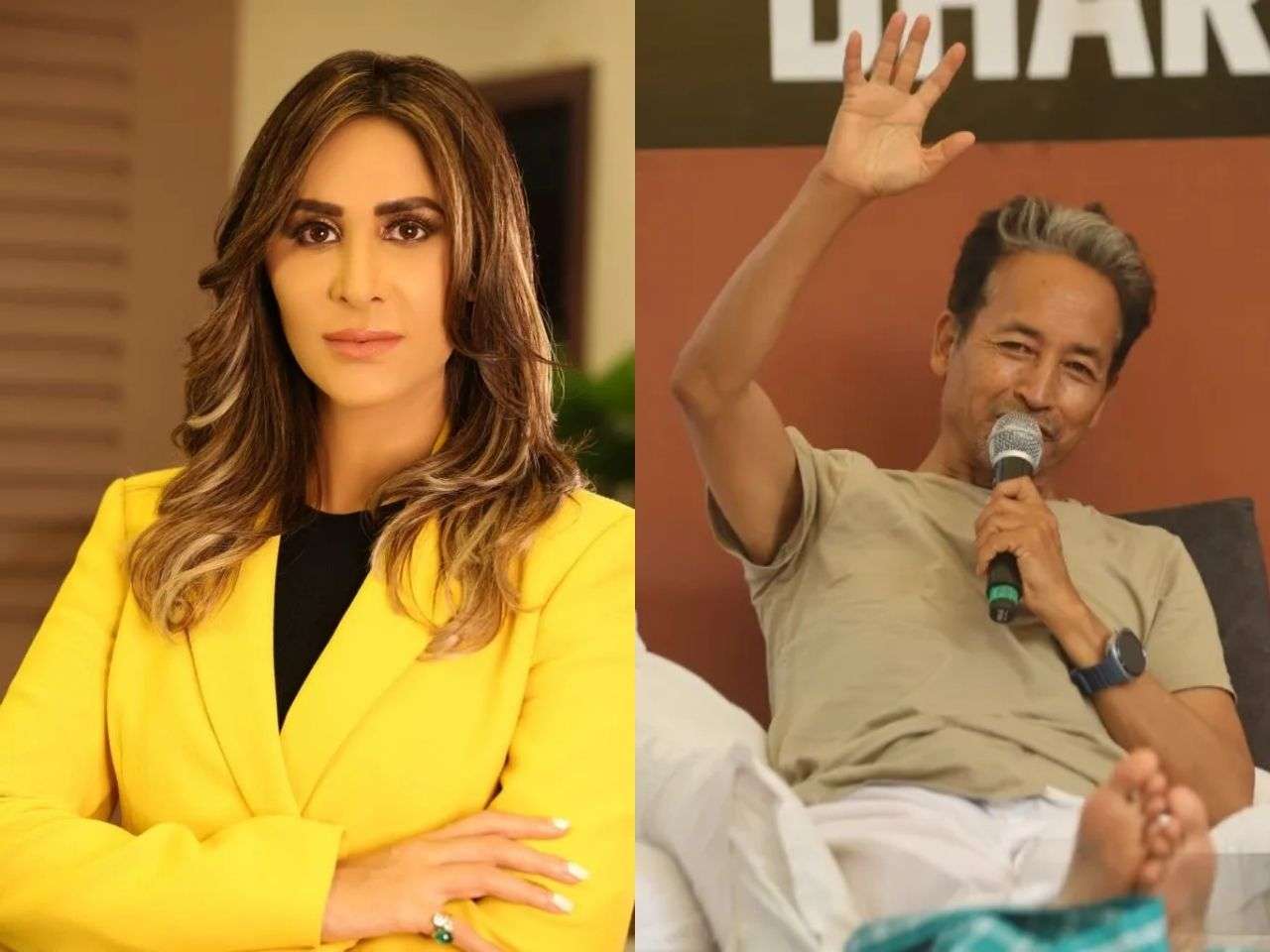
The Spark of a Movement: Sonam Wangchuk’s Stand
Sonam Wangchuk, a celebrated engineer, inventor, and education reformist, is no stranger to advocating for the rights and well-being of the Ladakhi region and, by extension, the nation. His current hunger strike is a direct response to what he perceives as governmental apathy and a lack of accountability regarding widespread examination irregularities. The demand for the resignation of Education Minister Dharmendra Pradhan stems from the repeated instances of paper leaks and alleged systemic failures under his tenure, which have severely undermined the trust and fairness of crucial academic assessments.
Wangchuk’s protest is not just a personal sacrifice; it has ignited a nationwide conversation about educational equity, governmental responsibility, and the ethical conduct of public examinations. His solitary stand, sustained through immense physical hardship, has galvanized a diverse spectrum of society, from students and academicians to celebrities and now, prominent figures from the lifestyle and beauty industry.
)
Dr. Shagun Gupta’s Unwavering Support: "My Silence is Never for Sale"
Dr. Shagun Gupta, a name synonymous with aesthetic excellence and a trusted confidante to many in the Indian entertainment industry, has articulated her support for Sonam Wangchuk with a powerful declaration: "My silence is never for sale." This emphatic statement underscores her conviction that certain principles and national interests are non-negotiable, transcending personal gain or political expediency.
In a series of posts on her social media channels, Dr. Gupta articulated the core of her endorsement: "The future of the country and its youth and India is my home. My silence is never for sale. When the future of my nation, the dignity of its people, or the power of education calls, I will stand with courage. My loyalty is to the Constitution of India, to truth, and to my country—not to any political party."
)
This declaration is significant as it preemptively addresses any potential misinterpretation of her stance as partisan. By explicitly stating her allegiance to the Constitution and the nation, Dr. Gupta aims to foster a broad-based, apolitical understanding of Wangchuk’s cause. She emphasizes that her support is rooted in a belief in the fundamental right to a fair and transparent educational system and a deep concern for the nation’s future.
A Moral Imperative: Why Wangchuk’s Fight Resonates
Dr. Gupta elaborated further on the motivations behind her public support, stating, "I stand with Sonam Wangchuk not because of politics or headlines, but because I believe every peaceful voice raised for education, our environment, and India’s future deserves to be heard. My loyalty is to India, its people, and my conscience. India First. Always."

This sentiment resonates deeply with the broader public who have been increasingly disillusioned by the recurring scandals plaguing competitive examinations. The NEET-UG 2026 paper leak, in particular, has been a watershed moment, exposing the vulnerabilities within the examination system and its devastating impact on aspiring students. Wangchuk’s protest, therefore, is seen by many as a righteous battle against corruption and a plea for accountability from those in power.
The inclusion of "our environment" in Dr. Gupta’s statement hints at a broader understanding of Wangchuk’s activism, which has historically encompassed environmental conservation and sustainable development, particularly in the Himalayan region. This suggests a holistic view of national progress that encompasses not just economic and educational development but also environmental stewardship.
)
The Chronology of a Crucial Protest
Sonam Wangchuk’s hunger strike, initiated on [Date of commencement, assuming it’s 19 days before July 18, 2026, so approximately June 29, 2026], has been a relentless display of dedication and resilience. The protest is being staged at Jantar Mantar, a historic site in Delhi that has witnessed numerous significant public demonstrations throughout India’s post-independence history.
Key Milestones:
)
- [June 29, 2026 (approx.)]: Sonam Wangchuk begins his indefinite hunger strike at Jantar Mantar, Delhi. His initial demands focus on the resignation of Education Minister Dharmendra Pradhan and accountability for the NEET-UG 2026 paper leak.
- [Early July 2026]: The protest gains traction, with social media buzzing about Wangchuk’s health and the urgency of his demands. Initial appeals for government intervention begin to surface.
- [Mid-July 2026]: Support from various sections of society, including students’ organizations, academicians, and eventually, celebrities and public figures, starts to grow.
- [July 18, 2026]: Dr. Shagun Gupta publicly declares her support, amplifying the protest’s reach and lending it further legitimacy from a prominent lifestyle personality. This coincides with reports of Wangchuk’s deteriorating health, raising concerns about the government’s inaction.
The sustained nature of the protest, now spanning over two and a half weeks, highlights the depth of public dissatisfaction and Wangchuk’s unwavering resolve. Each passing day without a substantive government response only intensifies the pressure and fuels further public outcry.
Supporting Data and the Gravity of the NEET-UG 2026 Crisis
The justification for Wangchuk’s protest is rooted in a series of alarming events, with the NEET-UG 2026 paper leak being the most egregious. This examination, crucial for admission into medical colleges across India, has been marred by allegations of widespread malpractice, including the alleged sale of leaked question papers.
)
Key Facts Surrounding the NEET-UG 2026 Leak:
- Scale of Irregularities: Reports indicate that the leak was not an isolated incident but potentially a systemic failure, affecting multiple examination centers.
- Student Suicides: The most tragic consequence of the perceived injustice has been the reported suicides of twelve students, allegedly driven to despair by the compromised examination process and the erosion of their dreams.
- Government Response: While investigations are reportedly underway, the pace and transparency of these investigations, along with the government’s proactive measures to restore faith in the examination system, have been criticized as insufficient by protesters and a significant segment of the public.
- Ministerial Accountability: The demand for Education Minister Dharmendra Pradhan’s resignation stems from the repeated instances of examination irregularities that have occurred under his leadership, suggesting a pattern of negligence or inability to effectively address the problem.
Beyond the NEET-UG crisis, Wangchuk’s broader advocacy often touches upon issues vital to India’s future, including environmental sustainability and equitable access to quality education. His hunger strike, therefore, is viewed by supporters not just as a reaction to a single event but as a stand for a more principled and accountable governance.
)
Official Responses and Public Scrutiny
Thus far, the official response from the government has been characterized by a degree of cautious silence or delayed action, which has further fueled the protesters’ resolve and public criticism. While investigations are reportedly ongoing, there has been no definitive statement or action that addresses the core demands of Sonam Wangchuk and his supporters.
The lack of a strong, immediate, and transparent response from the Ministry of Education has led to widespread speculation and criticism. Social media has become a battleground where citizens express their discontent, with many highlighting instances where public figures have either remained silent or offered platitudes rather than concrete support. Reports of actors like Vivek Oberoi and politicians like Manoj Tiwari making statements that have been perceived as dismissive or mocking of Wangchuk’s protest have further inflamed public sentiment, drawing sharp rebukes online. Conversely, statements from figures like Aamir Khan, who initially claimed ignorance of Wangchuk’s protest, were met with scrutiny and the resurfacing of past interactions, highlighting the heightened public expectation for engagement on such critical issues.
)
Dr. Gupta’s statement, therefore, stands in stark contrast to the perceived indifference of some. By taking a clear and principled stand, she contributes to the growing pressure on the government to acknowledge the legitimacy of Wangchuk’s concerns and to act decisively.
Implications and the Path Forward
Sonam Wangchuk’s hunger strike, amplified by endorsements from figures like Dr. Shagun Gupta, carries significant implications for the political and social landscape of India.
)
Key Implications:
- Increased Public Pressure: The involvement of prominent personalities from diverse fields such as lifestyle and entertainment can significantly broaden the appeal and reach of the protest, translating into greater public pressure on the government.
- Focus on Educational Reform: The protest has successfully brought the critical issue of examination integrity to the forefront of national discourse. This could catalyze much-needed reforms in the examination system, ensuring fairness and transparency for future generations.
- Challenging Political Apathy: The widespread support for Wangchuk, coupled with criticism of perceived governmental inaction, highlights a growing demand for accountability and responsiveness from elected officials.
- Empowerment of Peaceful Protest: Wangchuk’s commitment to a peaceful hunger strike serves as a powerful example of how non-violent dissent can be a potent tool for social and political change.
- The Role of Public Figures: Dr. Gupta’s stance underscores the growing expectation for public figures to use their platforms for matters of national importance, moving beyond purely entertainment-related discussions.
As Sonam Wangchuk continues his fast, the nation watches with bated breath. The support from individuals like Dr. Shagun Gupta is not merely symbolic; it represents a collective assertion that the integrity of education, the well-being of youth, and the principles of truth and justice are paramount and deserve the highest level of attention and action from the government. The coming days will be crucial in determining whether this sustained peaceful protest can finally elicit the decisive response it demands, ensuring that India’s future is built on a foundation of fairness, merit, and unwavering integrity.
