

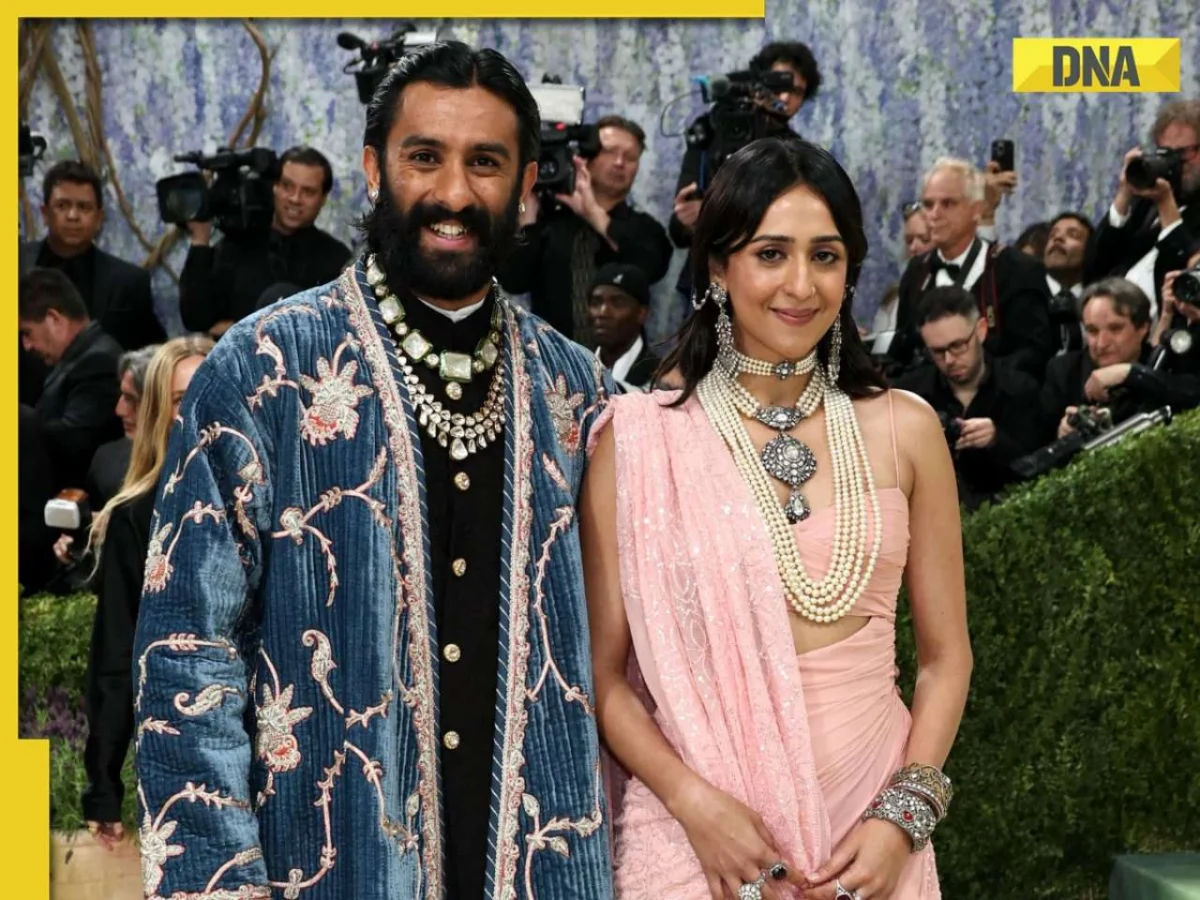
New York, NY – May 5, 2026 – The hallowed halls of the Metropolitan Museum of Art once again played host to the world’s most influential figures in fashion, art, and entertainment at the highly anticipated Met Gala 2026. Amidst the dazzling array of avant-garde creations and celebrity spectacle, a distinguished presence emerged, carrying the weight of centuries of royal legacy and the vibrant artistry of India. Maharaja Sawai Padmanabh Singh of Jaipur, affectionately known as ‘Pacho,’ graced the prestigious event, not merely as a guest, but as a living embodiment of India’s rich cultural heritage, beautifully translated into a breathtaking couture ensemble designed by the acclaimed Prabal Gurung.
This year’s Met Gala theme, which focused on the intricate interplay between tradition and innovation in global fashion, found its perfect sartorial representation in the Maharaja’s attire. His appearance marked a significant moment, showcasing the enduring relevance and profound beauty of Indian craftsmanship on the world’s most prominent fashion stage. The ‘Phulghar coat,’ a masterpiece of intricate detail and symbolic resonance, served as a powerful testament to the seamless fusion of heritage and contemporary style, captivating both the discerning eyes of fashion critics and the global audience alike.
The Jaipur Royal: A Legacy of Leadership and Style
Maharaja Sawai Padmanabh Singh is no stranger to the spotlight, though his presence at the Met Gala transcends mere celebrity. As the ceremonial head of Jaipur’s former royal family, he represents the continuation of the illustrious Kachwaha dynasty, a lineage that has profoundly shaped the history and identity of the ‘Pink City.’ His ascension to the titular Maharaja at the tender age of 12 in 2011, following the passing of his grandfather, marked the beginning of his custodianship of this venerable legacy.
Beyond his royal duties, Maharaja Sawai Padmanabh Singh has carved a distinctive niche for himself as a dynamic and accomplished polo player. His prowess on the field has seen him represent India on international platforms, contributing significantly to the sport’s revival and promotion in contemporary India. This dedication to athleticism and national pride underscores a multifaceted personality, one that embraces both tradition and the demands of the modern world.
)
Furthermore, the Maharaja has demonstrated a deep-seated commitment to social progress. His involvement in supporting education and championing women’s empowerment initiatives highlights a philanthropic spirit that extends beyond the confines of his royal heritage. Notably, he has actively contributed to scholarships and digital learning programs designed to uplift underprivileged girls, demonstrating a progressive vision for societal development. This confluence of royal lineage, athletic excellence, and social consciousness has cemented his reputation as a global style icon, adept at weaving traditional Indian aesthetics with the cutting edge of contemporary fashion at international gatherings.
A Tapestry of Tradition: The Prabal Gurung Masterpiece
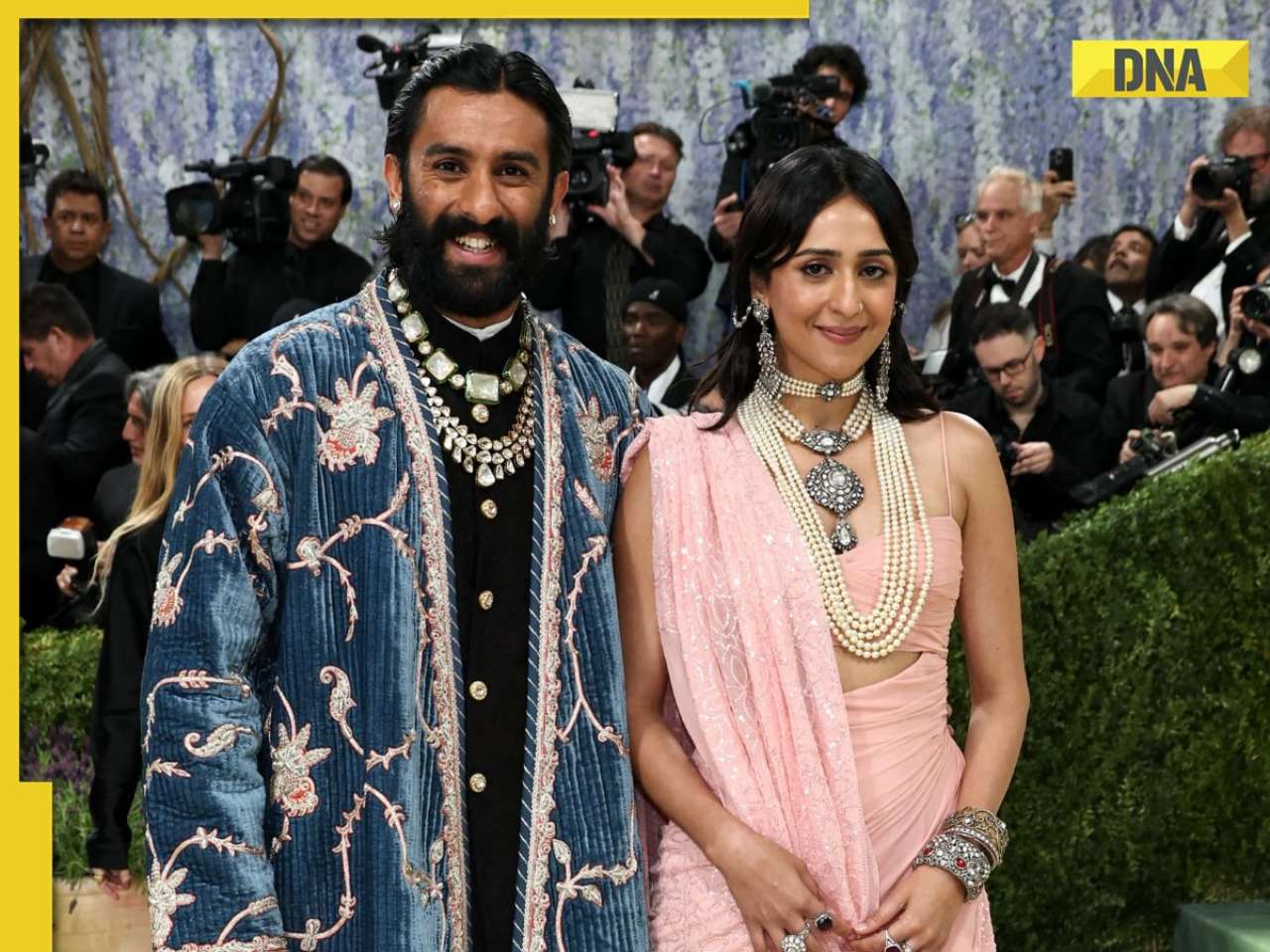
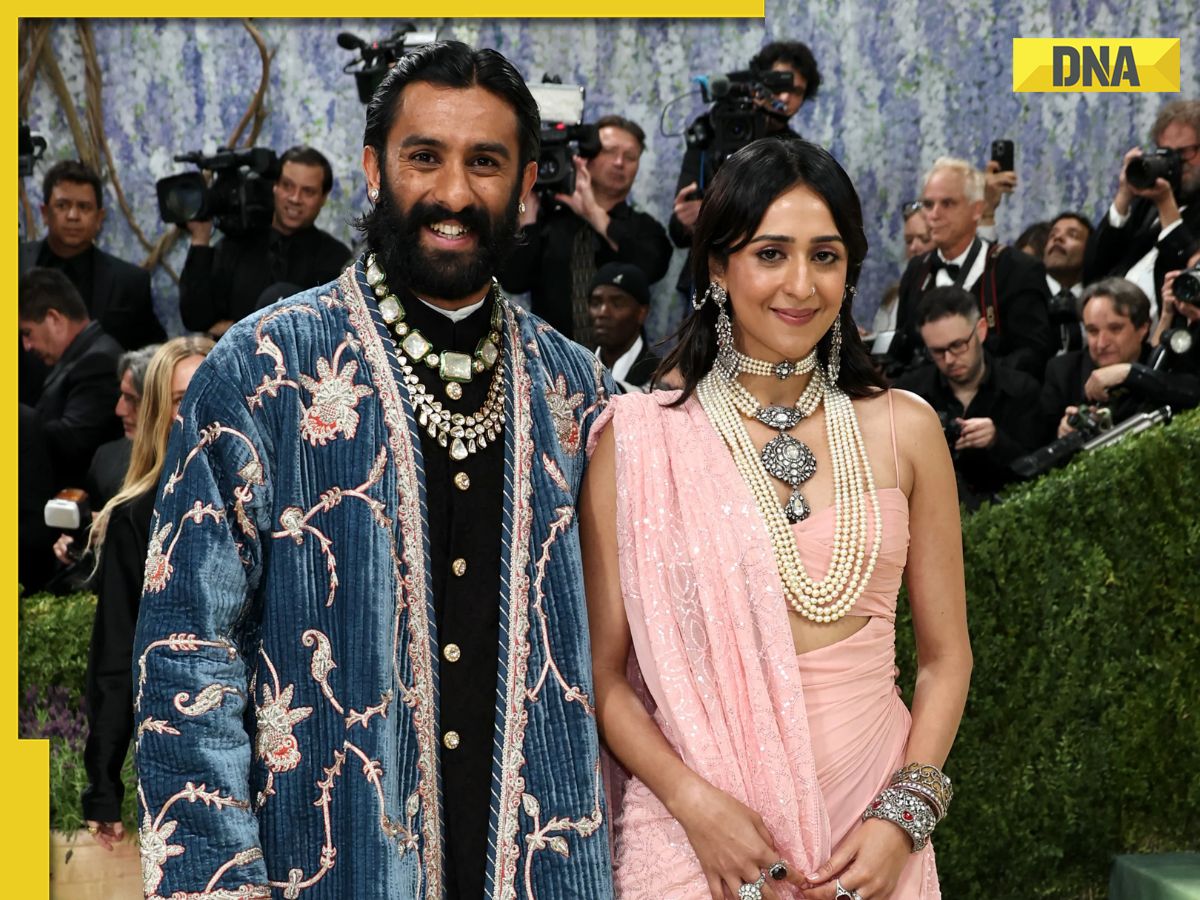
The centerpiece of Maharaja Sawai Padmanabh Singh’s Met Gala appearance was the exquisite ‘Phulghar coat,’ a collaborative triumph between the Jaipur royal and the internationally renowned designer Prabal Gurung. This bespoke creation was not merely an outfit; it was a narrative woven in fabric, a profound exploration of Indian craftsmanship, and a poignant tribute to the Maharaja’s ancestral roots.

The coat, reportedly a labor of love requiring approximately 600 hours of meticulous work, is a symphony of luxurious midnight blue velvet and fine cotton. Its surface is adorned with an intricate tapestry of aari and zardozi embroidery, complemented by the delicate artistry of resham and dabka work. These traditional Indian embellishment techniques, passed down through generations of artisans, were executed with unparalleled precision, breathing life into the fabric with their rich textures and shimmering threads.
The most striking element of the ‘Phulghar coat’ was the prominent mirror sun motif, an emblem deeply resonant with the Maharaja’s heritage. This design, inspired by the Sri Niwas within the Jaipur City Palace, served as a powerful visual connection to his Suryavanshi (Sun Dynasty) ancestral line. The sun, a universal symbol of power, life, and divinity, was rendered with such intricate detail that it seemed to emanate a celestial glow, reflecting not only the light of the event but also the enduring radiance of his lineage.
)
To complement the regal opulence of the coat, Maharaja Sawai Padmanabh Singh opted for impeccably tailored black trousers. These were not ordinary trousers; they were subtly infused with design elements inspired by Jaipur’s architectural nuances, hinting at the city’s unique aesthetic. The ensemble was further elevated by the judicious selection of traditional jadau and polki jewelry, drawing inspiration from the famed Johri Bazaar of Jaipur. These exquisite pieces, with their intricate settings and luminous gemstones, added a layer of authentic royal splendor, completing a look that was both historically informed and undeniably contemporary.
The presence of his younger sister, who wore a stunning chiffon saree from her grandmother Maharani Gayatri Devi’s collection, elegantly reworked into a gown by Prabal Gurung, further amplified the theme of familial legacy and sartorial continuity. This shared moment underscored the deep connection the Jaipur royal family has to their heritage and their ability to reinterpret it for modern audiences.
)
The Chronology of a Royal Entrance
The journey of Maharaja Sawai Padmanabh Singh to the Met Gala 2026 stage is a testament to the evolving landscape of global fashion and the increasing recognition of cultural narratives within it.
Early Life and Succession: Born into the esteemed Kachwaha dynasty, Sawai Padmanabh Singh was immersed in the traditions and responsibilities of royalty from a young age. His grandfather, Maharaja Bhim Singh, played a pivotal role in his upbringing, instilling in him a deep appreciation for Jaipur’s history and cultural significance. The untimely passing of his grandfather in 2011 led to Padmanabh Singh’s formal recognition as the titular Maharaja, a role he embraced with grace and determination.
)
Developing a Global Persona: As he matured, Maharaja Sawai Padmanabh Singh began to actively engage with the public sphere. His passion for polo saw him travel extensively, representing India and honing his skills on international circuits. These experiences exposed him to diverse cultures and fashion trends, while simultaneously fostering a desire to showcase his own heritage on a global stage. He became a regular fixture at high-profile events, often seen blending traditional Indian elements with contemporary silhouettes, attracting the attention of fashion enthusiasts and media alike.
The Prabal Gurung Collaboration: The Met Gala, with its annual focus on pushing the boundaries of fashion and celebrating thematic diversity, presented the perfect platform for Maharaja Sawai Padmanabh Singh to make a significant statement. Discussions and design conceptualization with Prabal Gurung, a designer known for his ability to infuse his work with personal narratives and cultural influences, likely began well in advance of the event. The shared vision was to create an ensemble that was not only visually stunning but also deeply meaningful, a dialogue between the past and the present.
)
The Met Gala 2026 Debut: On May 5, 2026, Maharaja Sawai Padmanabh Singh stepped onto the Met Gala red carpet, a moment that was anticipated by those familiar with his style and his royal stature. The reveal of the ‘Phulghar coat’ was met with widespread admiration. The intricate craftsmanship, the symbolic resonance of the design, and the impeccable styling created a powerful visual impact. His appearance generated significant buzz, with fashion critics and cultural commentators alike lauding the ensemble as a masterful representation of Indian heritage in a global context.
Supporting Data and Cultural Significance
The success of Maharaja Sawai Padmanabh Singh’s Met Gala appearance can be attributed to several key factors that highlight the enduring appeal of Indian craftsmanship and the growing global appreciation for cultural authenticity.
)
- The Revival of Traditional Crafts: The Met Gala 2026 theme, emphasizing the blend of tradition and innovation, provided a fertile ground for showcasing the revival and reinterpretation of traditional crafts. The intricate aari, zardozi, resham, and dabka work on the ‘Phulghar coat’ are centuries-old techniques that require immense skill and dedication. The fact that these artisanal practices are being brought to the forefront on such a global stage demonstrates a renewed interest in preserving and celebrating these valuable cultural assets.
- The Power of Symbolic Design: The mirror sun motif is a prime example of how design can carry profound cultural and historical meaning. In Indian iconography, the sun often symbolizes divine power, enlightenment, and royalty. For the Suryavanshi lineage, it is a direct link to their ancestral identity. The strategic placement and exquisite execution of this symbol elevated the coat from mere attire to a powerful statement of heritage and pride.
- The Influence of Royal Patronage: The historical association of Indian royalty with the patronage of arts and crafts has been instrumental in their survival and evolution. Maharaja Sawai Padmanabh Singh, by actively engaging with and promoting these traditions through his personal style, serves as a contemporary patron. His Met Gala appearance acts as a powerful endorsement, potentially inspiring a new generation of designers and patrons to explore and support Indian textile heritage.
- The Global Appeal of Indian Aesthetics: Indian fashion, with its rich color palettes, intricate embellishments, and diverse silhouettes, has always held a unique appeal on the international stage. Designers like Sabyasachi Mukherjee and Anamika Khanna have already paved the way for Indian couture to be recognized globally. Prabal Gurung’s collaboration with the Maharaja further solidifies this trend, demonstrating that Indian aesthetics can be seamlessly integrated into contemporary high fashion.
- Social Media Amplification: The Met Gala is a highly visual event, and the impact of social media in amplifying its reach is undeniable. Images and videos of Maharaja Sawai Padmanabh Singh’s ensemble quickly went viral, garnering millions of likes, shares, and comments. This widespread digital dissemination ensured that the story of Jaipur’s royal heritage and the beauty of Indian craftsmanship reached an unprecedented global audience, far beyond the attendees and traditional media coverage.
Official Responses and Industry Reactions
The Met Gala is an event that elicits a spectrum of reactions from the fashion industry, cultural commentators, and the general public. Maharaja Sawai Padmanabh Singh’s appearance garnered widespread acclaim and positive commentary.
From Prabal Gurung: The designer himself expressed immense pride in the collaboration. In a statement released shortly after the event, Gurung highlighted the collaborative spirit and the shared vision. He stated, "Working with Maharaja Sawai Padmanabh Singh was an extraordinary experience. He embodies a contemporary understanding of heritage, and together, we aimed to create something that spoke volumes about India’s artistic legacy. The ‘Phulghar coat’ is a celebration of the incredible skill of Indian artisans and the timeless beauty of their craft. It was an honor to translate his royal lineage and the spirit of Jaipur into this couture piece for the Met Gala."
)
From Fashion Critics: Leading fashion publications and critics lauded the Maharaja’s choice. Vogue, in its Met Gala review, described his look as "a masterclass in heritage-infused glamour," praising the "exquisite craftsmanship and profound cultural significance." Harper’s Bazaar commended the "bold yet elegant statement," emphasizing how the ensemble successfully bridged the gap between tradition and modern sartorial expression. The narrative of his attire, weaving together his royal lineage, polo prowess, and commitment to social causes, was seen as a compelling story that resonated with the Met Gala’s ethos.
From Cultural Commentators: Beyond the fashion realm, cultural commentators and historians recognized the significance of the Maharaja’s presence. Experts on Indian heritage and textiles highlighted the importance of such high-profile appearances in raising global awareness and appreciation for India’s rich artistic traditions. The event served as a powerful reminder of the living legacy of Indian royalty and their continued role in cultural diplomacy.
)
From the Public: Social media platforms buzzed with admiration for Maharaja Sawai Padmanabh Singh. Users praised his elegant demeanor, the stunning craftsmanship of his attire, and the pride he displayed in his Indian heritage. Many expressed a newfound appreciation for Indian textiles and the stories they hold, inspired by his Met Gala moment.
Implications and the Future of Heritage in Fashion
Maharaja Sawai Padmanabh Singh’s Met Gala 2026 appearance carries significant implications for the future of heritage in fashion and the global recognition of Indian artistry.
- Elevating Indian Couture on the Global Stage: This event has undoubtedly placed Indian couture, with its unparalleled craftsmanship and rich cultural narratives, firmly on the global fashion map. It validates the efforts of Indian designers and artisans who have been tirelessly working to preserve and innovate within traditional techniques. The success of this collaboration could pave the way for more Indian royals and cultural icons to participate in international fashion events, further showcasing the depth and breadth of India’s artistic heritage.
- Inspiring a New Generation of Patrons: The Maharaja’s role as a modern-day patron of the arts is crucial. By wearing and actively promoting traditional craftsmanship, he inspires younger generations, both within India and internationally, to appreciate and invest in these heritage crafts. This can lead to a resurgence of interest in artisanal skills, ensuring their survival and continued development in the face of modernization.
- The Power of Storytelling in Fashion: The Met Gala is not just about aesthetics; it is about the stories that clothes tell. Maharaja Sawai Padmanabh Singh’s ensemble was a powerful narrative of his lineage, his athletic pursuits, and his commitment to social causes. This underscores the growing importance of storytelling and authenticity in fashion, as consumers increasingly seek garments that have meaning and connection beyond mere trendiness.
- Cultural Diplomacy Through Fashion: Fashion has emerged as a potent tool for cultural diplomacy. The Maharaja’s appearance served as a graceful and impactful representation of India’s rich cultural heritage on a global stage. It fostered understanding and appreciation for Indian traditions, contributing to a positive perception of the nation’s artistic prowess and cultural richness.
- The Interplay of Tradition and Modernity: The Met Gala appearance of Maharaja Sawai Padmanabh Singh is a prime example of how tradition and modernity can not only coexist but thrive in synergy. His ability to embrace his royal heritage while engaging with contemporary fashion trends demonstrates a forward-thinking approach that is essential for the preservation and evolution of cultural legacies in the 21st century. This successful fusion sets a precedent for how heritage can be reimagined and celebrated in dynamic and engaging ways, ensuring its relevance for generations to come.
