


New Delhi, June 15, 2026 – In an era where dietary choices are increasingly scrutinized for their health and environmental impact, the question of how to optimally consume plant-based proteins has gained significant traction, particularly on social media platforms. While the conversation often buzzes with intricate combinations and specific food pairings, experts are now clarifying that achieving a complete protein profile from plant sources is less about rigid rules and more about mindful diversification.
The fundamental query revolves around whether combining different plant proteins is a necessity to meet the body’s daily requirements for this essential macronutrient. The consensus from leading nutritionists suggests that while not a mandatory practice at every single meal, a strategic approach to plant protein consumption is indeed beneficial for ensuring the body receives a full spectrum of amino acids.
The Essential Amino Acid Equation: Understanding Plant Protein Completeness
Proteins are the building blocks of life, crucial for everything from muscle repair and immune function to hormone production and overall cellular health. They are composed of amino acids, nine of which are classified as "essential" because the human body cannot produce them and must obtain them through diet.
Dt Amreen Sheikh, Chief Dietitian at KIMS Hospitals, Thane, explains the nuance: "Most plant-based protein sources provide all nine essential amino acids. However, some might be present in lower quantities in certain plant foods. This is precisely why thoughtfully combining different plant proteins can significantly enhance the body’s ability to acquire the complete range of amino acids it requires for optimal functioning."
This concept of "complementary proteins" – combining foods that, when eaten together, provide all essential amino acids – has been a cornerstone of vegetarian and vegan nutrition for decades. While individual plant foods might be "limiting" in one or two amino acids, pairing them with other plant sources can create a nutritional powerhouse. For instance, grains are often lower in lysine, while legumes are lower in methionine. Combining them, as seen in classic dishes like dal and rice, effectively bridges this gap.
Beyond the Plate: Daily Diversity is Key
A critical clarification offered by Dt Sheikh is that the emphasis should not be on combining proteins at every single meal. "The human body is remarkably adept at utilizing amino acids," she states. "If your diet incorporates a diverse array of plant foods throughout the day, your body can efficiently draw upon the amino acids from these different sources, even if they aren’t consumed in the same sitting."
This perspective shifts the focus from micro-level meal planning to a macro-level dietary pattern. A varied diet rich in legumes, whole grains, nuts, seeds, and soy-based products ensures a consistent and comprehensive intake of essential amino acids over the course of a 24-hour period. This approach alleviates the pressure of rigid meal-time combinations and promotes a more sustainable and enjoyable way of eating.
Time-Tested Combinations: Traditional Indian Cuisine as a Protein Paradigm
The wisdom of ancient culinary traditions, particularly within Indian cuisine, often embodies the principle of complementary protein combinations. Many staple dishes are naturally designed to provide a complete amino acid profile, demonstrating the inherent nutritional intelligence of these food pairings.
"Traditional Indian meals are a fantastic testament to the power of plant protein synergy," notes Dt Sheikh. "Consider the classic combination of ‘dal chawal’ (lentils with rice). Lentils are rich in lysine but lower in methionine, while rice is a good source of methionine but lower in lysine. Together, they form a complete protein."
Other exemplary combinations include:
- Khichdi: A comforting and nutritious dish often made with rice and lentils or other pulses, offering a well-rounded protein profile.
- Hummus with Whole Wheat Pita: Chickpeas (hummus) are legumes, and whole wheat is a grain, creating a synergistic protein blend.
- Rajma with Rice: Kidney beans (rajma) are a legume powerhouse, complemented by the amino acid profile of rice.
- Roti with Chana or Other Legumes: Whole wheat rotis, when paired with dishes made from chickpeas, black-eyed peas, or other pulses, provide a complete protein source.
Beyond these iconic pairings, Dt Sheikh highlights the broader strategy: "Mixing cereals, pulses, nuts, seeds, and soy-based foods throughout the day is an effective way to enhance the overall protein quality of your meals. These food groups offer diverse amino acid profiles that, when consumed together over time, ensure you meet your protein needs."
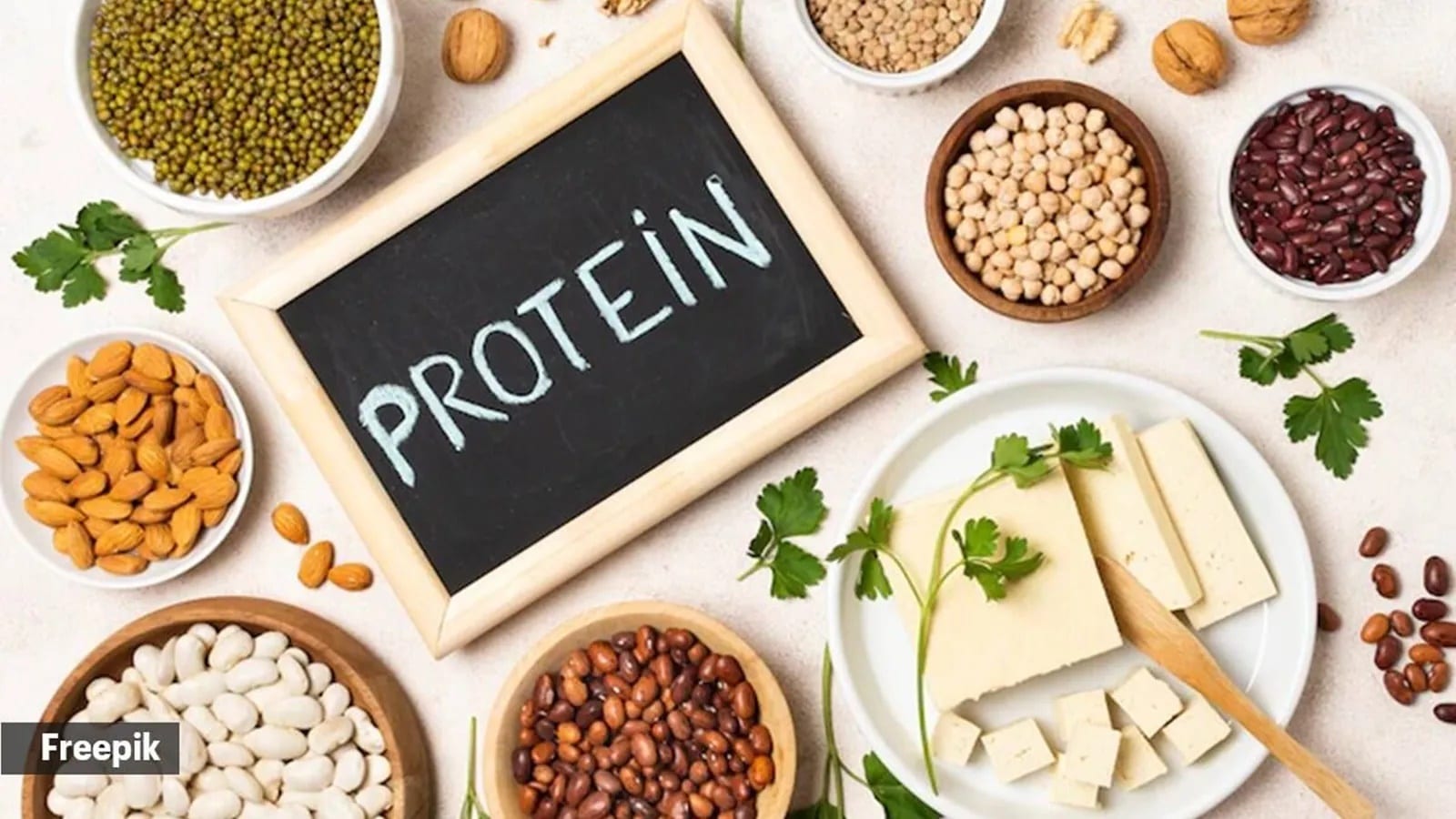
Soy products, in particular, deserve a special mention. Foods like tofu, soy milk, and edamame are lauded for their high-quality protein content, boasting a balanced amino acid profile that closely mirrors that of animal proteins. Their versatility in cooking makes them an invaluable addition to any plant-based diet.
The Broader Applicability: Beyond Vegetarians and Vegans
While the concept of protein combining is most directly relevant to individuals who rely heavily or exclusively on plant-based diets, its underlying principles offer broader nutritional insights.
"It’s most crucial for those following entirely or predominantly plant-based diets," Dt Sheikh confirms. "However, as I’ve emphasized, the pressure to combine at every meal is largely unnecessary. The paramount importance lies in meeting your total daily protein requirements and ensuring a wide variety of nutrient-dense foods are part of your daily intake."
This advice is particularly pertinent for specific population groups with elevated protein needs. Athletes, who require protein for muscle repair and growth, older adults, whose bodies may struggle to synthesize protein as efficiently, pregnant and breastfeeding women, who have increased nutritional demands for fetal development and milk production, and individuals recovering from illness or surgery, all benefit from a strategic focus on protein intake. For these groups, ensuring adequate and high-quality protein sources, whether plant-based or otherwise, is a non-negotiable aspect of their health and recovery.
Debunking Myths: The Truth About Plant Protein Quality
One of the most persistent misconceptions surrounding plant-based diets is the notion that plant proteins are inherently inferior to animal proteins. This myth often stems from an incomplete understanding of amino acid profiles and the body’s ability to utilize nutrients.
"A common misconception is that plant proteins are automatically ‘lesser’ than animal proteins," Dt Sheikh clarifies. "While it’s true that some individual plant sources might be lower in certain amino acids, a carefully planned and diverse plant-based diet can absolutely provide sufficient high-quality protein for the vast majority of people. The key lies in variety, not in restricting oneself to a single protein source."
The focus, therefore, should be on embracing a colorful and varied plate, rather than fixating on the perceived limitations of individual foods. By incorporating a wide range of legumes, whole grains, nuts, seeds, and soy products throughout the day, individuals can build a robust and complete protein intake from plant sources. This approach not only meets nutritional needs but also offers a wealth of other beneficial nutrients, including fiber, vitamins, minerals, and antioxidants, contributing to overall well-being.
Implications for Public Health and Sustainable Diets
The growing interest in plant-based protein combinations is symptomatic of a larger global shift towards more sustainable and health-conscious eating habits. As awareness of the environmental footprint of animal agriculture increases, more individuals are exploring plant-forward diets. Understanding how to optimize plant-based protein intake is therefore crucial for facilitating this transition effectively and ensuring that individuals can thrive on such diets.
The implication of Dt Sheikh’s advice is that achieving optimal plant-based nutrition is accessible and does not require an overly complex or restrictive approach. It empowers individuals to make informed dietary choices that support both their personal health and contribute to a more sustainable food system. By embracing variety and understanding the synergy of different plant foods, the journey to complete plant-based protein is not a daunting challenge, but rather a delicious and rewarding exploration of nature’s bounty.
Disclaimer: This article is based on information from the public domain and expert insights. It is crucial to consult with a qualified health practitioner or registered dietitian before making any significant changes to your diet or health routine. They can provide personalized advice tailored to your specific needs and health status.
