

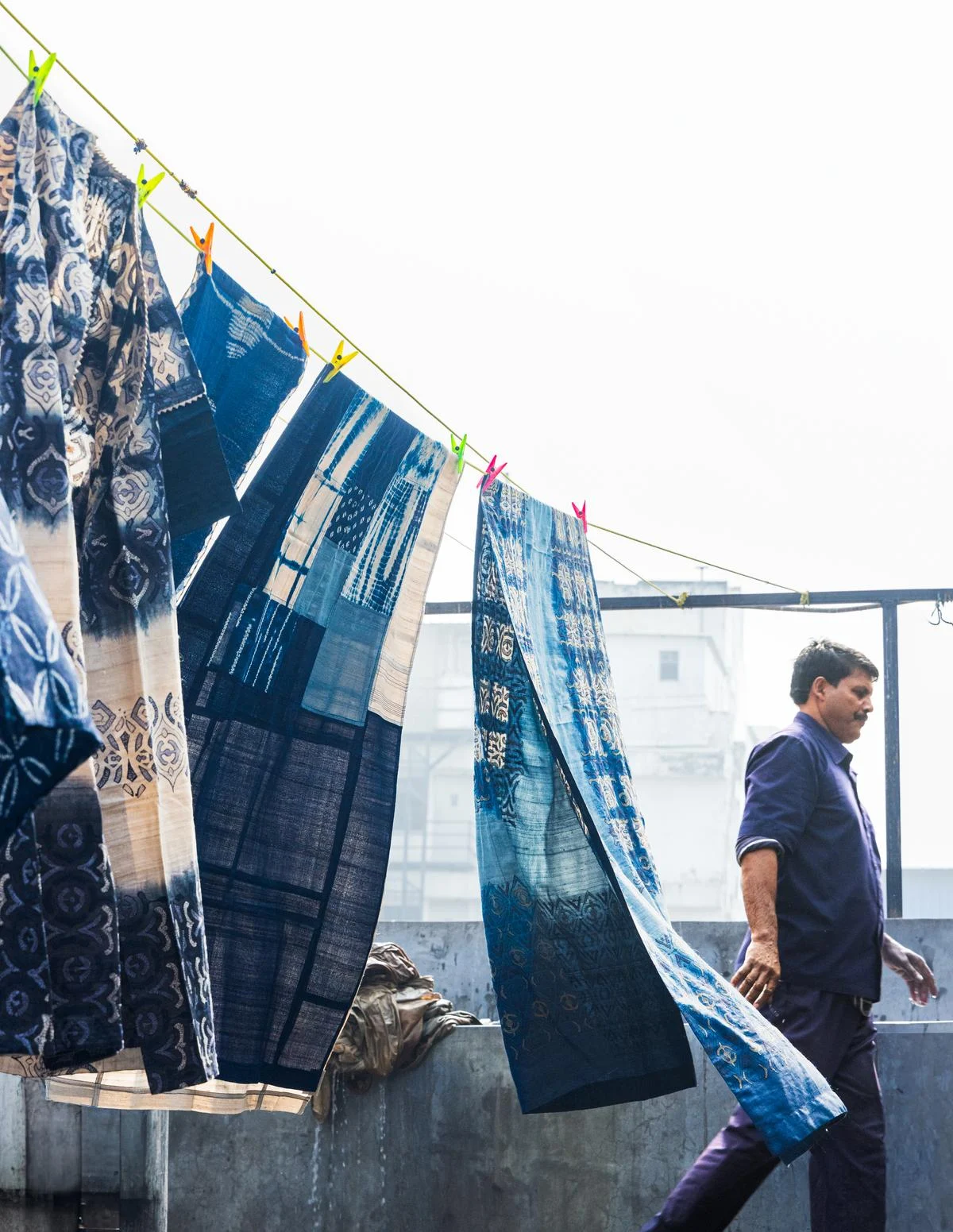
Chennai, India – August 6, 2023 – In a vibrant celebration of India’s profound textile legacy, Chennai is set to transform the MRC Centre into a dazzling showcase of diverse handcrafts from across the nation. Commemorating Handloom Day on August 7th, the Crafts Council of India (CCI) is orchestrating a two-day exhibition that promises to immerse visitors in the artistry and enduring traditions of Indian handlooms. This event will bring together master artisans, visionary designers, and the time-honored techniques that have sustained these crafts for generations, offering a compelling narrative of India’s cultural richness.
A Celebration of Craftsmanship: The MRC Centre Exhibition
The MRC Centre will unfurl into a veritable museum of Indian textiles, featuring 39 meticulously curated stalls. Visitors will have the unparalleled opportunity to explore an extensive array of handwoven saris, exquisitely tailored garments, and handcrafted fabrics. Beyond the visual spectacle, the exhibition aims to foster a deeper connection with the creators, providing a platform to understand the people, their stories, and the intricate processes that bring these masterpieces to life. From the intricate resist-dyeing techniques of Bandhani and Leheriya, celebrated for their vibrant patterns, to the delicate and intricate stitches of Kantha embroidery, and the geometric precision of Ikat, the exhibition will offer a comprehensive panorama of India’s textile artistry.
This initiative by the Crafts Council of India is more than just a display; it is a deliberate effort to preserve, promote, and perpetuate the invaluable heritage of handloom weaving, a sector that forms the backbone of rural economies and embodies India’s artisanal soul.
Weavers Studio: Bridging Tradition and Contemporary Aesthetics
Representing the rich textile traditions of West Bengal, Darshan Mekani Shah, founder of Weavers Studio, will present a collection that artfully navigates the delicate balance between heritage and modernity. Her curated edit for the Chennai showcase will highlight hand-spun and handwoven textiles crafted from khadi, cotton, linen, and eri silk. The exhibition will feature iconic Bengali weaving traditions, including the ubiquitous gamcha, known for its comfort and versatility, and the intricate Jamdani, a testament to the weaver’s skill.
The collection will extend to include the regal Tangail and Garod weaves, alongside the distinct Begampuri weaves, each possessing its unique charm and narrative. These traditional textiles will be thoughtfully paired with vintage-inspired blouses, contemporary drapes, and traditional block prints drawn from Weavers Studio’s extensive archive of local motifs. The range of garments will cater to diverse preferences, from effortlessly chic tunics and kaftans to stylish open jackets, coordinated sets, classic shirts, semi-stitched ensembles, and unstitched fabric sets, offering a versatile wardrobe inspired by Bengal’s textile heritage.
"We wanted to focus on Bengal’s woven textiles, but also bring in some of the techniques and motifs that we haven’t used for a long time," explains Darshan Mekani Shah. Her commitment to sustainability is further evident in a special collection of accessories crafted entirely from fabric remnants. Batwas and smaller bags have been ingeniously created from the leftover materials of their khadi, indigo shibori, and block printing collections. "We’ve always worked with textiles and readymades, but we started thinking about what happens to the fabric left over when we cut a garment. Instead of creating waste, we wanted to turn it into something useful," she shares, underscoring a mindful approach to design and production.

Beej and Co: The Art of Eco-Printing
Emerging as a beacon of sustainable textile innovation, Beej and Co, founded in 2020 by Professor Vishal C Bhand and Bijoya Halder, brings the serene artistry of eco-printing from Shantiniketan (Bolpur), West Bengal, to the Chennai showcase. This husband-and-wife duo specializes in handcrafted eco-printed garments, a technique that champions natural pigments and eliminates the need for artificial dyes.
"The eco-printing technique," explains Vishal, "is where the printing is done directly onto the fabric using real flowers and leaves. This means no artificial dyes are used; instead, the natural pigments present in the leaves and flowers print onto the fabric." This intricate process results in unique, one-of-a-kind pieces, as the natural elements leave their indelible mark.
For the Chennai exhibition, Beej and Co will present an exclusive collection of saris and stoles, each a unique work of art due to the inherent variability of the printing process. "We will have saris and stoles, and every piece is one-of-a-kind because we print with flowers and leaves, so the same design can never really be repeated," Vishal enthuses. The collection also features a new line of men’s shirts adorned with marigold prints, a novelty for the Chennai audience.
Vishal’s dedication extends beyond design to the preservation of traditional crafts. He works closely with artisan families who are increasingly deviating from these age-old practices. "There are many families who depend on this work, and if we don’t support them, they don’t have a way to sustain themselves. So, we are trying to build a community where the weavers and tailors can continue to work and earn from their craft," he asserts, highlighting the socio-economic importance of their sustainable model.
Nilambari Sarees: The Timeless Elegance of Benarasi Jamdani
From the historic city of Benaras, Atmesh Selot, the third-generation custodian of Nilambari Sarees, founded in 1997, brings the brand’s signature Jamdani saris. This exquisite weave, renowned for its intricate patterns and luxurious feel, is a testament to the unparalleled skill of Benarasi weavers.
"Our signature collection is the Jamdani of Benaras, which is woven in gold and silver zari and takes nearly three to three-and-a-half months to make, with two to three skilled weavers working on each sari," Atmesh elaborates, shedding light on the labor-intensive and highly skilled nature of this craft. The Jamdani technique involves intricately weaving motifs into the fabric, creating a translucent and ethereal effect that has captivated connoisseurs for centuries.

Atmesh also champions the inherent sustainability of handlooms. "Handlooms are always sustainable. All these yarns are natural; they’re not polyester-based yarns. And a sari as a garment is also very recyclable because it doesn’t require much fitting or anything. So, it can be passed on through generations. The same sari can be used by the grandmother and then by the granddaughter as well," he emphasizes, highlighting the enduring value and eco-friendly nature of handwoven saris. This aspect of intergenerational inheritance underscores the timeless appeal and practical longevity of handloom textiles.
The Kantha Store: Preserving Bengal’s Embroidered Soul
The exhibition will also pay homage to the rich Kantha traditions of Bengal, a craft synonymous with storytelling through stitches. Farah Khan, founder of The Kantha Store, has dedicated her work to collaborating with rural women artisans across Bengal, aiming to preserve this traditional craft while simultaneously creating sustainable livelihoods.
The Kantha Store will present an edit of hand-embroidered saris, dupattas, and stoles, alongside elegant table runners. A particularly poignant highlight will be the Kantha-stitched baby quilts, a cherished heirloom that was once an integral part of every Bengali childhood, evoking nostalgia and a deep sense of cultural continuity.
"Kantha, for me, is much more than embroidery. It is a part of Bengal’s cultural identity, and my life’s work has been about preserving this heritage while making it relevant and appealing to contemporary women, both in India and across the world," shares Farah, articulating her passion and vision for the craft. Her endeavor ensures that this intricate needlework continues to thrive and find a place in modern wardrobes, bridging the gap between tradition and contemporary fashion.
A Confluence of Diverse Handloom Traditions
The Crafts Council of India’s exhibition promises a rich tapestry of Indian textile arts, featuring a multitude of other esteemed labels and crafts. Visitors can anticipate discovering the intricate Benarasi weaves, the elegant Maheshwari weaves, the vibrant Bandhani tie-dye, the artistic Shibori, the rustic charm of Gamcha, the detailed Kalamkari artistry, and a spectrum of contemporary handloom garments.
Among the notable participants are Abha Dalmia, Blue Lotus, Kapaas, Juanita, Mauna Dhwani, Neelgar, Rangila Dhaga, Weavers Studio, Rangrez Creation, Studio Rama, Tana Bana Maheshwari Handloom, and Tritiya Designs. Each of these brands brings a unique perspective and dedication to preserving and innovating within the handloom sector, collectively showcasing the vast and diverse nature of India’s textile heritage.

The exhibition serves as a powerful reminder of the skill, dedication, and cultural significance embedded in every thread of Indian handloom. It is an opportunity for the public to connect with the artisans, appreciate the meticulous craftsmanship, and support the continuation of these invaluable traditions for generations to come.
Supporting Data and Significance
The handloom sector in India is a significant contributor to the country’s economy and cultural identity. It provides direct and indirect employment to millions of people, particularly in rural areas, empowering women and marginalized communities. According to government reports, the handloom sector accounts for a substantial portion of India’s textile exports and plays a crucial role in preserving traditional knowledge and artistic skills. The annual Handloom Day celebration, established in 2015, aims to raise awareness about the importance of this sector and encourage consumers to choose handloom products.
The exhibition’s focus on traditional techniques like Jamdani, Kantha, Bandhani, and eco-printing highlights the diversity of Indian textile art. These crafts are not merely decorative; they are deeply intertwined with regional histories, cultural practices, and the daily lives of artisans. The inclusion of sustainable practices, such as the eco-printing by Beej and Co and the zero-waste approach by Weavers Studio, reflects a growing consciousness towards environmentally responsible production within the fashion industry.
Implications and Future Outlook
The Crafts Council of India’s initiative in Chennai carries significant implications for the handloom sector. By bringing together artisans and designers from various regions, it fosters collaboration, knowledge sharing, and market access. For consumers, it offers an immersive experience that educates and inspires, potentially shifting purchasing habits towards ethically produced and culturally rich handloom products.
The success of such exhibitions can lead to increased demand for handloom goods, thereby providing economic stability and dignity to artisans. It also contributes to the global recognition of India’s textile heritage, positioning it as a leader in sustainable and artisanal fashion. The emphasis on passing down traditions to contemporary audiences ensures the longevity of these crafts, preventing them from becoming relics of the past. As consumers become more discerning and value-driven, the demand for authentic, handcrafted, and sustainably produced textiles is expected to grow, making events like this crucial for the future of India’s handloom industry.
The exhibition, scheduled for August 7th and 8th at the MRC Centre, 75/2, Santhome High Road, is more than just a shopping opportunity; it is a cultural pilgrimage, an educational endeavor, and a heartfelt tribute to the weavers and artisans who are the custodians of India’s vibrant textile soul.
