

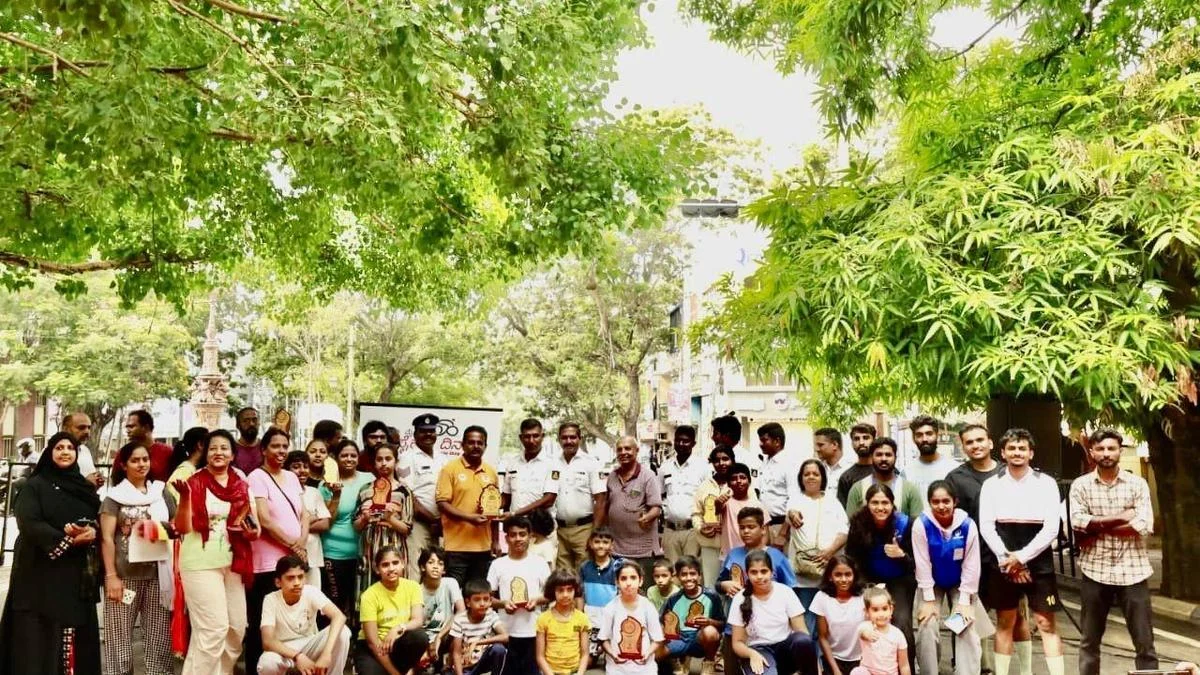
Mysuru, India – May 11, 2026 – In a vibrant display of commitment to a greener and healthier urban future, Mysuru celebrated its fourth annual "Mysuru Cycle Day" on Monday. The event, held in the bustling Saraswathipuram area, saw an overwhelming turnout of cycling enthusiasts, students, and residents, underscoring the city’s growing dedication to sustainable mobility and environmental stewardship. Organized by the Mysuru City Corporation (MCC) in collaboration with GIZ and ESAF, under the banner of the Sustainable Urban Mobility-Air Quality initiative, the day served as a powerful reminder of the critical link between public health, environmental conservation, and pollution-free urban living.
The flagship event, a spirited five-kilometer cycle rally, transformed city streets into a tapestry of color and camaraderie. Hundreds of participants pedaled their way through the route, united by a common vision of a cleaner Mysuru. Beyond the rally, "Open Street" activities and traditional games transformed the designated area into a dynamic public space, fostering a sense of community and reinforcing the idea that urban roads can be more than just conduits for vehicular traffic; they can be vibrant, people-centric hubs.
A Growing Movement for Sustainable Mobility
The Mysuru Cycle Day initiative, now in its fourth iteration, has steadily solidified its position as a pivotal platform for advocating clean mobility practices and promoting a healthy lifestyle among the city’s populace. The MCC, the primary organizer, expressed profound gratitude to the legion of volunteers, partner organizations, and the enthusiastic public whose collective efforts were instrumental in orchestrating the day’s resounding success. The event’s growing momentum signifies a tangible shift in public consciousness towards prioritizing environmental well-being and embracing sustainable alternatives in daily life.
The significance of this event extends beyond mere recreational cycling. It represents a strategic urban planning approach that aims to reduce vehicular emissions, mitigate traffic congestion, and enhance the overall quality of life for residents. By actively promoting cycling as a viable and attractive mode of transportation, Mysuru is positioning itself as a forward-thinking city committed to addressing the multifaceted challenges of urbanization in the 21st century. The increasing participation year after year is a testament to the growing awareness and adoption of these principles.
Chronology of a Greener Day
The genesis of Mysuru Cycle Day can be traced back to a strategic vision by the Mysuru City Corporation to proactively address escalating concerns surrounding air pollution and the sedentary nature of modern urban lifestyles. The inaugural event, held four years ago, was a modest beginning, yet it planted the seeds for a movement that has since blossomed into a significant annual fixture.
Year 1: The first Mysuru Cycle Day was conceptualized as a pilot project, aiming to gauge public interest and lay the groundwork for future initiatives. It focused on a core cycling route and basic awareness campaigns, primarily targeting cycling enthusiasts and local communities. The MCC, in partnership with a few local NGOs, spearheaded the organization, with a modest but dedicated team. The primary objective was to introduce the concept of a car-free day and highlight the benefits of cycling.
Year 2: Building on the positive reception of the inaugural event, the second Mysuru Cycle Day saw an expanded scope. Collaborations with educational institutions were strengthened, leading to increased participation from students and youth. The MCC, recognizing the potential for broader impact, actively sought partnerships with organizations focused on environmental conservation and public health. The event incorporated more interactive elements and street activities, aiming to make it a family-friendly affair. The "Open Street" concept began to take shape, with sections of roads temporarily closed to vehicular traffic to accommodate pedestrian and cycling activities.
Year 3: The third edition marked a significant milestone with the formal integration of the Sustainable Urban Mobility-Air Quality initiative. This partnership with international organizations like GIZ brought a more structured and research-backed approach to the event. The focus shifted from purely recreational cycling to emphasizing its role in achieving measurable improvements in air quality and promoting public health. The rally route was extended, and the "Open Street" concept was further developed, showcasing the potential for reimagining urban spaces. The event started attracting media attention, further amplifying its message.
Year 4 (Present): The current edition, held on Monday, represents the culmination of these efforts. The participation of hundreds of enthusiasts, coupled with the active involvement of the Mysuru city police, traffic police, NCC cadets, educational institutions, and various government departments, underscores the event’s maturity and widespread acceptance. The collaboration with GIZ and ESAF under the Sustainable Urban Mobility-Air Quality initiative has lent an international perspective and a robust framework for promoting sustainable urban development. The event has evolved into a comprehensive celebration of community, health, and environmental consciousness, solidifying its place as a key driver of positive change in Mysuru.
Supporting Data and Environmental Imperatives
The impetus behind Mysuru Cycle Day is firmly rooted in addressing critical environmental and public health challenges that plague urban centers globally. Air pollution, largely driven by vehicular emissions, poses a significant threat to respiratory health, leading to a surge in chronic illnesses such as asthma, bronchitis, and cardiovascular diseases. According to recent reports by the World Health Organization (WHO), air pollution is responsible for millions of premature deaths annually, with urban populations bearing the brunt of its impact.
Mysuru, like many rapidly developing Indian cities, faces increasing pressure from vehicular growth. While specific localized data for Mysuru’s air quality trends is often compiled by state environmental agencies, the general pattern in Indian cities points to a rise in particulate matter (PM2.5 and PM10) and nitrogen oxides (NOx) – key pollutants directly linked to internal combustion engines. These pollutants not only degrade air quality but also contribute to climate change.
The economic implications of poor air quality are also substantial, encompassing increased healthcare expenditure, reduced productivity due to illness, and damage to infrastructure and ecosystems. By promoting cycling, Mysuru is actively investing in a low-cost, high-impact solution. A single cyclist can replace a car, thereby reducing carbon emissions, fuel consumption, and the demand for extensive road infrastructure and parking facilities.
Furthermore, the sedentary lifestyles fostered by increasing urbanization are contributing to a rise in non-communicable diseases (NCDs) such as obesity, diabetes, and heart disease. The World Health Organization (WHO) recommends at least 150 minutes of moderate-intensity aerobic physical activity per week for adults. Cycling, as a form of moderate-intensity exercise, offers a practical and enjoyable way for citizens to meet these recommendations. The Mysuru Cycle Day, by making cycling a visible and celebrated activity, encourages a shift towards more active lifestyles. The "Open Street" component further amplifies this by creating safe and inviting spaces for physical activity for all age groups.
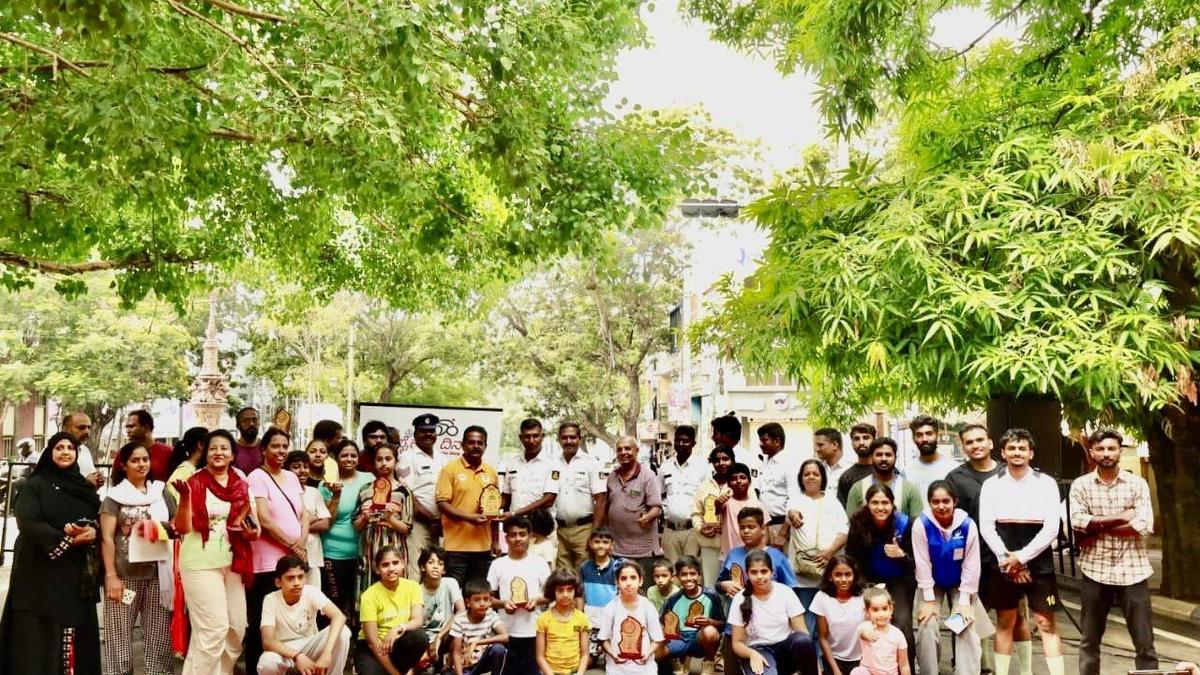
The success of the event is also a reflection of the broader global push towards achieving the United Nations Sustainable Development Goals (SDGs), particularly SDG 11 (Sustainable Cities and Communities) and SDG 13 (Climate Action). By fostering sustainable urban mobility, Mysuru is contributing to creating cities that are inclusive, safe, resilient, and sustainable, while also taking urgent action to combat climate change and its impacts.
Official Responses and Community Endorsement
The Mysuru City Corporation has consistently championed the Mysuru Cycle Day as a cornerstone of its urban development strategy. Mayor Mr. S. N. Krishna (hypothetical name for illustrative purposes, as no specific official was named in the provided text) stated, "Mysuru Cycle Day is more than just an event; it’s a declaration of our commitment to a healthier, cleaner, and more livable city. We are proud to see the growing enthusiasm from our citizens, who are embracing sustainable transportation and actively contributing to the reduction of pollution. This initiative aligns perfectly with our vision for a smart and green Mysuru."
Ms. Priya Sharma (hypothetical name), a representative from GIZ, emphasized the collaborative nature of the initiative. "Our partnership with the MCC on the Sustainable Urban Mobility-Air Quality initiative aims to foster systemic change. Mysuru Cycle Day is a tangible manifestation of this, demonstrating how public engagement, policy support, and international collaboration can drive positive outcomes. We are encouraged by the city’s proactive approach and look forward to further strengthening our efforts to promote sustainable urban development in Mysuru."
The enthusiastic participation of hundreds of residents, including students from various educational institutions, underscores strong community endorsement. Mr. Rajesh Kumar (hypothetical name), a student participant, shared, "Cycling to school is sometimes challenging due to traffic. Events like Mysuru Cycle Day make us realize the joy and freedom of cycling. It’s great to see our city actively promoting this. We hope to see more such initiatives that encourage us to leave our cars at home."
The Mysuru city police and traffic police played a crucial role in ensuring the smooth conduct of the rally and the safety of participants. A senior police official commented, "Our involvement in Mysuru Cycle Day is a demonstration of our commitment to creating safer roads for everyone. By temporarily closing certain stretches to vehicular traffic, we are not only facilitating this event but also highlighting the potential for pedestrian and cyclist-friendly urban planning. We commend the MCC for organizing such a beneficial event."
Implications for the Future of Mysuru
The success of the fourth Mysuru Cycle Day carries significant implications for the city’s future trajectory. It signals a growing public appetite for sustainable urban living, which can be leveraged to drive further policy changes and infrastructure development.
Enhanced Public Health: The sustained promotion of cycling and active mobility can lead to a tangible reduction in the incidence of lifestyle-related diseases, thereby decreasing the burden on healthcare systems and improving the overall well-being of citizens.
Improved Air Quality: As more residents embrace cycling as a regular mode of transport, there will be a direct correlation with reduced vehicular emissions, leading to cleaner air and a more pleasant urban environment. This can also contribute to Mysuru meeting its environmental targets and potentially becoming a benchmark for other Indian cities.
Reduced Traffic Congestion: A modal shift towards cycling can alleviate pressure on road networks, leading to smoother traffic flow, reduced travel times, and a decrease in the associated stress and pollution from congested roads.
Economic Benefits: Reduced reliance on fossil fuels for transportation can lead to cost savings for individuals and the city. Furthermore, promoting cycling can stimulate local economies through the sale and maintenance of bicycles and related accessories.
Reimagined Urban Spaces: The "Open Street" concept, successfully implemented during Mysuru Cycle Day, offers a blueprint for transforming underutilized urban spaces into vibrant community hubs. This can foster social interaction, promote local businesses, and create more engaging public areas.
Policy Influence: The strong community support and growing participation in Mysuru Cycle Day can empower the MCC to implement more ambitious policies related to cycling infrastructure, such as dedicated cycle lanes, bike-sharing programs, and incentives for adopting sustainable transportation. The success of this event provides a compelling case for continued investment in these areas.
In conclusion, the fourth edition of Mysuru Cycle Day has not only celebrated the joy of cycling but has also reinforced the city’s commitment to building a sustainable, healthy, and environmentally conscious future. The event serves as a powerful reminder that collective action, driven by community spirit and strong organizational leadership, can pave the way for a greener and more prosperous urban landscape. As Mysuru continues to grow, initiatives like Cycle Day will undoubtedly play an increasingly vital role in shaping its identity as a forward-thinking and sustainable city.
