

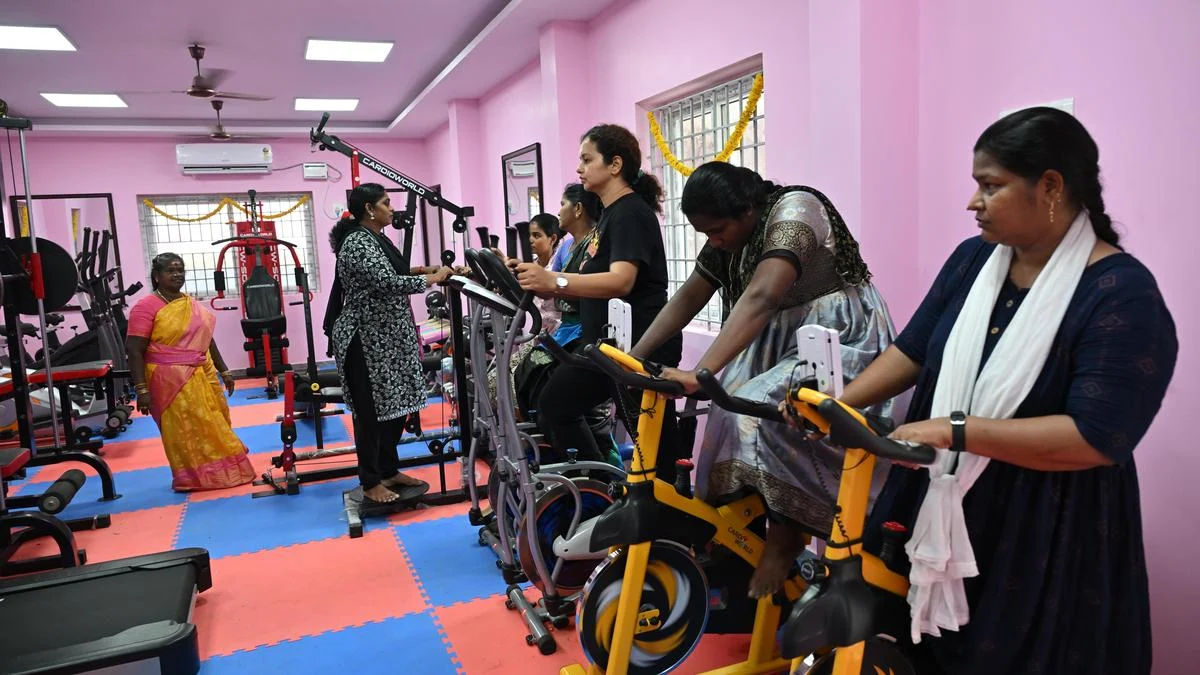
Chennai, India – July 11, 2026 – A once-neglected patch of land on Fourth Trust Link Street in Santhome, Mylapore, previously marred by persistent garbage dumping, has undergone a remarkable transformation. In a significant stride towards promoting public health and community well-being, the Greater Chennai Corporation (GCC) has inaugurated a state-of-the-art women’s gym on the site. This initiative, funded through a combination of the Mayor’s Fund and the Councillor’s Fund, represents an investment of ₹80 lakh, breathing new life into a forgotten corner of the city and offering a vital fitness resource to the local population.
From Eyesore to Exercise Hub: The Genesis of a Community Project
The vacant plot, situated adjacent to a GCC-run middle school, had long been a source of civic concern. For years, it served as an unofficial dumping ground, attracting litter and contributing to unsanitary conditions, a stark contrast to the bustling educational institution it bordered. Residents and passersby alike had contributed to its deterioration, leaving it an unappealing and problematic space. However, the vision of local leadership and a commitment to urban renewal have dramatically altered its destiny.
The establishment of this modern women’s gym marks a pivotal moment in reclaiming and repurposing public space for the betterment of the community. The initiative, housed in Ward 126, was officially inaugurated on July 8, 2026, by Mylapore MLA P. Venkataramanan. The ceremony was graced by the presence of Councillor of Ward 126, Amirtha Varshini, underscoring the collaborative effort behind this significant development.
Strategic Location and Thoughtful Accessibility
The gym’s placement, approximately 200 metres from the prominent Santhome High Road – specifically near the former location of the old registrar office – is a strategic advantage that is expected to significantly boost its patronage. This accessibility ensures that the facility is within easy reach for a broad spectrum of residents, fostering greater engagement and encouraging consistent usage.
A key element of the gym’s design and operational strategy lies in its thoughtfully curated timings. Recognizing the diverse schedules and responsibilities of women, particularly working professionals and homemakers, the GCC has implemented a dual-session schedule. The gym is open from 6 a.m. to 10 a.m. in the morning and again from 4 p.m. to 8 p.m. in the evening. This dual-timing approach is meticulously planned to cater to the needs of both early risers seeking to incorporate exercise into their pre-work routines and those who can dedicate their post-work or afternoon hours to fitness.
The morning slot is designed to accommodate working women who can get their daily workout in before commuting to their jobs. Simultaneously, it offers an opportunity for homemakers to prioritize their well-being. The afternoon and evening sessions provide a much-needed outlet for women who may be occupied with family responsibilities in the early hours, such as seeing children off to school or college and preparing meals for family members heading to work.
There is a palpable sentiment among some users and residents that extending the morning session by an additional hour or two could further enhance convenience, particularly for homemakers. This would allow them greater flexibility to fit in their fitness routines after completing their morning household chores, making the gym even more integrated into their daily lives.

A Commitment to User-Centric Operation
Beyond the structured timings, the operational ethos of the gym reflects a deep commitment to user convenience and flexibility. B. Thangam, the person in charge of the facility, has demonstrated a commendable willingness to accommodate individual needs. She has expressed her readiness to keep the gym doors open for a short period beyond the stipulated hours if it significantly benefits a member who might be running slightly late. This personal touch and dedication to service are invaluable in fostering a welcoming and supportive environment, encouraging long-term commitment to fitness.
Testimonials: Voices of Appreciation and Transformation
The positive impact of the new gym is already being felt and articulated by those who are utilizing its services. Geetha Lakshmi, a teacher at the adjacent Corporation school, shared her enthusiastic endorsement. "The place where the gym stands now had gone to seed," she remarked, highlighting the stark contrast between its past and present state. "Raising a gym there is the best thing to have happened to the place, residents and habitués of the area. For the last two days that the gym has been open, teachers from this school have been dropping in for a workout, after school hours. Having this facility next door is a great convenience." Her words underscore the immediate benefit of having a high-quality fitness facility within such close proximity to her workplace.
Felci Therese, a resident of the Santhome area, echoed this sentiment, emphasizing the economic boon the gym represents for the neighborhood. "All the other gyms in the area being paid facilities, the Corporation gym is a boon to the neighbourhood," she stated. This highlights the crucial role of public amenities in providing affordable and accessible health and wellness options, particularly for those who might find private gym memberships prohibitive.
Vanitha R., another resident of Santhome, provided a detailed account of the gym’s impressive facilities, painting a vivid picture of its comprehensive offerings. "At this gym, there are dedicated weight training and strength sections, 8-10 cardio machines including treadmills, cycles, ellipticals, plus dumbbells, twisters, and training benches," she explained. "There are yoga mats for terrace and outdoor yoga – a rare touch that encourages holistic wellness." Her description showcases a well-equipped facility that caters to a wide range of fitness preferences and goals, from cardiovascular health and strength training to mind-body practices like yoga. The inclusion of yoga mats for outdoor sessions is a particularly noteworthy aspect, promoting a holistic approach to well-being that extends beyond the confines of the gym itself.
Broader Implications and Future Prospects
The successful transformation of this neglected space into a thriving women’s gym carries significant implications for urban planning and public health initiatives in Chennai and beyond. It serves as a powerful case study demonstrating how underutilized public land can be repurposed to address pressing community needs. The project highlights the importance of:
- Investing in Public Health Infrastructure: The GCC’s commitment to funding such facilities underscores the recognition of health and fitness as integral components of a thriving urban environment.
- Community Engagement and Empowerment: By providing an accessible and dedicated space for women’s fitness, the gym empowers women to prioritize their health and well-being, fostering a sense of community and shared purpose.
- Urban Renewal and Beautification: The project actively combats urban blight and transforms neglected areas into vibrant community assets, enhancing the aesthetic appeal and livability of the neighborhood.
- Inclusive Development: The focus on women’s fitness addresses a specific demographic’s needs, promoting gender-equitable access to health resources.
The positive reception and active utilization of the Santhome women’s gym are likely to inspire similar initiatives across other parts of the city. As Chennai continues to grow, the replicability of such projects will be crucial in ensuring that urban development is not only about infrastructure but also about the well-being and empowerment of its citizens. The GCC’s investment in this facility is a testament to a forward-thinking approach that prioritizes holistic community development, turning forgotten spaces into beacons of health, activity, and positive change. The success of this venture promises a healthier and more vibrant future for the women of Mylapore and potentially, for many more across the city.
