

A seemingly healthy young adult receives a blood sugar report showing 160 mg/dL. This number, often perceived as a clear indicator of trouble, can spark immediate concern: Is this alarmingly high? Does it mean diabetes? Should I be worried? The answer, experts emphasize, is nuanced and hinges on crucial context.
Main Facts:
A blood sugar reading of 160 mg/dL in a person in their 20s is not considered normal, regardless of age. However, whether it signifies diabetes or a temporary elevation depends heavily on the timing of the measurement – specifically, if it was taken while fasting, before a meal, or after eating. A single elevated reading alone is not typically sufficient for a diabetes diagnosis, which usually requires confirmation through repeated tests and specific diagnostic criteria. Factors like stress, sleep deprivation, and certain medications can temporarily impact blood sugar levels. Early detection and accurate classification of diabetes, especially in young individuals, are critical for preventing long-term complications.
Chronology of Concern: When 160 mg/dL Becomes a Red Flag
The significance of a 160 mg/dL blood sugar reading is entirely dictated by its temporal context. Dr. Rajiv Kovil, a Diabetes and Obesity Specialist at Zandra Healthcare, clarifies this critical distinction: "Age does not make a glucose of 160 normal. What matters is when it was measured."
Fasting Blood Sugar: A Clear Indicator of Concern
When this reading is taken after an overnight fast (typically 8 hours without food or drink, except water), a fasting plasma glucose level of 160 mg/dL is unequivocally abnormal and falls squarely within the diagnostic range for diabetes. The established threshold for diagnosing diabetes based on fasting plasma glucose is 126 mg/dL or higher. Therefore, a fasting reading of 160 mg/dL warrants immediate medical attention and further investigation.
Pre-Meal Readings: Warranting Evaluation
Similarly, a pre-meal blood sugar reading of 160 mg/dL is also considered abnormal and signals a need for medical evaluation. While not as definitively indicative of diabetes as a fasting reading, it suggests that the body may be struggling to regulate glucose levels effectively.
Post-Meal Readings: Requiring Context
The interpretation of a 160 mg/dL reading becomes more complex when it occurs after a meal. In this scenario, the number requires context:
- Timing After Eating: Blood sugar levels naturally rise after consuming food, particularly carbohydrate-rich meals. A reading taken shortly after eating might be higher than a fasting reading. The crucial question is how long after the meal the measurement was taken.
- Meal Composition: The type and quantity of food consumed significantly influence post-meal glucose spikes. A meal high in refined carbohydrates and sugars will typically lead to a more pronounced and prolonged elevation.
- Established Diabetes: If an individual has a known diagnosis of diabetes, a post-meal reading of 160 mg/dL might be within their target range, depending on their personalized treatment plan and doctor’s recommendations.
For a standard two-hour oral glucose tolerance test (OGTT), which involves consuming a 75-gram glucose load, a blood sugar level of 200 mg/dL or higher is considered diagnostic of diabetes. While 160 mg/dL post-meal isn’t at this diagnostic threshold, it still warrants attention, especially if it occurs consistently or is accompanied by other symptoms.
Dr. Kovil strongly advises against isolating any single reading: "Never interpret ‘160’ in isolation; timing converts a number into clinical information."
Supporting Data: Diagnostic Criteria for Diabetes
The diagnosis of diabetes is not based on a single elevated blood sugar reading. Medical professionals rely on established diagnostic criteria to confirm the condition. These typically include:
- Fasting Plasma Glucose (FPG): A blood glucose level of 126 mg/dL or higher on two separate occasions.
- Hemoglobin A1c (HbA1c): An average blood glucose level over the past 2-3 months. An HbA1c of 6.5% or higher indicates diabetes.
- Oral Glucose Tolerance Test (OGTT): A 2-hour plasma glucose level of 200 mg/dL or higher during an OGTT.
- Random Plasma Glucose: A random blood glucose level of 200 mg/dL or higher in a person with classic symptoms of hyperglycemia (e.g., increased thirst, frequent urination, unexplained weight loss) or a hyperglycemic crisis.
The Criticality of Early Detection in Young Adults
The notion that age offers immunity to diabetes is a dangerous misconception. In fact, the rise of young-onset type 2 diabetes is a growing public health concern. A blood sugar reading of 160 mg/dL in a 20-something should never be dismissed with a cavalier "you’re too young."
"In a 22-year-old, I would not say, ‘You’re young, don’t worry.’ I would say, ‘You’re young—that is precisely why we should act now and protect the next 50 years’," Dr. Kovil emphasizes.
This proactive approach is crucial because young-onset type 2 diabetes can exhibit more aggressive progression, leading to faster deterioration of pancreatic beta-cell function and earlier onset of debilitating complications such as cardiovascular disease, kidney damage, nerve damage, and eye problems. Diabetes diagnosed at age 25, for instance, means decades of potential exposure to the damaging effects of high blood sugar. Early diagnosis, accurate classification of the diabetes type, and decisive intervention are paramount to mitigating these risks.
Factors Influencing Temporary Blood Sugar Spikes
It’s important to acknowledge that several factors can temporarily elevate blood sugar levels without necessarily indicating diabetes. These include:
- Dietary Intake: Consuming a carbohydrate-heavy meal, especially one rich in refined sugars and processed foods, will naturally cause a post-meal rise in blood glucose.
- Acute Illness: Infections, fevers, and other acute illnesses can trigger the body’s stress response, leading to increased glucose production and impaired insulin sensitivity.
- Severe Stress: Significant emotional or physical stress can elevate stress hormones like cortisol and adrenaline, which can raise blood sugar levels.
- Sleep Deprivation: Lack of adequate sleep can disrupt hormonal balance and negatively impact insulin sensitivity, leading to higher blood glucose readings.
- Medications: Certain medications, most notably corticosteroids, are known to increase blood sugar levels. Other drugs may also have this effect as a side effect.
However, Dr. Kovil cautions against attributing repeated high readings solely to these transient factors. "One abnormal glucose is a signal; repeated abnormal glucose is a pattern," he warns. This pattern becomes particularly concerning when observed in younger individuals who also present with risk factors such as obesity, a family history of diabetes, or other metabolic abnormalities.
Official Responses and Diagnostic Pathways
When blood sugar levels consistently come back high, particularly in younger individuals, a comprehensive diagnostic workup is essential. The initial evaluation typically involves:
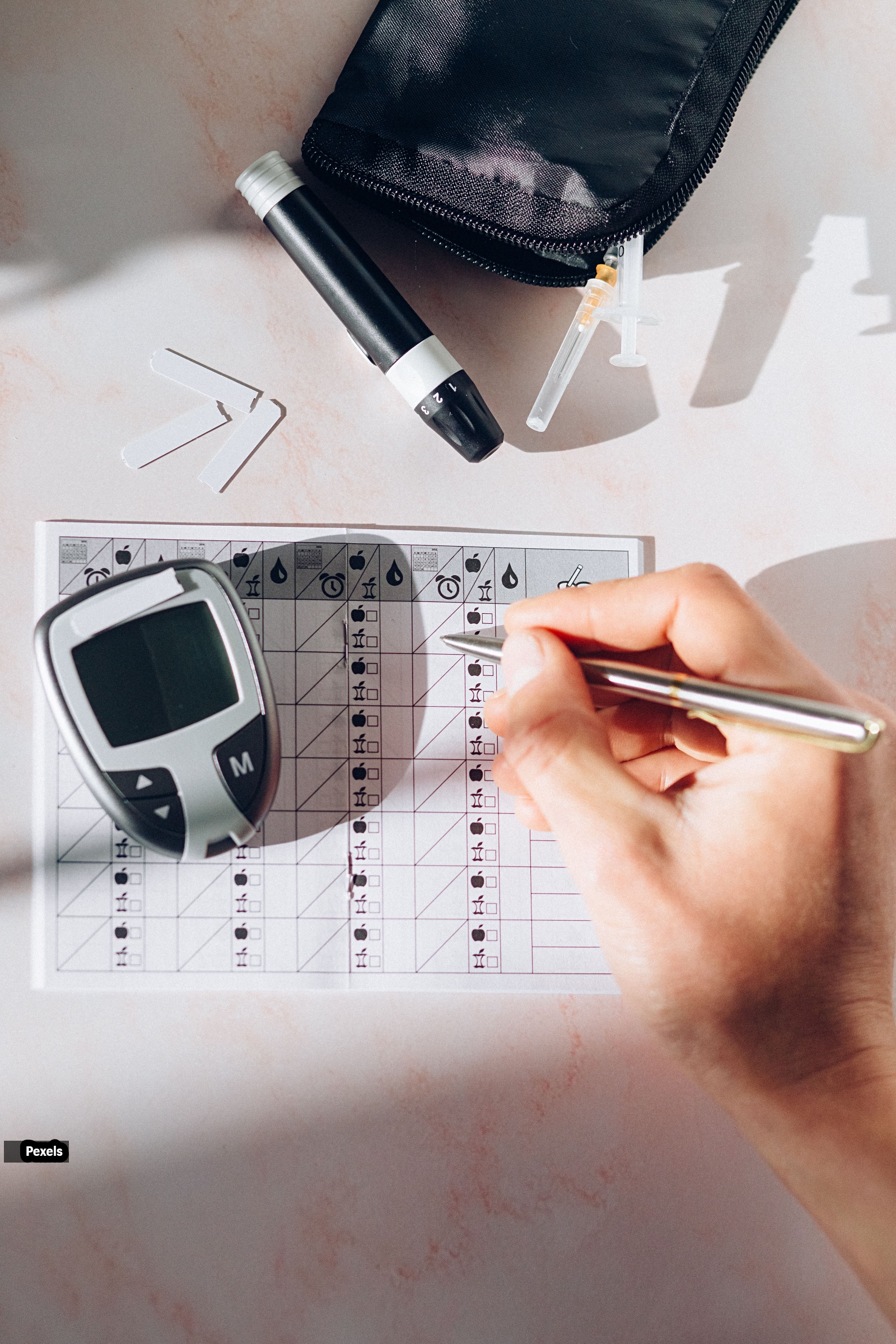
- Laboratory Fasting Glucose: A repeat fasting blood glucose test to confirm the initial finding.
- Hemoglobin A1c (HbA1c): This test provides a long-term picture of blood sugar control and is a cornerstone in diabetes diagnosis.
- Oral Glucose Tolerance Test (OGTT): This test may be recommended if the initial results are inconclusive or if there’s a strong suspicion of impaired glucose metabolism.
Beyond Diagnosis: Phenotyping Young-Onset Diabetes
For young-onset diabetes, the diagnostic process extends beyond simply confirming the presence of the condition. Dr. Kovil highlights the importance of "phenotyping" – accurately classifying the type of diabetes. This is crucial because treatment strategies differ significantly between type 1 and type 2 diabetes, and in some cases, other forms of diabetes.
- Type 1 Diabetes: This autoimmune condition occurs when the body’s immune system mistakenly attacks and destroys the insulin-producing beta cells in the pancreas. It is often characterized by rapid onset, weight loss, and the presence of ketones. In young, lean individuals, or those experiencing weight loss or ketosis, testing for pancreatic autoantibodies (such as GAD, IA-2, and ZnT8) is vital to confirm type 1 diabetes.
- Type 2 Diabetes: This form is characterized by insulin resistance and/or insufficient insulin production. It is often associated with obesity and lifestyle factors.
- Monogenic Diabetes: In rare instances, diabetes in young people can be caused by a single gene mutation. Selected patients may undergo genetic testing to identify these forms of diabetes.
Once a diabetes diagnosis is established, further investigations are typically undertaken to assess for associated complications and comorbidities. This may include measuring blood pressure, checking lipid profiles, evaluating kidney function (including screening for albuminuria – protein in the urine), and conducting eye exams.
"Young-onset diabetes deserves phenotyping, not merely prescribing," Dr. Kovil asserts, emphasizing the need for a personalized and precise approach to management.
Implications of Ignoring Elevated Blood Sugar
The implications of ignoring elevated blood sugar readings, even in one’s 20s, can be profound and far-reaching. The sustained presence of high glucose levels in the bloodstream can silently inflict damage on blood vessels and organs over time, leading to a cascade of serious health problems.
Recognizing the Warning Signs: Symptoms to Never Ignore
While a single reading of 160 mg/dL requires context, certain symptoms should prompt immediate blood sugar testing and medical consultation, irrespective of age:
- Excessive Thirst (Polydipsia): Feeling unusually thirsty, even after drinking.
- Frequent Urination (Polyuria): Needing to urinate more often than usual, especially at night.
- Unexplained Weight Loss: Losing weight without trying.
- Marked Fatigue: Persistent and overwhelming tiredness.
- Blurred Vision: Changes in vision that are not corrected by glasses.
More severe symptoms that necessitate urgent medical assessment include:
- Vomiting
- Abdominal Pain
- Dehydration
- Rapid or Deep Breathing
- Drowsiness or Confusion
These symptoms, especially when accompanied by very high glucose levels or the presence of ketones in the urine or blood, can be indicative of diabetic ketoacidosis (DKA). DKA is a life-threatening complication that can sometimes be the very first presentation of diabetes, even in individuals who appear otherwise healthy. It’s crucial to remember that obesity does not preclude the possibility of type 1 diabetes.
In essence, a 160 mg/dL blood sugar reading in your 20s is a significant signal that should not be dismissed simply due to age. While a single reading doesn’t definitively confirm diabetes, it demands careful consideration of the testing context, the need for repeat measurements, and appropriate diagnostic tests like fasting glucose and HbA1c to ascertain the underlying health status. The proactive management of blood sugar levels, especially in younger individuals, is a critical investment in long-term health and well-being.
DISCLAIMER: This article is based on information from the public domain and/or the experts we spoke to. It is intended for informational purposes only and does not constitute medical advice. Always consult your health practitioner or a qualified healthcare provider for any health concerns or before making any decisions related to your health or treatment.
