

Renault’s trajectory in the Indian automotive landscape has always been defined by moments of disruption. From the category-creating success of the original Duster to the segment-defying packaging of the Triber, the French automaker has a history of identifying white spaces in a crowded market. However, as the industry pivots toward a complex future of electrification, hybridization, and stricter regulatory frameworks, Renault is moving beyond individual product hits.
The unveiling of the Renault Bridger Concept marks the beginning of a sophisticated, multi-layered strategy designed to cement India’s position as one of Renault’s top three global markets. This is not merely a design exercise; it is a preview of a comprehensive "Renaulution" in the subcontinent, underpinned by a dual-platform approach and a commitment to launch seven new models by 2030.
Main Facts: The Bridger Concept as a Strategic North Star
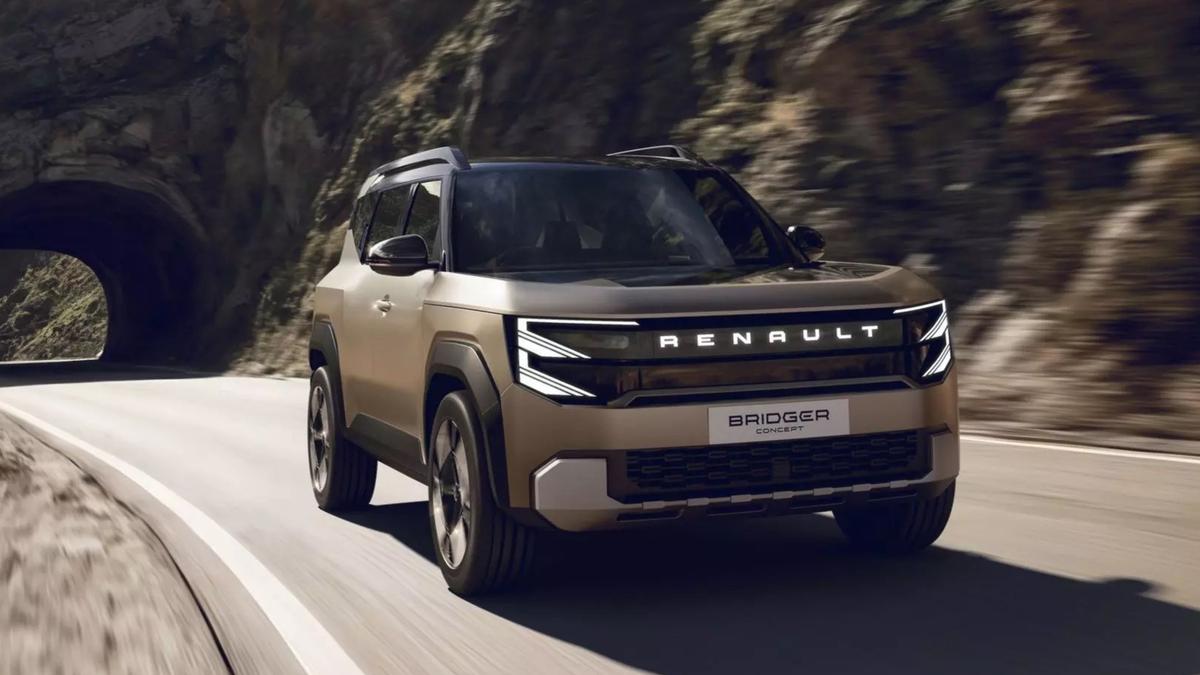
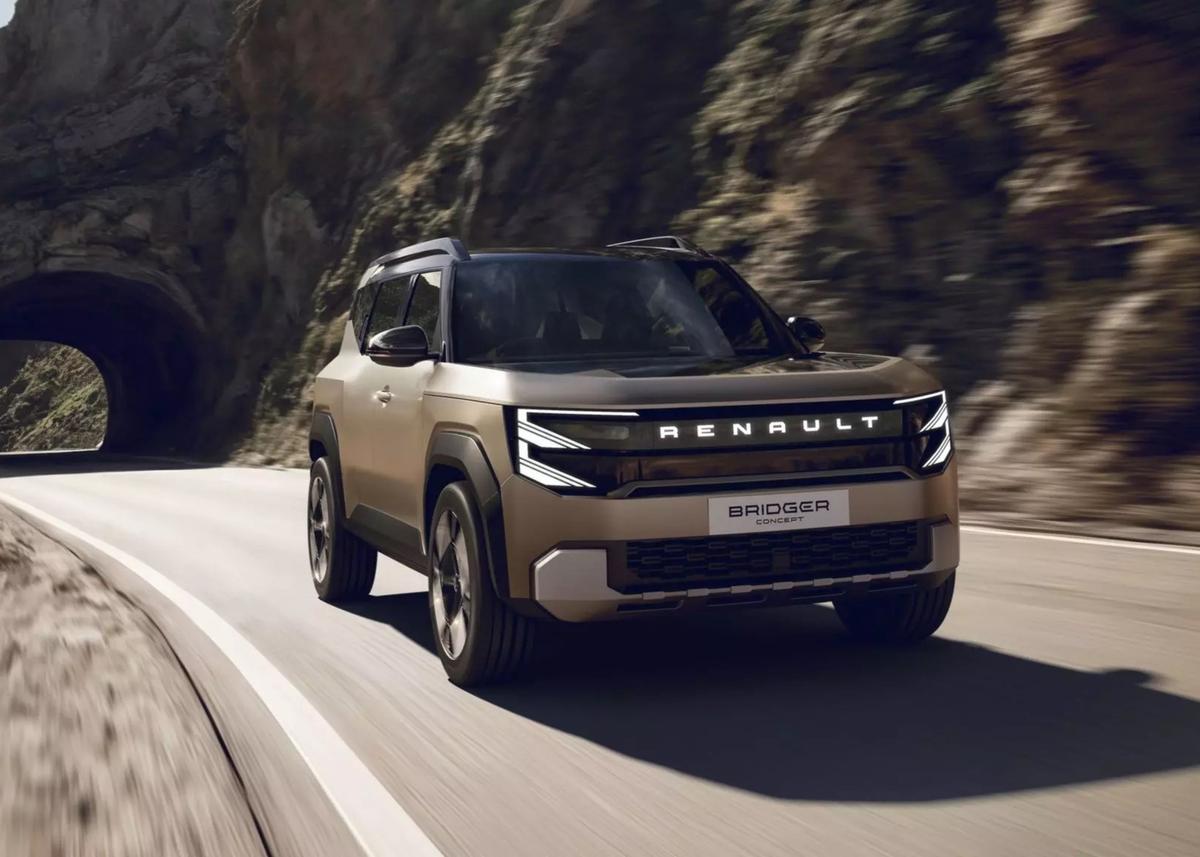
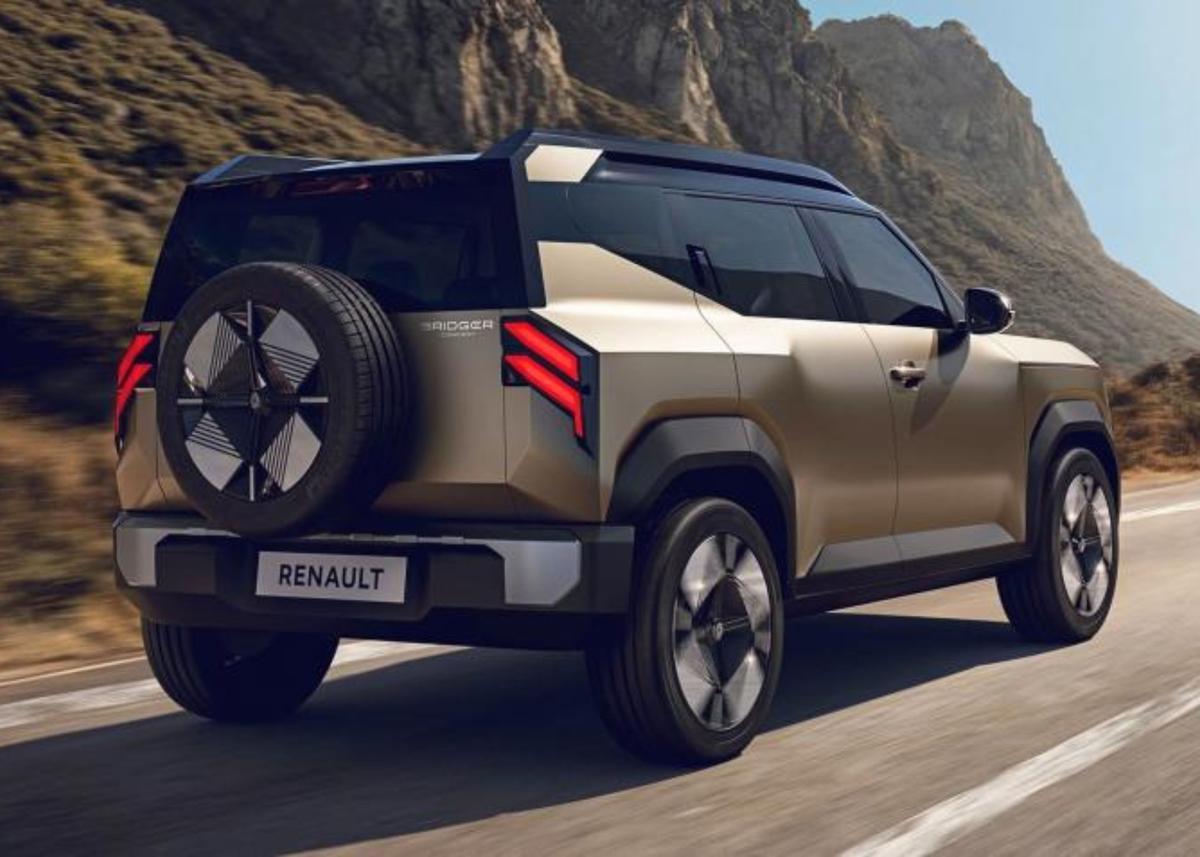
At the heart of Renault’s immediate future is the Bridger Concept. Positioned squarely in the high-volume B-SUV segment, the Bridger is the physical manifestation of Renault’s "urban-tough" design philosophy. Unlike the sprawling dimensions of mid-size SUVs, the Bridger maintains a tight, controlled footprint optimized for India’s congested metropolitan environments, while simultaneously offering the rugged visual cues—upright nose, squared wheel arches, and high ground clearance—that Indian buyers increasingly demand.
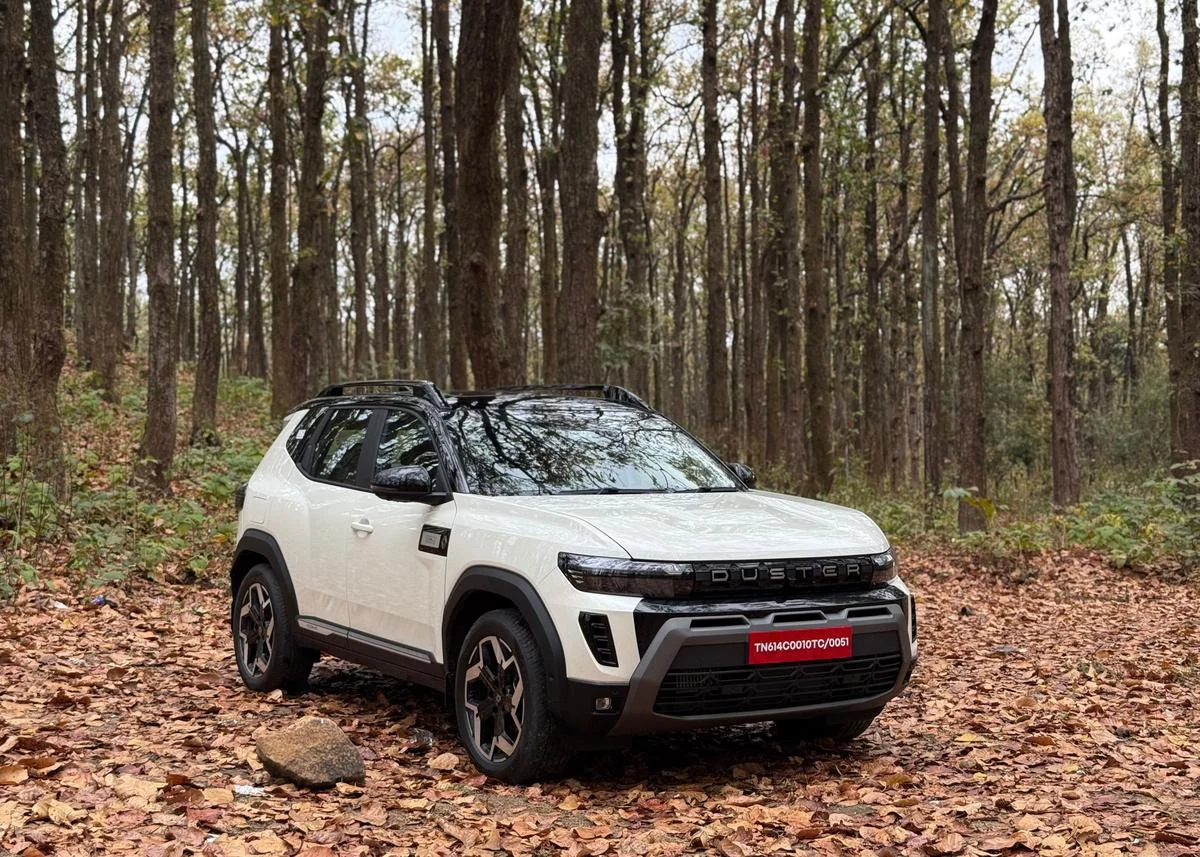
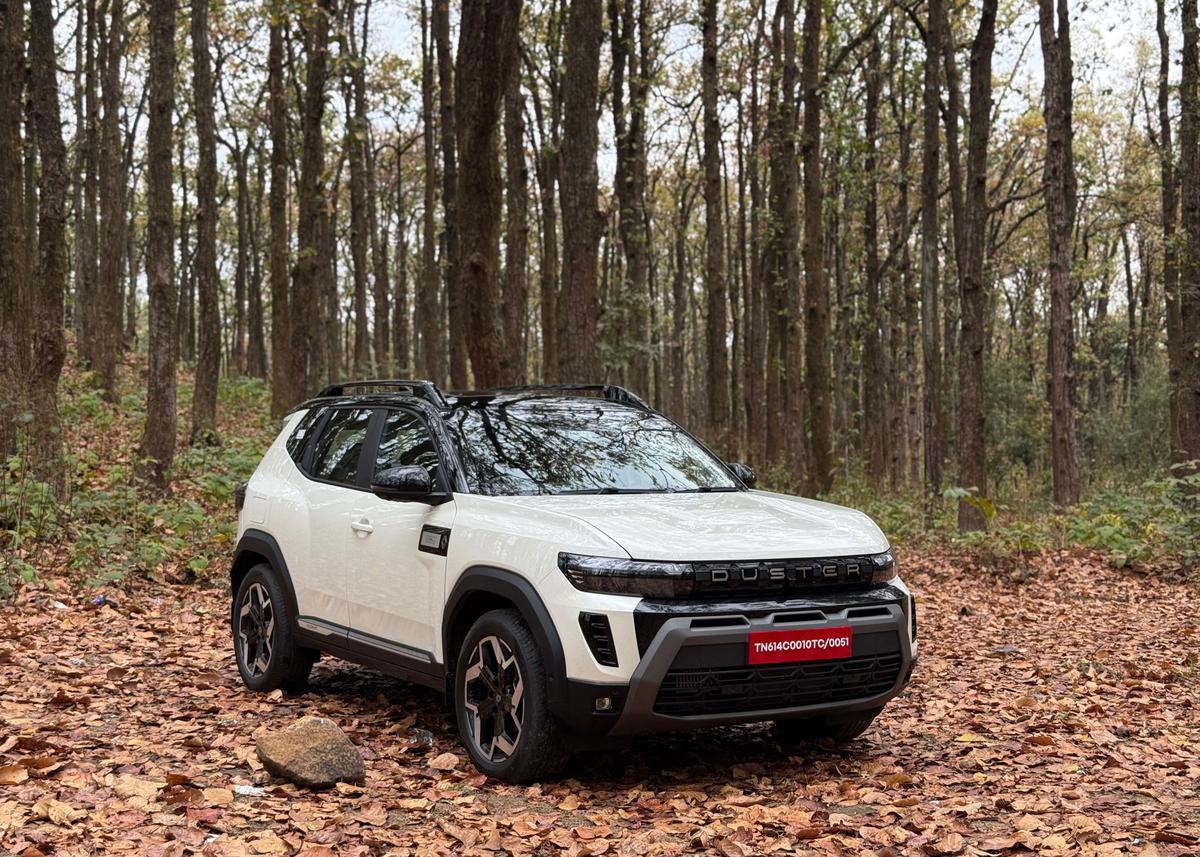
The Bridger is more than a styling study; it is the second vehicle slated to utilize the Renault Group Modular Platform (RGMP). This architecture is the cornerstone of Renault’s technological leap in India. While the newly launched Duster has already re-established Renault’s presence in the mid-size SUV space, the Bridger is designed to capture the "lifestyle" buyer—someone who requires urban maneuverability but seeks the "utilitarian appeal" of a traditional off-roader.
Key Pillars of the New Strategy:
- Dual-Platform Architecture: A split between the RGEP (Renault Group Entry Platform) for affordability and the RGMP (Renault Group Modular Platform) for advanced technology and multi-energy capabilities.
- Product Offensive: Seven new models confirmed by 2030, representing the brand’s most aggressive product renewal cycle in India to date.
- Multi-Energy Focus: The ability to pivot between Internal Combustion Engines (ICE), Flex-fuel, Strong Hybrids, and Battery Electric Vehicles (BEVs) on a single production line.
- Strategic Hub Status: Elevating India from a domestic sales region to a global engineering and export powerhouse, targeting a contribution of 35% of Renault’s global sales from the Indian market.
Chronology: From Market Disruptor to Strategic Powerhouse
Renault’s journey in India can be categorized into three distinct eras, leading up to the current 2030 roadmap.
2012–2017: The Era of Disruption
Renault entered the popular consciousness with the 2012 launch of the Duster, which single-handedly created the compact SUV segment in India. This was followed by the Kwid in 2015, which challenged the entry-level hatchback monopoly with SUV-inspired styling. These years were characterized by "hero products" that relied on unique positioning.
2018–2023: Consolidating the Value Proposition
During this phase, Renault focused on the RGEP (Entry Platform), launching the Triber and the Kiger. These models proved that Renault could offer high-value, well-engineered vehicles at competitive price points. However, the brand lacked a presence in the higher-margin, tech-heavy segments, leading to a period of consolidation and the development of the "Renaulution" India plan.
2024–2030: The RGMP Revolution
The current era began with the re-introduction of the Duster on the all-new RGMP architecture. This marks a shift from being a "value-only" brand to a "technology-led" brand. The introduction of the Bridger Concept and the upcoming Strong Hybrid variants of the Duster signify the start of a rolling launch schedule that will see the portfolio expand to seven models by the end of the decade.
Supporting Data: The Engineering Behind the Ambition
The success of Renault’s 2030 plan rests on the technical versatility of its two-platform strategy. By separating its lineup into RGEP and RGMP, Renault can address the bifurcated nature of the Indian market: the price-sensitive entry-level and the feature-hungry premium segments.
The RGMP (Renault Group Modular Platform)
The RGMP is a global-standard toolkit that allows for significant localization. Its primary advantage is its "multi-energy" readiness.
- Powertrain Flexibility: Engineered to house high-torque turbo-petrol engines, flex-fuel systems for evolving ethanol mandates, and sophisticated strong hybrid systems.
- Digital Architecture: Supports advanced Electronic/Electrical (E/E) architectures, enabling over-the-air (OTA) updates, advanced driver-assistance systems (ADAS), and enhanced connectivity features that were previously absent in Renault’s Indian lineup.
- Scaling Potential: Following the Duster and the Bridger, this platform will likely underpin a future C-segment SUV and potentially a dedicated EV for the Indian market.
The RGEP (Renault Group Entry Platform)
While RGMP targets the premium end, the RGEP remains the "volume backbone."
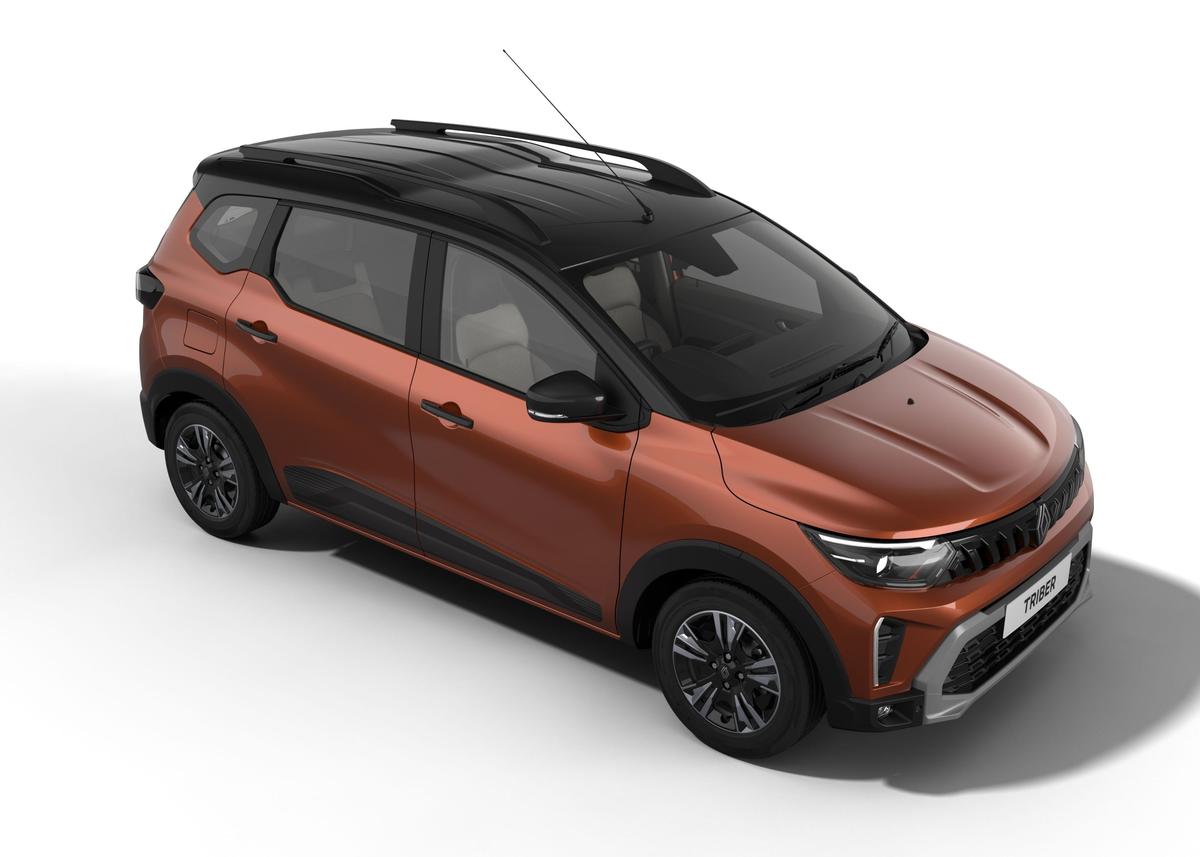
- The Triber Update: To address consumer feedback regarding performance, Renault is slated to introduce a more powerful engine option for the Triber.
- CNG Expansion: With the rising cost of petrol, Renault is integrating factory-fitted CNG options for both the Kiger and the Triber, ensuring these models remain competitive against rivals like Maruti Suzuki and Tata Motors.
Market Targets
Renault has set an ambitious internal target: India is expected to account for approximately 35% of Renault’s global sales in the near future. This necessitates a massive scale-up of production and a significant increase in market share, which currently hovers in the low single digits.
Official Responses: A Vision of Global Integration
During recent briefings at Renault’s Chennai operations, the leadership team—including Francois Provost, CEO of Renault Group (International Markets), and Stephane Deblaise, CEO of Renault Group India—emphasized that the Indian strategy is no longer an isolated regional project.
"Renault’s dual-platform strategy balances affordability with advanced technology across its lineup," noted the leadership during the showcase. They highlighted that the Chennai facility is now a "lead plant" for several global programs. The engineering work conducted in India on the RGMP architecture is being exported back to other emerging markets, creating a circular economy of innovation.
Stephane Deblaise has frequently pointed out that the Indian consumer is among the most demanding in the world, requiring "global quality at local costs." The decision to bring the Bridger Concept to fruition is a direct response to this demand—a vehicle that looks like a global product but is engineered with the specific rigors of Indian roads and climates in mind.
Official statements also confirm that the "festive season" will be a critical period for the brand, with the launch of the Duster Strong Hybrid. This model will serve as a litmus test for the Indian buyer’s appetite for premium electrification without the range anxiety of a pure BEV.
Implications: Reshaping the Indian SUV Landscape
The rollout of the Bridger and the broader 2030 strategy has several profound implications for the Indian automotive industry and consumers alike.
1. The End of "Austerity" Engineering
For years, global brands often brought older or "de-contented" platforms to India. Renault’s move to the RGMP signifies the end of this trend. By using a platform that supports hybrids and EVs from the outset, Renault is offering Indian consumers the same technological "floor" as European buyers.
2. Competitive Pressure in the B-SUV Segment
The Bridger Concept enters a segment currently dominated by the Tata Nexon, Maruti Brezza, and Hyundai Venue. Renault’s "rugged-utilitarian" design language offers a distinct aesthetic alternative to the increasingly "soft-roader" look of its competitors. If Renault can price the production version of the Bridger competitively while leveraging the RGMP’s superior driving dynamics, it could significantly disrupt the current market hierarchy.
3. India as an Export Hub
With full control over its manufacturing facility and a massive engineering base in Chennai, Renault is positioned to use India as a springboard for exports to Southeast Asia, Africa, and Latin America. This "Make in India for the World" approach provides the economies of scale necessary to keep local prices low while maintaining high global standards.
4. A Hedged Bet on Electrification
By investing in a multi-energy platform, Renault is avoiding the risk of going "all-in" on EVs too early. The ability to produce ICE, Hybrid, and EV versions of the same car (like the Bridger or Duster) on the same line allows the company to scale according to actual market demand rather than speculative projections.
Conclusion
Renault’s India strategy is a calculated blend of heritage and high-tech. By leaning on the legacy of the Duster nameplate and the value of the Triber, while simultaneously pivoting to the advanced RGMP architecture and the striking Bridger Concept, the French automaker is preparing for a decade of growth. For the Indian car buyer, this means more choice, better technology, and a brand that finally views the Indian market not as a secondary outpost, but as a central pillar of its global existence. The journey to seven models by 2030 is underway, and the Bridger is the vehicle leading the charge.
