

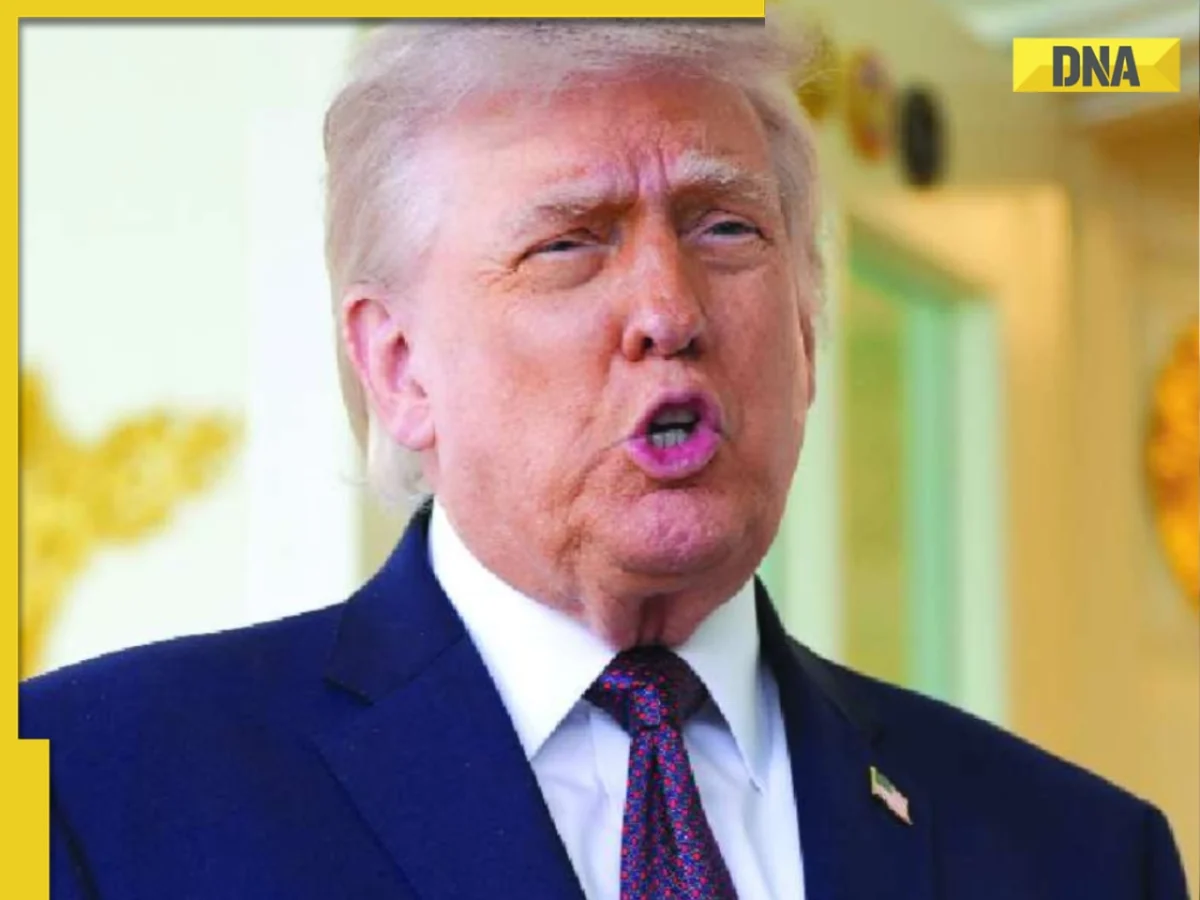
Washington D.C. – May 19, 2026 – In a dramatic turn of events that momentarily eased soaring tensions in West Asia, U.S. President Donald Trump announced on Monday that he had "put off" a planned military strike against Iran. The decision, revealed during a press briefing, came at the direct behest of key regional allies – Saudi Arabia, Qatar, the United Arab Emirates, and other unnamed nations – who expressed strong belief that intensive negotiations were on the cusp of yielding a significant diplomatic resolution to the protracted crisis.
President Trump indicated that the delay, initially for a "few days," could potentially become permanent, signaling a glimmer of hope for a peaceful de-escalation of a standoff that has brought the region to the brink of conflict. "I put it (attack on Iran) off for a little while, hopefully maybe forever, but possibly for a little while because we’ve had very big discussions with Iran and we’ll see what they amount to," Trump stated, emphasizing the gravity of the ongoing dialogues. The appeal from the Gulf states underscores a shared regional anxiety over the potential for a devastating war and a collective yearning for stability.
The revelation follows months of escalating rhetoric, punitive sanctions, and military posturing, all centered around Iran’s advancing nuclear program and its regional activities. While the exact nature of the impending deal remains shrouded in secrecy, the diplomatic reprieve offers a critical window for dialogue, albeit one fraught with historical mistrust and complex geopolitical interests.
Main Facts: A Sudden Halt to Impending Conflict
President Trump’s announcement marks a pivotal moment in the ongoing West Asia crisis. The core facts underscore a precarious balance between military readiness and diplomatic overtures:
)
- Delayed Strike: President Trump confirmed the postponement of a planned military action against Iran, which had reportedly been imminent. This decision injects an unexpected element of diplomacy into a situation previously dominated by threats of force.
- Gulf States’ Intervention: The delay was directly attributed to urgent appeals from Saudi Arabia, Qatar, the United Arab Emirates, and other regional actors. These nations conveyed their conviction that current negotiations were "getting very close to making a deal," prompting the U.S. to pause its military plans.
- "Big Discussions" with Iran: Trump alluded to "very big discussions" underway with Iran, suggesting a significant level of engagement, possibly through back-channels or intermediaries. He expressed cautious optimism about the potential outcome, stating, "It’s a very positive development, but we’ll see whether or not it amounts to anything."
- Dual-Track US Strategy: The announcement highlighted the U.S.’s continued dual-track approach: maintaining robust military pressure, including an ongoing naval blockade, while simultaneously exploring diplomatic pathways.
- Persistent Blockade: Despite the diplomatic pause, the United States Central Command (CENTCOM) affirmed its continued enforcement of a strict blockade against Iranian ports, reporting the redirection of 85 commercial vessels to ensure compliance. This suggests that economic pressure remains a key component of Washington’s strategy.
- Previous Iranian Proposal Rejected: The development follows a period where President Trump had reportedly rejected a prior peace proposal from Iran, delivered via Pakistani mediators, deeming it insufficient and not representing "meaningful progress" towards a deal. This context suggests that the current discussions must involve significantly altered or more substantial concessions from Tehran.
- Nuclear Program at Core: The underlying tension remains Iran’s nuclear program, with President Trump reiterating the U.S. commitment to preventing Iran from acquiring nuclear weapons. His conversation with Chinese President Xi Jinping, where Xi reportedly praised the U.S. military, also underscored the international dimension of this proliferation concern.
The temporary halt to military action provides a crucial, albeit fragile, window for diplomacy, demonstrating the significant influence of regional allies in shaping U.S. foreign policy in such critical moments.
Chronology: A Decade of Escalation and Diplomatic Maneuvers
The current crisis did not emerge in a vacuum but is the culmination of years of deteriorating relations, particularly since the mid-2010s. Understanding the timeline is crucial to appreciating the high stakes involved in the current diplomatic push.
)
Early 2010s – The Joint Comprehensive Plan of Action (JCPOA) Era:
- 2015: The landmark JCPOA is signed between Iran and the P5+1 nations (U.S., UK, France, Germany, Russia, China), aiming to curb Iran’s nuclear program in exchange for sanctions relief. This period represented a peak of international diplomatic engagement with Iran.
Late 2010s – U.S. Withdrawal and "Maximum Pressure":

- 2018: The Trump administration withdraws the U.S. from the JCPOA, arguing it was a "flawed deal" that did not adequately address Iran’s ballistic missile program or regional malign activities.
- 2018-2019: The U.S. reimposes and escalates sanctions on Iran, adopting a "maximum pressure" campaign designed to cripple Iran’s economy and force it back to the negotiating table for a more comprehensive agreement.
- 2019-2020: Tensions escalate sharply with attacks on oil tankers in the Gulf, drone incidents, and strikes on Saudi oil facilities, widely attributed to Iran or its proxies. Iran begins to incrementally breach its JCPOA commitments regarding uranium enrichment levels and centrifuge numbers.
- January 2020: A U.S. drone strike kills Iranian General Qasem Soleimani in Baghdad, leading to Iranian retaliatory missile strikes on U.S. bases in Iraq and further increasing fears of all-out war.
Early 2020s – Stalled Diplomacy and Nuclear Advances:
- 2021-2022: Attempts to revive the JCPOA through indirect talks in Vienna largely falter, with both sides accusing the other of intransigence. Iran continues to advance its nuclear program, enriching uranium to higher levels and installing more advanced centrifuges, significantly reducing its "breakout time" to produce weapons-grade material.
- 2023-2024: The U.S. and its allies express increasing alarm over Iran’s nuclear advancements, with international inspectors reporting reduced oversight. Covert operations and cyberattacks targeting Iranian nuclear facilities are suspected.
- Late 2024 – Early 2025: Regional proxy conflicts intensify, affecting shipping lanes and regional stability. Several attempts at mediated talks through Oman and Qatar yield no significant breakthroughs, as Iran demands full sanctions relief upfront, while the U.S. insists on verifiable nuclear curbs and regional de-escalation.
- March-April 2026: Intelligence reports indicate a heightened state of readiness for a U.S. military response, with discussions within the Pentagon and White House reportedly focusing on specific targets in Iran. The rhetoric from Washington becomes increasingly hawkish, suggesting that diplomatic avenues are narrowing.
- May 2026 (Pre-Announcement): Iran, facing severe economic strain and the looming threat of military action, reportedly submits a "peace proposal" through Pakistani mediators. This proposal, however, is swiftly rejected by the Trump administration as insufficient, indicating a significant gap in expectations. Simultaneously, U.S. CENTCOM intensifies its maritime blockade, signaling a ramp-up of pressure.
- May 19, 2026: The current events unfold, with Gulf states making urgent appeals, leading to President Trump’s announcement of a paused strike and the mention of "very big discussions" with Iran. This suggests that the latest Iranian "counter-proposal," delivered just prior to the announcement, must contain elements that significantly differentiate it from previous offers, at least in the eyes of the mediating Gulf states.
This chronology illustrates a long and arduous path of confrontation and limited engagement, underscoring the delicate nature of the current diplomatic opening and the immense pressure on all parties to find a lasting solution.
)
Supporting Data: The Pillars of Pressure and Persuasion
The decision to pause military action is not merely a political whim but is underpinned by a complex interplay of strategic data, intelligence assessments, and diplomatic calculus.
The Economic Squeeze: CENTCOM’s Blockade
The U.S. Central Command’s ongoing "strict enforcement of the U.S. blockade against Iranian ports" is a crucial piece of supporting data. CENTCOM’s report of "redirecting 85 commercial vessels to ensure full compliance" highlights the scale and impact of this economic warfare.
)
- Mechanism: The blockade likely involves naval patrols, satellite surveillance, and intelligence sharing to identify and intercept vessels attempting to enter or exit Iranian ports with sanctioned goods, particularly oil.
- Impact: This measure aims to choke off Iran’s primary revenue streams from oil exports and disrupt its ability to import essential goods, thereby increasing domestic pressure on the regime and forcing it to reconsider its policies. The redirection of dozens of vessels signifies a severe disruption to Iranian maritime trade, impacting its economy and potentially creating shortages.
- Strategic Rationale: The blockade serves as a tangible demonstration of U.S. resolve and a continuous application of "maximum pressure," intended to make the cost of non-compliance unbearable for Tehran, thus pushing it towards genuine negotiations.
The Gulf States’ Urgent Appeal:
The intervention by Saudi Arabia, Qatar, and the UAE, along with "some other countries," is a significant data point. These nations, directly adjacent to Iran and acutely vulnerable to regional conflict, possess unique intelligence and diplomatic channels.
- Credibility: Their assertion that negotiations are "getting very close to making a deal" carries considerable weight. These states have their own complex relationships with Iran, ranging from direct confrontation (Saudi Arabia) to pragmatic engagement (Qatar, UAE). Their unified appeal suggests a genuine belief in the progress of talks, possibly based on their own direct or indirect involvement.
- Shared Interest: A regional war would be catastrophic for these nations, impacting their economies, security, and social stability. Their intervention underscores a deep-seated desire to avert conflict and find a diplomatic off-ramp, even if it means urging their most powerful ally to hold back.
- Specifics of the Deal (Speculative): While details are scarce, the "deal" likely centers on concrete commitments from Iran regarding its nuclear enrichment levels, the scope of its ballistic missile program, and verifiable reductions in its support for regional proxy groups. In return, Iran would undoubtedly seek significant sanctions relief and security assurances.
Intelligence Assessments and Military Preparedness:
Behind the scenes, the U.S. decision-making would have been informed by:
)
- Iranian Nuclear Program Status: Up-to-the-minute intelligence on Iran’s uranium enrichment levels, centrifuge deployment, and any activities related to weaponization. The threat of Iran achieving nuclear "breakout" capability remains the primary driver of U.S. concern.
- Iranian Capabilities and Intent: Assessments of Iran’s defensive capabilities, its potential for retaliation, and the intentions of its leadership.
- U.S. Military Readiness: Detailed plans for a strike, including target selection, asset deployment, and assessment of potential risks and collateral damage. The pause suggests that while military options were ready, the diplomatic window was deemed sufficiently promising to warrant a delay.
The Role of Mediators:
The mention of Pakistan facilitating Iran’s latest counter-proposal indicates the crucial role of third-party mediators.
- Pakistani Involvement: Pakistan, a Muslim-majority nation with historical ties to Iran and a strategic relationship with the U.S., has often played a diplomatic role in regional conflicts. Its involvement suggests a trusted channel for sensitive communications between Washington and Tehran.
- Other Potential Mediators: Other nations like Oman, Switzerland (representing U.S. interests in Iran), or even European powers might also be facilitating these "big discussions," providing secure platforms for indirect negotiations.
The combination of sustained economic pressure, credible diplomatic signals from regional allies, and an intelligence-backed understanding of the evolving situation provided the "supporting data" that led President Trump to pause an action that could have plunged West Asia into a wider conflict.
)
Official Responses: Nuance, Frustration, and Hope
The various official responses captured in the original report paint a complex picture of the diplomatic landscape, revealing both cautious optimism and underlying frustrations.
President Trump’s Calculated Ambiguity:
Trump’s statements were carefully calibrated, a characteristic blend of assertive posturing and unexpected openness to dialogue.
)
- "Put it off for a little while, hopefully maybe forever": This phrase encapsulates the administration’s dual approach. It signals a willingness to pursue a diplomatic solution if genuinely attainable, while simultaneously reserving the option of military force. The "hopefully maybe forever" hints at a desire for a comprehensive, lasting deal that obviates the need for military intervention.
- "Very big discussions with Iran": This is a significant revelation, confirming direct or indirect high-level engagement. The emphasis on "big" suggests that these are not merely preliminary talks but substantive negotiations addressing core issues.
- Acknowledgement of Gulf Appeals: By explicitly stating that Saudi Arabia, Qatar, and the UAE requested the delay, Trump not only provided a justification for his decision but also highlighted the unity of purpose among key regional allies in de-escalating the crisis. This also lends credibility to the perceived progress in negotiations.
- "If we can do that without bombing the hell out of them, I will be very happy": This candid remark underscores the human and geopolitical costs of military action, suggesting a genuine preference for a peaceful resolution, provided U.S. strategic objectives are met.
- Xi Jinping Conversation: Trump’s anecdote about President Xi Jinping’s complimentary remarks on the U.S. military serves multiple purposes: it reinforces the perception of U.S. strength (a key tenet of Trump’s foreign policy), indirectly warns Iran, and perhaps subtly positions China as an understanding, if not directly supportive, party in U.S. efforts to contain Iran.
CENTCOM’s Unwavering Resolve:
In stark contrast to the diplomatic pause, CENTCOM’s statement about continuing "to strictly enforce the U.S. blockade against Iranian ports" sends a clear message: the pressure campaign remains fully operational.
- Continuity of Pressure: This response ensures that the economic leverage the U.S. has built up is not diminished by the diplomatic opening. It signals to Iran that while a military strike is on hold, the economic squeeze will persist until a satisfactory deal is reached.
- Operational Autonomy: It also demonstrates the operational independence of the military command, which continues its mission regardless of ongoing political discussions, reinforcing the "maximum pressure" component of the strategy.
U.S. Officials’ Frustration with Tehran:
The Axios report, citing a senior U.S. official, reveals a deeper layer of frustration within the administration regarding Iran’s previous negotiating stance.
)
- "Falls short of expectations" and "does not represent any meaningful progress": This assessment of Iran’s earlier peace proposal indicates that the U.S. demands are significant and that previous Iranian offers were perceived as cosmetic or insufficient to address core U.S. concerns, particularly around the nuclear program and regional destabilization.
- "Increasingly frustrated by Tehran’s refusal to accept what Washington considers essential concessions": This highlights the fundamental gap between the two sides. The "essential concessions" likely refer to verifiable limits on uranium enrichment, restrictions on advanced centrifuges, addressing ballistic missile capabilities, and reining in proxy groups. This frustration underscores the high bar Iran must meet for any deal to be acceptable to Washington.
Iran’s Position (Inferred):
While direct quotes from Iranian officials are absent in the initial report, their actions speak volumes:
- Submission of Counter-Proposals: The fact that Iran has submitted a peace proposal, and then a revised "counter-proposal," suggests a willingness to engage, even under immense pressure. This indicates that despite its defiant rhetoric, Tehran is not entirely averse to diplomacy, especially as economic conditions worsen and the threat of military action looms.
- "Limited Changes" in Latest Offer: This phrase is critical. It could mean Iran is testing the waters with minimal adjustments, hoping for a reciprocal gesture, or that even small changes represent significant internal political maneuvering within Iran, where hardliners and pragmatists vie for influence. The limited nature of changes also implies that the current negotiations are likely incremental and painstaking.
Collectively, these official responses portray a highly dynamic and sensitive diplomatic environment where the threat of force is balanced by persistent, albeit frustrated, efforts to find a peaceful resolution. The coming days will reveal whether the "big discussions" can bridge the substantial chasm between U.S. demands and Iranian concessions.
)
Implications: A Regional and Global Ripple Effect
The decision to pause a military strike against Iran, driven by diplomatic appeals, carries profound implications across multiple geopolitical and economic spheres. This moment of reprieve, however fragile, reshapes the immediate future of West Asia and reverberates globally.
1. Regional Stability and De-escalation:
)
- Immediate Relief: The most immediate implication is a temporary de-escalation of tensions in a region perpetually on edge. The threat of a direct U.S.-Iran conflict, which could ignite a broader regional war involving proxy forces and allies, has receded for now. This offers a sigh of relief for populations and markets.
- Gulf Security: For Saudi Arabia, Qatar, and the UAE, the pause is a crucial win. A war would devastate their economies, disrupt vital shipping lanes, and potentially draw them into direct conflict. Their intervention underscores a strong regional desire for stability, even if it means engaging with a long-standing rival.
- Proxy Dynamics: The pause might also lead to a temporary reduction in proxy activities across the region, as both Iran and the U.S. (and their respective allies) might exercise restraint during sensitive negotiations. However, failure of talks could see an immediate re-escalation.
2. Global Oil Markets and Economy:
- Price Volatility: The initial news likely brought down oil prices from their previous highs, reflecting reduced geopolitical risk. However, uncertainty will persist. Any hint of negotiations failing could send prices soaring again, impacting global inflation and economic growth.
- Shipping Security: The blockade on Iranian ports and the general threat of conflict have impacted shipping insurance premiums and routes in the Strait of Hormuz, a critical chokepoint for global oil trade. A successful diplomatic outcome could restore confidence in maritime security.
3. Nuclear Proliferation Concerns:
)
- Core Objective: The primary U.S. objective remains preventing Iran from acquiring nuclear weapons. The ongoing discussions are fundamentally aimed at securing verifiable and robust limitations on Iran’s nuclear program.
- Credibility of Non-Proliferation Regime: The outcome of these talks will significantly impact the global non-proliferation regime. A successful deal would demonstrate that even under extreme pressure, diplomacy can prevent proliferation. Failure, however, could encourage other states to pursue nuclear capabilities.
- Inspection Regimes: Any deal would likely require enhanced international inspections and monitoring by the IAEA, crucial for building trust and ensuring compliance.
4. U.S. Foreign Policy and Diplomatic Leverage:
- "Peace Through Strength": President Trump’s approach, combining immense military pressure with a willingness to negotiate, aligns with his "peace through strength" doctrine. The pause demonstrates that this strategy can, at times, open diplomatic windows.
- Role of Allies: The intervention of Gulf states highlights their growing diplomatic influence and the U.S.’s reliance on regional partners to navigate complex crises. It suggests a more multilateral approach to regional security, even within a largely unilateral U.S. framework.
- Future Engagements: If this diplomatic effort succeeds, it could set a precedent for future engagements with adversaries, demonstrating the potential for indirect talks and the value of regional mediation. If it fails, it might strengthen the hand of those advocating for purely military solutions.
5. Iran’s Internal Dynamics and International Standing:
)
- Domestic Pressure: The ongoing blockade and economic hardship exert immense pressure on the Iranian leadership. A diplomatic opening, even a temporary one, could provide political breathing room for moderate factions seeking a resolution.
- Legitimacy and Sanctions Relief: A successful deal would offer Iran a pathway to sanctions relief and potentially improved international standing, which is crucial for its long-term economic stability.
- Hardliner Resistance: However, any significant concessions from Iran would likely face strong opposition from hardline elements within the regime, complicating the negotiating process and the implementation of any agreement.
6. The Role of Global Powers:
- China’s Influence: President Xi Jinping’s reportedly complimentary remarks about the U.S. military, while seemingly minor, underscore China’s awareness of the stakes and its interest in regional stability, particularly for energy security. China could play a more active, albeit discreet, role in encouraging a diplomatic solution.
- European Position: European powers, traditionally advocates for the JCPOA and diplomatic solutions, would likely welcome this pause, seeing it as validation of their long-held stance against military confrontation. They may intensify their own diplomatic efforts to support the ongoing talks.
The coming days and weeks will be critical. The "very big discussions" with Iran represent a high-stakes gamble. Success could redefine West Asian security for years to come, demonstrating the power of diplomacy even at the eleventh hour. Failure, however, would likely plunge the region back into an even more dangerous precipice, with the threat of military conflict looming larger than ever before.
