

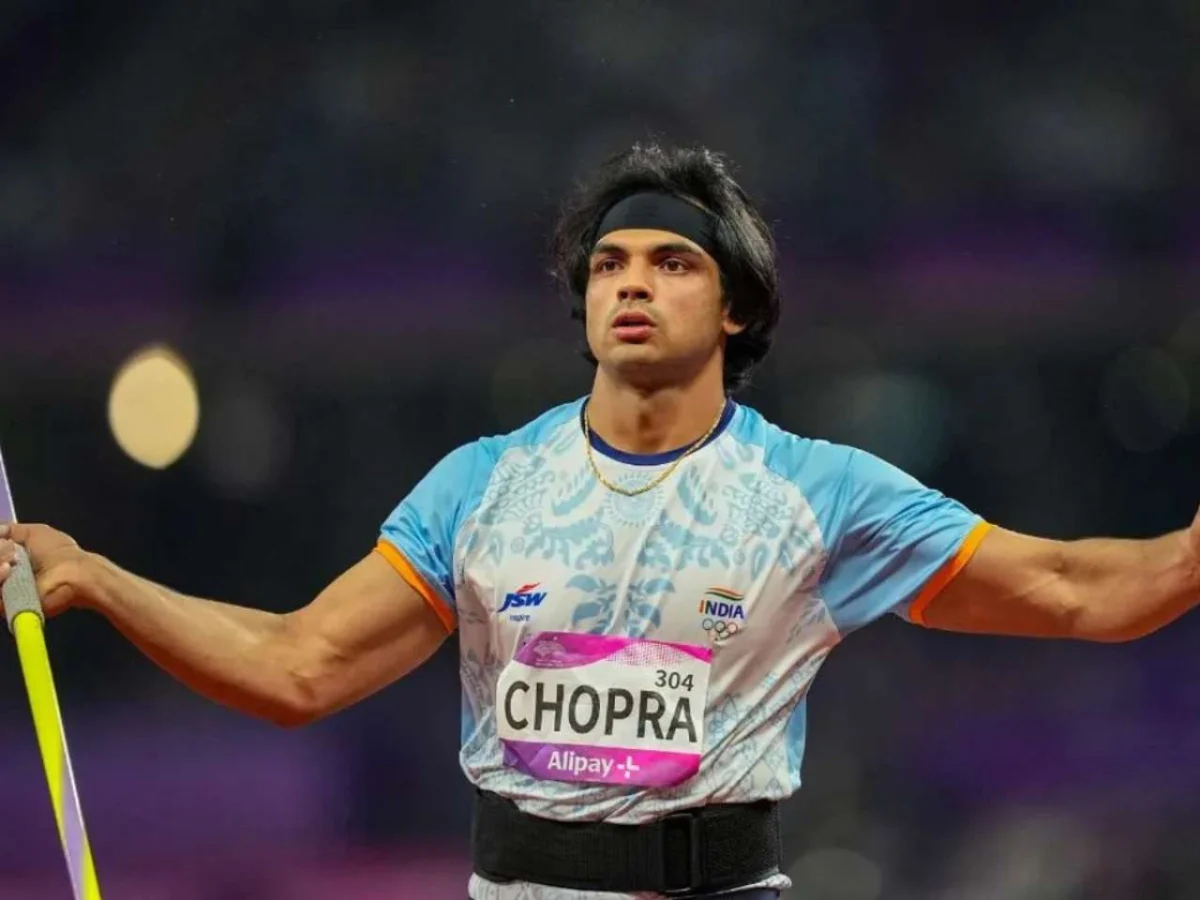
NEW DELHI, India — In a candid and illuminating series of revelations, India’s javelin sensation and Olympic gold medallist, Neeraj Chopra, has pulled back the curtain on a challenging period of his illustrious career. Ahead of his highly anticipated competitive return at the Doha Diamond League, Chopra disclosed that a nagging injury severely hampered his performance at the Tokyo World Championships in September 2025, leading to a disappointing eighth-place finish. Further, he offered fresh and comprehensive insights into his decision to part ways with his esteemed coach, the legendary Jan Zelezny, marking a pivotal shift in his training regimen.
These disclosures, coming from one of the most celebrated athletes in Indian sports history, not only shed light on the immense pressures and physical tolls of elite competition but also underscore Chopra’s strategic foresight and evolving approach to his craft. His journey, characterized by relentless pursuit of excellence, now includes a renewed focus on holistic well-being and a personalized coaching philosophy as he eyes future global accolades.
The Main Facts: A Champion’s Candid Confession
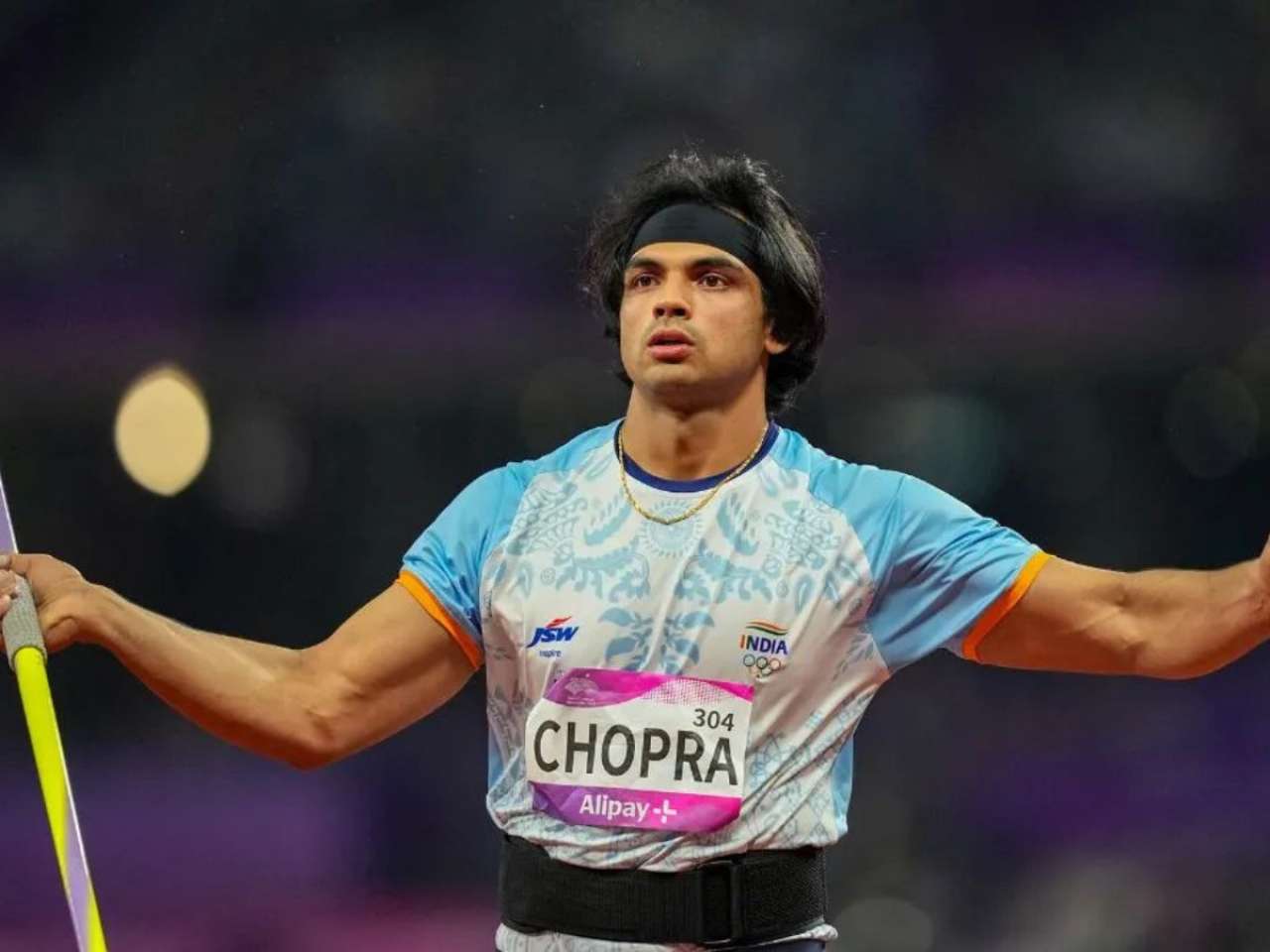
Neeraj Chopra, the flagbearer of Indian athletics, has bravely shared the undisclosed struggles that underscored his performance at the Tokyo World Championships in September 2025. His eighth-place finish, with a top throw of 84.03 meters, which at the time left fans and pundits questioning his form, has now been revealed to be a direct consequence of a lower back injury he had been managing. Chopra himself acknowledged that competing under such circumstances was "not a wise choice," necessitating a prolonged recovery period that delayed his return to the 2026 competitive season. This injury, he explained, had a cascading effect, leading to compensatory issues in his ankle and shoulder, highlighting the intricate interconnectedness of an athlete’s physique.
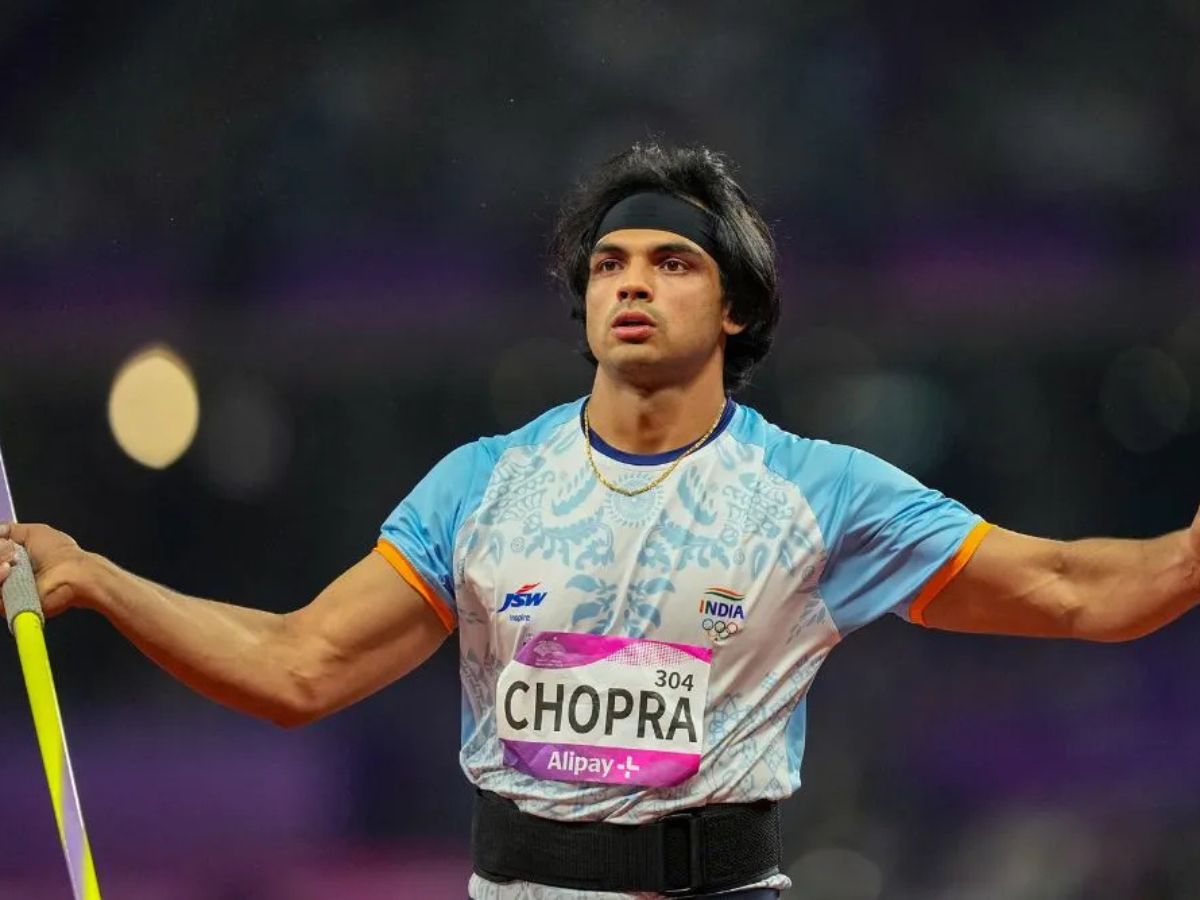
Concurrently, Chopra addressed another significant development: the conclusion of his year-long coaching partnership with Jan Zelezny in January 2026. While expressing profound gratitude for Zelezny’s mentorship, particularly for helping him breach the coveted 90-meter mark, Chopra cited practical constraints and a desire to align his training with his "own ideas" and an Indian coach as the primary drivers behind the split. He has since transitioned to training under Jaiveer Chaudhary, a long-time mentor who played a senior role in Chopra’s formative years in the sport, with a renewed emphasis on refining his natural technique.
)
These twin revelations — the hidden injury and the strategic coaching change — arrive just as Chopra prepares to make his competitive comeback at the Doha Diamond League 2026. The event marks not only his return to the global stage but also the unveiling of a potentially new chapter in his decorated career, one defined by greater autonomy, strategic injury management, and a sharpened focus on technical consistency.
A Chronology of Challenges and Calculated Moves
Neeraj Chopra’s career has been a testament to perseverance and exceptional talent, culminating in historic achievements. However, the path of an elite athlete is rarely linear, and recent events have brought to the fore the unseen battles that even champions face.

The Ascent and the 90-Metre Milestone (May 2025)
Before the challenges of late 2025, Neeraj Chopra was riding a wave of unprecedented success. Having secured India’s first-ever Olympic gold in athletics at the Tokyo 2020 Games (held in 2021), he cemented his status as a global icon. His journey continued with determination, and May 2025 marked another significant milestone. At the Doha Diamond League, under the tutelage of Jan Zelezny, Chopra unleashed a monumental throw of 90.23 meters. This was not just a personal best; it was a historic moment for Indian athletics, as he became the first Indian to breach the coveted 90-meter barrier, a benchmark that separates the good from the truly elite in javelin throwing.
The "90m club" is an exclusive fraternity in javelin, comprising athletes who possess a rare combination of explosive power, precision, and flawless technique. Breaking into this club was a testament to Chopra’s dedication and the effective collaboration with Zelezny, a three-time Olympic champion and world record holder himself. However, even in this moment of triumph, Chopra’s relentless pursuit of perfection was evident. Reflecting on that throw, he remarked, "Technically, that throw was not that good. It was really fast from the arm, but if I had used my lower body better, it could have gone two or three meters farther. I haven’t watched that video too many times." This self-critique offered an early glimpse into his meticulous approach and his deep understanding of the biomechanics of his sport, hinting at an athlete constantly striving for an idealized form.
)
The Hidden Agony at the Tokyo World Championships (September 2025)
Following the exhilarating performance in Doha, expectations for Neeraj Chopra at the Tokyo World Championships in September 2025 were understandably sky-high. As an Olympic champion and a newly minted 90-meter thrower, he was among the favourites for a medal, possibly even gold. However, the competition unfolded differently. Chopra finished in a disappointing eighth place with a top throw of 84.03 meters, a significant drop from his earlier season best. The performance left many puzzled, as there was no public indication of any underlying issues. Media reports and fan discussions often centered on form, pressure, or minor technical glitches.
The truth, as Chopra now reveals, was far more serious. He entered the competition battling a lower back injury that had been present prior to the event. His candid admission, "I had some injury before the Tokyo World Championships. We worked a lot and still decided to compete there, but I don’t think that was a good decision because I already knew I had a problem. But it was the last competition of 2025, so I decided to compete," paints a picture of a champion grappling with the difficult choice between competing and prioritizing health. The decision, driven by the desire to conclude the 2025 season, proved costly, necessitating a prolonged recovery.
)
The ramifications of competing with an injury often extend beyond the initial pain point. As Chopra explained, "In an athlete’s life, if there is one injury, you try to protect that area and then something else starts hurting. I had issues with my ankle, then somewhere in my shoulder. So I sat down with my team and physio, and we worked on every aspect." This highlights the complex interplay of the human body in high-performance sports, where compensation for one injury can lead to new problems, delaying an athlete’s return to full fitness. The period immediately following the Tokyo World Championships was thus dedicated to intensive rehabilitation and strategic rest, delaying his entry into the 2026 season.
A Strategic Parting of Ways: The Zelezny Chapter Concludes (January 2026)
Amidst his recovery, another significant decision was made: the amicable conclusion of his year-long coaching collaboration with Jan Zelezny in January 2026. This partnership had been instrumental, guiding Chopra to new heights, most notably the 90-meter mark. Chopra’s respect for Zelezny is unwavering, as he stated, "Zelezny was a great athlete and a really good coach. We worked on a few specific things, and I’m happy that I broke the 90m mark under him."
)
However, the practicalities of elite training often dictate difficult choices. Chopra elaborated on the primary reason for the split: "But I had to stay in one place to continue working with him, and that wasn’t possible for me." The demands of international travel, training camps, and personal commitments often clash with the need for a stable, long-term training base, especially for an athlete of Chopra’s stature. Beyond logistical challenges, the decision also reflected a deeper desire for autonomy and a tailored approach to his training. "After the Tokyo World Championships, we felt it was time for me to work with my own ideas and an Indian coach," he revealed, signaling a maturation in his career where he seeks greater control over his training philosophy and execution.
This strategic shift led Chopra back to a familiar face: Jaiveer Chaudhary. Chaudhary has been a long-time mentor, a senior figure during Chopra’s initial journey in the sport, and now takes on the formal coaching role. The new emphasis in training, Chopra disclosed, is on "honing his natural technique and refining it," suggesting a focus on intrinsic biomechanics and a less prescriptive, more individualized approach.
)
The Road to Redemption: Doha Diamond League 2026 Comeback
With his injury now fully recovered and a new coaching structure in place, Neeraj Chopra is poised for his competitive return at the Doha Diamond League 2026. His assurance of being "completely fit for his return" injects a renewed sense of optimism among his vast fan base. The Doha event holds particular significance, being the site of his historic 90.23m throw just a year prior.
This comeback is not merely about performance; it is about regaining rhythm, testing the efficacy of his new training regimen, and reaffirming his status as a dominant force in world javelin. The period of forced hiatus, while challenging, has provided an opportunity for introspection, strategic planning, and a physical reset, potentially paving the way for even greater achievements in the seasons to come.
)
Supporting Data and Context: The Anatomy of a Javelin Champion
To fully appreciate Neeraj Chopra’s journey and his recent revelations, it is crucial to understand the intricate demands of javelin throwing and the broader landscape of elite athletics.
The Physical Demands and Injury Management in Elite Javelin
Javelin throwing is an explosive, full-body event that places immense stress on multiple joints and muscle groups. The sequence of movements – the run-up, crossover steps, withdrawal, delivery, and recovery – requires a harmonious blend of speed, strength, flexibility, and coordination. Common injury sites for javelin throwers include the shoulder (rotator cuff tears, impingement), elbow (medial epicondylitis or ‘thrower’s elbow’), and critically, the lower back. The rotational forces and extreme hyperextension of the spine during the delivery phase can put significant strain on the lumbar region, making lower back injuries a persistent concern for many throwers.
)
Chopra’s experience of a lower back injury leading to compensatory issues in his ankle and shoulder is a classic example of this biomechanical chain reaction. When one part of the body is compromised, other parts often overcompensate, leading to new stresses and potential injuries. This underscores the critical importance of a robust support team, including physiotherapists, strength and conditioning coaches, and medical professionals, to monitor an athlete’s body meticulously. Strategic rest, precise rehabilitation protocols, and a gradual return to training are paramount for long-term athletic health, and Chopra’s decision to prioritize recovery, despite the allure of competition, demonstrates a mature understanding of athlete welfare.
The Quest for Technical Perfection vs. Aggression
Chopra’s self-analysis regarding his throws — preferring the technical soundness of his qualification rounds over the often "too aggressive" approach in finals — offers a fascinating glimpse into the mental and technical challenges of elite competition. In qualification rounds, where the immediate pressure is slightly lower, athletes often feel more relaxed, allowing their technique to flow naturally. This can result in throws that are biomechanically more efficient and, paradoxically, travel farther.
)
In contrast, the heightened stakes of a final or major competition can sometimes lead to an over-application of force, or "over-aggression," which can disrupt technique. Instead of a smooth, coordinated transfer of energy, an athlete might try to muscle the throw, leading to suboptimal body positioning, timing errors, and ultimately, a less efficient release. Chopra’s awareness of this tendency indicates a deep level of self-reflection and a commitment to mastering not just the physical act of throwing, but also the psychological state required for optimal performance under pressure. His new focus on "honing his natural technique" under Jaiveer Chaudhary likely aims to bridge this gap, ensuring that his innate form can withstand the pressures of the biggest stages.
Coaching Philosophies and Athlete Autonomy
The partnership between an elite athlete and their coach is a complex dynamic. Jan Zelezny, as a javelin legend, brought unparalleled experience and a proven methodology to Chopra’s training. His guidance was instrumental in pushing Chopra past the 90-meter mark, a testament to the effectiveness of their collaboration on "specific things."
)
However, as athletes mature and develop their own understanding of their body and sport, a desire for greater autonomy often emerges. Chopra’s decision to seek an "Indian coach" and to "work with my own ideas" signifies a shift towards a more personalized and perhaps culturally aligned training environment. While international coaches bring global best practices, a domestic coach, especially one with a long-standing relationship like Jaiveer Chaudhary, can offer a unique understanding of the athlete’s background, nuances of their physical and mental makeup, and logistical flexibility. This evolution in coaching choice reflects a growing trend in elite sports where athletes, once established, seek training environments that best suit their individual needs and long-term aspirations, rather than a one-size-fits-all approach.
The Landscape of International Javelin
Neeraj Chopra operates in a fiercely competitive global arena. His primary rivals include formidable athletes such as Grenada’s Anderson Peters, the Czech Republic’s Jakub Vadlejch, and Germany’s Julian Weber, among others. These athletes consistently push the boundaries of the sport, making every major championship a high-stakes battle. Peters, a two-time world champion, is known for his explosive power, while Vadlejch, an Olympic silver medalist, is celebrated for his consistency.
)
Chopra’s return to competition means re-entering this demanding environment. His ability to perform at his peak, especially after an injury and a coaching change, will be closely watched by his competitors. The competitive pressure acts as a constant motivator, driving athletes to continually refine their technique, strengthen their bodies, and sharpen their mental focus, ensuring that the pursuit of excellence remains unending.
Official Responses: Neeraj Chopra in His Own Words
Neeraj Chopra’s direct quotes from the media interaction before the Doha Diamond League 2026 offer an invaluable window into his mindset, revealing not just the facts but also the emotional and strategic underpinnings of his recent decisions.
)
On his injury and the Tokyo World Championships performance: "I had some injury before the Tokyo World Championships. We worked a lot and still decided to compete there, but I don’t think that was a good decision because I already knew I had a problem. But it was the last competition of 2025, so I decided to compete." This statement is laden with regret and a clear admission of a misjudgment. It underscores the immense pressure athletes face to perform, even when their bodies are compromised. The "last competition" aspect reveals a human desire to finish a season, perhaps overlooking the long-term consequences. This candidness from a champion is rare and speaks volumes about his commitment to transparency and self-awareness.
He further elaborated on the cascading effect of injuries: "In an athlete’s life, if there is one injury, you try to protect that area and then something else starts hurting. I had issues with my ankle, then somewhere in my shoulder. So I sat down with my team and physio, and we worked on every aspect." This detailed explanation highlights the sophisticated approach to injury management required at the elite level. It shows that his recovery was not just about healing the back but addressing the full kinetic chain, emphasizing the holistic nature of his physical preparation. The involvement of his "team and physio" signifies a structured, professional approach to regaining full fitness.
)
Regarding his historic 90.23m throw in May 2025: "Technically, that throw was not that good. It was really fast from the arm, but if I had used my lower body better, it could have gone two or three meters farther. I haven’t watched that video too many times." This quote exemplifies Chopra’s unwavering pursuit of perfection. Even after achieving a groundbreaking milestone, his focus remains on technical refinement and maximizing potential. His reluctance to rewatch the video suggests a dissatisfaction with the execution, preferring to focus on future, more perfect throws rather than resting on past laurels. This internal drive is a hallmark of truly great athletes.
His insights into performance under pressure are equally telling: "I actually like my qualification-round throws at the Olympics or World Championships more because they’re technically better. I feel relaxed and throw farther. But in finals or major competitions, I often become too aggressive and end up forgetting my technique." This powerful statement reveals an ongoing struggle that many elite athletes face: balancing controlled aggression with technical precision. It illustrates the psychological component of competition and his self-awareness of how heightened stakes can impact his execution. This introspection is crucial for developing strategies to maintain composure and technique when it matters most.
)
On his decision to separate from coach Jan Zelezny: "Zelezny was a great athlete and a really good coach. We worked on a few specific things, and I’m happy that I broke the 90m mark under him. But I had to stay in one place to continue working with him, and that wasn’t possible for me. After the Tokyo World Championships, we felt it was time for me to work with my own ideas and an Indian coach." This explanation is both appreciative and pragmatic. Chopra acknowledges Zelezny’s significant contribution while clearly articulating the logistical and philosophical reasons for the change. The phrase "work with my own ideas" suggests a desire for greater autonomy and a tailored approach that aligns with his evolving understanding of his body and his sport. The emphasis on an "Indian coach" might also imply a comfort level and cultural understanding that a long-term foreign coach, despite their expertise, might not fully provide.
Finally, his assurance of readiness for his comeback: Chopra assured that he is now completely fit for his return, hoping that the injury hiatus will not disrupt his rhythm. This statement provides a crucial update for fans and competitors alike, signaling that he is physically and mentally prepared to resume his quest for excellence. It sets the stage for his performance in Doha and the rest of the 2026 season.
)
Implications and the Road Ahead
Neeraj Chopra’s recent disclosures carry significant implications, not only for his individual trajectory but also for the broader landscape of Indian athletics and the sport of javelin. These strategic decisions mark a pivotal moment in his career, shaping his path towards future global challenges.
Reshaping the Path to Paris 2028 and Beyond
The decision to prioritize recovery over immediate competition, and the strategic change in coaching, are calculated moves designed for long-term sustainability and peak performance. By addressing the injury
