

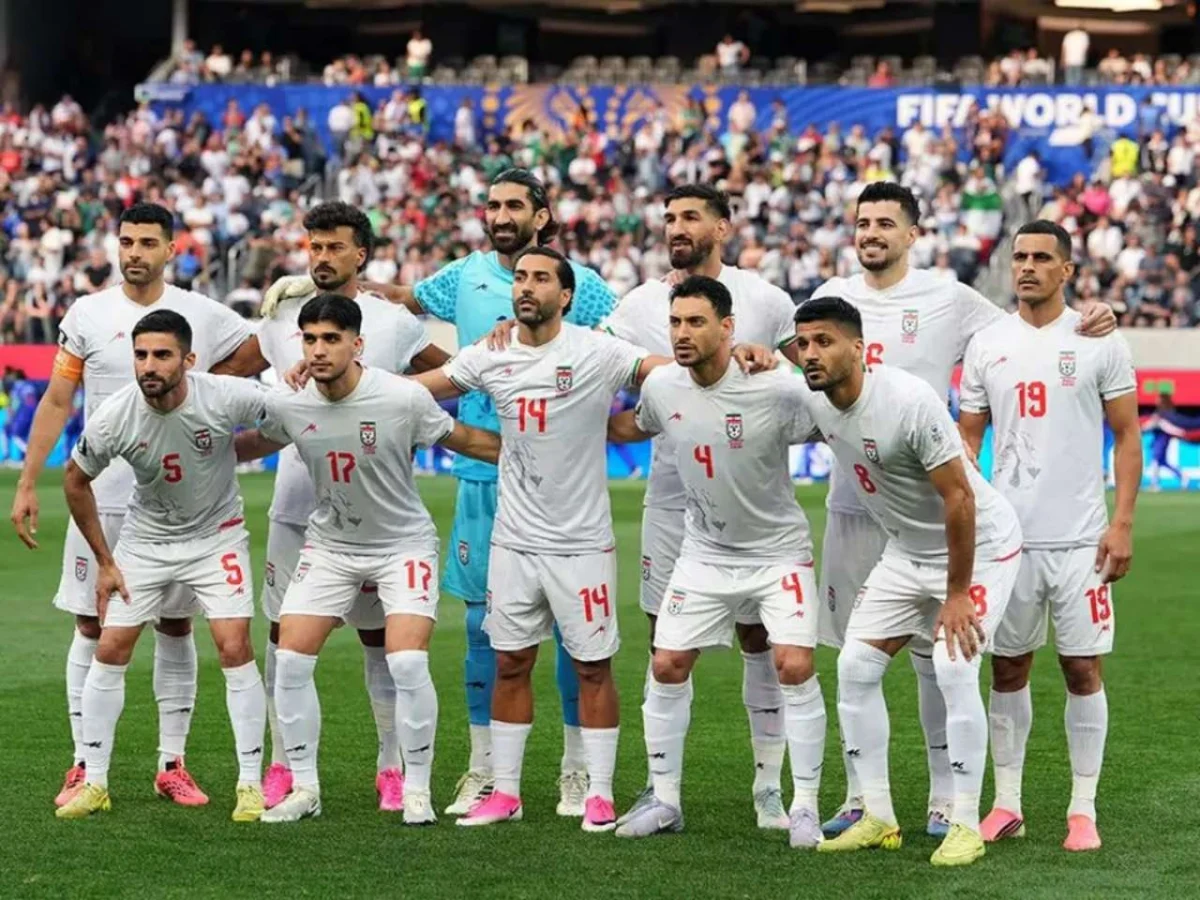
North America, June 19, 2026 – The Iranian national football team has officially escalated its grievances to the highest echelons of global football, lodging a formal complaint with FIFA regarding what it describes as "unacceptable travel and logistical restrictions" imposed during the FIFA World Cup 2026. The Iranian Football Federation asserts that these measures have created an uneven playing field, significantly disrupting the team’s preparations and potentially jeopardizing their performance in crucial upcoming matches.
The complaint, announced by a spokesman for the Iranian football federation on Thursday, June 18, 2026, details specific instances where the team’s pre-approved schedule and fundamental operational requests were allegedly denied by the tournament organizers, particularly concerning their movements within the co-host nation, the United States. This development casts a shadow over the tournament’s commitment to fair play and equal treatment for all participating nations, especially given the complex geopolitical backdrop that often intersects with international sporting events.
Main Facts
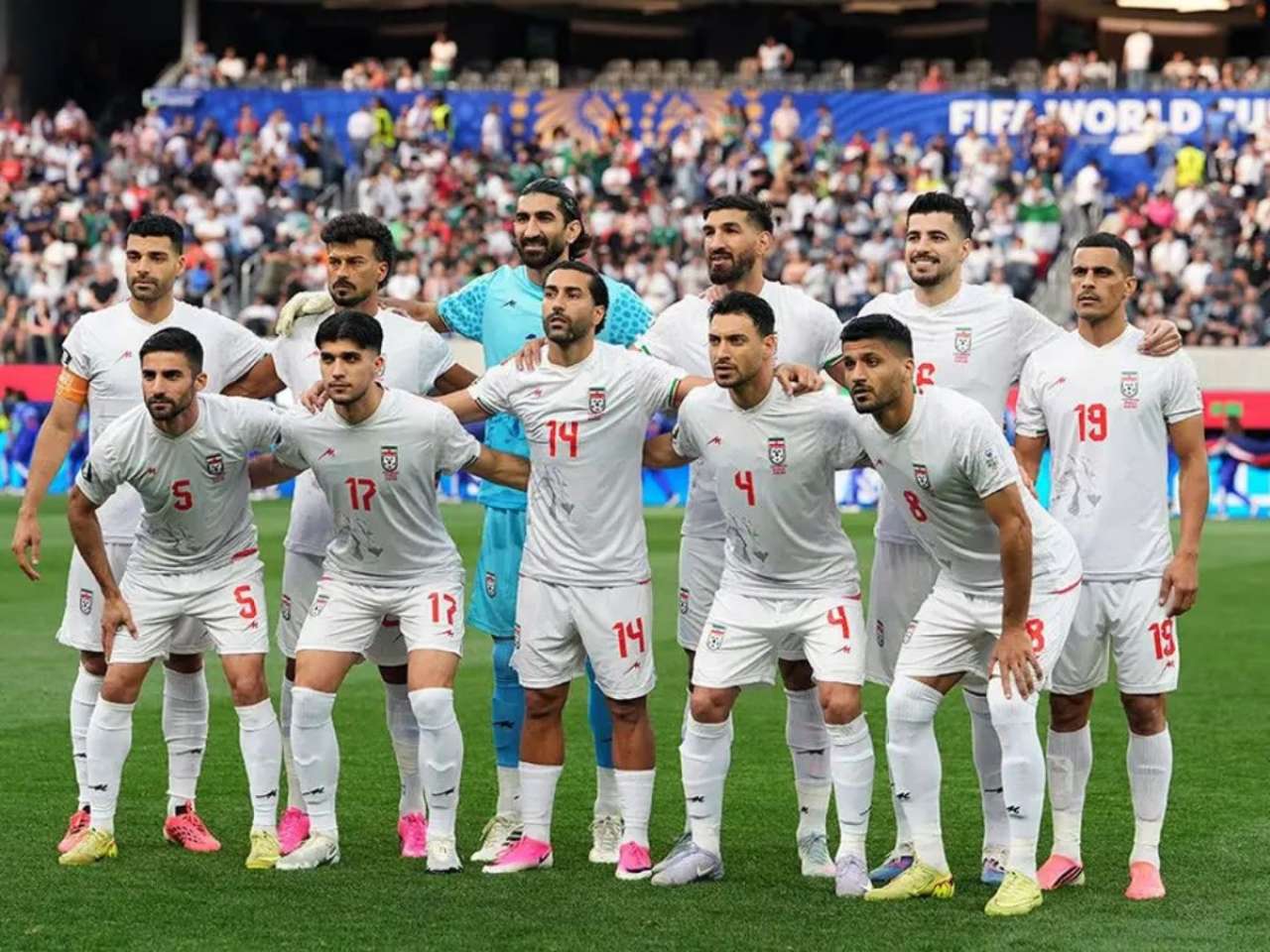
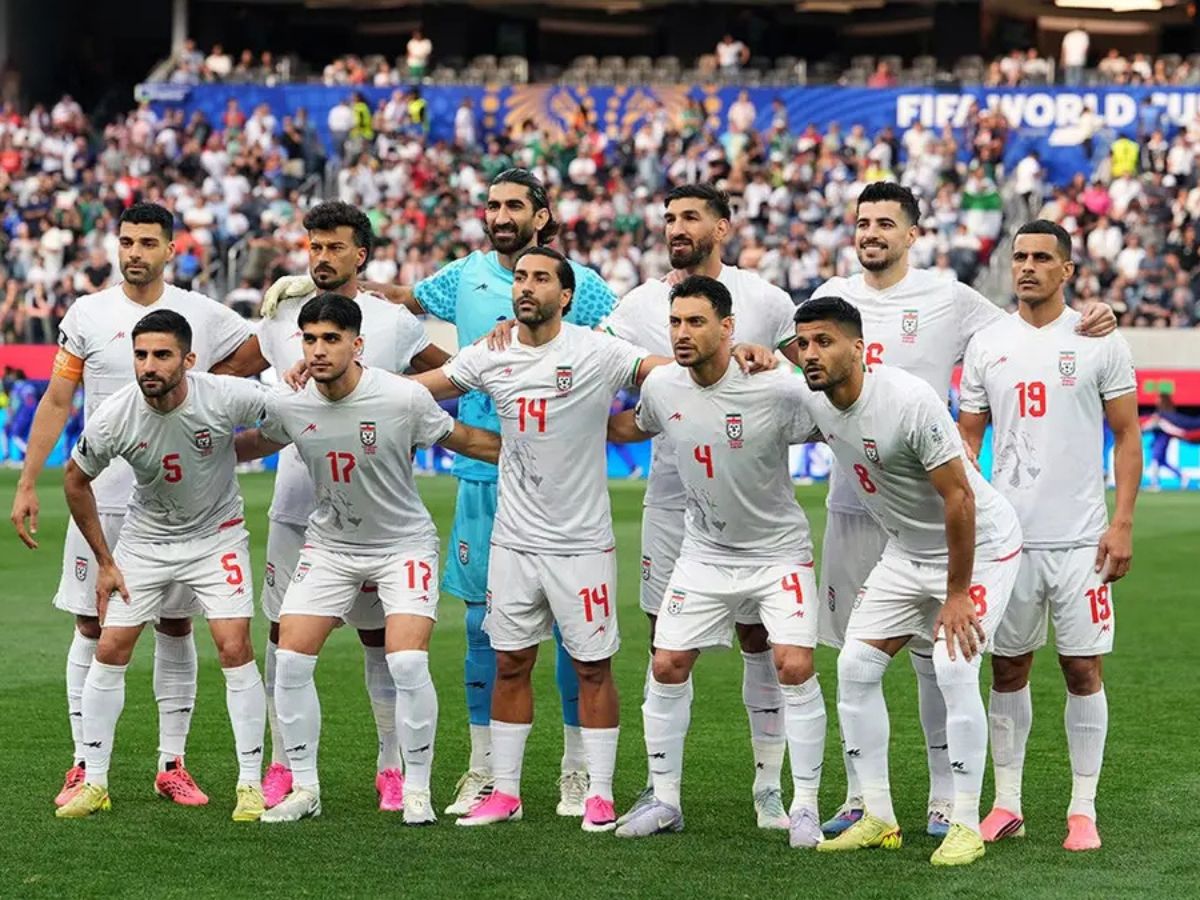
Iran’s national football team, currently competing in Group G of the FIFA World Cup 2026 across North America, has initiated an official complaint to FIFA. The core of their grievance revolves around stringent travel and logistical restrictions that the federation claims are undermining the team’s ability to prepare adequately and perform optimally. These alleged restrictions, specifically concerning movements between their training base in Mexico and match venues in the United States, are argued to create an inherently unequal competitive environment compared to other participating nations.
A key point of contention is the denial of a request for the team to travel from their training base in Tijuana, Mexico, to Los Angeles, California, two days prior to their pivotal match against Belgium, scheduled for Sunday, June 21, 2026. The federation emphasized that this advance travel was crucial for player acclimatization, final training sessions, and comprehensive preparation, all of which are standard practices for professional football teams. Despite presenting "technical reasons" for the request, it was reportedly rejected by the organizers.
)
Adding to the controversy, the Iranian delegation was reportedly compelled to depart the United States mere hours after the conclusion of their opening World Cup match on Monday, June 15, where they secured a 2-2 draw against New Zealand. This swift exit from Los Angeles, around 8:00 p.m. local time (03:00 GMT), saw the team immediately return to their base camp in Mexico, denying them a crucial day for rest and recuperation at their hotel. This incident, combined with broader criticisms regarding the handling of the Iranian team’s visas and their stay in the US, prompted US officials to announce that the team must exit the country shortly after the conclusion of their group games in Los Angeles and Seattle.
The federation’s spokesman explicitly stated that "Despite having submitted its preparation schedule for the tournament well in advance, Iran’s national football team has once again encountered restrictions imposed by the organisers, affecting the implementation of its technical staff’s plans." This sentiment underscores a deeper concern that the team’s strategic and physical readiness is being systematically undermined, potentially impacting their chances of progression in the tournament.

Chronology of Events
The current dispute is the culmination of several incidents and long-standing geopolitical tensions, providing a critical timeline for understanding the Iranian federation’s formal complaint.
Months Leading Up to the Tournament: The Iranian national team’s participation in the FIFA World Cup 2026 had been shrouded in uncertainty for months. This apprehension stemmed largely from the persistent geopolitical friction between Iran and the United States, a co-host nation of the tournament. Observers noted that the "ongoing US-Israel conflict with Iran" had created an environment where sports could easily become entangled in international politics, raising concerns about visa processing and logistical arrangements for the Iranian contingent. Despite these underlying tensions, Iran managed to secure its place in the tournament, submitting its comprehensive preparation schedule to the organizers well in advance, as is customary for all participating nations. The team established its primary training base in Tijuana, Mexico, strategically located for access to US match venues while maintaining a presence outside the immediate US jurisdiction.
)
Monday, June 15, 2026: Opening Match and Immediate Departure: Iran commenced its World Cup campaign with a challenging encounter against New Zealand. The match, held in a "politically charged atmosphere" in the United States, concluded in a 2-2 draw, a result that, while not a win, demonstrated the team’s resilience on the pitch. However, the post-match events quickly became a point of contention. The Iranian delegation was reportedly instructed to depart the US within hours of the game’s conclusion. Around 8:00 p.m. local time in Los Angeles (03:00 GMT), the team was back on a flight to their training base in Mexico. This immediate exit meant the players were denied the standard practice of recuperating at their hotel for a day, a crucial period for physical recovery and mental preparation after an intense international match. This swift departure ignited initial criticism regarding the US’s handling of the team’s visas and their post-match stay.
Tuesday, June 16, 2026: US Officials’ Announcement: In the wake of the criticism surrounding Iran’s immediate post-match exit, US officials issued a statement. They announced that the Iranian team would be required to exit the country "shortly after the conclusion of their group games in Los Angeles and Seattle." While framed as a response to the earlier criticism, this announcement solidified the perception that Iran was operating under unique and restrictive conditions compared to other teams, whose movements and duration of stay within host nations typically allow for more flexibility.
)
Thursday, June 18, 2026: FIFA Complaint Filed: The Iranian Football Federation formally announced its decision to file an official complaint with FIFA. This announcement came after a specific request to facilitate the team’s travel for their next match was denied.
Pre-Match Request for June 21, 2026: The team’s next fixture is against Belgium in Los Angeles on Sunday, June 21, 2026, with a noon local time kick-off. Recognizing the importance of player adaptation to local conditions and time zones, the Iranian federation had requested that the team be allowed to travel from Tijuana, Mexico, to Los Angeles two days before the match. The spokesman emphasized that "The aim was to provide sufficient time for players to adapt to the match conditions, complete their final training session, and finalize preparations." This request, crucial for technical staff to implement their strategic plans, was "once again denied," prompting the federation to take formal action.
)
This sequence of events underscores a pattern of logistical challenges and alleged restrictions that the Iranian federation believes are directly impeding its team’s ability to compete fairly and effectively in the World Cup.
Nature of Alleged Restrictions
The Iranian Football Federation’s complaint to FIFA meticulously details several categories of restrictions, arguing that they collectively create an unfair disadvantage for their national team. These allegations extend beyond mere inconvenience, touching upon core aspects of team welfare, preparation, and the spirit of fair competition.
)
Travel and Logistics
The most prominent aspect of Iran’s complaint centers on denied travel requests and forced movements. The federation’s assertion that their request to travel from Tijuana, Mexico, to Los Angeles two days prior to their match against Belgium was denied is a critical point. For a professional football team, arriving at a match venue with ample time for acclimatization is not a luxury but a fundamental necessity. This period allows players to adjust to the local time zone, weather conditions, and training facilities, mitigating the effects of travel fatigue. Denying this opportunity, especially for a match scheduled at midday, directly impacts players’ biological clocks and physical readiness.
Furthermore, the mandated immediate departure from the United States following their first match against New Zealand is cited as a severe disruption. Being forced to leave Los Angeles hours after a physically demanding game, without a day for recovery at their hotel, imposed significant physical and psychological strain on the players. Professional athletes require adequate rest and a structured recovery period to prevent injuries and maintain peak performance. The quick turnaround and cross-border travel immediately after a match deprive the team of this essential recovery phase, potentially compromising their physical condition for subsequent games. The federation argues that these travel protocols are not applied uniformly to all participating teams, thereby creating a clear logistical imbalance.
)
Visa Management
The broader criticism regarding the "management of the Iranian team’s visas and their stay in the US" points to a systemic issue. While the specific details of visa denials or delays are not fully elucidated in the initial statement, the implication is that the processes for the Iranian delegation have been unusually restrictive or cumbersome. This could range from shorter validity periods for visas, limitations on entry/exit points, or stricter monitoring of their movements. The forced immediate departure after their first game, preventing a stay at their designated hotel, is a direct consequence of these perceived visa-related limitations or security directives. Such measures suggest that the host nation’s authorities are exercising a level of control over the Iranian team’s presence that goes beyond standard logistical arrangements for international sporting events, raising questions about discriminatory practices.
Impact on Performance
Ultimately, the Iranian federation contends that these travel and visa restrictions directly translate into "unequal conditions" that "could affect the team’s performance ahead of key matches." The disruption to the "technical staff’s plans" is not merely about comfort but about the scientific and strategic preparation that underpins elite football. When coaches cannot execute their planned training schedules, recovery protocols, and tactical preparations due to external logistical impediments, the team’s on-field performance is inevitably compromised.
)
Players experiencing fatigue from rushed travel and inadequate rest are more susceptible to errors, slower reaction times, and reduced stamina. Moreover, the psychological burden of constantly navigating bureaucratic hurdles and feeling singled out can negatively impact team morale and focus. The federation’s spokesman explicitly highlighted the denial of pre-match acclimatization as hindering "sufficient time for players to adapt to the match conditions, complete their final training session, and finalize preparations." This indicates a direct link between the alleged restrictions and the team’s ability to compete at its highest level, potentially influencing match outcomes and the integrity of the competition itself.
Supporting Data and Context
The Iranian complaint does not exist in a vacuum; it is framed by established FIFA regulations, geopolitical realities, and the historical intersection of sports and politics. Understanding these layers provides crucial context to the severity and potential implications of the allegations.
)
FIFA Regulations on Team Welfare and Fair Play
FIFA, as the global governing body for football, is committed to upholding the principles of fair play, equality, and integrity in all its competitions. Its statutes and regulations implicitly and explicitly mandate that host nations provide equitable conditions and logistical support for all participating teams. This includes ensuring smooth travel, adequate accommodation, appropriate training facilities, and unhindered access to match venues. Article 3 of the FIFA Statutes, for instance, emphasizes non-discrimination, stating that "discrimination of any kind against a country, private person or group of people on account of ethnic origin, gender, language, religion, politics or any other reason is strictly prohibited and punishable by suspension or expulsion."
While specific clauses regarding post-match recuperation or pre-match acclimatization periods may not be explicitly detailed in a single article, the overarching spirit of FIFA’s rules demands that all teams be afforded conditions conducive to optimal performance. Host nations are expected to facilitate, not hinder, the operational needs of visiting teams. The World Cup 2026, being co-hosted by three nations (USA, Canada, Mexico), adds another layer of complexity, requiring seamless coordination and consistent application of rules across borders. Any failure to provide standard logistical support, particularly when based on factors beyond purely sporting considerations, directly challenges FIFA’s core tenets.
)
Political Undercurrents and US-Iran Relations
The most significant backdrop to Iran’s complaint is the deeply entrenched and often fraught relationship between the United States and Iran. Described as an "ongoing US-Israel conflict with Iran," the geopolitical tensions are multifaceted, involving issues from nuclear programs to regional proxy conflicts. This animosity frequently spills over into various domains, including sports and cultural exchanges.
The notion of a "politically charged atmosphere" during Iran’s first World Cup match is a direct reflection of these tensions. For nations with strained diplomatic ties, hosting sporting events involving each other’s teams often necessitates heightened security protocols and can lead to complex visa and immigration challenges. While host nations have sovereign rights to control their borders and ensure national security, FIFA’s mandate requires that these measures do not unfairly impede the participation or operational integrity of its member associations. The history of US-Iran relations has seen various forms of sanctions, travel bans, and diplomatic impasses, making the logistical challenges for an Iranian team competing in the US particularly sensitive. The perception, real or imagined, that the US is using its position as a co-host to exert pressure or create disadvantages for the Iranian team due to political reasons, rather than purely security ones, is at the heart of Iran’s complaint.
)
Precedents in Sports and Politics
The intersection of sports and politics is not new. Throughout history, major international sporting events, including the Olympic Games and FIFA World Cups, have often been influenced by global politics. Boycotts, diplomatic protests, and visa controversies have marred previous tournaments. For instance, the 1980 Moscow Olympics and 1984 Los Angeles Olympics saw tit-for-tat boycotts between the US and Soviet blocs. More recently, athletes from certain nations have faced difficulties obtaining visas for international competitions due to their home countries’ diplomatic standing.
While these historical instances vary in context, they underscore the delicate balance international sporting bodies like FIFA must strike. They are tasked with protecting the integrity of the competition and ensuring fair play, even when host nations operate within their national security frameworks. The current situation with Iran at World Cup 2026 highlights the ongoing challenge of separating sport from politics, especially in a multi-host format where different national policies converge. The precedent set by FIFA’s handling of this complaint could have significant implications for how future tournaments navigate similar geopolitical complexities.
)
Official Responses and Reactions
The unfolding situation has elicited clear responses from the Iranian Football Federation and will undoubtedly prompt an official reaction from FIFA, while the US position remains largely implicit through its actions.
Iranian Federation Spokesman
The Iranian Football Federation has been unequivocal in its condemnation of the alleged restrictions. Through its spokesman, the federation articulated a position of deep concern and frustration. The spokesman’s statements, made on Thursday, June 18, 2026, were direct and accusatory: "Despite having submitted its preparation schedule for the tournament well in advance, Iran’s national football team has once again encountered restrictions imposed by the organisers, affecting the implementation of its technical staff’s plans." This statement highlights a perceived pattern of obstruction rather than isolated incidents.
)
The federation specifically detailed the denial of their request to travel two days early to Los Angeles for the match against Belgium. The spokesman underlined the professional rationale behind this request: "The aim was to provide sufficient time for players to adapt to the match conditions, complete their final training session, and finalize preparations." The rejection of this request, despite "technical reasons presented by the federation," reinforced their belief that these were not standard logistical hiccups but deliberate impediments. The strong language used, emphasizing "unequal conditions" and the potential impact on performance, indicates the federation’s determination to challenge what it views as discriminatory practices affecting its national team’s fundamental rights within the tournament.
FIFA’s Expected Response
Upon receiving a formal complaint of this nature, FIFA is obligated to initiate a thorough investigation. The process typically involves several steps:
)
- Acknowledgement and Request for Information: FIFA will formally acknowledge receipt of Iran’s complaint and will then request detailed reports and evidence from the Iranian Football Federation to substantiate their claims.
- Engagement with Host Nations/Organizers: Simultaneously, FIFA will likely contact the FIFA World Cup 2026 Organizing Committee, specifically involving the US Soccer Federation and potentially the US government authorities responsible for immigration and security, to solicit their perspective and justification for the alleged restrictions. They will be asked to provide documentation regarding their protocols and decisions concerning the Iranian team’s travel and stay.
- Mediation and Resolution: FIFA often prefers mediation and behind-the-scenes negotiations to resolve such disputes. They may seek to facilitate a dialogue between the Iranian federation and the US authorities to find an amicable solution that ensures fair play for the remainder of the tournament.
- Potential Outcomes: Depending on the findings, FIFA could issue a variety of responses. This might range from a formal warning to the host nation, a directive to adjust logistical arrangements for the Iranian team, or, in extreme cases, financial penalties or even points deductions if a severe breach of fair play principles is established. However, given the geopolitical sensitivity, FIFA will likely tread carefully to avoid further exacerbating diplomatic tensions while upholding its commitment to sporting integrity. The immediate goal for FIFA will be to ensure that Iran can complete its World Cup participation under equitable conditions.
US Officials’ Stance
The official US position on these specific allegations has not been explicitly detailed in the public domain. However, their actions and previous statements provide an implicit response. The announcement that the Iranian team "must exit the country shortly after the conclusion of their group games in Los Angeles and Seattle" was made on Tuesday, June 16, 2026, explicitly "in light of criticism regarding the management of the Iranian team’s visas and their stay in the US after the initial game."
While framed as a response to criticism, this statement also serves as a reaffirmation of the US’s stance on its sovereign right to control entry and exit, particularly for individuals or groups from nations with whom it has complex diplomatic relations. Such decisions are typically justified by national security concerns, immigration policies, or specific visa terms. Without an official, detailed rebuttal from US authorities, it is understood that their actions are based on their assessment of security risks and established protocols for managing foreign delegations. The US government, as a co-host, balances its responsibilities to FIFA with its national security interests, a balance that is clearly under scrutiny in this situation.
)
Implications and Future Outlook
The complaint lodged by the Iranian Football Federation carries significant implications, not only for Iran’s World Cup campaign but also for the broader landscape of international sports, multi-nation hosting, and the ongoing challenge of separating sport from politics.
Impact on Iran’s Campaign
The most immediate and tangible implication is the potential impact on Iran’s performance in the FIFA World Cup 2026. Football at this elite level is as much about meticulous preparation and psychological fortitude as it is about raw talent.
)
- Psychological Effect: The constant bureaucratic hurdles, the feeling of being singled out, and the uncertainty surrounding their movements can create immense stress and anxiety for players and staff. This psychological burden can divert focus from the game itself, affecting morale and team cohesion.
- Physical Fatigue: The denied acclimatization period before the Belgium match and the forced immediate departure after the New Zealand game directly contribute to physical fatigue. Traveling immediately after an intense match, without proper rest and recovery, can increase the risk of injuries, diminish stamina, and impair decision-making on the field.
- Disruption of Training Routines: The inability to execute the technical staff’s pre-planned training schedules and recovery protocols means the team cannot prepare optimally. This could translate into a lack of sharpness, tactical inconsistencies, and an overall dip in performance during their remaining crucial group matches. For a team aiming to advance from the group stage, every marginal disadvantage can be decisive.
Precedent for Future Tournaments
This incident sets a critical precedent, particularly for future FIFA World Cups hosted by multiple nations, especially those with diverse geopolitical landscapes.
- Multi-Nation Hosting Challenges: The World Cup 2026 is the first to be hosted by three countries. This setup inherently brings together different national laws, immigration policies, and security concerns. The Iranian case highlights the immense logistical and diplomatic challenges FIFA faces in ensuring seamless operations and equitable conditions across multiple sovereign borders.
- Clearer Guidelines: The controversy might prompt FIFA to develop more explicit and robust guidelines for host nations regarding team logistics, visa processing, and movement freedoms, especially for teams from politically sensitive regions. These guidelines would aim to minimize the discretion of individual host nations in ways that could undermine fair competition.
- Protection of Teams: It underscores the need for FIFA to have stronger mechanisms to protect participating teams from political interference or discriminatory practices that could impede their ability to compete fairly.
Broader Geopolitical Implications
The situation undeniably draws attention to the persistent intersection of sports and international relations.
)
- FIFA’s Role: FIFA is caught in a delicate balancing act. While it strives to maintain the apolitical nature of sport, it must also navigate the realities of international politics. Its response to Iran’s complaint will be closely watched by the international community as a test of its ability to uphold its principles against powerful national interests.
- Sport as a Diplomatic Tool: The incident demonstrates how sports, while often seen as a unifying force, can also become a platform for diplomatic tensions. The perception that a host nation is using its position to exert political pressure on a visiting team can strain international relations further.
- Fairness and Perception: Regardless of the outcome, the very act of Iran filing a complaint and the perception of unequal treatment could affect the overall image of the World Cup 2026 and the host nations involved. The principle of fair play extends beyond the pitch to the logistical and diplomatic treatment of all participants.
Conclusion
The Iranian Football Federation’s formal complaint to FIFA represents a significant challenge to the organizers of the FIFA World Cup 2026. It brings to the forefront critical questions about fair play, logistical equity, and the ability of international sports bodies to insulate athletic competition from geopolitical tensions. FIFA’s investigation and subsequent decision will not only shape the remainder of Iran’s World Cup journey but will also establish important precedents for how future major sporting events navigate the complex interplay between national sovereignty, international sporting regulations, and the enduring spirit of global competition. All eyes will now be on FIFA to see how it addresses these serious allegations and upholds the integrity of its flagship tournament.
