

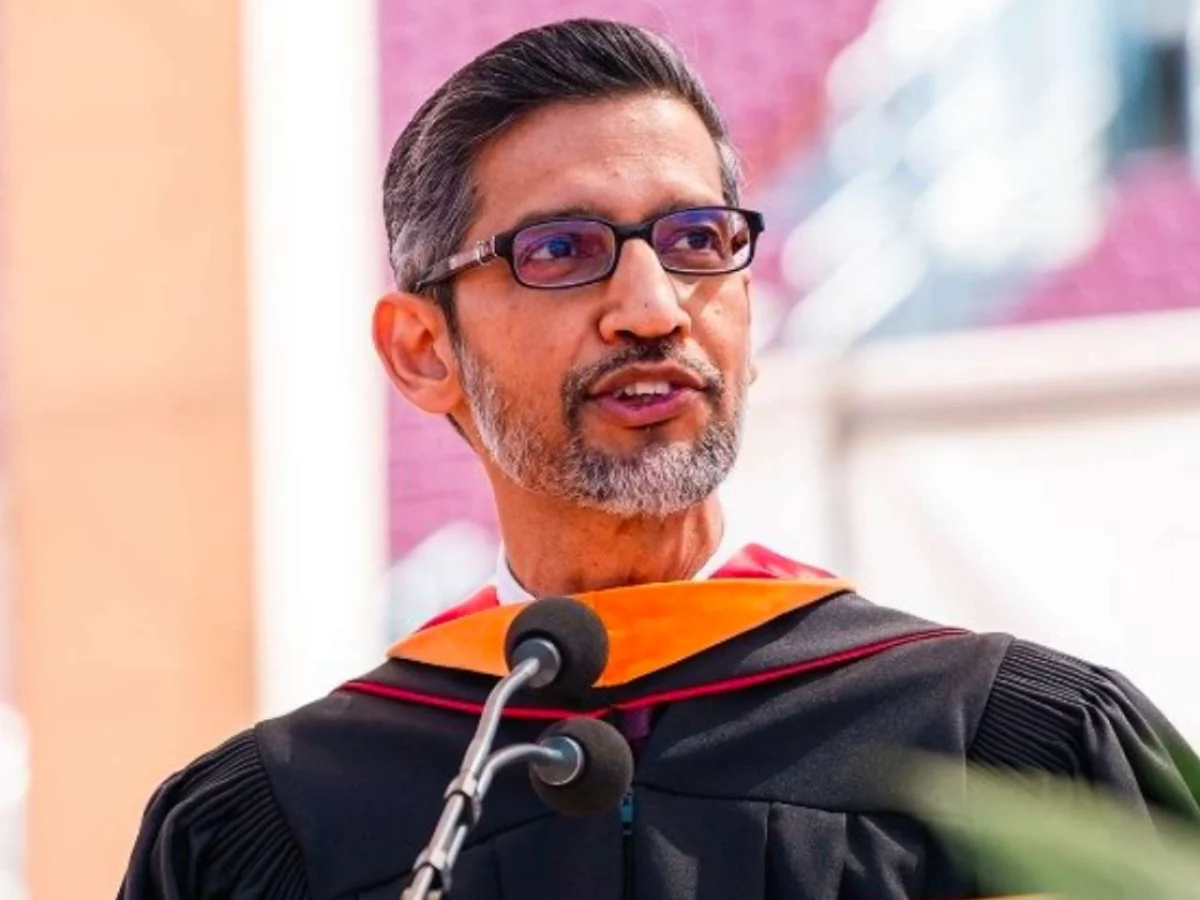
STANFORD, CALIFORNIA – June 15, 2026 – A highly anticipated graduation ceremony at Stanford University descended into an unexpected demonstration today as a significant contingent of students staged a coordinated walkout during Google CEO Sundar Pichai’s commencement address. The protest, reportedly orchestrated by prominent activist groups including Students for Justice in Palestine and No Tech for Apartheid, aimed to spotlight Google’s alleged involvement in controversial government and defense contracts, specifically with the Israeli military, the U.S. Department of Homeland Security (DHS), and Immigration and Customs Enforcement (ICE).
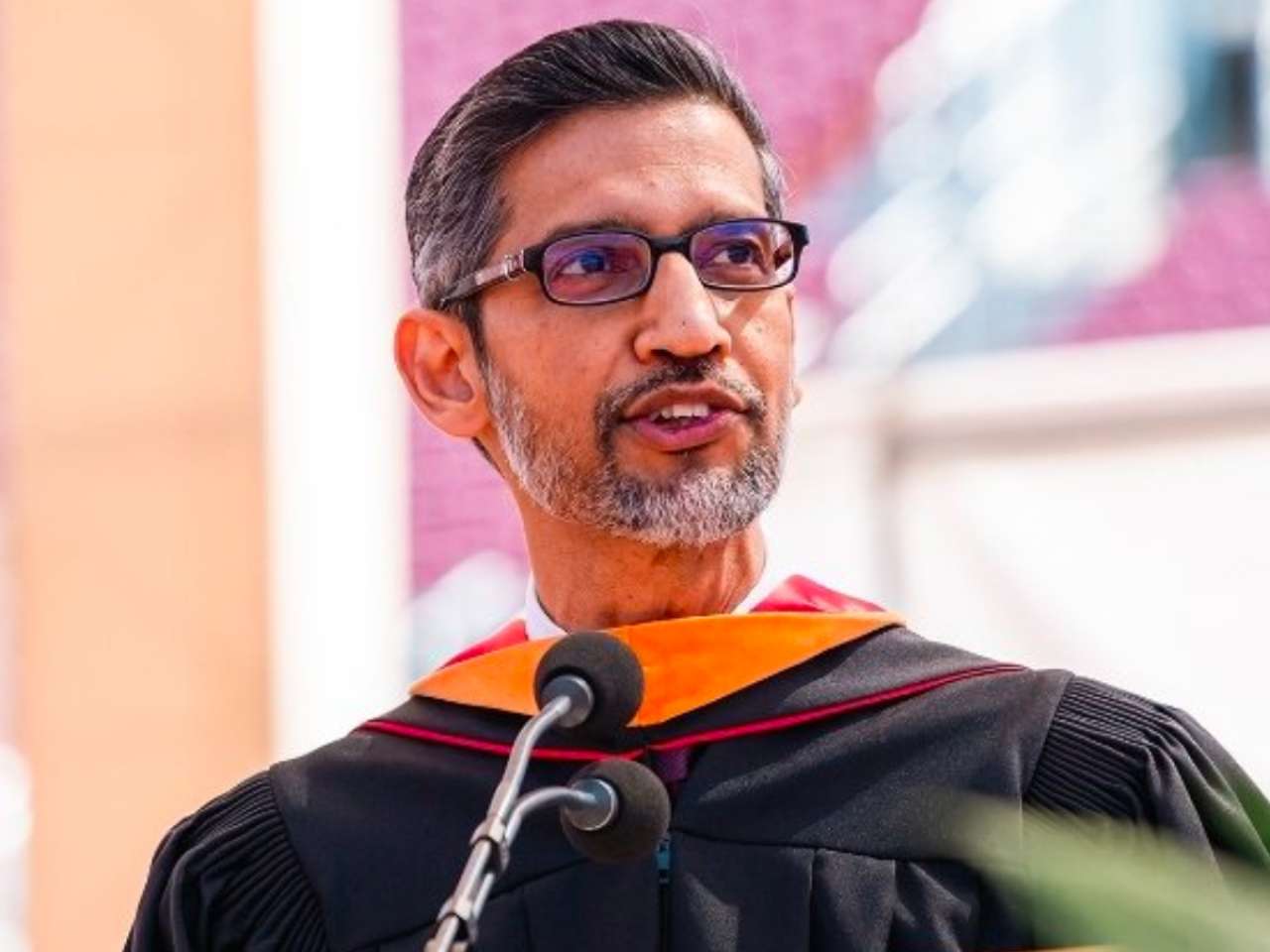
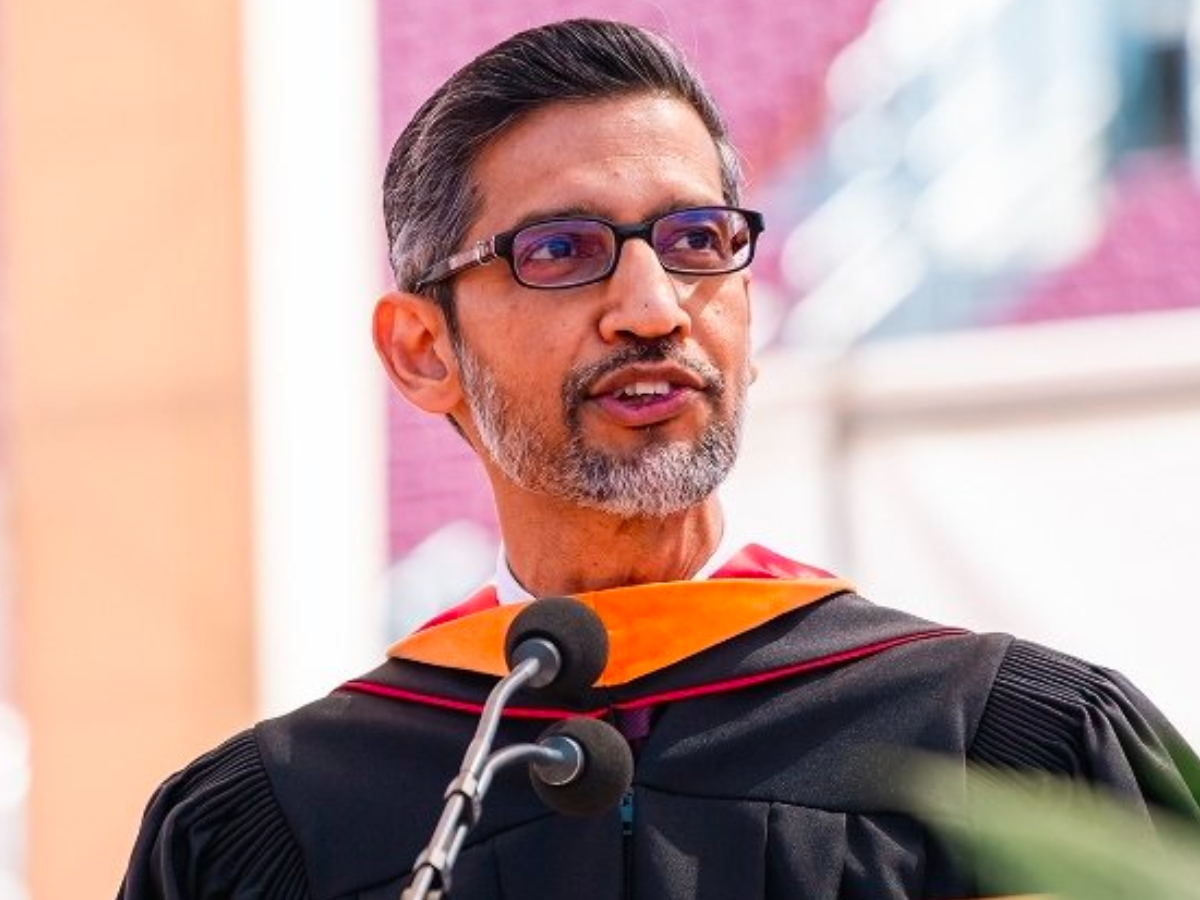
The disruption unfolded as Pichai, a distinguished Stanford alumnus and one of the most influential figures in global technology, was delivering his keynote to the graduating class of 2026, their families, and faculty members. The students’ actions underscore the intensifying debate on American university campuses regarding the ethical responsibilities of major technology corporations and their ties to state and military apparatuses.
Main Facts
The core of the incident involved a pre-planned walkout by a group of graduating students from their seats in the audience while Sundar Pichai was speaking. The protest was not a spontaneous outburst but a deliberate act of civil disobedience, meticulously organized to draw maximum attention to specific grievances against Google. Activist groups, notably "Students for Justice in Palestine" (SJP) and "No Tech for Apartheid," claimed responsibility, citing Google’s purported contracts that they argue contribute to human rights abuses and surveillance.
The primary targets of their protest were Google’s alleged collaborations with the Israeli military, which activists link to the ongoing conflict and occupation, and its contracts with the U.S. Department of Homeland Security and Immigration and Customs Enforcement. These latter agreements are often criticized by civil liberties advocates for their perceived role in surveillance and enforcement activities impacting immigrant communities. The walkout at such a high-profile event, featuring a tech titan like Pichai, was designed to amplify these concerns on a national and international stage, signaling a growing demand for ethical accountability from Silicon Valley’s giants.
Chronology of the Disruption
The morning of June 15, 2026, began with the usual celebratory atmosphere characteristic of Stanford University’s graduation ceremonies. Families gathered, caps and gowns adorned the sprawling campus, and an air of anticipation buzzed around the main commencement stage. Sundar Pichai, heralded as a symbol of technological innovation and global leadership, was introduced to a warm reception, a testament to his stature and his alma mater connection.
As Pichai began his address, initially setting a light, encouraging tone, a subtle shift in the audience became apparent. Within minutes of his speech commencing, a pre-arranged signal – reportedly a series of hushed communications and a synchronized nod among specific rows – triggered the coordinated action. Graduates, identifiable by their distinct regalia, began to rise from their seats. It wasn’t a chaotic rush, but a deliberate, almost solemn procession. One by one, then in small clusters, dozens of students stood up, turned their backs to the stage, and silently filed out of the venue.
The sight of the departing students immediately drew gasps and murmurs from the assembled audience. Photographers and videographers, initially focused on Pichai, quickly swiveled to capture the unfolding protest. Despite the palpable tension and the visual disruption, Sundar Pichai maintained his composure. He paused briefly, his gaze sweeping over the departing students, but then continued his speech, his voice unwavering. His address, as later reported, consciously avoided any mention of artificial intelligence or the future of technology – topics he frequently champions – opting instead for personal anecdotes and general life advice, a choice that now appears to have been a calculated move to de-escalate or sidestep potential direct confrontation.
The walkout continued for several minutes until the last of the protesting students had exited the immediate vicinity of the ceremony. Their departure left a visible void in sections of the audience, a stark reminder of the underlying dissent. The remaining ceremony proceeded, but the walkout had undeniably cast a shadow, transforming what was intended to be a purely celebratory occasion into a platform for protest and a symbol of deeper societal cleavages regarding technology’s role in the world.
Supporting Data and Context
The student walkout at Stanford is not an isolated incident but rather a potent manifestation of a burgeoning movement on university campuses and within the tech industry itself, advocating for greater ethical scrutiny of technological development and corporate partnerships.
The Activist’s Blueprint: No Tech for Apartheid and SJP
The protest was reportedly spearheaded by "No Tech for Apartheid" and "Students for Justice in Palestine" (SJP), two groups with a history of challenging tech companies’ involvement in contracts they deem unethical.
-
No Tech for Apartheid: This campaign specifically targets tech giants like Google and Amazon, urging them to sever ties with the Israeli government and military. Their primary focus has been "Project Nimbus," a multi-billion-dollar cloud computing and artificial intelligence contract awarded by the Israeli government to Google and Amazon. Activists argue that Project Nimbus provides advanced technological capabilities to the Israeli military and security agencies, which they contend are used to facilitate human rights abuses against Palestinians. The campaign has gained traction through internal dissent from tech workers, public petitions, and direct actions like this walkout. They maintain that providing such infrastructure is tantamount to complicity in policies they oppose.
-
Students for Justice in Palestine (SJP): As a national student organization, SJP chapters across the U.S. advocate for Palestinian rights and criticize Israeli policies. Their involvement in the Stanford protest directly links the walkout to the broader Israeli-Palestinian conflict and the role of international corporations in that dynamic. SJP frequently organizes protests, educational campaigns, and boycotts to raise awareness and pressure institutions to divest from or cease collaboration with entities connected to the Israeli occupation.
The convergence of these groups underscores a specific concern: the perceived weaponization of advanced technology and its application in contexts of conflict, surveillance, and human rights issues.
Google’s Entanglement: Government and Defense Contracts
Google, like many major tech firms, maintains numerous contracts with government and defense agencies globally. While many of these are for standard IT services, cloud infrastructure, or office productivity tools, others delve into more sensitive areas involving artificial intelligence, data analytics, and surveillance capabilities.
-
Project Nimbus: This highly controversial project, signed in 2021, is a $1.2 billion contract for Google and Amazon to provide cloud services to the Israeli government and military. Activists fear these services could be used for intelligence gathering, military operations, and expanding surveillance in Palestinian territories. Internal dissent within Google has been significant, with employees resigning in protest and others actively campaigning against the project.
-
Contracts with DHS and ICE: Google’s dealings with the U.S. Department of Homeland Security and Immigration and Customs Enforcement have also drawn heavy criticism. These contracts often involve providing cloud services, AI tools, and data analytics capabilities that activists argue facilitate mass surveillance, contribute to deportations, and support policies that separate families and detain migrants. Critics contend that these technologies enhance the operational capacity of agencies involved in enforcing contentious immigration policies.
Google has generally defended these contracts by stating that its cloud services are available to all customers, including governments, and that its AI principles prohibit the use of its technology for purposes that violate human rights. However, activists argue that the very nature of these contracts, particularly with agencies involved in sensitive political and military contexts, makes Google complicit regardless of stated intentions.
Broader Canvas: Student Activism and Ethical Tech
The Stanford walkout reflects a broader trend of increased student and tech worker activism against the perceived unethical practices of technology companies.
)
- Historical Precedent: Student activism has a rich history at Stanford and other elite universities, often at the forefront of social and political movements, from anti-war protests to civil rights advocacy. This latest wave focuses on the ethical implications of technological advancement and corporate responsibility in a globally interconnected world.
- Growing Scrutiny of Tech: The past decade has seen a dramatic increase in public and regulatory scrutiny of tech companies over issues ranging from data privacy and monopolistic practices to the spread of misinformation and, increasingly, their role in defense and state surveillance.
- The "Tech for Good" Dilemma: Many students entering the tech field are drawn by the promise of "tech for good" – using innovation to solve global problems. When confronted with their future employers’ involvement in projects perceived as harmful, it creates a significant moral dilemma, leading to internal activism and public protests.
- Similar Protests: This isn’t the first time tech companies have faced such challenges. Amazon has faced protests over its Rekognition facial recognition technology being sold to law enforcement, and Microsoft has been criticized for its contracts with the U.S. military. Palantir, a data analytics firm, is a perennial target for its work with government intelligence agencies. The Stanford walkout positions Google firmly within this contested landscape.
Pichai’s Measured Response: A Calculated Dodge?
Sundar Pichai’s decision to keep his speech “light” and focus on personal advice, rather than delving into the future of AI or Google’s technological advancements, now appears to be a calculated move.
- Avoiding Confrontation: By sidestepping potentially controversial topics, Pichai likely aimed to avoid directly addressing the brewing protest or inadvertently fueling it. A speech focused on innovation or AI’s potential could have been easily co-opted or directly challenged by the protestors’ narrative.
- Empathy and Connection: His focus on optimism, open-mindedness, and understanding context – themes he touched upon by reflecting on his early days in California – could be interpreted as an attempt to connect with the graduates on a more personal, less corporate level, perhaps hoping to diffuse tension or appeal to a shared human experience.
- Stanford Alumnus: As an alumnus, Pichai’s speech also held a certain sentimental value, offering a chance to inspire future generations of innovators, a role that could be undermined by direct engagement with contentious political issues.
The AI Conundrum: Jobs, Ethics, and Power
The protest also occurred amidst heightened global anxiety surrounding Artificial Intelligence, a topic Pichai is deeply invested in.
- Job Displacement Fears: The article notes concerns from leaders like Sam Altman (OpenAI) and Dario Amodei (Anthropic) about AI’s potential to impact entry-level jobs. This fear is pervasive, creating a backdrop of uncertainty about the future of work.
- Jensen Huang’s Counterpoint: Nvidia CEO Jensen Huang’s pushback against solely blaming AI for layoffs highlights the complexity of the issue, suggesting that companies might use AI as a convenient scapegoat for broader workforce reductions. This points to a nuanced debate within the industry itself.
- Pichai’s Stance: Pichai himself has previously lauded AI as "one of the biggest technological shifts of this generation," emphasizing its transformative potential. However, this transformative power also brings immense ethical challenges, particularly when applied in areas like defense, surveillance, and autonomous systems. The protestors’ concerns about Google’s contracts are intrinsically linked to the ethical deployment of AI. The potential for AI to be used in ways that violate human rights or exacerbate conflict fuels much of the activism against companies like Google.
Institutional Responses and Official Statements
In the immediate aftermath of such a visible protest, the responses from the involved parties—Google, Stanford University, and the protest organizers—are critical in shaping public perception and setting the tone for future dialogue.
Google’s Stance (Inferred from Past Responses)
While Google did not issue an immediate, specific statement regarding the Stanford walkout, its general position on controversial government and defense contracts is well-documented. Historically, Google has defended its involvement in projects like Nimbus by asserting that its cloud services are broadly available to all customers, including governments, and are not designed for specific military applications that violate its AI Principles.
A hypothetical official statement from Google might reiterate:
- "Google Cloud provides secure and reliable cloud computing services to millions of customers globally, including governments. Our technology is built to serve a wide range of needs, and we adhere strictly to our AI Principles, which prohibit the use of our AI for applications that cause or are likely to cause overall harm or violate human rights."
- "We respect the right to peaceful protest and expression. We are committed to fostering an open dialogue with our employees and stakeholders on the ethical development and deployment of technology."
This stance typically emphasizes the neutrality of cloud infrastructure, the company’s commitment to ethical AI, and its respect for free speech, while carefully avoiding direct engagement with the specific political accusations leveled by activists.
Stanford University’s Position
Stanford University, as the host institution, found itself in a delicate position, balancing its commitment to free speech with the need to maintain order during a formal ceremony. Universities often navigate a complex landscape of diverse student opinions and high-profile guests.
A likely response from Stanford would emphasize:
- "Stanford University upholds the fundamental right to peaceful protest and free expression as cornerstones of our academic community. We encourage our students to engage thoughtfully with issues they care deeply about."
- "Our graduation ceremony is a moment of celebration for our graduates and their families. While we respect the diverse viewpoints within our community, our priority remains ensuring a respectful and memorable experience for all attendees."
- "The University provided opportunities for students to express their views in designated areas while ensuring the ceremony could proceed." (This might be a standard operating procedure for managing protests during large events).
Such a statement would aim to acknowledge the protest without endorsing its specific claims, reaffirming institutional values while ensuring the university is seen as managing the event responsibly.
)
The Amplified Voices of the Protestors
The activist groups, having successfully executed their high-profile protest, would likely capitalize on the moment to amplify their message. Their "posts shared online" are key to understanding their immediate communication strategy.
Statements from "Students for Justice in Palestine" and "No Tech for Apartheid" would likely include:
- "Today, Stanford graduates sent a clear message to Sundar Pichai and Google: We will not stand by while our technology is used to facilitate apartheid, surveillance, and human rights abuses. Our future will not be built on unethical contracts."
- "The walkout during Pichai’s speech is a testament to the growing moral conscience within the tech community and on university campuses. We demand that Google immediately terminate Project Nimbus and all contracts with the Israeli military, DHS, and ICE."
- "This is just the beginning. We will continue to organize and fight until Google prioritizes ethics and human rights over profit."
These statements would aim to frame the protest as a moral victory, a symbol of growing dissent, and a call to action for further pressure on Google and the wider tech industry.
Implications for Tech, Academia, and Society
The Stanford walkout, though seemingly a contained incident, carries significant implications that ripple far beyond the commencement stage, impacting the tech industry, academic institutions, and the broader societal discourse around technology and ethics.
For Google and the Tech Industry: Heightened Scrutiny
The immediate implication for Google is a fresh wave of reputational damage. High-profile protests, especially at prestigious institutions like Stanford, draw global media attention, putting Google’s controversial contracts squarely in the public eye. This could:
- Intensify Internal Dissent: The walkout could embolden more Google employees to speak out or organize internally against these contracts, potentially leading to further resignations or activist campaigns from within.
- Impact Recruitment: For a company that relies heavily on attracting top talent from universities, such protests could deter potential recruits who are increasingly conscious of corporate ethics and social responsibility. Graduates, particularly those from institutions with strong activist traditions, might think twice before joining companies involved in ethically contentious projects.
- Pressure on Ethical AI Guidelines: The incident puts renewed pressure on Google to review and potentially strengthen its AI Principles and guidelines, particularly concerning their application in government and defense sectors. There will be increased demand for transparency and accountability regarding how these principles are enforced.
- Industry-Wide Repercussions: The protest serves as a stark warning to other tech giants (Amazon, Microsoft, Palantir, etc.) that their government and defense contracts will not go unchallenged. It signifies a growing trend where ethical considerations are becoming as crucial as technological innovation in shaping public perception and talent acquisition. The "tech for good" narrative is increasingly being juxtaposed with the reality of "tech for war" or "tech for surveillance."
For Universities: Navigating Activism and Corporate Ties
For Stanford and other universities, the incident highlights a persistent tension:
- Balancing Free Speech and Decorum: Institutions must constantly balance their commitment to free expression and student activism with the need to maintain order during formal events and foster productive relationships with prominent alumni and corporate partners. This requires careful planning and communication.
- Ethical Scrutiny of Donors and Partners: Universities often rely on funding and partnerships with tech companies. Protests like this can prompt internal debates about the ethical implications of accepting funds or collaborating with corporations involved in controversial activities, potentially leading to demands for more rigorous ethical vetting processes.
- Educational Mandate: The walkout reinforces the university’s role as a site for critical inquiry and ethical debate, particularly concerning the societal impact of technology—a field where many of its graduates will eventually work. It might encourage more robust curricula on tech ethics and corporate responsibility.
For Society: The Evolving Tech-Ethics Nexus
The protest is a microcosm of a larger societal shift in how technology is perceived and regulated:
- Democratization of Ethical Oversight: The incident signals a growing demand from civil society, students, and tech workers for a more democratic and inclusive approach to defining the ethical boundaries of technological development and deployment. It moves the conversation beyond corporate boardrooms to the public square.
- The Power of Collective Action: The coordinated walkout demonstrates the enduring power of collective action, even in highly controlled environments, to force conversations and exert pressure on powerful entities.
- Bridging Digital and Geopolitical Divides: The protest explicitly links advanced technology to geopolitical conflicts and human rights issues, forcing a deeper examination of how digital tools are shaping international relations, surveillance states, and social justice movements. It underscores that technology is not neutral; its applications are deeply embedded in political and ethical landscapes.
- Future of Tech Responsibility: Ultimately, the Stanford walkout contributes to an ongoing, global dialogue about the future of tech responsibility. It pushes for a future where technological progress is not merely measured by innovation or profit, but also by its adherence to human rights, ethical principles, and societal well-being. This incident will likely be remembered as another significant moment in the long journey towards holding powerful tech companies accountable for their impact on the world.
The image of graduates walking out on one of the most powerful tech CEOs is a potent symbol of a generation demanding that technological advancement be inextricably linked with ethical governance and social justice. The reverberations of this protest will undoubtedly continue to shape conversations within Silicon Valley, academia, and beyond.
