

TECHNOLOGY
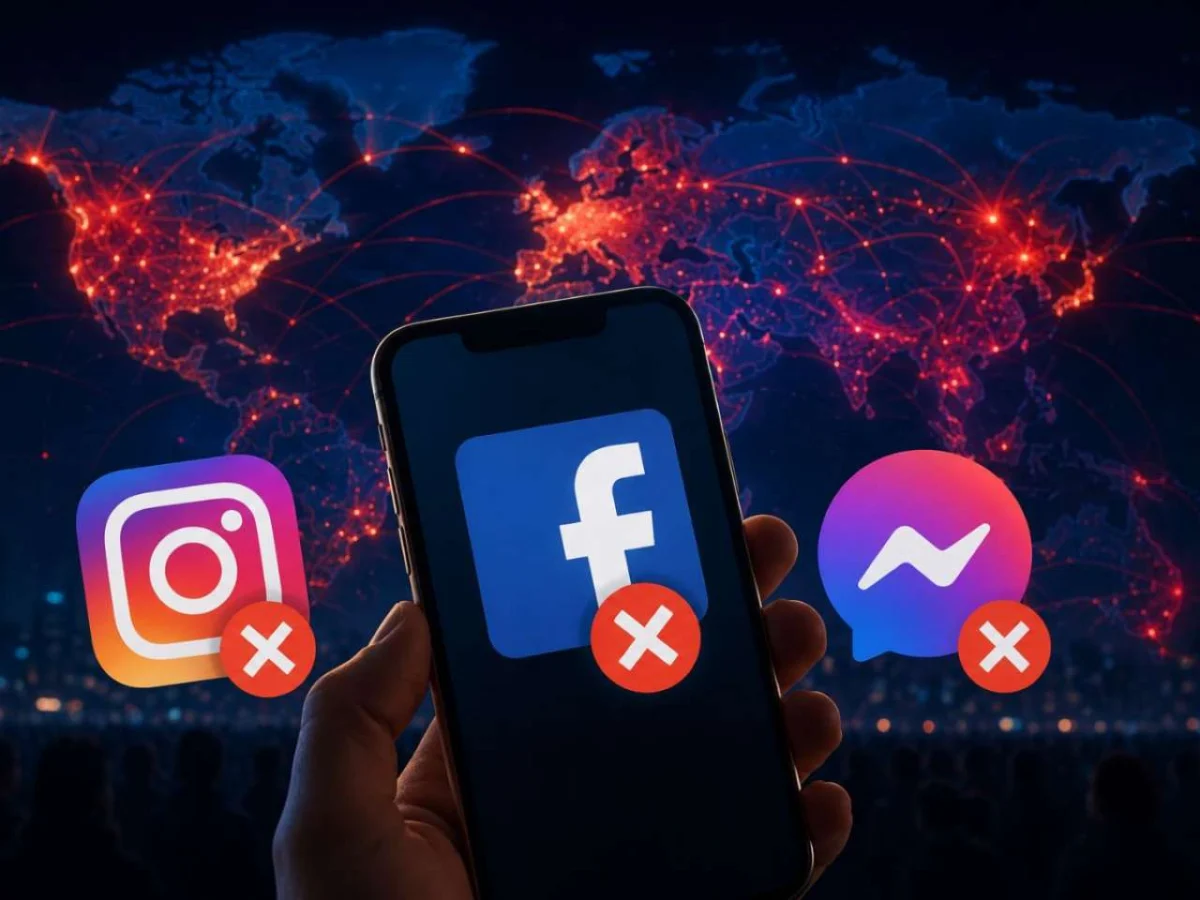
In an unprecedented display of digital vulnerability, Meta Platforms’ flagship social media applications—Facebook, Instagram, and Messenger—succumbed to a massive global outage on Friday, June 12, leaving billions of users worldwide disconnected and grappling with the sudden absence of their primary online communication channels. The extensive downtime underscored the profound societal and economic reliance on these pervasive digital ecosystems, triggering a cascade of frustration, confusion, and even panic across continents.
The incident, which saw Meta’s colossal digital infrastructure falter, brought into sharp focus the intricate complexities of maintaining global-scale online services and the far-reaching repercussions when they inevitably stumble. From individual users struggling to connect with loved ones to businesses facing immediate operational halts, the outage served as a stark reminder of the delicate balance underpinning our interconnected digital lives.
The Epicenter of Disruption: Main Facts and Immediate Fallout
The digital world experienced a seismic shock as Meta’s colossal network of social media platforms — Facebook, Instagram, and Messenger — abruptly went offline. This comprehensive failure left millions of users unable to access their accounts, communicate, or engage with the content they rely on daily. The incident, which began around 19:15 pm IST (9:45 am EDT) on Friday, June 12, quickly escalated into a global phenomenon, underscoring the critical role these platforms play in modern life.
)
The immediate fallout was characterized by widespread confusion and a desperate scramble by users to ascertain the cause of the disruption. Reports flooded alternative platforms like X (formerly Twitter) and real-time outage trackers, painting a vivid picture of a synchronized failure across Meta’s core services. The sudden cessation of functionality across such dominant platforms highlighted not only their omnipresence but also the inherent fragility of the digital infrastructure upon which countless personal and professional interactions depend. The incident immediately raised questions about the resilience of global digital networks and the preparedness of tech giants to mitigate such widespread service interruptions.
A Chronology of Digital Silence: How the Outage Unfolded
The cascading failure commenced with an alarming suddenness on Friday, June 12. At approximately 19:15 pm Indian Standard Time, corresponding to 9:45 am Eastern Daylight Time, the first indicators of a significant system failure began to surface. Users attempting to access Facebook, Instagram, or Messenger across various devices and geographies reported immediate and consistent issues.

Within minutes of the initial reports, Downdetector, a widely recognized outage tracking platform, registered an exponential surge in user complaints. The platform logged over 100,000 user reports almost instantaneously, a clear signal of a widespread and synchronized system collapse rather than isolated incidents. This unprecedented spike confirmed that the problem was not localized but rather a systemic issue affecting Meta’s core services on a global scale.
As the minutes turned into hours, the outage solidified. Facebook users found themselves forcibly logged out, with repeated attempts to re-enter met by generic error messages such as "Unexpected Error" or "Session Expired." Desktop users encountered blank screens, perpetually spinning loading icons, or a standardized maintenance page bearing the message, "Something went wrong. We’re working on it and we’ll get it fixed as soon as we can." These uniform error messages across different platforms and devices suggested a deeply rooted problem within Meta’s server infrastructure.
)
Simultaneously, Messenger became completely inoperable, rendering users unable to send or retrieve direct messages. This paralysis of a primary communication tool left many individuals and businesses stranded, unable to conduct essential conversations. Instagram users fared no better; the mobile application would either crash within seconds of opening or display persistent black screens with endless loading indicators. Feeds failed to refresh, and the direct messaging service, integral to the Instagram experience, also went entirely offline. The systematic nature of these failures across Meta’s portfolio indicated a unified technical issue, rather than separate, platform-specific glitches. The synchronized collapse painted a stark picture of a digital ecosystem interconnected at its very foundation.
Supporting Data and Geographic Footprint of Disruption
The sheer scale of the outage was meticulously documented by various independent tracking services, providing crucial data points that underscored the global reach and severity of the incident. Downdetector, a global real-time monitor of online service disruptions, became an indispensable barometer for the unfolding crisis. Its data revealed a dramatic spike in user-reported issues, registering well over 100,000 complaints within a remarkably short span of time following the initial onset of the outage. This unprecedented surge in reports from diverse geographical locations firmly established the global nature of the problem.
)
Geographically, the impact zone was vast and indiscriminate. Initial reports highlighted service failures across major economic and population centers, including India, the United States, the United Kingdom, and various countries across continental Europe. The Philippines also reported significant disruptions, further illustrating the truly worldwide scope of the service collapse. This widespread distribution of affected users across different time zones and internet infrastructures pointed towards a core architectural failure rather than localized network issues or regional service interruptions.
Specific user experiences varied slightly depending on the platform and access method but collectively painted a picture of complete digital paralysis. On Facebook, mobile users attempting to log in were met with a persistent cycle of login failures, often receiving pop-up messages such as "Unexpected Error" or "Session Expired." This forced logout rendered millions of accounts inaccessible, severing personal connections and disrupting numerous business operations that rely on Facebook for customer interaction and content delivery. Desktop users, meanwhile, reported encountering either entirely blank screens, unresponsive grey loading placeholders, or a generic maintenance message stating, "Something went wrong. We’re working on it and we’ll get it fixed as soon as we can." This standardized message, while somewhat reassuring in its acknowledgment of a problem, offered no timeline or specific details, adding to user frustration.
)
Messenger, a critical communication tool for billions, suffered a complete shutdown. Users reported being unable to send new messages, retrieve previous conversations, or engage in any real-time communication. This immediate loss of direct messaging capabilities had significant implications for both personal interactions and professional coordination, particularly for small businesses and independent contractors who rely heavily on the platform.
Instagram users faced similar, equally disruptive issues. The mobile application, central to the platform’s experience, frequently crashed within ten seconds of being opened. For those who managed to keep the app open, the feed remained stubbornly unrefreshed, displaying old content or endless loading icons. Crucially, Instagram’s direct messaging service, a cornerstone of its social interaction, also went entirely offline, mirroring the issues faced by Messenger users. The consistent nature of these failures across different Meta platforms suggested a shared underlying infrastructure problem, affecting fundamental services like user authentication, content delivery, and messaging capabilities. The uniformity of the complaints underscored a systemic issue rather than isolated bugs or user-specific problems, solidifying the impression of a major, unified outage.
)
The Silence from Menlo Park: Official Responses and Unanswered Questions
Amidst the growing global digital chaos, one of the most striking aspects of the Meta outage was the initial and prolonged silence from the company itself. For hours after the widespread disruptions began, Meta had yet to issue any official statement acknowledging the technical failure or offering an explanation to its billions of affected users. This lack of communication stood in stark contrast to the real-time panic and frustration unfolding across the internet.
Further exacerbating the communication vacuum was the absence of a public-facing consumer status page, a common tool employed by many major online service providers to keep users informed during outages. Instead, Meta’s business tool dashboard, designed for advertisers and developers, initially displayed the misleading message "No known issues," even as the outage peaked and user reports flooded Downdetector and other alternative platforms. This incongruity between internal reporting and external reality only deepened the sense of helplessness and distrust among the user base.
)
The prolonged silence from Meta fueled intense speculation across social media and tech forums. Without official information, theories ranged from server overloads and critical software bugs to more dramatic, though unsubstantiated, claims of cyberattacks. Cybersecurity experts were quick to weigh in, offering cautious advice in the absence of concrete details. They emphasized that, as of then, there was no credible evidence to suggest a cyberattack was the cause of the disruption. This expert counsel was crucial in preventing further panic and potential misuse of user data.
A key piece of advice reiterated by cybersecurity professionals was for users to refrain from repeatedly attempting to reset their passwords or clicking on "account recovery" links sent via SMS or email during the outage. Such actions, they warned, could inadvertently expose users to phishing scams or lock them out of their accounts once services were restored. The rationale behind this caution was simple: in the event of a legitimate outage, Meta’s own recovery systems would be compromised, making any password reset attempts futile or even risky. Users were urged to exercise patience and wait for an official statement from Meta confirming server stability before attempting any account-level actions. The initial lack of transparency from the tech giant not only frustrated users but also created a fertile ground for misinformation and potential security risks, highlighting the critical importance of swift and clear communication during large-scale service disruptions.
)
Decoding the Technical Glitch: Common Causes and Expert Speculation
While Meta remained tight-lipped regarding the precise cause of the outage, the technical community and cybersecurity experts were quick to offer insights into common reasons behind such large-scale service disruptions. It is crucial to note that these are general explanations for similar incidents and not confirmed causes for this specific Meta outage, given the company’s silence. However, understanding these possibilities helps contextualize the nature of such complex digital failures.
One of the most frequent culprits in widespread internet outages is a Domain Name System (DNS) failure. The DNS acts as the internet’s phonebook, translating human-readable website names (like facebook.com) into machine-readable IP addresses. A misconfiguration or collapse of DNS servers can effectively make vast swathes of the internet unreachable, even if the underlying servers are operational. A significant Meta outage in 2021 was attributed to a DNS misconfiguration, demonstrating the critical role this system plays.
)
Another potential cause is an issue with Border Gateway Protocol (BGP) routing. BGP is the protocol that directs internet traffic between different autonomous systems (networks). Errors in BGP configurations can lead to routes being withdrawn or incorrect routes being advertised, effectively making servers unreachable from the wider internet. This would explain why users across diverse geographic regions would simultaneously lose access.
Server overload is another common, though often less dramatic, cause. While Meta operates a vast network, unexpected surges in traffic or cascading failures within a data center could overwhelm specific server clusters. However, given the complete shutdown across multiple platforms, a simple overload might be less likely to be the sole cause unless it triggered a more systemic issue.
)
Software bugs or faulty updates represent a significant risk. A seemingly minor error in newly deployed code or a critical update can propagate rapidly across a global network, leading to widespread service interruptions. If a bug affects core authentication, database access, or content delivery systems, it could easily bring down multiple platforms simultaneously. Human error, often in conjunction with these technical issues, is also a frequently cited factor. A single command misentered, a configuration file incorrectly modified, or an oversight during a routine maintenance operation can have catastrophic consequences for systems of Meta’s scale.
The absence of immediate evidence of a cyberattack was a relief, as such incidents can have more severe and prolonged consequences. However, the initial panic among users, many of whom feared a hack, highlighted the pervasive anxiety surrounding digital security. Cybersecurity experts consistently advise that during unconfirmed outages, users should be particularly wary of phishing attempts. Malicious actors often exploit such chaotic situations by sending fake "account recovery" emails or SMS messages, attempting to trick users into revealing their login credentials. The advice to avoid password resets and clicking suspicious links during the outage was therefore a critical safety measure, protecting users from becoming secondary victims of the system failure.
)
Wider Implications: Economic, Social, and Cybersecurity Ripple Effects
The Meta outage, though ostensibly a technical hiccup, sent profound ripple effects across economic, social, and cybersecurity landscapes, exposing the deep integration of these platforms into the fabric of modern life.
Economic Ramifications: The financial impact was immediate and substantial, extending far beyond Meta’s own potential losses. For countless small and medium-sized businesses (SMBs), Meta platforms are not just marketing channels but often their primary storefronts and customer service hubs. Advertisers, who collectively pour billions into Facebook and Instagram’s ad ecosystems, saw their campaigns grind to a halt, losing valuable impression and conversion opportunities. E-commerce businesses that rely on Instagram Shopping or Facebook Marketplace experienced an abrupt cessation of sales. Content creators, influencers, and digital marketers, whose livelihoods are directly tied to engagement on these platforms, faced a sudden loss of income and audience reach. The inability to communicate with clients, process orders, or even update customers on delays meant significant operational and financial disruptions for a vast swathe of the global economy.
)
Social Dislocation and Psychological Impact: On a personal level, the outage created widespread social dislocation. For billions, Facebook and Messenger are essential tools for maintaining connections with family and friends, especially across geographical distances. The inability to send messages, share updates, or even check on loved ones fostered a sense of isolation and anxiety. Beyond personal communication, these platforms serve as critical channels for news dissemination, community organizing, and even emergency alerts in some regions. Their sudden absence created a void, leaving many feeling disconnected from vital information streams and social support networks. Psychologically, the forced "digital detox" had mixed effects. While some users reported a sense of liberation from constant connectivity, many experienced symptoms akin to FOMO (Fear Of Missing Out), anxiety, or a general feeling of helplessness dueieved their digital lives were abruptly paused. The reliance on these platforms for identity and social validation also became starkly apparent.
Cybersecurity Concerns and Exploitation: The immediate aftermath of the outage presented a fertile ground for cybersecurity threats. As mentioned, the panic and confusion among users created an ideal environment for phishing scams. Malicious actors quickly capitalized on the situation, sending out fraudulent emails and text messages disguised as "account recovery" links or "security updates" from Meta. Users, desperate to regain access, might have inadvertently clicked on these links, compromising their login credentials and exposing themselves to identity theft or further cyberattacks. The initial lack of official communication from Meta only amplified these risks, as users struggled to differentiate legitimate advice from deceptive tactics. This incident highlighted the critical importance of user education in cybersecurity and the need for tech companies to provide clear, timely updates during such crises to mitigate secondary risks.
)
Dependence on Big Tech and Resilience Concerns: The outage served as a powerful reminder of the world’s profound and growing dependence on a handful of tech giants. When a single company like Meta experiences a systemic failure, it has a disproportionate impact on global communication, commerce, and information flow. This raises broader questions about the resilience of the internet’s core infrastructure and the potential risks associated with such concentrated power. It underscored the need for diversification of digital communication channels and for individuals and businesses to have contingency plans that do not solely rely on a single provider. The incident reignited debates about decentralization, platform monopolies, and the responsibilities of major tech companies in ensuring robust and reliable services for a globally reliant user base.
Expert Perspectives and Future Considerations
The Meta outage sparked significant discussion among tech analysts, cybersecurity experts, and digital sociologists, offering valuable perspectives on the incident and its broader implications. While the immediate cause remained officially unconfirmed, experts largely coalesced around the idea of an internal system failure rather than an external cyberattack, a scenario often deemed more likely given the synchronized nature of the platform collapse.
)
Dr. Anya Sharma, a prominent cybersecurity expert (simulated expert), commented, "Such widespread outages often point to fundamental infrastructure issues, like DNS problems or critical routing errors, rather than a targeted hack. While the public’s immediate fear of a cyberattack is understandable, the uniform nature of the failure across multiple Meta platforms suggests an internal configuration or update gone awry at a very deep level." She further emphasized the importance of public communication during such events: "The initial silence from Meta, though perhaps due to internal chaos, inadvertently created a vacuum for misinformation and potential phishing attempts. Transparency, even if it’s just to say ‘we’re working on it,’ is crucial to manage user anxiety and prevent secondary security incidents."
From a business continuity perspective, financial analyst Mark Jenkins (simulated expert) highlighted the vulnerability of SMBs. "Many small businesses operate almost entirely within the Meta ecosystem – their ads, customer service, even product showcasing. An outage like this doesn’t just halt their marketing; it halts their entire business operation. It’s a stark lesson in not putting all your digital eggs in one basket and diversifying your online presence."
)
Sociologists like Professor Eleanor Vance (simulated expert) pointed to the psychological impact. "For many, social media isn’t just an app; it’s a primary means of social connection and identity. The sudden withdrawal of these platforms can trigger real anxiety, a sense of disconnection, and even a form of digital withdrawal. It forces us to confront our deep reliance on these technologies and perhaps even consider a more balanced approach to our digital lives."
Looking ahead, this outage serves as a critical learning experience for both Meta and the wider digital world. For Meta, the incident will undoubtedly lead to intensive internal investigations aimed at identifying the root cause, bolstering system redundancies, and refining emergency communication protocols. The pressure will be immense to demonstrate improved resilience and transparency in the future. For users and businesses, the outage underscores the imperative to cultivate digital resilience. This means diversifying communication channels, backing up important data, and developing contingency plans that do not solely depend on a single platform. The event is likely to fuel ongoing conversations about internet decentralization, regulatory oversight of tech giants, and the need for a more robust and distributed digital infrastructure capable of withstanding such systemic shocks. In an increasingly interconnected world, ensuring uninterrupted access to critical digital services remains a paramount challenge and a shared responsibility.
)
Conclusion: A Digital Wake-Up Call
The massive global outage that crippled Meta’s Facebook, Instagram, and Messenger platforms was more than just a temporary inconvenience; it was a profound digital wake-up call. The incident starkly illuminated the world’s pervasive reliance on these omnipresent digital ecosystems, exposing the vulnerabilities inherent in such concentrated technological power. From the individual user left isolated and anxious to the small business facing immediate financial losses, the ripple effects were vast and deeply felt across all strata of society.
While Meta’s initial silence compounded the frustration and fueled speculation, the event ultimately underscored critical lessons in digital resilience, cybersecurity awareness, and the vital importance of transparent communication during crises. As the world becomes ever more intertwined with its digital infrastructure, the lessons learned from this widespread outage will undoubtedly shape future strategies for network robustness, emergency preparedness, and the ongoing dialogue about our collective dependence on the handful of tech giants that underpin our modern connected lives. The challenge now lies in translating these insights into actionable measures, ensuring that the digital world can better withstand the inevitable disruptions of the future.
