

The landscape of the Indian automotive industry is undergoing a seismic shift, transitioning from a market defined by basic mobility to one dictated by technological sophistication, lifestyle aspirations, and a complex multi-energy roadmap. In the center of this transformation stands Renault. After a period of consolidation, the French automaker has unveiled a comprehensive roadmap that signals its most ambitious chapter in the subcontinent yet.
At the heart of this strategy is the Renault Bridger Concept, a vehicle that serves as more than just a preview of a future B-SUV; it is the physical manifestation of Renault’s "layered strategy"—a plan to balance affordability with cutting-edge global engineering.
Main Facts: The Bridger Concept and the RGMP Architecture
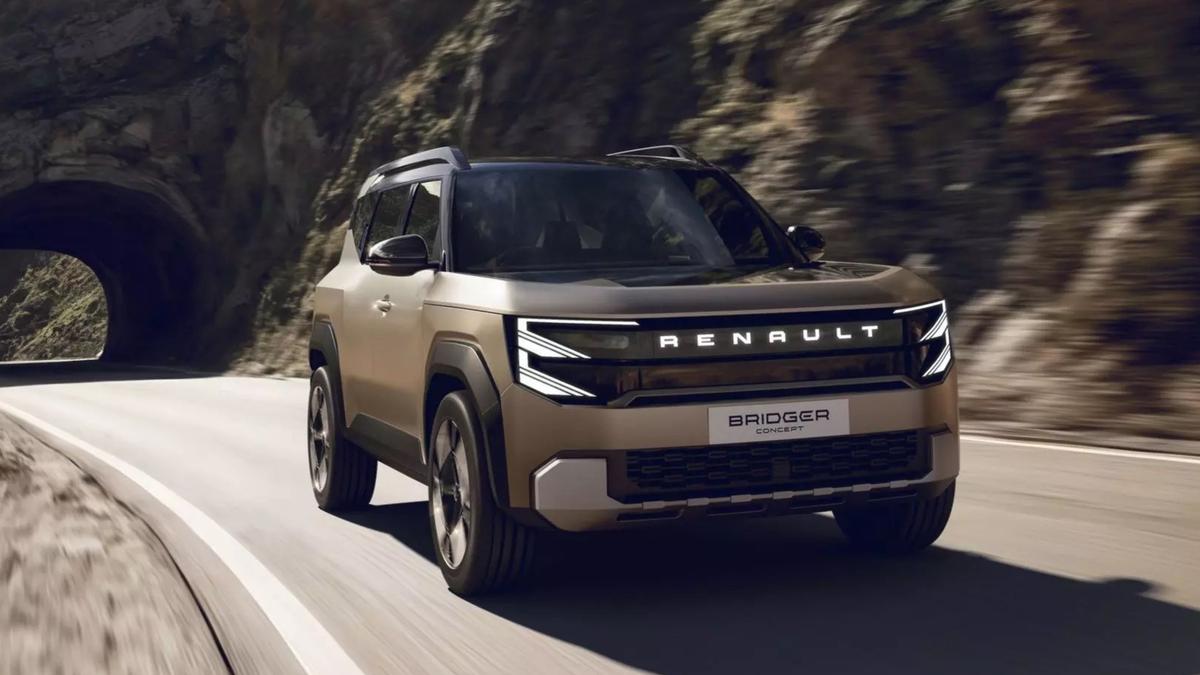
The Renault Bridger Concept is positioned at the white-hot center of India’s B-SUV segment. Unlike previous efforts that focused primarily on cost-optimization, the Bridger is designed to be a "global-local" hybrid—incorporating international design standards with a deep understanding of the Indian urban environment.
Design and Presence
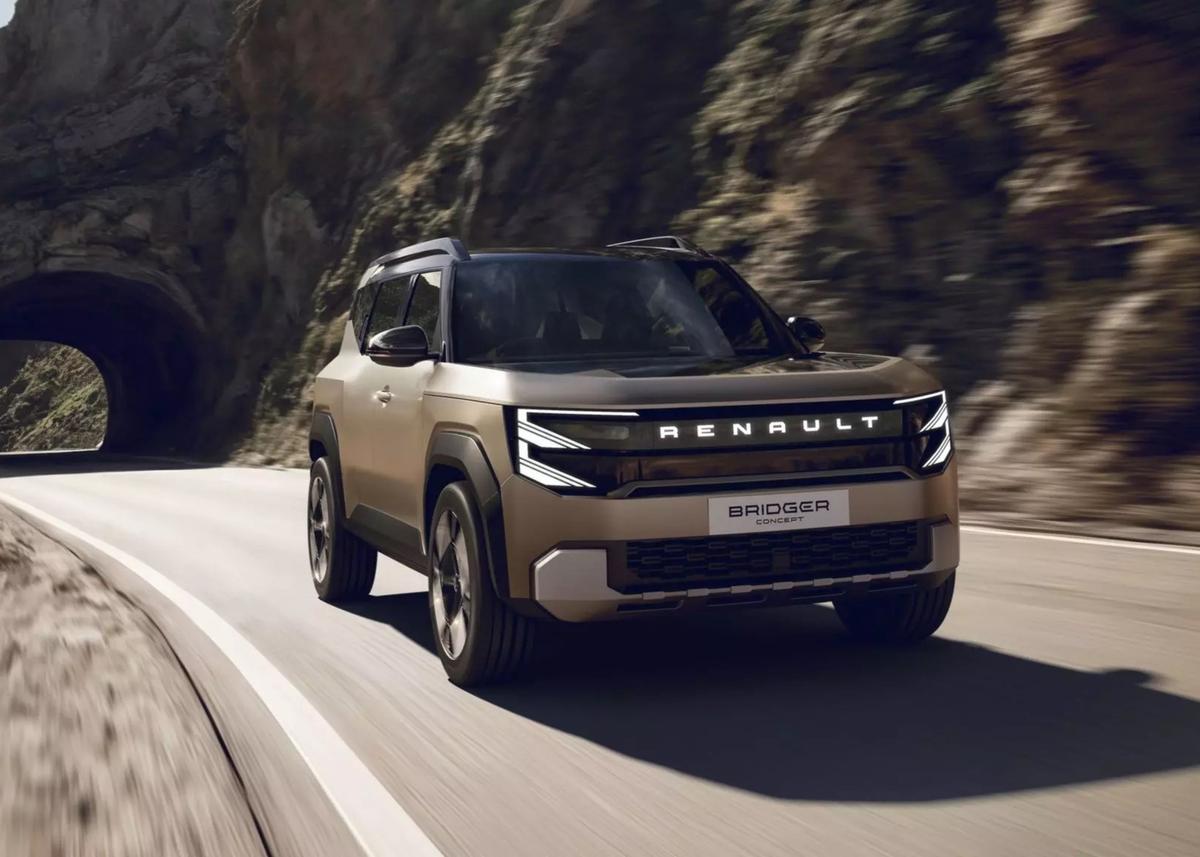
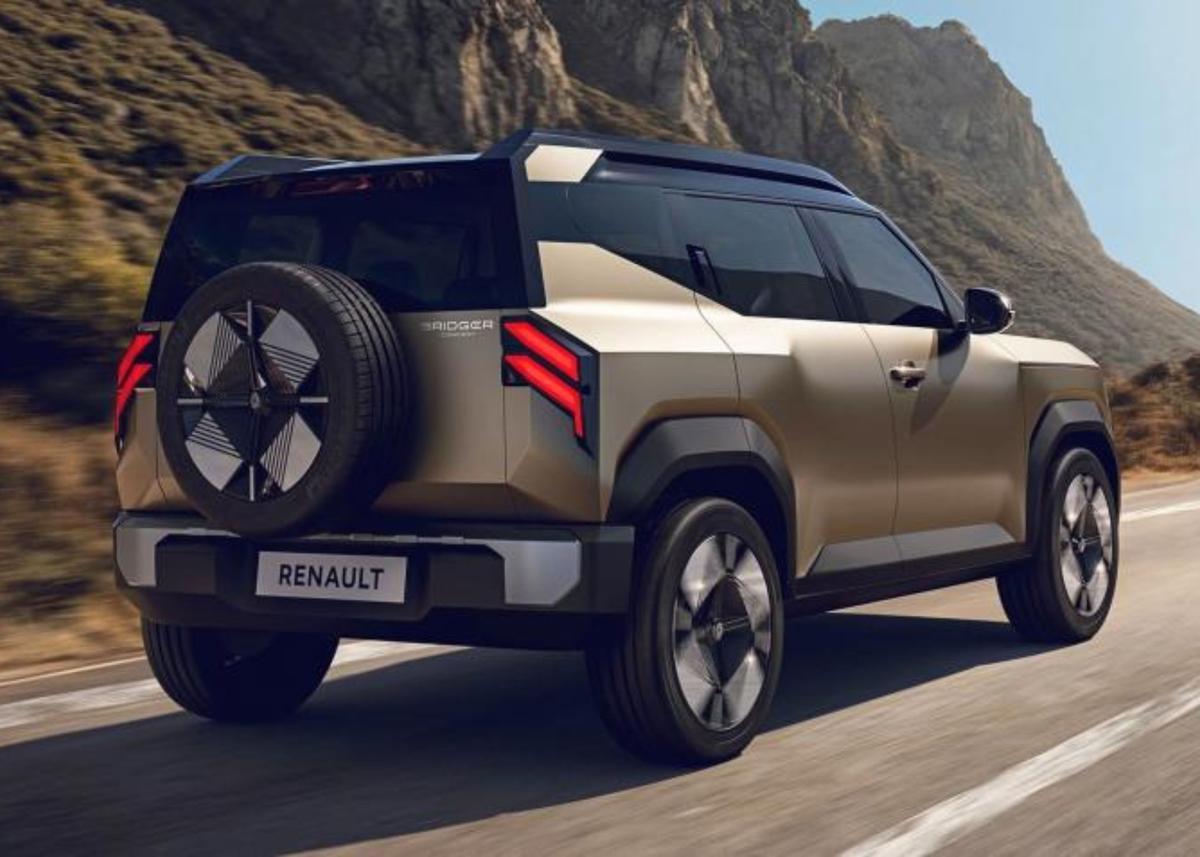
Visually, the Bridger moves away from the soft, rounded lines of the previous generation of crossovers. It adopts a "tough-utility" aesthetic characterized by an upright nose, squared-off wheel arches, and clean, muscular surfacing. Its design is a deliberate attempt to tap into the "lifestyle narrative" that currently dominates Indian car buying habits. However, Renault’s designers have been careful to keep the footprint tight. With controlled overhangs and a compact silhouette, the Bridger is engineered for the claustrophobic confines of urban India, offering the "commanding" seating position consumers crave without the logistical nightmare of an oversized vehicle.
The Foundation: RGMP
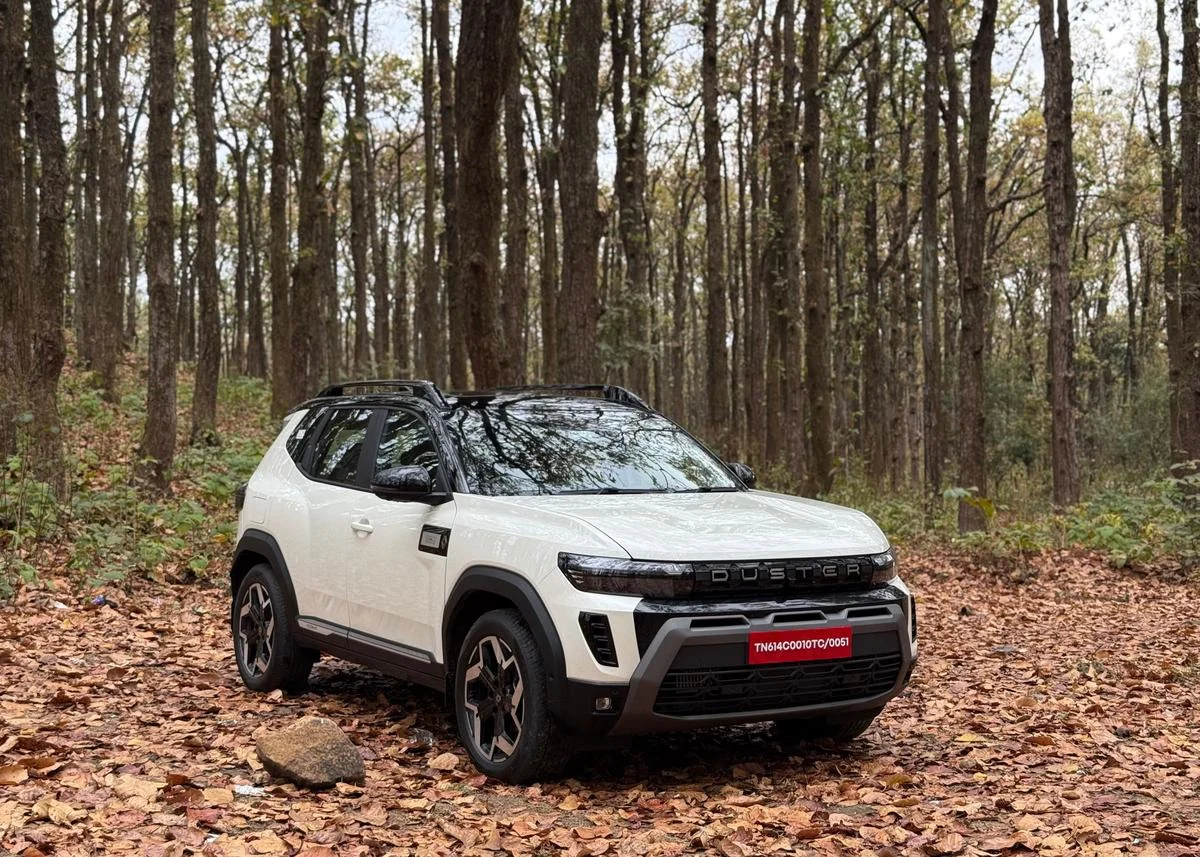
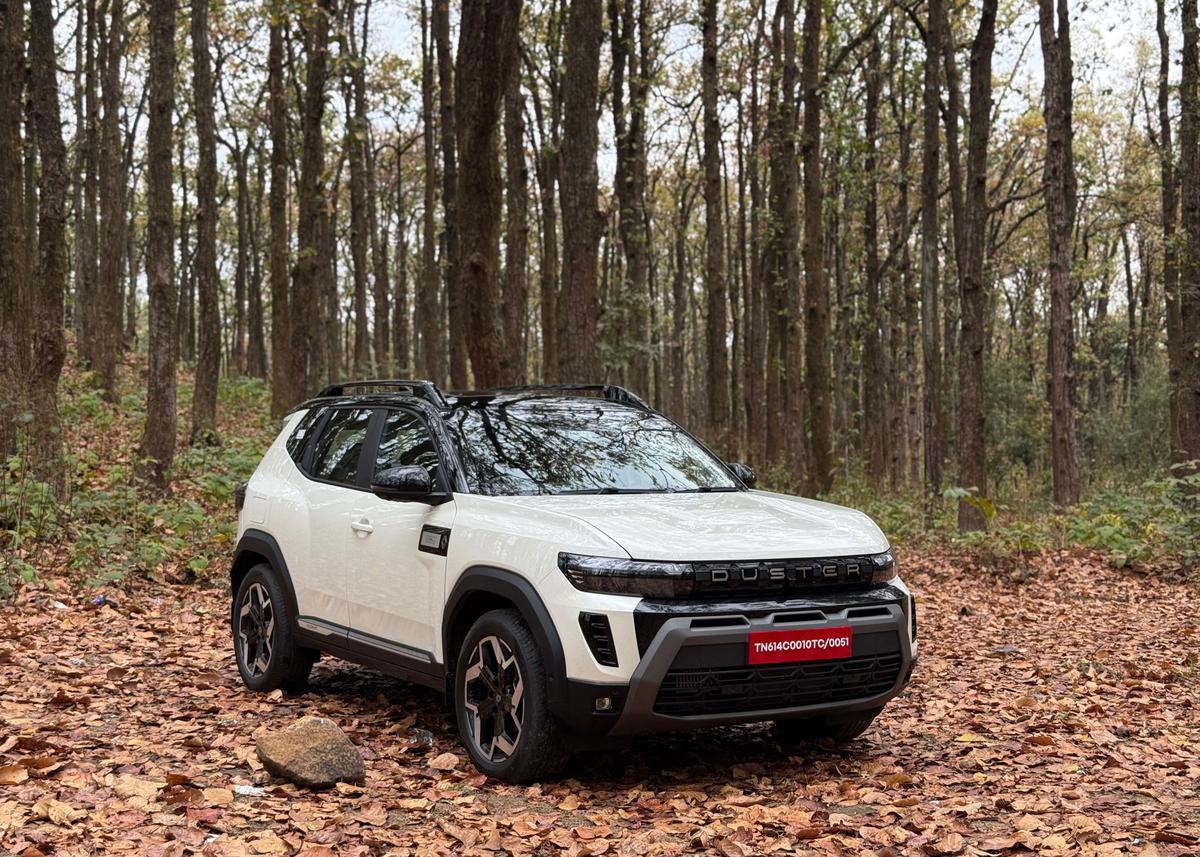
While the Bridger captures the headlines, the real story is the Renault Group Modular Platform (RGMP). The Bridger will be the second vehicle in India to utilize this architecture, following the recently launched all-new Renault Duster.
The RGMP represents a foundational shift for Renault. It is a "multi-energy" platform, meaning it was engineered from the ground up to support:
- Internal Combustion Engines (ICE)
- Flex-fuel applications
- Strong Hybrids (HEV)
- Battery Electric Vehicles (BEV)
This flexibility is crucial in a market like India, where the transition to electric vehicles is happening alongside a resurgence in hybrid demand and a continued reliance on petrol and CNG.
Chronology: From Market Entry to the 2030 Roadmap
Renault’s journey in India has been a series of peaks and plateaus. To understand where they are going with the Bridger and the Duster, one must look at the timeline of their evolution in the country.
The Duster Era (2012–2020)
Renault’s initial success was built on the first-generation Duster, which virtually created the midsize SUV segment in India. However, as competitors flooded the market, Renault shifted focus toward the "Entry" segment to build volume.
The Entry Platform Pivot (2015–2023)
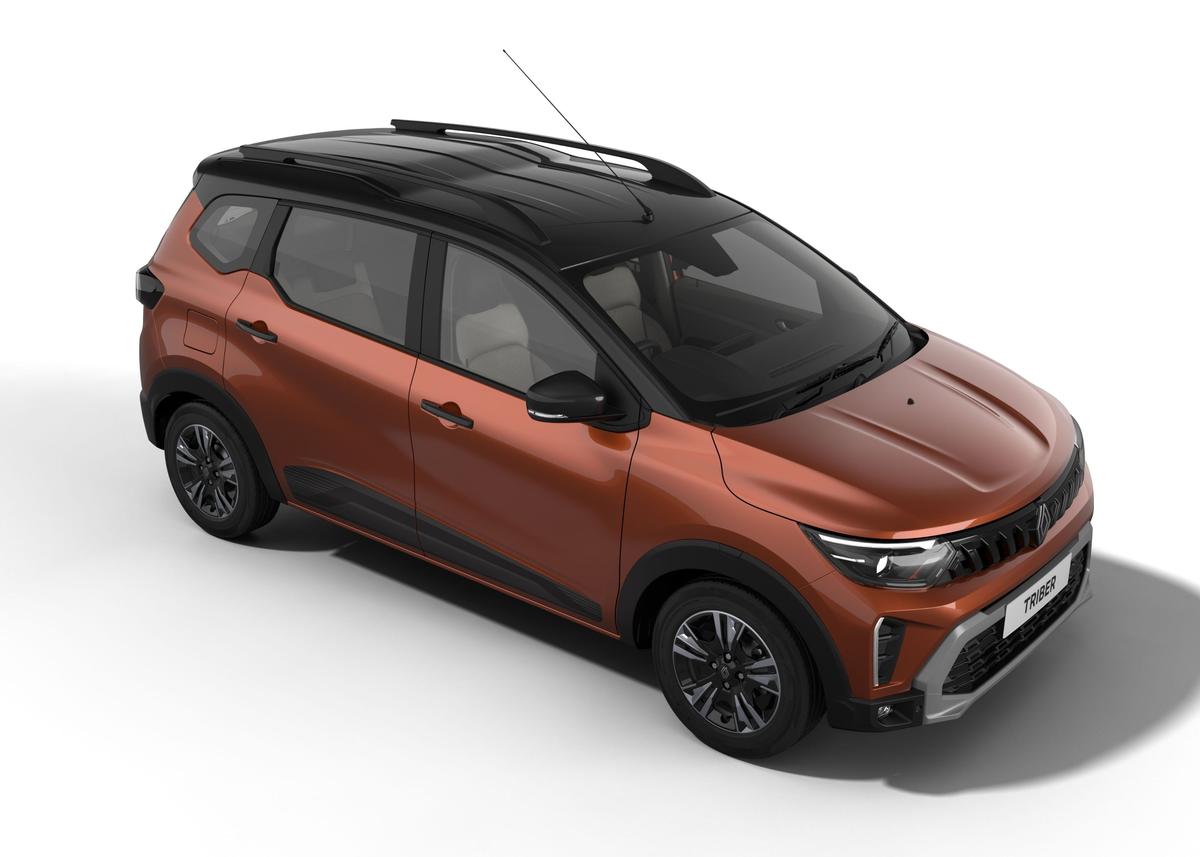
The introduction of the Kwid, followed by the Triber and the Kiger, saw Renault utilizing the RGEP (Renault Group Entry Platform). This era was defined by "frugal engineering"—delivering maximum space and features at a price point that challenged domestic leaders. While successful in establishing a massive service footprint and brand recognition, this strategy left a gap in the premium and mid-tier segments.
The New Era: 2024 and Beyond
The current phase, marked by the reveal of the Bridger and the return of the Duster, represents a move back into the "heart of the market."
- Late 2023: Renault announces a multi-billion Euro investment for India.
- Early 2024: The all-new Duster is launched on the RGMP platform, reintroducing Renault to the midsize SUV space.
- Late 2024 (Festive Season): A strong hybrid variant of the Duster is slated for release, marking Renault’s first major play in the Indian hybrid space.
- 2025–2027: The production version of the Bridger Concept is expected to debut, alongside the expansion of the EV portfolio.
- By 2030: Renault aims to have seven distinct models in its Indian portfolio.
Supporting Data: Engineering a Dual-Platform Future
Renault’s strategy is not a "one-size-fits-all" approach. Instead, it is bifurcated into two distinct technological pillars: the RGEP and the RGMP.
The RGEP (Renault Group Entry Platform)
This remains the backbone of Renault’s volume play. It currently underpins the Kiger and Triber. Data from Renault’s Chennai operations indicates that this platform is undergoing a continuous evolution:
- CNG Integration: With rising fuel costs, Renault is integrating factory-fitted CNG kits into the RGEP lineup (Kiger and Triber) to lower running costs.
- Performance Upgrades: Responding to consumer feedback regarding the Triber’s performance under full load, a more powerful engine option is currently in the final stages of development.
The RGMP (Renault Group Modular Platform)
The RGMP is the "sophisticated" sibling. It enables more advanced electrical and electronic (E/E) architectures. This allows for:
- Advanced Driver Assistance Systems (ADAS): The platform can support Level 2 ADAS features.
- Software-Defined Vehicle (SDV) Capabilities: Greater integration for over-the-air (OTA) updates and advanced infotainment systems.
- Global Exports: Because RGMP meets international safety and emission standards, vehicles built on this platform in Chennai are being earmarked for export to global markets.
Market Ambitions
Renault has publicly stated that India is now among its top three global markets. The company expects the Indian operations to contribute nearly 35 per cent of its global sales in the near future. This is a massive jump from previous years and underscores why the investment in the RGMP was necessary.
Official Responses: Insights from Chennai
During a recent showcase of the RGMP architecture at Renault’s manufacturing and engineering hub in Chennai, leadership emphasized that India is no longer just a "satellite" market for the group.
François Provost, CEO of Renault Group (International Development), has noted that the scale of the Chennai facility allows for full control over the manufacturing lifecycle. This "in-country" capability means that Renault can bypass many of the supply chain bottlenecks that plague importers.
Stéphane Deblaise, CEO of Renault Group (India), highlighted the "technical robustness" of the new plan. According to Deblaise, the Bridger Concept and the new Duster are not just "Indian products," but "Global products optimized for India." He emphasized that the dual-platform strategy allows the brand to cover the widest possible spectrum of the market—from the value-conscious first-time buyer (via RGEP) to the tech-savvy urban professional (via RGMP).
The official stance from Renault is clear: The company is moving away from being a "niche" player and is positioning itself as a "mainstream" heavyweight capable of taking on the market leaders in every sub-segment of the SUV category.
Implications: What This Means for the Indian Buyer and the Industry
The shift in Renault’s strategy has several far-reaching implications for the Indian automotive ecosystem.
1. The Democratization of Hybrid Technology
By bringing a "strong hybrid" variant to the Duster and potentially the Bridger, Renault is challenging the current duopoly in the hybrid space. This will likely lead to more competitive pricing for fuel-efficient, self-charging electric vehicles, making them accessible to a broader demographic beyond the luxury segment.
2. India as a Global R&D Hub
The work being done in Chennai on the RGMP platform isn’t just for local consumption. The engineering base in India is now handling global programs. This implies a higher standard of build quality and safety for Indian consumers, as the cars must meet the stringent requirements of international markets where they will eventually be exported.
3. The Future of the "Multi-Energy" Mix
Renault’s refusal to "pick a side" between ICE and EV is a pragmatic response to India’s infrastructure reality. By using a platform (RGMP) that can adapt to whatever the regulatory environment demands, Renault protects its customers from rapid depreciation. A buyer who chooses an ICE Bridger today can feel confident that the platform itself is future-proofed for the eventual transition to electric.
4. Competitive Pressure in the B-SUV Segment
The Bridger Concept enters a segment currently dominated by established players. However, Renault’s focus on "rugged utility" rather than "soft-road aesthetics" could carve out a unique niche. If Renault can successfully address the power-train limitations of its past and leverage the modularity of the RGMP, it poses a significant threat to the status quo.
Conclusion: A Measured and Robust Path Forward
Renault’s "Phase 2" in India is characterized by a level of cohesion that was perhaps missing in previous years. The Bridger Concept is the flashy centerpiece, but the structural integrity of the plan lies in the RGMP architecture and the 2030 roadmap.
By balancing the cost-efficiencies of the RGEP with the technological prowess of the RGMP, Renault is building an ecosystem that can scale. As the brand looks to contribute 35 per cent of its global sales from this region, the Bridger isn’t just a new car—it’s the bridge to Renault’s future as a dominant force in one of the world’s most vital automotive markets.
From the engineering floors of Chennai to the showroom floors across the country, the message is the same: Renault is no longer just participating in the Indian market; it is looking to lead it.
