

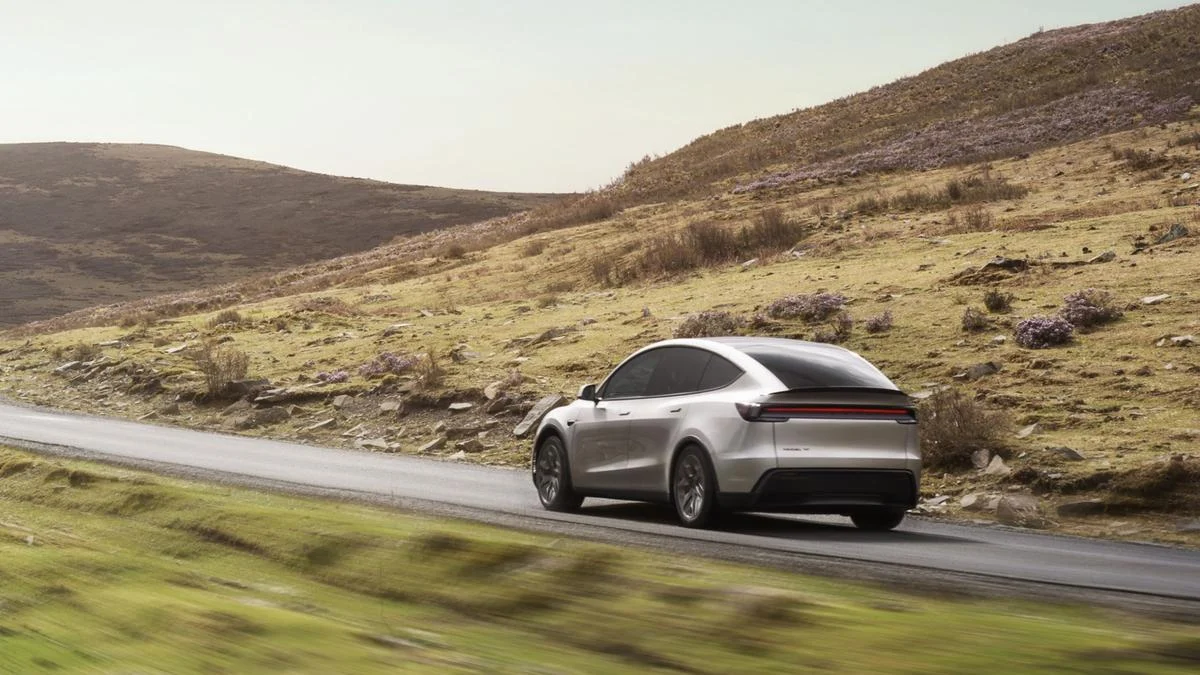
The long-anticipated arrival of Tesla on Indian shores has transitioned from speculative headlines to a tangible, road-ready reality. However, rather than the aggressive, disruptive entry many expected, the American electric vehicle (EV) giant has opted for a calculated, surgical approach. The introduction of the Tesla Model Y L, priced at ₹61.99 lakh, marks a pivotal moment in the Indian automotive landscape. It is a vehicle that appears less concerned with chasing raw performance records and more focused on addressing the specific, often idiosyncratic, demands of the Indian luxury car buyer.
By prioritizing interior volume, chauffeur-driven comfort, and a competitive price-to-feature ratio, Tesla is signaling a shift in its global strategy—one where localization and pragmatism take precedence over sheer brand bravado.
Main Facts: A Tailored Experience for the Indian Market
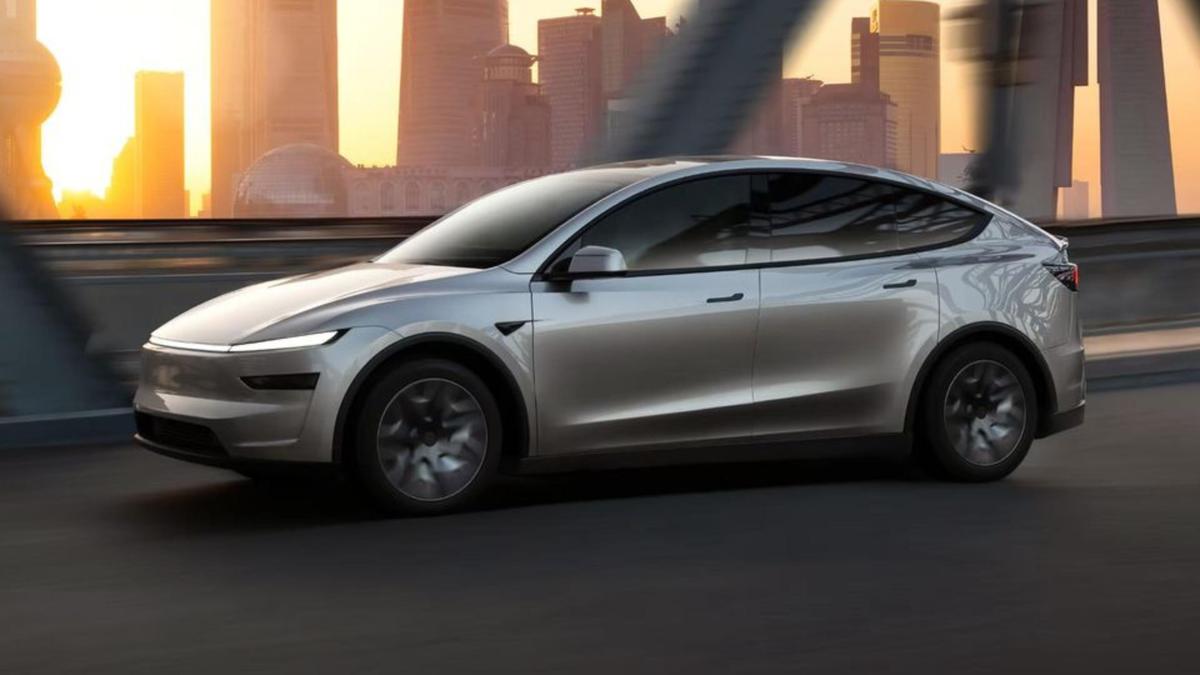
The Tesla Model Y L is not merely a carbon copy of the standard Model Y found in North American or European markets. The "L" designation, while nodding toward its long-range capabilities, increasingly signifies a focus on "Layout" and "Luxury" tailored for markets that value multi-passenger utility.
The Six-Seat Configuration
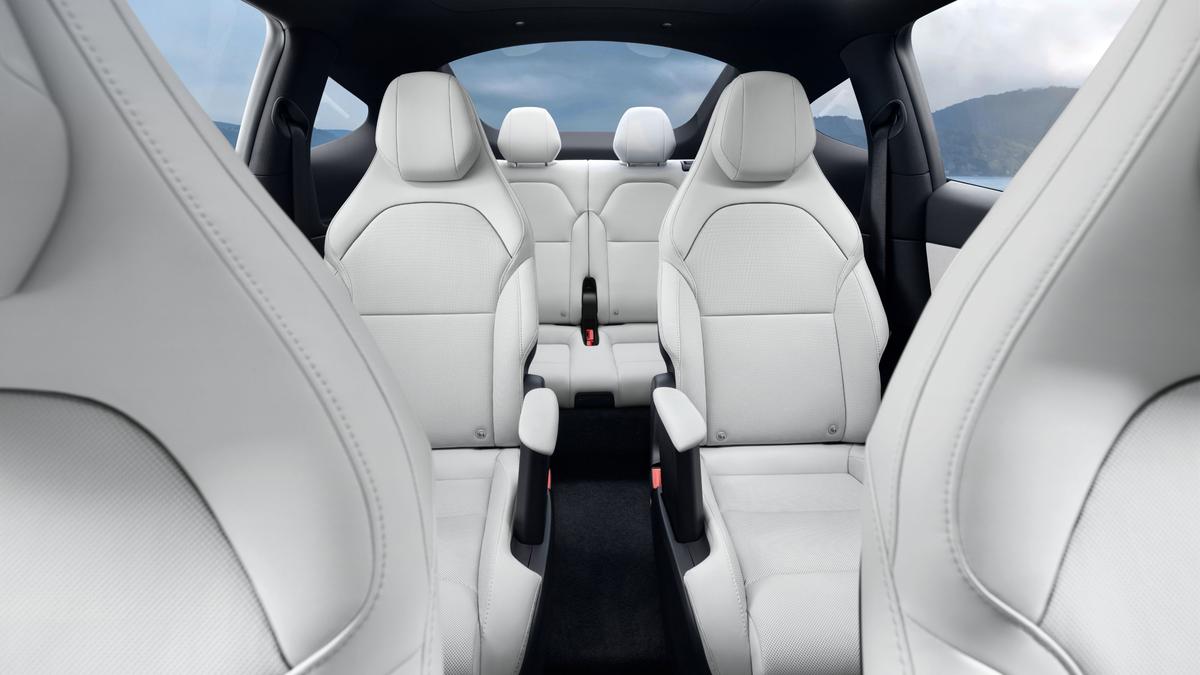
The most significant departure from Tesla’s global norm is the three-row, six-seat configuration. In a market where the premium segment is dominated by families and individuals who often employ drivers, the traditional five-seat bench layout often falls short. Tesla has addressed this by installing second-row captain seats. These are not merely extra chairs; they are equipped with:
- Climate Control: Integrated heating and ventilation.
- Ergonomics: Powered armrests and one-touch folding mechanisms for easy access to the rear.
- Third-Row Utility: Unlike many "5+2" SUVs where the third row is cramped, the Model Y L offers power-reclining rear seats and dedicated climate vents, ensuring the vehicle functions as a genuine six-seater rather than a five-seater with an emergency bench.
Performance and Range
While the focus has shifted toward comfort, the Model Y L remains a Tesla at its core. The All-Wheel Drive (AWD) variant delivers a 0–100 km/h acceleration time of just 5.0 seconds. More importantly for the Indian consumer—who often faces "range anxiety" due to developing charging infrastructure—the vehicle boasts a WLTP-rated range of up to 681 km. This puts it at the top of its class, making intercity travel between hubs like Delhi-Jaipur or Mumbai-Pune a seamless reality.
Pricing and Positioning
At ₹61.99 lakh, the Model Y L sits in a high-stakes "sweet spot." It undercuts several European luxury electric SUVs while offering more seating capacity and superior software integration. This pricing strategy suggests that Tesla is utilizing the Indian government’s revised EV import policies, which allow for lower duties in exchange for commitments toward local investment.
Chronology: The Road to the Indian Launch
Tesla’s journey to India has been a decade-long saga of negotiations, policy pivots, and strategic patience.
- 2015–2020: The Early Interest: Initial talks between Elon Musk and the Indian government began nearly a decade ago. However, Tesla’s insistence on lower import duties before committing to a local factory created a multi-year stalemate.
- 2021: The Registered Entity: Tesla Motors India and Energy Private Limited were incorporated in Bengaluru. Test mules of the Model 3 and Model Y began appearing on Indian roads, though high import taxes (up to 100%) remained a primary barrier to a commercial launch.
- 2023: The Policy Breakthrough: High-level meetings between Tesla executives and Indian commerce ministry officials led to a framework for a new EV policy. The Indian government signaled a willingness to reduce import duties for manufacturers who commit to investing at least $500 million and setting up local manufacturing units within three years.
- 2024–2025: Infrastructure and Homologation: Tesla began the process of setting up its initial Supercharger network in major metros. The Model Y L underwent specific homologation to ensure the chassis and suspension could handle India’s diverse road topography.
- May 2026: The Official Debut: The Model Y L is officially launched, representing the first major pillar of Tesla’s Indian portfolio, aimed squarely at the heart of the premium SUV segment.
Supporting Data: Technical Specifications and Market Context
To understand why the Model Y L is positioned for success, one must look at the data that differentiates it from both its internal combustion engine (ICE) rivals and other EVs.

Dimensions and Cargo
One of the Model Y L’s strongest selling points is its class-leading space utilization.
- Cargo Capacity: Up to 2,539 liters with seats folded. This is significantly higher than most luxury rivals in the mid-size segment.
- Acoustics: The use of 360-degree acoustic glass ensures that the cabin remains insulated from the high ambient noise levels typical of Indian urban environments.
The Digital Ecosystem
Tesla’s "Software Defined Vehicle" (SDV) approach is a major differentiator in a market becoming obsessed with tech-heavy cabins.
- The Interface: A central 15-inch touchscreen manages everything from navigation to climate.
- Connectivity: Standard features include live traffic visualization, satellite-view maps, and a premium 18-speaker audio system (including a dedicated subwoofer).
- Entertainment: Integrated streaming for Spotify, YouTube, and Netflix allows the car to serve as a mobile lounge during charging stops or long waits in traffic.
Charging Infrastructure (Current Status)
Tesla’s entry is supported by a nascent but growing proprietary network:
- Superchargers: 5 stations currently active, housing 20 Superchargers.
- Destination Charging: 14 Wall Connectors installed at premium hotels and malls.
- Expansion Plan: Tesla has committed to doubling this footprint within the next 12 months, focusing on the "Golden Quadrilateral" highways.
Official Responses and Strategic Context
The Indian government’s stance has evolved from cautious protectionism to active facilitation. Officials from the Ministry of Heavy Industries have noted that Tesla’s entry is expected to act as a catalyst for the entire ecosystem.

"The arrival of global EV leaders like Tesla validates India’s position as a burgeoning hub for green mobility," a senior official commented during the policy revision. "Our focus is on ensuring that global technology meets local manufacturing, creating a win-win for the consumer and the economy."
Industry analysts suggest that the Model Y L is a "bridge" product. By importing the vehicle under the new duty-restricted quota, Tesla can test market preferences—such as the demand for the six-seat layout—before finalizing the blueprints for its proposed "Gigafactory India." This facility is rumored to be the future home of a more affordable, mass-market Tesla (often referred to as the ‘Model 2’), but for now, the Model Y L serves as the brand’s premium ambassador.
Implications: How the Model Y L Changes the Game
The introduction of the Model Y L at its current price point has profound implications for the Indian automotive market.
1. Pressure on Traditional Luxury Brands
Legacy manufacturers like Mercedes-Benz, BMW, and Audi have enjoyed a relatively comfortable period in the Indian EV space. The Model Y L, however, offers a level of software integration and charging speed that many legacy platforms struggle to match. At ₹61.99 lakh, it competes directly with the BMW iX1 and Volvo XC40 Recharge, but with the added utility of a third row and a more recognizable global "EV-first" brand identity.
2. The "Chauffeur Factor"
In India, the rear seat is often more important than the driver’s seat. By opting for captain seats in the second row, Tesla has shown a rare willingness to adapt its minimalist DNA to local culture. This move could force other EV makers to rethink their "global standard" interiors in favor of localized configurations.
3. Acceleration of Charging Infrastructure
Tesla’s Supercharger network is legendary for its reliability. Even a small number of Tesla-exclusive chargers will set a new benchmark for uptime and ease of use in India, likely pushing third-party providers like Tata Power and Zeon to improve their service levels.
4. The "Tesla Effect" on Local Manufacturing
Tesla’s presence is expected to accelerate the local supply chain. Component manufacturers in India, particularly those dealing with electronics and battery thermal management, now have a high-profile client to court. This could lead to a trickle-down effect, making EV components cheaper and more accessible for domestic manufacturers like Mahindra and Tata Motors.
5. Redefining "Value" in the Premium Segment
For a long time, "value" in the Indian luxury market meant more chrome and leather. Tesla is redefining value as a combination of range, OTA (Over-The-Air) updates, and autonomous hardware. The Model Y L isn’t just a car; it is a platform that improves over time—a concept that is highly attractive to India’s tech-savvy younger millionaires.

Conclusion
The Tesla Model Y L is a statement of intent. It reflects a company that has moved past its "disrupt at all costs" phase and entered a period of "strategic relevance." By identifying the Indian consumer’s need for space, range, and status—and pricing it within reach of the upper-middle-class professional—Tesla has laid a sophisticated foundation.
While the limited service and charging network remain hurdles for widespread adoption in Tier-2 and Tier-3 cities, the Model Y L is perfectly positioned to dominate the urban premium market. It is not just a new car launch; it is the beginning of a new chapter in India’s journey toward an electrified future.
