

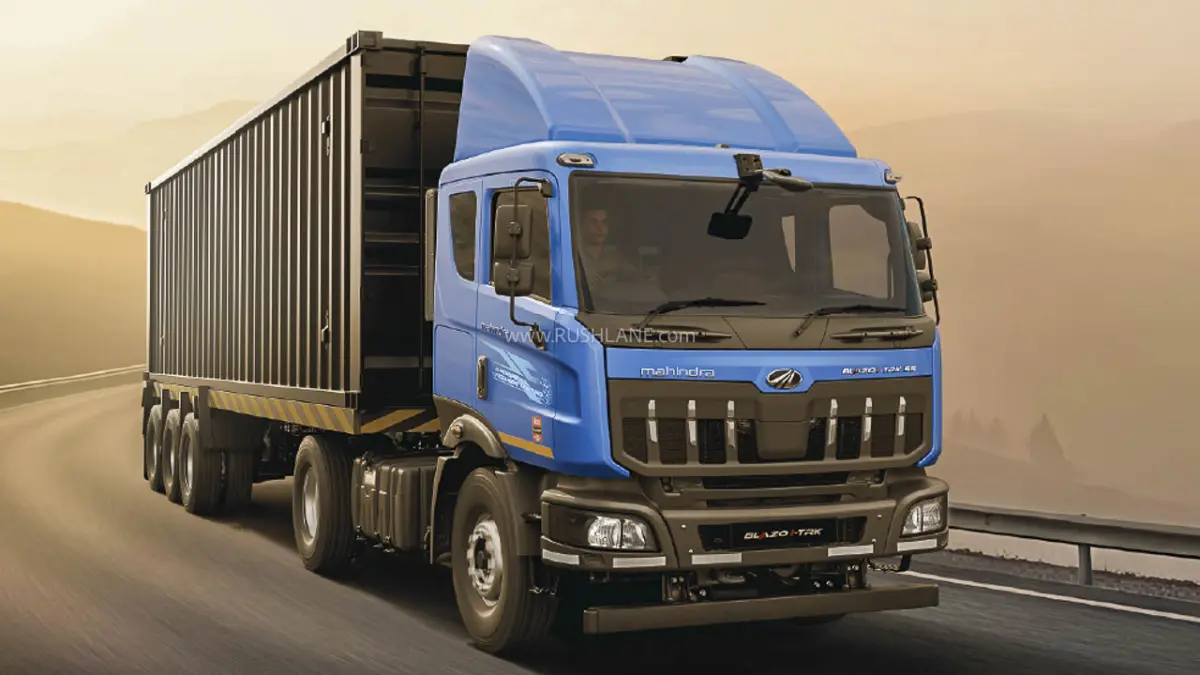
The Indian commercial vehicle (CV) industry, often cited as the backbone of the nation’s economy and a primary barometer for industrial health, reached a significant milestone in September 2026. According to the latest retail data, the sector has demonstrated remarkable resilience and growth, crossing the psychological and operational threshold of 100,000 units in a single month. With a surge driven by infrastructure development, a robust e-commerce ecosystem, and a revitalized manufacturing sector, the industry is signaling a period of sustained expansion.
Main Facts: A Comprehensive Overview of the September Surge
The commercial vehicle retail landscape in September 2026 was characterized by double-digit growth across almost all metrics. Total retail sales reached 1,03,557 units, a staggering 37.62% increase compared to the 75,246 units sold in September 2025. This year-on-year (YoY) gain of 28,311 units highlights a significant shift in fleet procurement and logistical demand over the past twelve months.
Beyond the annual comparison, the industry also showed strong sequential momentum. Sales improved by 14.09% month-on-month (MoM), rising from the 90,769 units recorded in August 2026. This upward trajectory suggests that the cooling-off period often seen during the monsoon months was shorter than usual, as businesses prepared for the peak festive season and year-end construction pushes.
The Market Leaders
The "Big Three" of the Indian CV market—Tata Motors, Mahindra & Mahindra, and Ashok Leyland—continued to exert their dominance. Collectively, these three manufacturers accounted for approximately 80% of the total retail volumes in September.
- Tata Motors maintained its position at the top of the pyramid, capturing a 34.70% market share.
- Mahindra & Mahindra secured the second spot, driven by strong demand in the light commercial vehicle (LCV) and pickup segments, holding a 26.73% share.
- Ashok Leyland rounded out the top three with an 18.56% market share, benefiting from a resurgence in the medium and heavy commercial vehicle (M&HCV) segments.
Chronology: The Road to 1.03 Lakh Units
The journey to the September 2026 peak has been a steady climb marked by various economic catalysts. To understand the current success, one must look at the timeline of the past year.
Q4 2025 – Q1 2026: Setting the Foundation
Following a stable 2025, the industry began to see the fruits of government-led infrastructure initiatives. The "Gati Shakti" national master plan and increased capital expenditure on highways created a sustained demand for heavy-duty tippers and long-haul trucks. By early 2026, manufacturers began ramping up production to meet a growing backlog of orders.
Q2 2026: The Seasonal Dip and Recovery
While the April-June quarter typically sees a slowdown due to the onset of the monsoon and the end of the financial year buying spree, 2026 remained relatively buoyant. The demand for last-mile delivery vehicles, fueled by the deepening penetration of e-commerce into Tier 2 and Tier 3 cities, acted as a buffer against the usual seasonal downturn.
August 2026: The Turning Point
In August 2026, the market recorded 90,769 units. This was the first clear signal that the industry was heading for a record-breaking September. Manufacturers launched several new models, particularly in the electric and CNG categories, to entice fleet operators looking to optimize their Total Cost of Ownership (TCO).

September 2026: The Record Month
The final month of the second quarter (Q2 FY27) saw all eight listed manufacturers registering year-on-year growth. The month was punctuated by aggressive financing schemes and a push by dealerships to clear inventory before the high-demand festive window of October and November.
Supporting Data: Manufacturer Performance Breakdown
The granular data for September 2026 reveals a competitive landscape where even smaller players are finding significant room to grow.
The Heavyweights
Tata Motors led the charge with 35,931 units sold, up from 24,449 units in the previous year. This 46.96% growth represents the largest volume gain in the industry, contributing nearly 41% of the total sector growth. Tata’s ability to offer a diverse portfolio, from the "Ace" in the small commercial vehicle (SCV) category to heavy-duty Prima trucks, remains its greatest strength.
Mahindra & Mahindra recorded 27,677 units, a 25.84% increase over September 2025’s 21,994 units. Mahindra’s dominance in the pickup segment continues to be the primary engine of its CV growth, supported by a growing presence in the electric three-wheeler and small truck markets.
Ashok Leyland saw sales of 19,223 units, a 36.33% increase from 14,100 units. The company’s focus on modular platforms and alternative fuels has resonated well with large-scale fleet operators.
The Growth Outliers
While the leaders grew in volume, Daimler (BharatBenz) recorded the highest percentage growth among the major players. Sales surged by 62.52%, reaching 2,077 units compared to 1,278 units a year ago. This indicates a growing preference for premium, high-reliability trucks in the long-haul and mining sectors.
VECV (Volvo Eicher Commercial Vehicles) also posted a solid performance with 8,309 units, up 25.70% YoY. Their market share stood firm at 8.02%, bolstered by their strong reputation in the bus segment and the medium-duty truck market.
Mid-Tier and Niche Players
- Maruti Suzuki: Known for its Super Carry, the company registered 4,352 units (29.02% growth).
- Force Motors: A leader in the van and ambulance segments, Force recorded 2,301 units, a 37.05% increase.
- SML Mahindra: Registered 1,286 units, marking a 39.18% improvement.
Fuel Trends: The Transition Toward Green Energy
A critical component of the September 2026 report is the shifting landscape of fuel types. While traditional fuels still reign supreme, the "green shift" is becoming more visible in the retail data.

Diesel’s Undisputed Dominance
Diesel remains the lifeblood of Indian logistics. In September 2026, diesel vehicles accounted for 80.76% of the market share. Interestingly, while this is a dominant figure, it is a slight decrease from the 82.19% share held in September 2025. The high torque requirements for heavy loads and the extensive existing refueling infrastructure make diesel the default choice for long-distance transport.
The Rise of Electric Vehicles (EVs)
One of the most encouraging statistics from the report is the growth of electric commercial vehicles. The EV share rose to 4.04% in September 2026, nearly doubling from the 2.16% recorded in September 2025. While there was a slight sequential dip from August’s 5.18% (likely due to the fulfillment of large bulk orders in the previous month), the year-on-year trend is clearly upward. This growth is primarily driven by the last-mile delivery segment and municipal electric bus contracts.
CNG and Alternative Fuels
CNG and LPG vehicles held a 12.07% share, a slight increase from 11.45% a year earlier. This segment remains popular for intra-city transport and light-duty applications where fuel cost savings are paramount. Petrol and ethanol vehicles saw their share shrink to 3.11%, down from 4.14% YoY, as buyers in the small vehicle segment migrate toward either CNG or Electric options.
Official Responses and Industry Sentiment
While specific executive quotes were not provided in the primary data, industry analysts and trade bodies like FADA (Federation of Automotive Dealers Associations) have noted several key factors contributing to this boom.
Market Analysts suggest that the "replacement cycle" is currently at its peak. Trucks purchased during the previous high-growth period of 2018-2019 are now reaching the end of their optimal operational life, prompting fleet owners to upgrade to newer, more fuel-efficient, and BS6-compliant (or higher) models.
Financial Institutions have also played a pivotal role. Official reports from major NBFCs (Non-Banking Financial Companies) indicate a high "Loan-to-Value" ratio and competitive interest rates for commercial vehicle financing, which has lowered the entry barrier for small-scale operators and "First Time Buyers" (FTBs).
Government Perspectives align with the sales data, as the Ministry of Road Transport and Highways continues to push for the scrappage of older, polluting vehicles. This policy is indirectly boosting retail sales as operators trade in vintage fleets for modern alternatives.
Implications: What This Means for the Indian Economy
The fact that commercial vehicle sales have crossed the 1 lakh unit mark in a single month has several profound implications for the near future.

1. Economic Acceleration
CV sales are a "leading indicator." When truck sales rise, it usually precedes an increase in industrial production and consumer spending. The 37% YoY growth suggests that the movement of goods—from raw materials to finished consumer products—is accelerating across the country.
2. Logistics Efficiency
The influx of nearly 28,000 more vehicles compared to last September means the national logistics capacity is expanding. As newer vehicles with telematics and better fuel efficiency enter the fleet, the overall cost of logistics in India (currently around 14% of GDP) is expected to gradually decrease, making Indian exports more competitive.
3. Environmental Impact and ESG Goals
The increase in EV market share to over 4% is a significant step toward India’s Net Zero goals. As major logistics players commit to "green fleets" for their ESG (Environmental, Social, and Governance) targets, we can expect the EV share in the CV sector to hit double digits within the next 24 to 36 months.
4. Urbanization and Last-Mile Connectivity
The steady growth of players like Maruti Suzuki and Mahindra in the smaller vehicle categories highlights the ongoing urbanization of India. The "hub-and-spoke" model of delivery, where large trucks bring goods to city outskirts and small CVs handle the "last mile," is becoming more refined and data-driven.
Conclusion: A Bright Outlook for Q3 and Beyond
As India enters the third quarter of the 2026-27 financial year, the commercial vehicle sector stands on firm ground. The September retail figures are not just a collection of numbers but a testament to a nation in motion. With Tata Motors leading the volume, Daimler leading the growth percentage, and the entire industry embracing a multi-fuel future, the road ahead looks both prosperous and transformative. If the current momentum persists through the festive season, 2026 could go down as a landmark year for the Indian automotive industry.
