

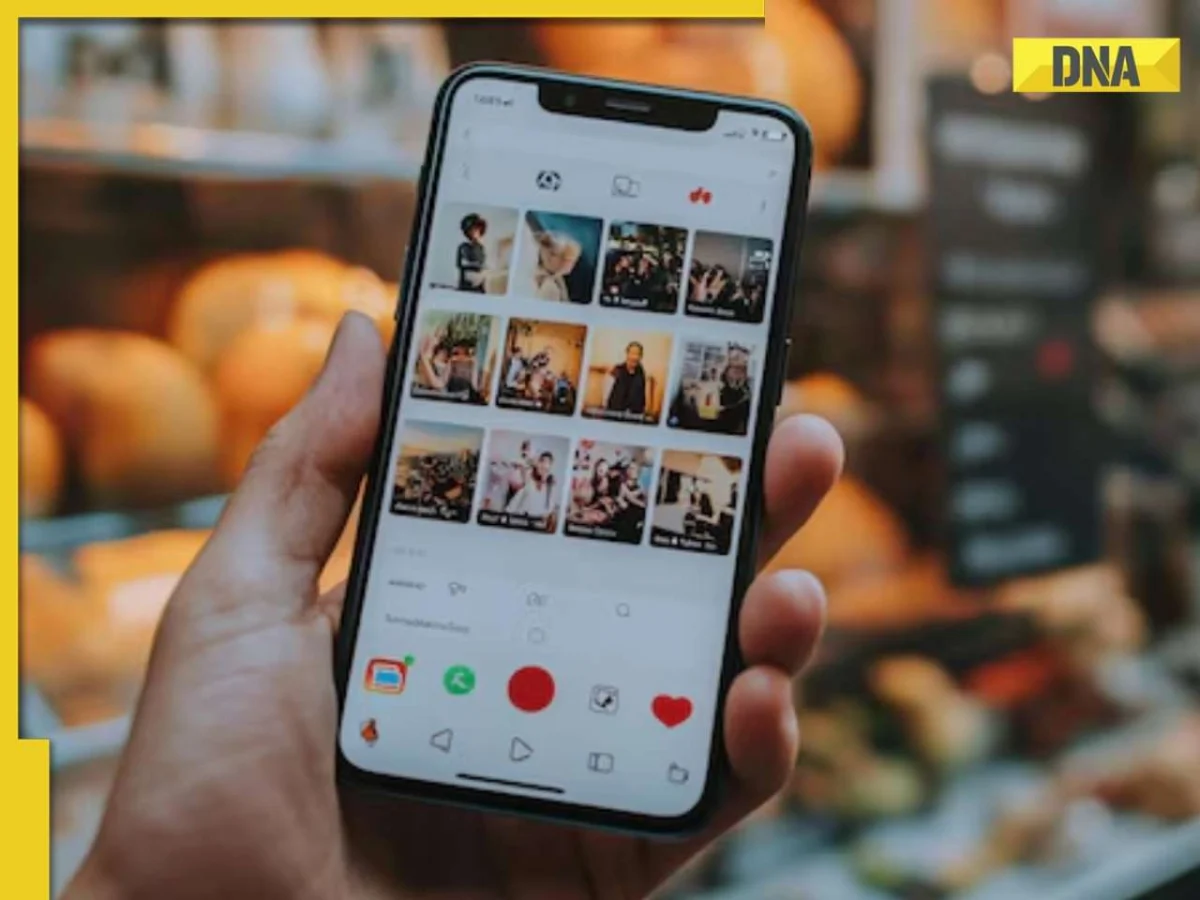
In a landscape saturated with choices and driven by digital immediacy, the fundamental principles of consumer decision-making have undergone a profound metamorphosis. Beyond the traditional pillars of price and quality, consumers are now increasingly swayed by a brand’s aesthetic appeal, its ability to evoke emotion, and the social validation it confers. This shift marks a significant evolution in marketing, transforming it from a mere purveyor of goods to a curator of experiences and identities.
The Digital Revolution: A Catalyst for Aesthetic Re-evaluation
The dawn of the digital age has irrevocably altered the consumer journey. The once-dominant paradigms of brick-and-mortar retail have been augmented, and in many cases supplanted, by the seamless integration of online and offline experiences. Artificial intelligence, the burgeoning world of social commerce, the ubiquity of mobile shopping, and the nascent potential of the metaverse are collectively sculpting a new retail ecosystem. Yet, amidst this technological whirlwind of algorithms, data analytics, and hyper-personalized recommendations, a seemingly anachronistic yet enduring element has resurged with remarkable potency: beauty.
Aestheticism in marketing is no longer a fleeting trend; it has ascended to a central tenet in how consumers perceive, engage with, and ultimately choose brands. This paradigm shift is deeply rooted in a fundamental change in consumer psychology, where the tangible attributes of a product are increasingly secondary to its intangible allure.
)
Beyond Utility: The Rise of Identity and Emotional Connection
The bygone era where price and sheer quality were the sole arbiters of purchasing decisions is rapidly fading into memory. Today’s consumers are not merely acquiring products; they are investing in identities, seeking emotional gratification, and curating their social standing. In an era characterized by an overwhelming abundance of options, products are increasingly expected to serve as potent signifiers of lifestyles, aspirations, and personal values.

This phenomenon is particularly pronounced among younger demographics, notably Generation Z. Platforms like Instagram and TikTok have become potent engines of consumer psychology, transforming everyday products into sophisticated social symbols. The choice of a café is often dictated by its ambiance, the selection of skincare products is influenced by their "shelf appeal," and technology gadgets are evaluated not just for their functionality but for their visual harmony and seamless integration into a desired lifestyle. This is a generation that "buys into" the aesthetic, the story, and the community a brand cultivates.
A Historical Echo: The Enduring Power of Beauty
)
The philosophy of aestheticism, with its emphasis on beauty for its own sake, traces its intellectual lineage back to the 19th century, famously championed by figures like Oscar Wilde, who posited that "the art that is frankly decorative is the art to live with." This perspective, once confined to the realm of fine arts, has now permeated the very fabric of modern branding, packaging, retail environments, and digital interfaces. Visual appeal has transcended its role as mere packaging; it has become the primary, and often most compelling, argument a brand presents to the consumer. Companies are meticulously designing products and crafting experiences to be inherently "aesthetic," recognizing that appearance profoundly influences perception, desirability, and ultimately, purchasing intent.
Global Brands Paving the Way
)
A multitude of global and domestic brands have masterfully harnessed the power of aesthetics-driven marketing, demonstrating its efficacy across diverse sectors. Apple, for instance, revolutionized the perception of technology by transforming minimalism into a powerful and instantly recognizable brand identity. Glossier, a digital-native beauty brand, meticulously cultivated a pastel-hued, minimalist online ecosystem that resonated deeply with its target audience. Airbnb, in its quest to foster authentic travel experiences, actively encourages and rewards visually appealing, "Instagrammable" spaces, effectively turning hosts into brand ambassadors.
Within the Indian market, brands like Forest Essentials and Qua have adeptly interwoven traditional Indian aesthetics with aspirational lifestyle narratives. Re-Ceremonial, a wedding planning service, exemplifies how aesthetics are central to creating memorable and shareable experiences. Direct-to-consumer (D2C) brands such as boAt and The Souled Store leverage visually dynamic branding and engaging content to forge strong connections with younger, digitally-savvy consumers. Similarly, the hospitality and food service industries, from charming cafés to boutique hotels and upscale restaurants, now heavily rely on curated ambiance and "photo-worthiness" to drive foot traffic and encourage organic social media promotion.
)
Fashion, Identity, and the Currency of Cultural Capital
The fashion industry, perhaps more than any other, serves as a potent illustration of the escalating significance of aesthetics. Brands like Sabyasachi have achieved global recognition by masterfully blending intricate heritage craftsmanship with cinematic storytelling, thereby transforming aesthetic sensibilities into a form of cultural capital. Weddings today are increasingly conceived and executed with an eye towards digital visibility, where the meticulously curated décor and overall visual coherence carry profound social weight and significance. In the contemporary "attention economy," where visibility itself has become a valuable form of currency, products are expected to align with curated lifestyles and communicate nuanced messages of aspiration, social class, and a sense of belonging.
)
The Ethical Tightrope: Navigating the Nuances of Aestheticism
While the ascendance of aesthetic marketing offers undeniable benefits for brands and consumers alike, it also introduces a complex web of ethical considerations. A critical question arises: has beauty begun to eclipse substance? Is there a risk that an overemphasis on visual appeal could inadvertently manipulate consumers into prioritizing superficial appearance over genuine quality or ethical production practices? Many industries are increasingly blurring the lines between authentic value and manufactured desirability, creating a landscape where perception can easily overshadow reality.
)
Furthermore, there is a legitimate concern that narrow and often idealized definitions of beauty can inadvertently marginalize individuals from diverse backgrounds, including those of different ethnicities, body types, and socio-economic statuses. Brands are thus confronted with the significant challenge of ensuring that their aesthetic strategies are inclusive and representative, preventing the concept of beauty from devolving into an exclusive and unattainable ideal. The pursuit of aesthetic perfection must be balanced with a commitment to authenticity and broad-based representation.
The Enduring Allure: Beauty as a Strategic Imperative
)
The pervasive rise of aestheticism in marketing is not merely a superficial trend; it reflects a deeper, more fundamental human desire for experiences that are meaningful, emotionally resonant, and aesthetically pleasing. In an increasingly hyper-digital world, where consumers are bombarded with an endless barrage of choices, aesthetics serve as a crucial simplifying mechanism, enabling decision-making through emotional resonance and immediate appeal.
Beauty in commerce has transitioned from a mere luxury to a fundamental expectation, profoundly shaping how consumers interact with brands and interpret their value. It transforms the mundane act of consumption into a memorable, often shareable, experience. Today, beauty in marketing is far from being merely decorative; it is a sophisticated interplay of cultural resonance, strategic positioning, performative expression, and, undeniably, a powerful economic driver. Brands that successfully integrate authentic aesthetic appeal into their core strategies are not just selling products; they are building enduring connections and cultivating lasting loyalty in a discerning and visually driven marketplace.
