


New Delhi, India – In a significant move highlighting escalating concerns over project continuity and talent retention, the Department of Space (DoS) has reportedly enacted stringent new rules governing the resignation and voluntary retirement of scientists engaged in India’s most ambitious space missions, including the prestigious Gaganyaan human spaceflight program. This policy shift comes in the wake of a reported surge in departures from the Indian Space Research Organisation (ISRO), prompting a recalibration of administrative oversight to safeguard national strategic projects.
The internal directive, issued on July 14, mandates that all requests for resignation or voluntary retirement from scientists associated with Gaganyaan and other critical national missions will no longer be processed routinely at the centre level. Instead, such applications must now be forwarded directly to the Department of Space for a final, centralized decision. This marks a notable reversal of a 2020 administrative decision that had granted ISRO centre directors the autonomy to approve such requests for Group A scientific and technical personnel up to the scientist/engineer-SG level. The tightening of rules underscores a growing apprehension within the highest echelons of India’s space establishment regarding the potential impact of a ‘brain drain’ on its pioneering endeavours.

The Crucible of Talent: ISRO’s Recent Exodus
The catalyst for this decisive intervention appears to be a reported wave of resignations that has seen a significant number of scientists leave ISRO’s major research centres in recent months. While the Department of Space has refrained from officially disclosing precise figures, sources within ISRO, as reported by The Times of India, indicate that approximately 100 to 120 scientists have tendered their resignations. This attrition rate, though a small fraction of ISRO’s total workforce of over 14,600 employees, is particularly alarming given the strategic importance of the centres and the projects from which these scientists are departing.
Quantifying the Departures
The numbers paint a clear picture of concentrated exits from key facilities. The U R Rao Satellite Centre (URSC), a pivotal hub for satellite design, development, and realization, has reportedly witnessed the departure of around 80 scientists. Concurrently, the Vikram Sarabhai Space Centre (VSSC), which spearheads rocket and launch vehicle development, has seen at least 20 resignations. An ISRO source, speaking to TOI, conservatively estimated the total number of exits to be "roughly up to 120," acknowledging that more cases might still be under evaluation. These figures are significant, particularly for centres with specialized mandates where institutional knowledge and experience are paramount. At the end of the last financial year, URSC had 1,339 employees, while VSSC accounted for 4,577, making the loss of dozens of experienced personnel a noticeable reduction in their operational strength.
)
High-Profile Exits Raise Alarm
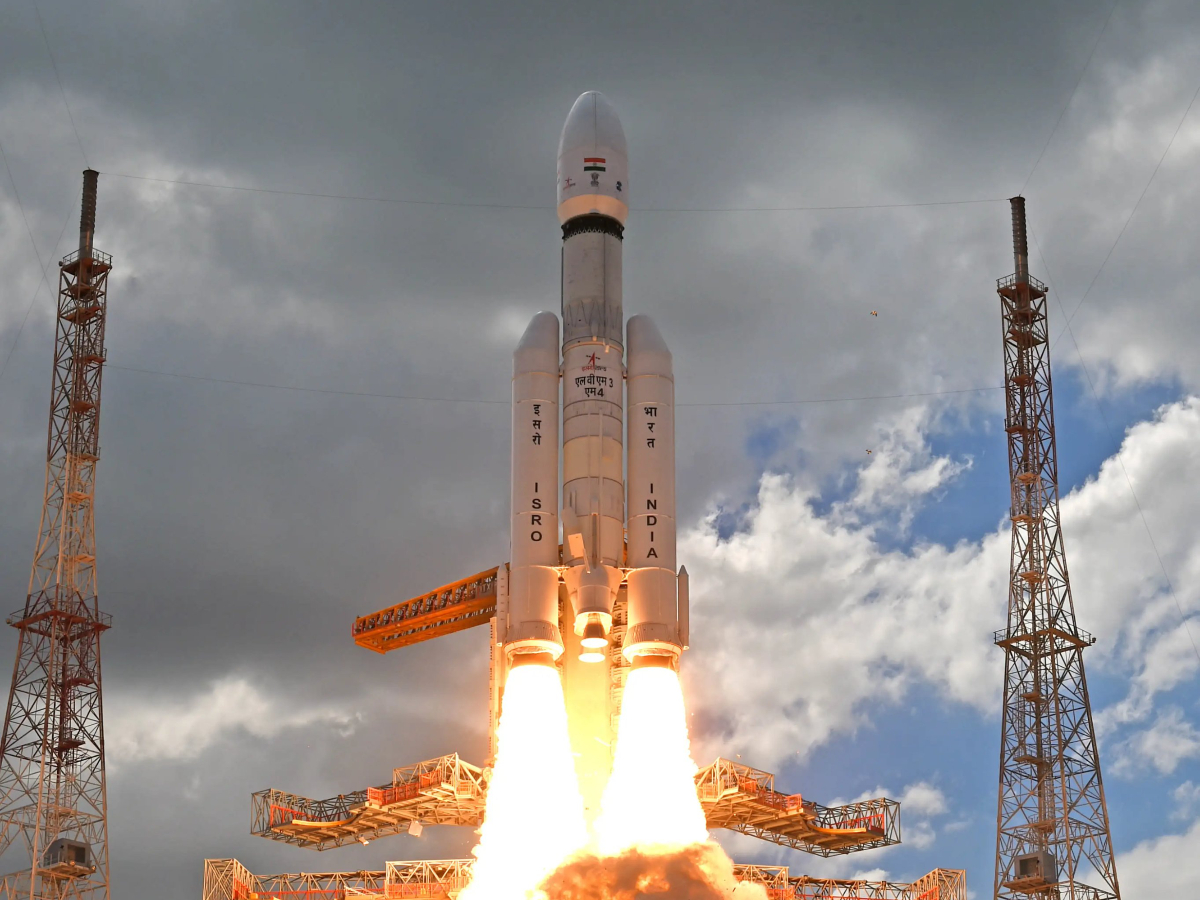
Compounding the concern is the calibre of some of the individuals who have reportedly left. Sources claim that several senior scientists, including those holding critical leadership roles in major missions, are among the departed. Notable examples cited include Victor Joseph, the project director for the LVM-3 (Launch Vehicle Mark-3) program at VSSC – ISRO’s heaviest operational launch vehicle, crucial for missions like Chandrayaan and Gaganyaan. Similarly, the project director for SpaDeX (Space Docking Experiment) from URSC has also reportedly resigned. Adding to the apprehension is the departure of a "very bright young person" who was an integral part of the Chandrayaan-3 lunar mission, a recent triumph for ISRO.
The loss of such key personnel, particularly project directors and experienced engineers, carries profound implications. These individuals embody years of accumulated expertise, institutional memory, and leadership vital for steering complex, multi-year projects. Their sudden departure can lead to knowledge gaps, necessitate extensive retraining for successors, and potentially introduce delays or complications in the execution of ongoing and future missions. The impact is not merely quantitative; it is a qualitative blow to the intellectual capital that underpins ISRO’s global standing.
)
The Policy Shift: A Strategic Recalibration
The new policy outlined in the internal memorandum is a direct response to this perceived threat to India’s space ambitions. It explicitly states that the recent "spate of requests for voluntary retirement and resignation from Group ‘A’ scientific/technical personnel including those associated with prestigious Gaganyaan and other important missions/projects severely impacting implementation of projects of national importance."
From Autonomy to Centralized Oversight
Under the updated directive, directors of ISRO centres have been advised against independently approving resignation or voluntary retirement requests from scientists working on Gaganyaan and other designated "important missions" until those specific projects reach completion. Instead, every single case must now be meticulously forwarded to the Department of Space, accompanied by the respective director’s recommendation, for a final, overarching decision. This centralisation of authority reflects a recognition at the highest levels that the stakes are too high to allow for routine processing of departures, especially from personnel engaged in strategically critical initiatives.

The reversal of the 2020 administrative decision is particularly telling. That earlier policy was likely aimed at streamlining administrative processes and empowering centre heads. Its undoing now signals an urgent need for greater control and scrutiny over talent movement, prioritising national project continuity over administrative decentralization.
Safeguarding National Ambitions
The focus on "Gaganyaan and other important missions" highlights the strategic imperative behind the DoS’s intervention. Gaganyaan, India’s maiden human spaceflight mission, is not merely a scientific endeavour but a monumental national project symbolizing India’s technological prowess and global aspirations. Any disruption to its timeline or the integrity of its core team could have significant ramifications for India’s geopolitical standing and its ambitious space agenda. Similarly, other unnamed "important missions" likely include future planetary explorations, advanced satellite development, and strategic defence applications, all of which require uninterrupted dedication from highly specialized scientific and technical teams.
)
By tightening the reins, the DoS aims to create a more controlled environment where critical talent is retained, or at least its departure is managed in a way that minimizes disruption to these high-priority projects. This proactive measure is intended to ensure that India’s space program maintains its momentum and achieves its ambitious targets without undue setbacks caused by unforeseen talent drain.
Official Stance and Reassurance
Amidst the concerns, ISRO’s leadership has acknowledged the phenomenon while seeking to reassure stakeholders about the organisation’s resilience and preparedness.
)
ISRO Chairman Acknowledges, Assures Continuity
ISRO Chairman V. Narayanan, addressing the issue, conceded that a number of scientists have indeed left the organisation. However, he emphasized that ISRO possesses robust internal systems designed to ensure that projects continue without significant disruption. "Yes, a lot of people go, but that’s part of every organisation," Narayanan told TOI. He further clarified the intent behind the new memorandum: "The move [memorandum] isn’t only to retain, but also to ensure that important projects don’t suffer all of a sudden. But if someone is still going, someone else will take responsibility. We’re taking care of it."
This statement reflects a pragmatic approach: while efforts are being made to retain talent, ISRO also operates with a foundational understanding of personnel turnover and has contingency plans in place. The chairman’s remarks aim to convey confidence in ISRO’s institutional strength and its ability to adapt to changes in its workforce composition.
)
The Resilient Framework of ISRO
ISRO, as a mature and multi-generational space agency, has historically relied on a strong framework of internal training, succession planning, and collaborative project execution. Teams are often structured to allow for knowledge transfer, and critical roles typically have identified successors or a pool of capable individuals. This institutional resilience is what the chairman alludes to. Scientists often work in interconnected groups, ensuring that the departure of one individual, even a senior one, does not entirely cripple a project. However, the sheer number and the specific roles of those departing, as reported, suggest that even a robust system can be stretched, necessitating the DoS’s more stringent measures. The challenge lies in replacing not just bodies, but deep, specialized experience that can take years, if not decades, to cultivate.
Unpacking the Root Causes: A Deeper Look at Attrition
While the immediate concern is project continuity, the reported surge in resignations also compels a deeper examination of the underlying factors contributing to attrition within ISRO, an issue that is not entirely new to the organisation.
)
A Persistent Challenge
Attrition is not a novel phenomenon for ISRO. Historical data reveals that the organisation has faced similar challenges in the past. For instance, nearly half of ISRO’s new recruits between 2004 and 2007 reportedly left the organisation. More recently, official figures indicate that approximately 700 employees resigned between 2012 and 2024. These statistics suggest that while the current situation might be more acute due to the specific roles of the departing scientists and the high-stakes missions involved, the fundamental issue of talent retention has been a long-term strategic concern for India’s premier space agency.
Competitive Landscape and Career Aspirations
Several factors likely contribute to scientists choosing to leave ISRO, often revolving around career aspirations, compensation, and opportunities within a rapidly evolving global and domestic space sector:
)
- Compensation: While ISRO offers the prestige of working on national missions, government salaries often lag behind those offered by leading private sector companies, both in India and internationally. The burgeoning global tech and space industry, including giants like SpaceX, Blue Origin, and traditional aerospace firms, can offer significantly more attractive remuneration packages.
- Career Growth and Autonomy: Some scientists may seek faster career progression paths, greater autonomy in research, or opportunities to work on cutting-edge commercial applications that might not always be the primary focus within a government-mandated space program. The allure of entrepreneurial ventures or roles in dynamic startups can be strong.
- Work-Life Balance: The demands of high-pressure, mission-critical projects at ISRO can be intense, potentially leading to long hours and significant stress. Some individuals might seek roles that offer a better work-life balance or a different professional environment.
- Global Opportunities: The global space industry is experiencing a boom, creating unprecedented demand for skilled aerospace engineers, scientists, and technologists. Indian scientists, renowned for their talent and strong foundational education, are highly sought after internationally.
- Rise of India’s Private Space Sector: India’s own private space sector has seen significant growth, with startups like Skyroot Aerospace and Agnikul Cosmos making rapid strides. These companies, often backed by venture capital, can offer competitive salaries, equity options, and the excitement of working in a fast-paced, innovative environment, thereby creating new domestic alternatives for ISRO talent.
The Lure of the Private Sector
The growth of India’s private space industry, fostered by government reforms, is a double-edged sword for ISRO. While it broadens the ecosystem and contributes to national space capabilities, it also creates a new talent drain. Talented scientists and engineers, armed with invaluable experience from ISRO, are prime candidates for these startups, offering them opportunities to apply their skills in a different, often more commercially oriented, context. This internal competition for talent adds another layer of complexity to ISRO’s retention strategies.
Mitigation and Future Outlook
ISRO is not merely reacting to the current attrition challenge; it has been proactively implementing strategies to strengthen its workforce and talent pipeline.
)
Strategic Recruitment and Cadre Review
To counteract the departures and ensure a robust future workforce, ISRO’s 2025-26 annual report indicates that recruitment for approximately 1,050 scientific, technical, and administrative posts is currently in advanced stages. This significant intake is designed to replenish ranks, bring in fresh talent, and ensure continuity across various projects.
Furthermore, ISRO has also undertaken structural reforms to improve career prospects and morale. The organisation has regularized 466 project posts, providing greater stability and career security for many personnel who were previously on contractual terms. Additionally, a cadre review approved last year has resulted in the creation of nearly 460 higher-grade positions. These measures aim to offer clearer career progression paths, better opportunities for advancement, and enhanced recognition for long-serving and high-performing employees, thereby making ISRO a more attractive long-term employer.
)
Fostering a Robust Talent Pipeline
Beyond direct recruitment, ISRO continuously invests in academic collaborations, research fellowships, and internal training programs to nurture a steady stream of talent. Its reputation and the appeal of working on groundbreaking missions remain strong drawcards for young graduates. The challenge, however, is not just attracting talent but retaining it over the long haul, especially given the intensifying competition.
Balancing Retention and Openness
The Department of Space’s new policy represents a critical attempt to balance the need for talent retention, particularly for strategic national projects, with the natural mobility of a highly skilled workforce in a dynamic economy. While the immediate goal is to prevent disruption to missions like Gaganyaan, the long-term solution will require a multi-faceted approach. This includes competitive compensation packages, enhanced career development opportunities, fostering a culture of innovation, and potentially exploring flexible working models where feasible, to ensure ISRO remains a magnet for top scientific and engineering minds.
)
The Road Ahead for India’s Space Ambitions
India’s space program stands at a pivotal juncture, with ambitious plans for human spaceflight, advanced planetary exploration, and a greater role in the global space economy. The success of these endeavours hinges critically on the stability and expertise of its workforce. The tightening of resignation rules by the Department of Space underscores the gravity with which the Indian government views talent retention within ISRO. It is a clear signal that the nation’s strategic space assets and human capital are considered invaluable and must be safeguarded to ensure the uninterrupted ascent of India in the global space arena. The coming months will reveal the efficacy of these new measures and how ISRO navigates the delicate balance between institutional control and fostering an environment where its brilliant minds continue to thrive and contribute to national glory.
