Colombo, Sri Lanka – July 17, 2026 – In a development that has sent shockwaves through the global cricket community, especially on the eve of a major franchise league, Manjot Kalra, a former India U-19 cricket sensation and a co-owner of the Jaffna Kings franchise in the Lanka Premier League (LPL), has been apprehended in Colombo. Kalra faces grave charges of allegedly attempting to bribe players and manipulate the results of upcoming matches, casting a dark shadow over the integrity of the sport.
The arrest, carried out by Sri Lankan authorities, underscores the relentless battle against corruption in cricket, particularly within the burgeoning landscape of T20 franchise leagues. Kalra, once celebrated for his match-winning century in the ICC U-19 World Cup final, now finds his name embroiled in allegations that threaten to dismantle his reputation and career.
Main Facts: The Unraveling of a Cricketer’s New Chapter
High-Profile Arrest Shakes LPL
The tranquility of the Lanka Premier League’s preparatory phase was abruptly shattered by the dramatic arrest of Manjot Kalra. The incident occurred just hours before the highly anticipated opening match of the LPL 2026, creating an atmosphere of disbelief and concern among players, officials, and fans alike. Kalra, who transitioned from a promising playing career to the realm of sports ownership, was taken into custody in Colombo on serious allegations related to match-fixing and bribery.
His apprehension is particularly jarring given his recent pivot into franchise management. As a co-owner of the Jaffna Kings, one of the LPL’s prominent teams, Kalra’s alleged involvement in such illicit activities represents a profound breach of trust and sportsmanship. The timing could not be worse for the LPL, an aspiring league striving to establish itself on the international stage, as it grapples with the potential reputational damage before a single ball has been bowled in its latest edition.
)
From U-19 Star to Alleged Fixer
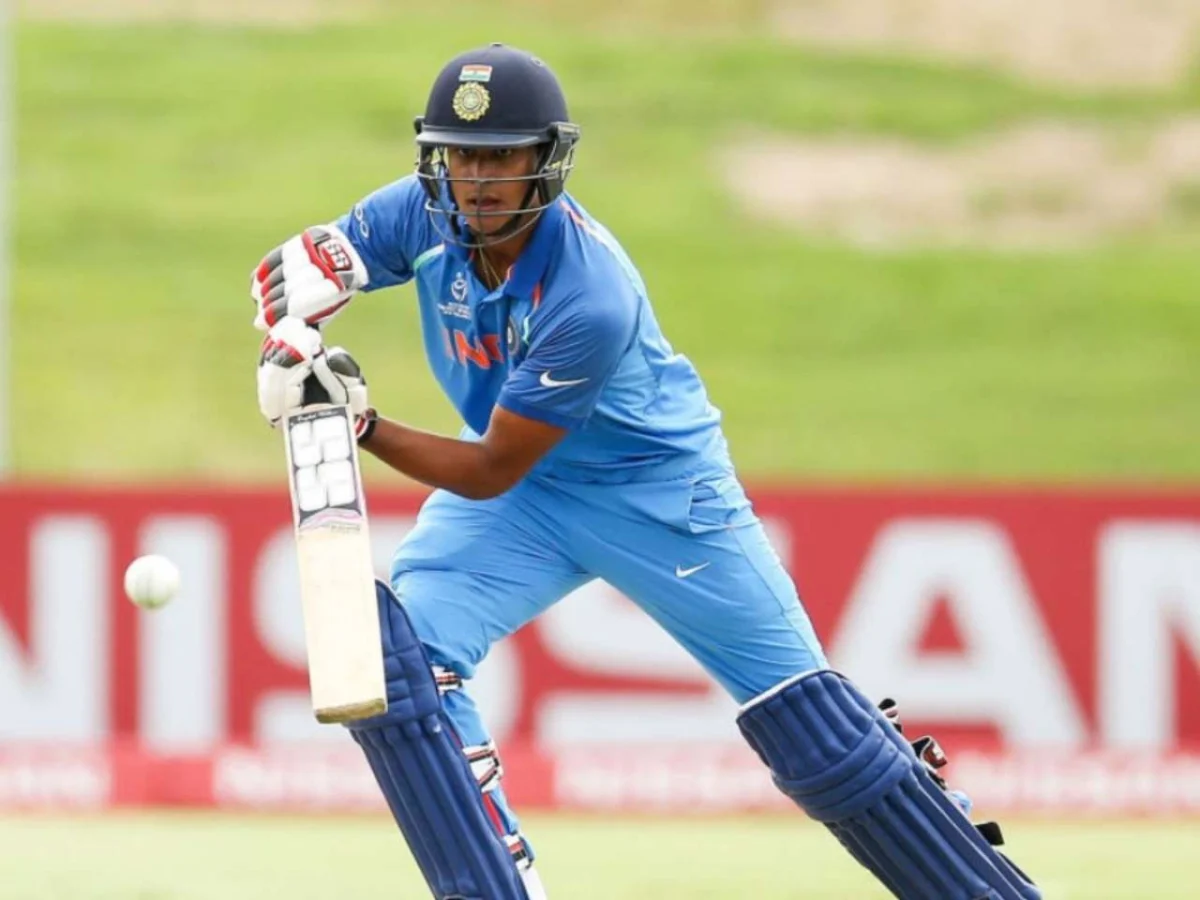
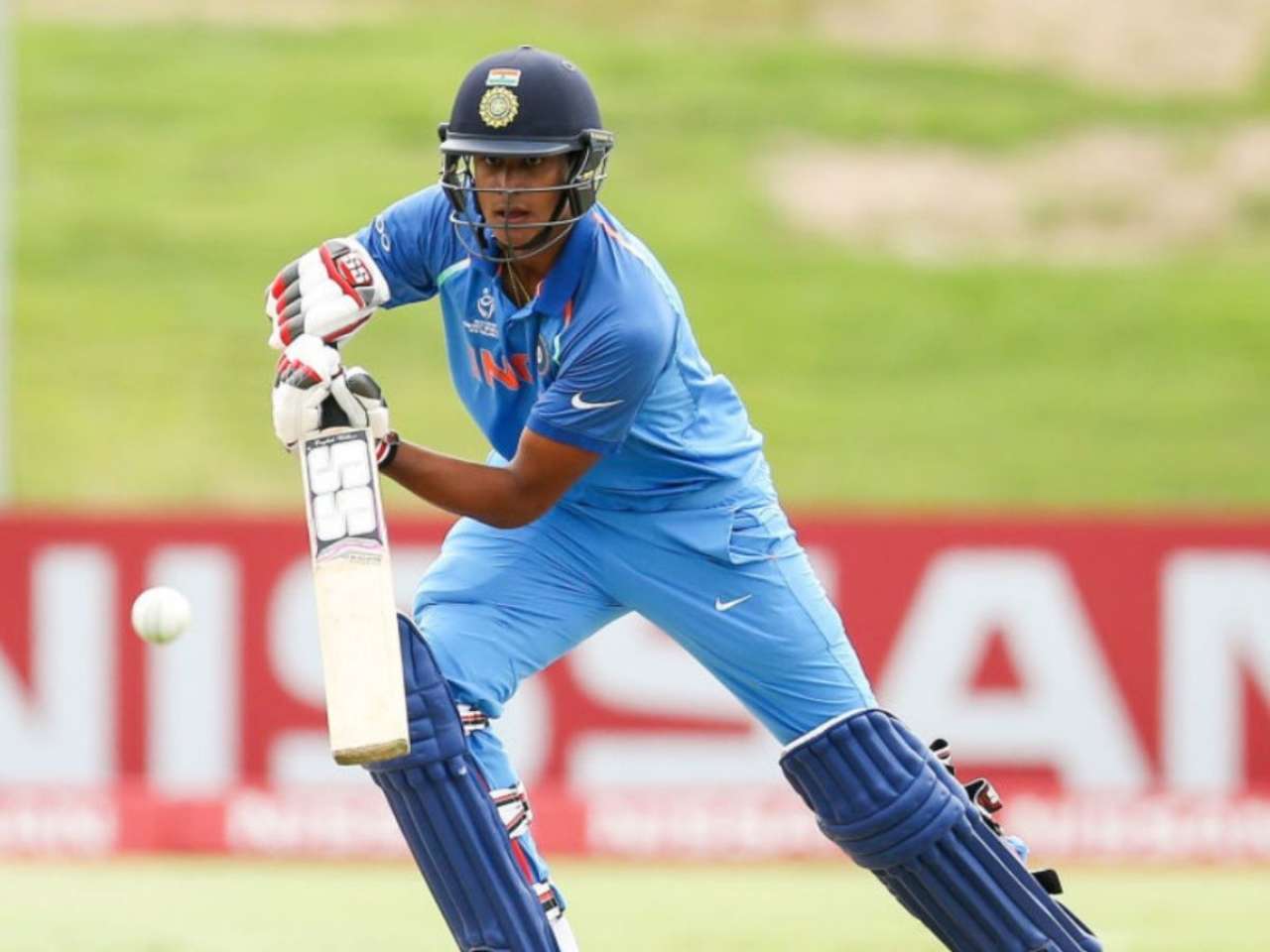
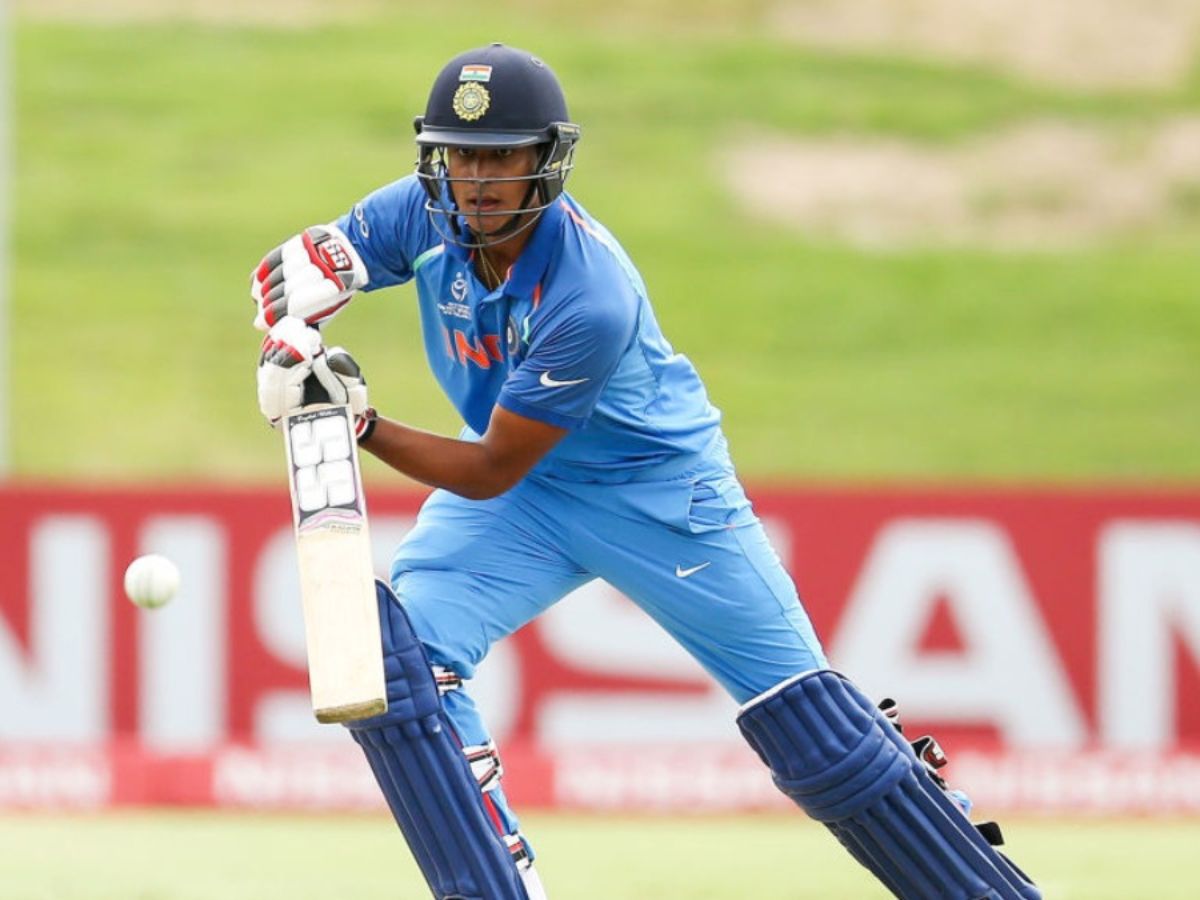
Manjot Kalra’s journey in cricket has been a tale of highs and lows. His name first etched itself into the annals of Indian cricket history during the 2018 ICC U-19 World Cup, where his sublime century in the final against Australia propelled India to a memorable championship victory. Playing alongside future stars like Shubman Gill, Prithvi Shaw, and Arshdeep Singh, Kalra was hailed as a talent with immense potential. His 102 runs in that final earned him the coveted Player of the Match award, a moment that promised a bright future.
However, despite that early promise, Kalra struggled to replicate his U-19 success at higher levels. His stint with the Delhi Daredevils (now Delhi Capitals) in the Indian Premier League (IPL) saw limited opportunities, and his performances in domestic cricket for Delhi, across First-Class, List-A, and T20 formats, never quite reached the heights anticipated. This year, in an attempt to carve a new path within the sport, Kalra ventured into sports management. He became a co-owner of the Jaffna Kings through Sports Commune, a sports management firm he co-founded with Indian entrepreneur Mayank Goel. This new chapter was meant to be a testament to his continued dedication to cricket, albeit off the field. Instead, it has tragically led him down a path of serious legal and ethical challenges, starkly contrasting his glorious past with a deeply troubling present.

Chronology of Allegations and Arrest
The chain of events leading to Manjot Kalra’s arrest paints a clear picture of a covert operation launched by Sri Lankan authorities, driven by a crucial tip-off from within the cricketing fraternity itself.
The Initial Approach and Player Reporting
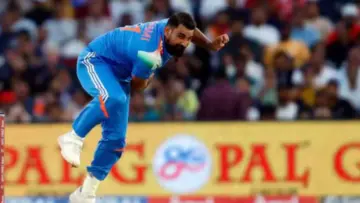
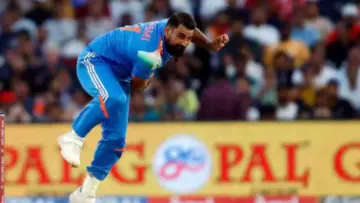
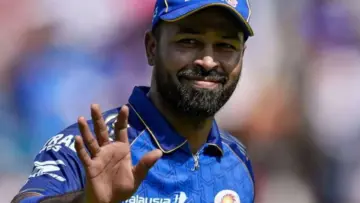
The genesis of the investigation lies in the integrity of a player who refused to succumb to an alleged corrupt offer. According to sources close to the investigation, Manjot Kalra reportedly approached multiple players from his own franchise, the Jaffna Kings, with proposals to fix matches in the upcoming Lanka Premier League. Among those approached were prominent Sri Lankan cricketers Bhanuka Rajapaksa, Avishka Fernando, and Dunith Wellalage. These players, demonstrating an unwavering commitment to the spirit of the game, did not entertain Kalra’s alleged offers. Instead, they took the courageous and decisive step of reporting the matter to the Sri Lankan authorities.
)
This act of reporting by the players was pivotal. It immediately triggered an investigation by the Special Investigation Unit (SIU) for sports-related offenses, a dedicated division within the Sri Lankan police tasked with rooting out corruption in sports. The promptness and honesty of the players provided the SIU with the critical intelligence needed to initiate surveillance and build a case. Their actions not only protected the integrity of the LPL but also highlighted the effectiveness of anti-corruption education and the importance of a strong ethical framework within professional sports.
Undercover Operation and Apprehension
Upon receiving the complaint, the SIU meticulously planned and executed an undercover operation. Inspector Supun Vidanage, a key figure in the investigation, revealed that the police were able to monitor Kalra closely after the initial report. This period of surveillance allowed the authorities to gather crucial evidence and understand the alleged modus operandi.
)
The culmination of this operation occurred on July 17, 2026, just prior to the LPL’s curtain-raiser. Kalra was apprehended at a five-star hotel in Colombo, a location often frequented by sports personalities and teams. The SIU acted precisely when they believed Kalra was allegedly preparing to hand over a significant sum – 95 lakh Sri Lankan rupees (approximately USD 30,000, subject to exchange rates at the time) – to a player. The arrest was swift and decisive, preventing any further alleged attempts at match manipulation and securing vital evidence. The professionalism of the SIU in conducting a discreet yet effective operation underscores the seriousness with which Sri Lankan law enforcement treats sports corruption.
Legal Proceedings Commence
Following his apprehension, Manjot Kalra was formally taken into custody and is expected to appear before a Colombo magistrate. The legal process in Sri Lanka for such offenses is stringent, reflecting the country’s commitment to maintaining clean sport. The initial court appearance will likely involve the formal reading of charges, a request for bail, and the setting of further hearing dates. The investigation will continue, with authorities gathering more statements, corroborating evidence, and potentially tracing the source and intended recipients of the alleged bribe money. The outcome of these legal proceedings will have significant ramifications not only for Kalra personally but also for the broader fight against corruption in cricket.
)
Supporting Data: The Evidence and Kalra’s Sporting Past
The gravity of the allegations against Manjot Kalra is underscored by specific details pertaining to the alleged bribery attempts and his own chequered journey in professional cricket.
Specific Allegations: The 95 Lakh Offer
The cornerstone of the police’s case revolves around the alleged offer of 95 lakh Sri Lankan rupees. Inspector Supun Vidanage confirmed that Kalra was reportedly on the verge of handing over this substantial sum to a player when he was intercepted. This figure is not merely speculative; it represents a concrete piece of evidence that the SIU claims to have uncovered through their investigation and surveillance. Such a significant amount highlights the potential scale and seriousness of the alleged match-fixing enterprise. It also suggests a pre-meditated and organized attempt to corrupt the game, rather than an impulsive act. The police will undoubtedly be investigating the source of these funds and whether Kalra was acting alone or as part of a larger syndicate.
)
Testimonies from Jaffna Kings Players
Perhaps the most damaging evidence against Kalra comes from the very players he co-owned. Bhanuka Rajapaksa, Avishka Fernando, and Dunith Wellalage, all cricketers for the Jaffna Kings, reportedly filed official complaints stating that Kalra had approached them with offers to fix matches. These testimonies are crucial for several reasons. Firstly, they provide direct evidence of Kalra’s alleged attempts at corruption. Secondly, they come from within his own team, adding a layer of betrayal to the allegations. Thirdly, the collective nature of these complaints from multiple players strengthens the prosecution’s case, demonstrating a pattern of behavior rather than an isolated incident. The courage of these players to come forward cannot be overstated, as reporting such approaches often carries personal and professional risks. Their integrity serves as a powerful deterrent against future corrupt practices.
Kalra’s Illustrious, Yet Unfulfilled, Playing Career
Manjot Kalra’s past provides a stark contrast to his current predicament. He rose to national prominence as a key member of India’s victorious 2018 ICC U-19 World Cup squad. His finest hour came in the final against Australia, where he scored a magnificent 102 runs off 102 balls, guiding India to an eight-wicket win and securing the Player of the Match award. This century was not just a statistical highlight; it was a demonstration of composure, skill, and big-match temperament. He shared the dressing room and the field with future senior international players like Shubman Gill, Prithvi Shaw, and Arshdeep Singh, all of whom have gone on to represent India at the highest level.
)
Despite this early promise, Kalra’s senior career failed to take off in the same spectacular fashion. He was picked by Delhi Daredevils (now Delhi Capitals) in the IPL 2018 auction but received limited playing opportunities, struggling to find a permanent spot in the star-studded league. His domestic career for Delhi, spanning First-Class, List-A, and T20 cricket, saw flashes of brilliance but lacked the consistency needed to break into the national team. This struggle to translate junior success into a sustained senior career is a common narrative in professional sports, but in Kalra’s case, it adds a layer of pathos to his current situation, perhaps hinting at underlying frustrations or pressures that might have led him down a misguided path.
Transition to Franchise Ownership
Earlier this year, Kalra embarked on a new chapter, transitioning from player to sports entrepreneur. He became a co-owner of the Jaffna Kings, one of the most successful franchises in the Lanka Premier League, through Sports Commune. This sports management firm was established by Kalra in partnership with Indian entrepreneur Mayank Goel. This move was perceived as a natural progression for a young ex-cricketer looking to stay involved in the game, leveraging his experience and contacts. Ownership in a T20 league offered a new avenue for contribution and potential financial success. However, this very position of influence and access, meant to be a positive development, has now become the platform for the alleged misconduct, turning his new professional endeavor into a legal quagmire. The allegations suggest a misuse of his authority and insider knowledge as an owner, further deepening the sense of betrayal within the cricketing community.
)
Official Responses and Investigative Landscape
The arrest of Manjot Kalra has elicited strong reactions from cricketing bodies and authorities, highlighting the sport’s zero-tolerance policy towards corruption.
Sri Lankan Authorities’ Stance
The Special Investigation Unit (SIU) for sports-related offenses in Sri Lanka has reaffirmed its unwavering commitment to preserving the integrity of sports. Inspector Supun Vidanage’s statements have consistently emphasized the seriousness with which the authorities view any attempts to compromise the fairness of competition. The SIU operates under a clear mandate to investigate and prosecute individuals involved in match-fixing, illegal betting, and other forms of corruption within sports. This dedicated unit was established precisely to combat such threats, recognizing the immense damage that fixing allegations can inflict on a nation’s sporting reputation and public trust. Their swift action in Kalra’s case serves as a powerful deterrent, sending a clear message that Sri Lanka will not tolerate such illicit activities within its sporting landscape. The Sri Lankan government, through its law enforcement agencies, stands firm in its resolve to ensure that sporting events hosted in the country are conducted with the highest standards of honesty and transparency.
)
Lanka Premier League (LPL) and Sri Lanka Cricket (SLC) Reaction
The Lanka Premier League (LPL) and Sri Lanka Cricket (SLC), the governing body for cricket in the nation, have reacted with a mixture of dismay and determination. While official detailed statements are awaited as the investigation unfolds, preliminary responses are expected to emphasize a zero-tolerance policy towards corruption. Both the LPL and SLC are under immense pressure to safeguard the league’s reputation, especially given the timing of the arrest. They are likely to reiterate their commitment to cooperating fully with law enforcement agencies and to implementing any necessary measures to ensure the integrity of the tournament.
Immediate actions could include suspending Kalra from any involvement with the Jaffna Kings franchise, initiating internal inquiries, and reinforcing anti-corruption protocols for all participants. The LPL’s future success hinges on public trust, and any perception of widespread corruption could be catastrophic. The league management will likely work swiftly to reassure stakeholders, sponsors, and fans that the incident is isolated and that robust mechanisms are in place to prevent future occurrences. This incident serves as a critical test for the LPL’s governance and its ability to maintain a clean image.
)
International Anti-Corruption Efforts
The International Cricket Council (ICC), as the global governing body, maintains a robust Anti-Corruption Unit (ACU) dedicated to combating corruption in cricket worldwide. While the primary investigation is being conducted by Sri Lankan authorities, the ICC ACU will undoubtedly be monitoring the situation closely and will offer its expertise and resources if required. The ACU works tirelessly to educate players about the dangers of corruption, identify potential threats, and investigate reported incidents. This incident involving Kalra, an international U-19 player and now a franchise owner, highlights the pervasive nature of the threat and the continuous need for vigilance across all levels of the game. The ICC’s involvement underscores the global commitment to preserving cricket’s integrity and ensuring that all forms of professional cricket are free from the taint of match-fixing. They often collaborate with national anti-corruption units, sharing intelligence and best practices to strengthen the collective fight against corruption.
Implications and Future Outlook
The arrest of Manjot Kalra carries far-reaching implications, not just for the individual involved, but for the Lanka Premier League, franchise cricket globally, and the ongoing battle against corruption in sports.
)
Impact on the Lanka Premier League’s Reputation
The timing of Kalra’s arrest, on the very eve of the LPL 2026, could not be more damaging. For an emerging league striving to capture international attention and secure lucrative sponsorships, such a high-profile scandal immediately before its commencement is a severe blow. It risks eroding public trust, deterring potential investors, and casting a pall over the entire tournament. Fans, who invest emotionally and financially in the sport, demand fair play and transparent competition. Allegations of match-fixing directly undermine this fundamental expectation.
The LPL and Sri Lanka Cricket will now face an uphill battle to restore confidence. This will require not only full transparency and cooperation with the ongoing investigation but also proactive measures to demonstrate their commitment to integrity. Enhanced anti-corruption briefings for players and officials, stricter vetting processes for franchise owners and staff, and public assurances of swift action against any proven misconduct will be crucial in mitigating the reputational damage and ensuring the long-term viability of the league.
)
Broader Concerns for Franchise Cricket
The Kalra incident is not an isolated one; it serves as a stark reminder of the inherent vulnerabilities of T20 franchise leagues to corruption. The rapid growth of these leagues, often involving significant financial stakes, a diverse mix of international and domestic players, and sometimes less stringent regulatory oversight compared to established international cricket, creates fertile ground for corrupt elements. The allure of quick money, combined with the relative anonymity of some players and officials, can make these leagues targets for fixers.
This incident should prompt a renewed focus on due diligence for franchise owners and officials across all leagues. The background, financial dealings, and ethical standing of individuals entering positions of power within cricket must be rigorously scrutinized. The industry needs to collectively reinforce its defenses, share intelligence, and ensure that integrity remains paramount, even amidst the commercial pressures of global T20 cricket.
)
Kalra’s Personal and Professional Future
For Manjot Kalra, the immediate future is fraught with uncertainty and severe consequences. If found guilty, he faces significant legal penalties under Sri Lankan law, which could include imprisonment and substantial fines. Beyond the legal ramifications, his professional career in cricket, both as a player and an administrator, is likely over. The ICC’s anti-corruption code is notoriously strict, and individuals found guilty of match-fixing are typically handed lengthy bans, often for life, from all forms of cricket. His legacy as a U-19 World Cup hero will forever be tainted by these grave allegations, overshadowing his past achievements. His transition from on-field talent to off-field entrepreneur has ended in a public disgrace that will be difficult, if not impossible, to overcome.
The Role of Whistleblowers
Amidst the gloom of the allegations, the actions of players like Bhanuka Rajapaksa, Avishka Fernando, and Dunith Wellalage shine as beacons of integrity. Their decision to report Kalra’s alleged approaches is commendable and underscores the vital role of whistleblowers in combating corruption. Without their courage, these alleged attempts to fix matches might have gone undetected, potentially compromising the fairness of the LPL.
)
This incident reinforces the importance of robust anti-corruption education programs that empower players to recognize, resist, and report suspicious activities without fear of reprisal. It highlights that the fight against corruption is a collective responsibility, requiring every participant in the game to act as a guardian of its integrity. The LPL and all cricketing bodies must continue to foster an environment where players feel safe and supported in coming forward, ensuring that the dark forces of match-fixing are continually exposed and eradicated. The future health of cricket depends on it.