

Main Facts: The Three-Ingredient Phenomenon
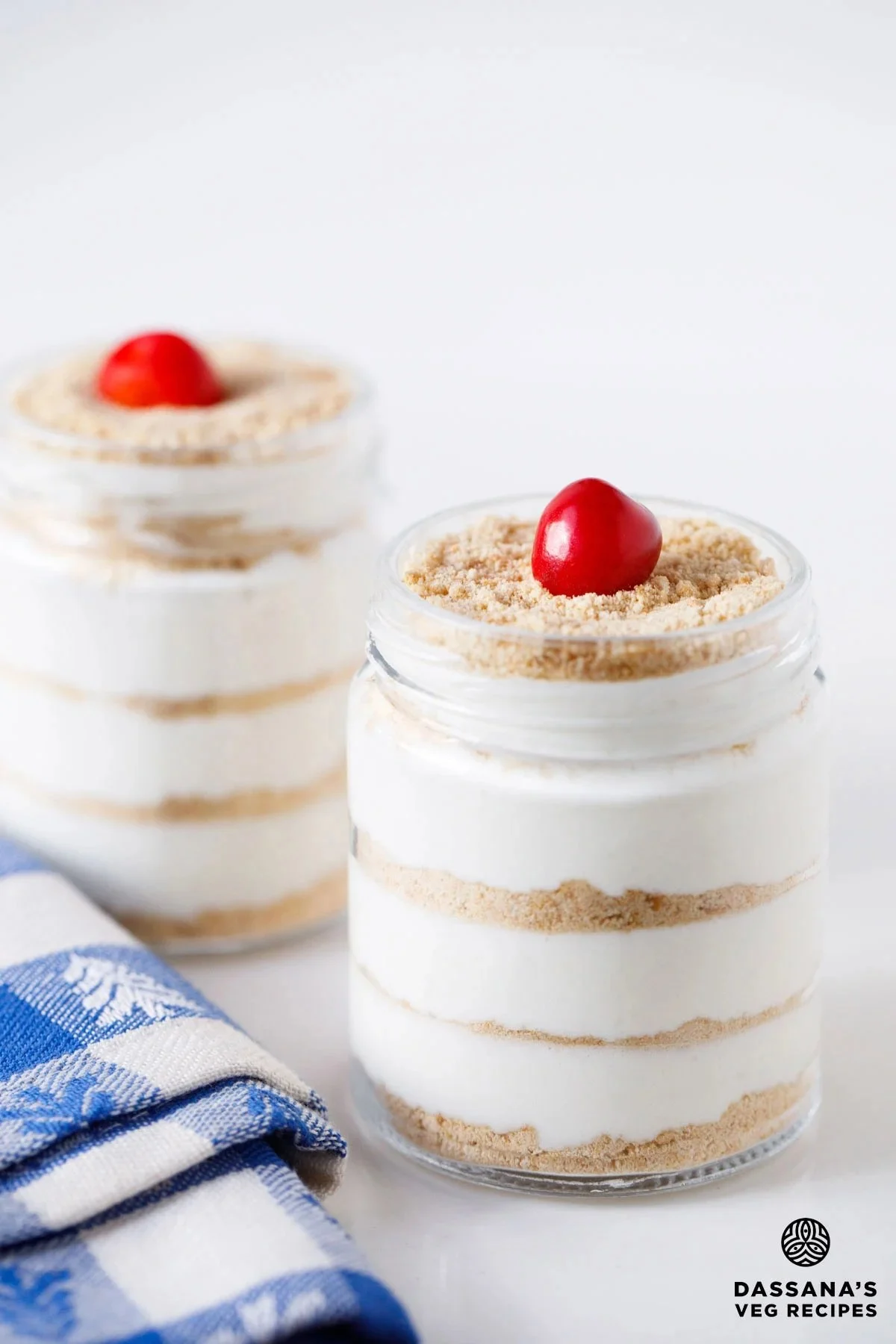
In the pantheon of global desserts, few dishes manage to balance rustic simplicity with sophisticated elegance as effectively as Serradura. Known colloquially as "Portuguese Sawdust Pudding," this chilled, no-bake delicacy has transcended its humble origins to become a staple of international fusion cuisine. At its core, Serradura is a study in texture and restraint, composed of just three primary elements: heavy whipping cream, sweetened condensed milk, and finely pulverized Marie biscuits.
The dessert’s name—derived from the Portuguese word for "sawdust"—refers to the appearance of the biscuit crumbs, which are crushed until they resemble fine wood shavings. Despite its name, the experience of consuming Serradura is anything but dry. When layered correctly and chilled to precision, the cream and biscuit layers undergo a textural transformation, resulting in a dessert that is light, airy, and remarkably complex in its mouthfeel.

In recent years, Serradura has seen a resurgence in culinary hubs ranging from Lisbon to Hong Kong, and particularly in the Indian coastal state of Goa. Its popularity is driven by the modern consumer’s dual desire for "clean label" recipes with minimal ingredients and the visual "Instagrammability" provided by its distinct, contrasting layers. Culinary analysts note that Serradura represents a broader trend in the "No-Bake Revolution," where high-end results are achieved through assembly and temperature control rather than traditional oven-based techniques.
Chronology: From the Atlantic to the Pearl River Delta
The history of Serradura is a culinary map of the Portuguese Empire, tracing a path of cultural exchange that spans centuries.

The Portuguese Roots
The exact origin date of Serradura in mainland Portugal is difficult to pin down, but it emerged as a domestic staple during the mid-20th century. It was a product of the availability of shelf-stable condensed milk and the industrial production of "Marie" biscuits—a thin, vanilla-flavored tea biscuit created by the London bakery Peek Freans in 1874 to commemorate the marriage of the Grand Duchess Maria Alexandrovna of Russia. The biscuit’s ubiquity across Europe made it the perfect substrate for a quick, affordable pudding.
The Macanese Evolution
While born in Portugal, Serradura found its spiritual home in Macau. Under Portuguese administration, Macau became a melting pot of European and Cantonese sensibilities. Serradura was adopted by local cafes and high-end hotels, such as the famous Ladário and the Mandarin Oriental, where it was refined into the version known today. In Macau, the dessert is often served in individual glasses, sometimes garnished with local fruits or even a hint of salt to offset the sweetness of the condensed milk.

The Goan Integration
Parallel to its success in Macau, Serradura traveled to Goa, India. Here, it became an essential part of the Catholic Goan culinary repertoire. In the humid tropical climate of the Indian coast, a chilled, creamy dessert offered much-needed respite. Over decades, it moved from home kitchens into the "shacks" and fine-dining establishments of North and South Goa, often served alongside traditional Indo-Portuguese dishes like Vindaloo or Bebinca.
Modern Global Proliferation
By the 2020s, the recipe had broken out of its colonial enclaves. The rise of digital food media and the "minimalist cooking" movement propelled Serradura into the global spotlight. It is now a frequent feature on brunch menus in London, New York, and Mumbai, prized for its ease of preparation and the nostalgic comfort of the tea biscuit.

Supporting Data: The Science of Texture and Nutrition
To understand why Serradura works, one must look at the culinary science behind its assembly.
The Role of Lipid Content
Professional chefs emphasize that the success of the pudding hinges on the fat content of the cream. For the dessert to hold its structure without the aid of gelatin or cornstarch, the cream must have a minimum of 35% milk fat. At this concentration, the fat globules are numerous enough to form a stable matrix when whipped, trapping air bubbles that provide the "lift" in the pudding. Using a lower-fat cream (such as "single cream" or standard half-and-half) results in a runny consistency that cannot support the weight of the biscuit layers.

The "Sawdust" Metric
The texture of the Marie biscuits—or Maria cookies in the United States—is the second critical variable. If the crumbs are too coarse, the dessert feels gritty; if they are too fine (almost flour-like), they can become pasty when they absorb moisture from the cream. The "sawdust" ideal is a medium-fine grind that retains a slight crunch initially but softens into a cake-like consistency after a 5-hour refrigeration period.
Nutritional Profile
Based on a standard serving size of approximately 150 grams, Serradura is a calorie-dense treat. Analysis shows the following nutritional breakdown:

- Calories: 508 kcal
- Total Fat: 34g (with 20g of Saturated Fat)
- Carbohydrates: 46g (primarily from the sugar in condensed milk and the flour in biscuits)
- Protein: 7g
- Micronutrients: Significant levels of Calcium (163mg) and Vitamin A (1190 IU) due to the high dairy content.
While the calorie count is high, the satiety factor is also significant. The combination of high fat and moderate protein means that a small portion is usually sufficient to satisfy a dessert craving, making it a "premium" treat rather than a light snack.
Official Responses: Culinary Experts on the "Serradura Standard"
While there is no central "Serradura Bureau," the culinary community has established a set of unofficial standards that define a "true" sawdust pudding.

Chef Dassana Amit, a prominent culinary developer and specialist in Indian and international vegetarian recipes, suggests that the "secret" to a professional-grade Serradura lies in the temperature of the equipment. "To achieve the perfect medium-stiff peak, both the cream and the mixing bowl should be chilled," she notes. "This prevents the fat from melting during the friction of whipping, ensuring a stable, airy mousse."
Historical Culinary Perspective: Food historians often point to Serradura as a prime example of "pantry-staple" genius. They argue that the dessert’s success lies in its use of "industrial" ingredients (condensed milk and biscuits) to create a "gourmet" experience. This reflects a post-WWII shift in European cooking where housewives looked for ways to use newly available processed goods to emulate traditional high-pastry techniques.

Modern Adaptations: Contemporary pastry chefs are now "responding" to the original recipe by introducing acidity. Many modern interpretations include a layer of passion fruit curd, fresh mango, or a tart cherry topping. These additions are designed to cut through the richness of the condensed milk, providing a balanced flavor profile that appeals to a more modern, less sugar-focused palate.
Implications: The Future of Traditional No-Bake Desserts
The enduring popularity of Serradura has several implications for the future of the food industry and home cooking.

The Democratization of the "Fancy" Dessert
Serradura proves that a "high-end" dining experience does not require specialized equipment like blowtorches, sous-vide machines, or even an oven. As kitchen spaces in urban centers become smaller and more streamlined, no-bake desserts are becoming the preferred choice for home entertaining. This "democratization" allows amateur cooks to produce impressive, layered results with tools as simple as a rolling pin and a hand whisk.
Cultural Preservation through Adaptation
The journey of Serradura highlights how food serves as a living record of history. By continuing to serve this dessert, restaurants in Macau and Goa are preserving a specific era of cultural fusion. However, the dish is also evolving. We are seeing the emergence of vegan Serradura (using coconut cream and condensed oat milk) and gluten-free versions (using almond-based tea cookies). These adaptations ensure the recipe remains relevant in an era of increasing dietary restrictions.

Commercial Potential in the "Ready-to-Eat" Sector
There is a growing market for premium, chilled, ready-to-eat (RTE) desserts. Serradura is perfectly suited for this format. Because it requires chilling to set and has a relatively stable shelf life of 48 hours in a refrigerated environment, it is an ideal candidate for high-end grocery store "grab-and-go" sections. Its layered appearance in clear jars provides a built-in marketing advantage, showcasing the craft of the product directly to the consumer.
Conclusion: The Elegance of the Simple
Serradura remains a testament to the idea that the best things in life are often the simplest. By taking three disparate ingredients—the liquid (cream), the syrup (condensed milk), and the solid (biscuits)—and applying the principles of aeration and layering, the Portuguese created a global icon. Whether enjoyed in a seaside shack in Goa or a Michelin-starred restaurant in Macau, the "Sawdust Pudding" continues to prove that texture is just as important as taste in the world of fine patisserie.
