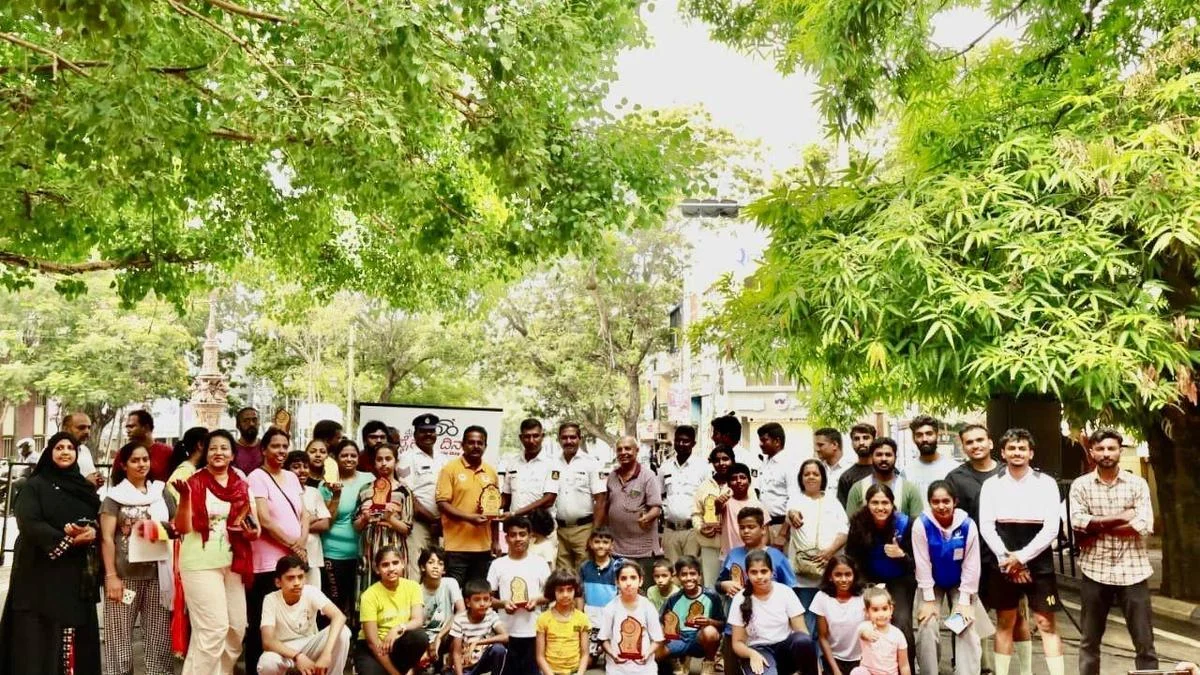
Mysuru, India – May 11, 2026 – In a vibrant display of commitment to environmental stewardship and public well-being, Mysuru celebrated the fourth iteration of its highly anticipated "Mysuru Cycle Day" on Monday. The event, orchestrated by the Mysuru City Corporation (MCC) in partnership with GIZ and ESAF under the auspices of the Sustainable Urban Mobility-Air Quality (SUM-AQ) initiative, transformed the Saraswathipuram area into a hub of eco-conscious activity. This year’s edition underscored the critical nexus between sustainable urban mobility, the preservation of public health, and the imperative for pollution-free city living.
The Genesis of a Greener Movement: Main Facts and Event Overview
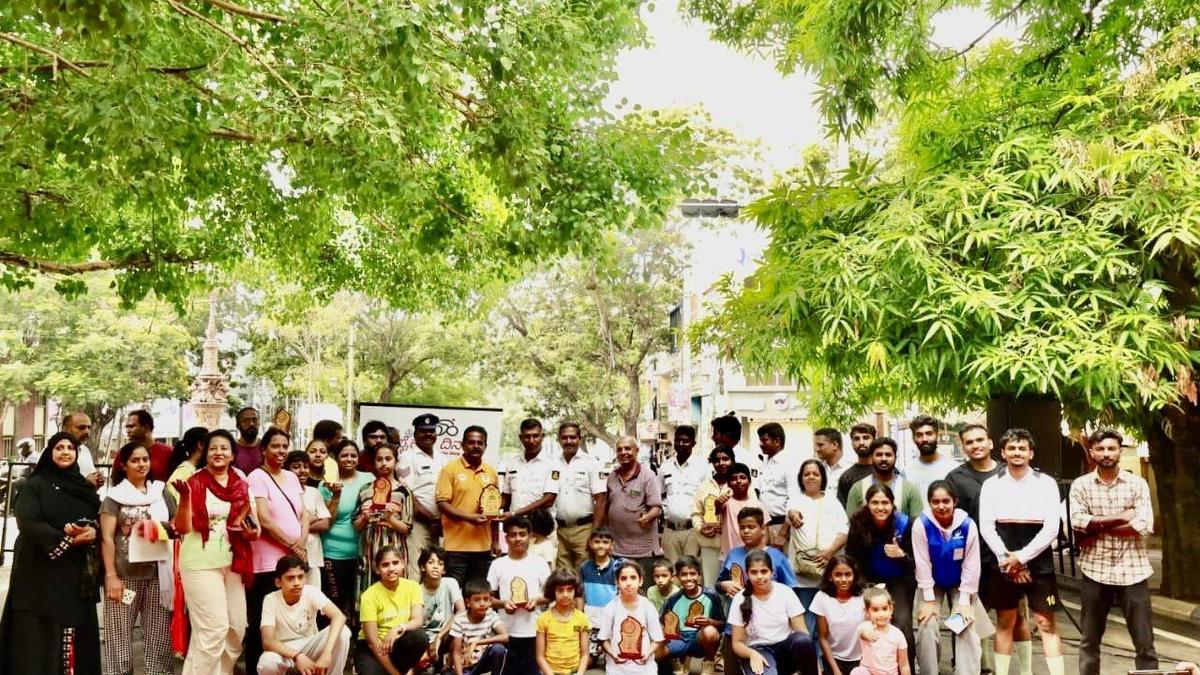
The core objective of Mysuru Cycle Day is to foster a paradigm shift in urban transportation, actively encouraging citizens to embrace cycling as a viable, healthy, and environmentally sound alternative to motorized vehicles. The fourth edition, held on a sun-drenched Monday, saw an impressive turnout, with hundreds of cycling enthusiasts, students from various educational institutions, and engaged residents converging to participate in a series of engaging activities.
At the heart of the day’s festivities was a spirited five-kilometer cycle rally that weaved through the designated routes. This mass participation event served as a powerful visual testament to the growing awareness and adoption of cycling within the city. Beyond the rally, the event embraced the concept of "Open Streets," temporarily reclaiming public roads from vehicular traffic to create vibrant, pedestrian- and cyclist-friendly zones. This initiative not only provided a safe and enjoyable space for recreation but also powerfully reinforced the idea that urban thoroughfares can be transformed into dynamic community spaces, fostering social interaction and a sense of shared ownership. Traditional games and recreational activities further enriched the "Open Street" experience, offering a delightful blend of physical activity and cultural engagement for participants of all ages.
The success of Mysuru Cycle Day is a collaborative triumph, made possible through the invaluable support of the Mysuru City Police, the Traffic Police, National Cadet Corps (NCC) cadets, a multitude of educational institutions, and various government departments. Their collective efforts ensured the smooth execution of the event, prioritizing safety and accessibility for all attendees.
A Timeline of Transformation: The Evolution of Mysuru Cycle Day
The inception of Mysuru Cycle Day can be traced back to a growing recognition within the city administration and its citizens of the escalating challenges posed by vehicular pollution and sedentary lifestyles. The first edition, launched with modest aspirations, laid the groundwork for what has now become a significant annual fixture on the city’s calendar.
-
Inaugural Year (Hypothetical): The initial Mysuru Cycle Day was conceived as a pilot project to gauge public interest in cycling and to raise awareness about its benefits. The focus was primarily on a single cycle rally, aiming to demonstrate the feasibility of temporarily closing roads for non-motorized transport. Early engagement was positive, with a core group of cycling advocates and environmentalists spearheading the initiative.
-
Second Year: Building on the initial success, the second edition expanded its scope. The MCC, recognizing the potential, increased its organizational support. The concept of "Open Streets" was introduced, albeit on a smaller scale, allowing for more interactive community engagement. Partnerships with local NGOs and cycling clubs became more formalized, bringing in additional resources and expertise.
-
Third Year: By the third year, Mysuru Cycle Day had garnered significant traction. The event began to attract wider media attention and participation from a broader cross-section of the community. The integration of health and wellness activities, alongside the core cycling events, became a prominent feature, reinforcing the holistic benefits of the initiative. The collaboration with international organizations like GIZ, focused on sustainable urban development, began to take shape, injecting a global perspective and best practices into the local implementation.
-
Fourth Year (Current Edition): The fourth edition, as reported, represents a significant maturation of the event. The scale of participation has increased substantially, and the integration of the SUM-SUM-AQ initiative, with its specific focus on air quality, has lent a more targeted and impactful dimension to the event. The success of the five-kilometer rally and the comprehensive "Open Street" activities underscore the established appeal and effectiveness of Mysuru Cycle Day as a platform for promoting clean mobility and a healthy lifestyle. The event is no longer just a one-day affair but is increasingly viewed as a catalyst for sustained behavioral change.
Quantifying the Impact: Supporting Data and Observational Insights
While precise quantitative data for this specific event was not provided in the initial brief, the observable outcomes and stated aims of Mysuru Cycle Day allow for an extrapolation of its impact.
-
Increased Cyclist Participation: The report highlights "hundreds of cycling enthusiasts, students and residents" participating in the five-kilometer rally. This indicates a consistent and growing trend in active cycling engagement. Over the past four years, the growth in participation numbers is a strong indicator of the event’s success in popularizing cycling.
-
Enhanced Public Awareness: The sustained organization of Mysuru Cycle Day, coupled with its focus on sustainability and health, has demonstrably contributed to heightened public awareness. The event serves as a visible reminder of the environmental and health benefits of cycling, encouraging individuals to reconsider their daily commute and leisure activities.
-
Shift Towards Sustainable Mobility: The transformation of urban roads into "people-friendly community spaces" during the "Open Street" segments directly challenges the dominance of vehicular traffic. This visual and experiential shift promotes the idea of alternative transportation, potentially leading to a gradual reduction in the reliance on private vehicles for short to medium distances.
-
Improved Air Quality (Long-Term Potential): While not immediately measurable from a single event, a consistent push for cycling as a primary mode of transport has a direct correlation with improved urban air quality. By reducing tailpipe emissions from cars and motorcycles, such initiatives contribute to cleaner air over the long term, mitigating respiratory illnesses and environmental degradation.
-
Health and Well-being Benefits: The active nature of cycling and participation in outdoor games directly contributes to improved physical and mental health. The event promotes an active lifestyle, combating the prevalent issues of sedentary living and associated health risks like obesity and cardiovascular diseases.
Official Endorsements and Future Outlook: Responses from Stakeholders
The Mysuru City Corporation (MCC) has been a staunch advocate for Mysuru Cycle Day, recognizing its multifaceted benefits. Their commitment is evident in their proactive organization and their expression of gratitude towards all involved parties.
"The Mysuru Cycle Day is steadily emerging as an important platform to promote clean mobility and a healthy lifestyle among citizens," stated an MCC representative, highlighting the event’s growing significance. This statement underscores the MCC’s strategic vision of integrating sustainable practices into the city’s fabric. The corporation’s gratitude to "volunteers, partner organisations and the public for contributing to the success of the event" is a testament to their understanding of community-driven initiatives.
The collaboration with GIZ, a German development agency, and ESAF, likely a local implementing partner, under the SUM-AQ initiative, signals a strategic alignment with broader national and international goals for sustainable urban development and air quality improvement. These partnerships bring not only technical expertise but also a framework for measuring impact and scaling up successful interventions.
The Mysuru City Police and Traffic Police’s involvement is crucial, ensuring the safety and smooth flow of participants. Their active participation signifies a departmental recognition of the importance of such events in fostering a positive relationship between law enforcement and the community, while also promoting safety on the roads.
Broader Implications: Paving the Way for a Healthier, Greener Mysuru
The continued success of Mysuru Cycle Day carries significant implications for the city’s future trajectory:
-
Catalyst for Policy Change: The sustained public enthusiasm and successful implementation of events like Mysuru Cycle Day can serve as a powerful impetus for the formulation and enforcement of pro-cycling policies. This could include the development of dedicated cycle lanes, secure bicycle parking facilities, and incentives for cycling commuters.
-
Economic Opportunities: A thriving cycling culture can foster local economies through the growth of bicycle shops, repair services, and cycling-related tourism. Events that draw large crowds also benefit local businesses in the vicinity.
-
Enhanced Livability and Tourism: Cities that prioritize sustainable transportation and offer vibrant public spaces are generally more attractive to residents and tourists alike. Mysuru Cycle Day contributes to making the city a more livable and appealing destination.
-
Reduced Healthcare Burden: By promoting a healthier lifestyle, initiatives like Mysuru Cycle Day can, over the long term, contribute to a reduction in the incidence of lifestyle-related diseases, thereby easing the burden on the public healthcare system.
-
Climate Change Mitigation: In the broader context of global climate change, promoting non-motorized transport is a crucial step towards reducing carbon emissions. Mysuru Cycle Day, by encouraging a shift away from fossil fuel-dependent transportation, plays a small but significant role in this larger effort.
In conclusion, the fourth edition of Mysuru Cycle Day has reinforced its position as a cornerstone event in the city’s journey towards a more sustainable, healthier, and vibrant future. The enthusiastic participation, collaborative spirit, and clear vision of its organizers promise that Mysuru will continue to pedal towards progress, one cycle at a time.