

PERSONAL FINANCE
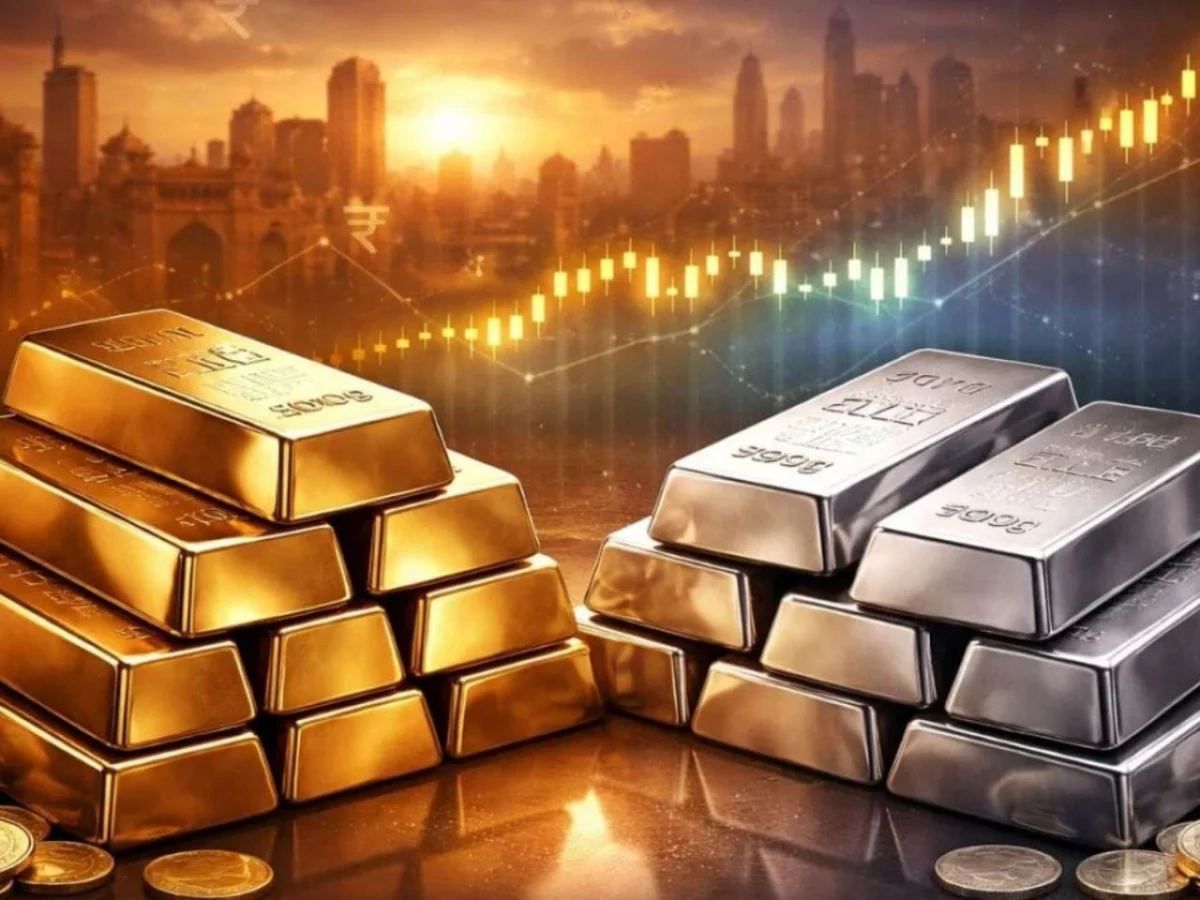
As of July 17, 2026, India’s venerable precious metals market continues its intricate dance with global economic forces, domestic consumer sentiment, and the ever-fluctuating currents of currency exchange rates. Today’s trading session has seen gold prices register a slight uptick, largely influenced by persistent global inflationary pressures and sustained investment demand, reaffirming its traditional role as a safe-haven asset. Silver, while often overshadowed by its yellow counterpart, maintains a strong footing, buoyed significantly by burgeoning industrial applications and its own unique investment appeal.
The Indian subcontinent, with its profound cultural and economic ties to gold and silver, remains a pivotal player in the global precious metals arena. From the intricate bridal jewellery adorning millions to the strategic financial portfolios of astute investors, these metals are more than mere commodities; they are deeply woven into the fabric of Indian society. This comprehensive report delves into the current market dynamics, offering a detailed breakdown of prices across major Indian cities, exploring the underlying factors, and examining the broader implications for consumers, investors, and the national economy.
Main Facts: A Snapshot of Today’s Market
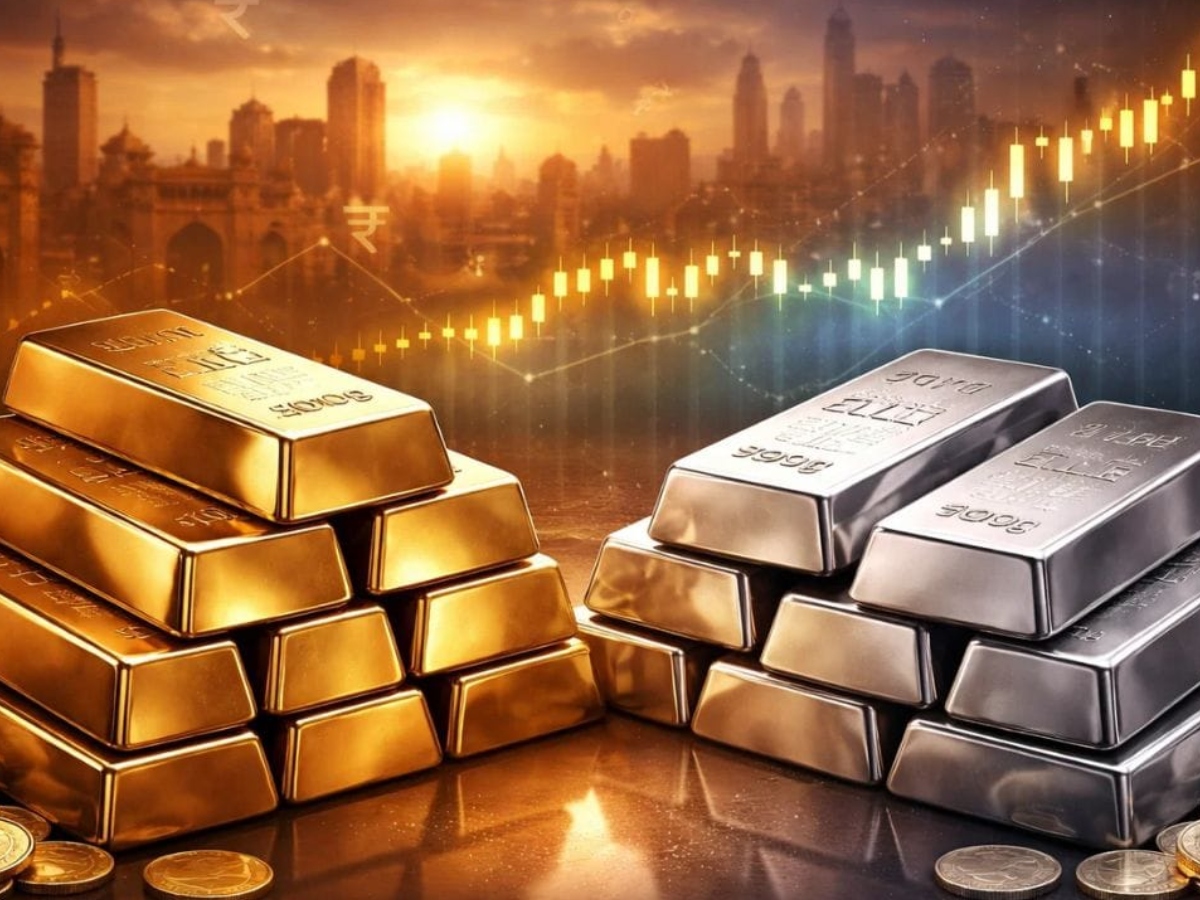
On this Thursday, July 17, 2026, the Indian bullion market presents a nuanced picture. Gold, the perennial favourite, has seen its value appreciate marginally, reflecting a cautious global economic outlook that favours tangible assets. The price of 24-carat gold (999 purity) across India averages at Rs 14,445 per gram, while the widely preferred 22-carat gold (91.67% purity) for jewellery stands at Rs 13,241 per gram. This subtle upward movement underscores the market’s response to ongoing global inflationary concerns and a consistent appetite from both institutional and retail investors seeking to preserve wealth.
Silver, often considered gold’s more volatile cousin, demonstrates robust stability. The price of 999 pure silver is approximately Rs 2,34,900 per kilogram, with 925 sterling silver priced at Rs 2,34,000 per kilogram. Its resilience is primarily attributed to a surging industrial demand, particularly from advanced technology sectors, which are increasingly reliant on silver’s unique conductive properties.
These benchmark prices, while indicative of national trends, exhibit slight variations across India’s metropolitan centres, reflecting regional demand patterns, logistical costs, and local market premiums. The interplay of international spot prices, the strength of the Indian Rupee against the US Dollar, and domestic consumption patterns, especially ahead of India’s vibrant festive calendar, continues to dictate these daily fluctuations.
)
Chronology: Tracing the Path to July 2026
The journey of gold and silver prices leading up to July 2026 has been marked by a complex interplay of global macroeconomic shifts, geopolitical developments, and domestic financial policies. The past two years, in particular, have witnessed significant volatility and subsequent recalibrations in the precious metals market.
The Post-Pandemic Recovery and Inflationary Surge (2024-2025): Following the initial shock and recovery from the global pandemic, the years 2024 and 2025 were characterised by unprecedented fiscal and monetary stimuli worldwide. This period saw a significant rise in inflationary pressures across major economies. Central banks, including the US Federal Reserve and the European Central Bank, embarked on aggressive interest rate hiking cycles to combat soaring inflation. While higher interest rates typically dim gold’s appeal (as it yields no interest), the persistent inflation simultaneously bolstered its role as a hedge against the erosion of purchasing power. During this phase, gold experienced periods of both sharp corrections due to rising real yields and strong rallies when inflation proved more stubborn than anticipated.
Geopolitical Tensions and Safe-Haven Flows (Late 2025 – Early 2026): Towards late 2025 and early 2026, renewed geopolitical tensions in Eastern Europe and parts of the Middle East injected fresh uncertainty into global markets. This instability triggered substantial safe-haven flows into gold, pushing its prices to new multi-year highs. Investors sought refuge in the metal’s perceived stability amidst equity market volatility and currency depreciation risks. Central banks, particularly those in emerging economies, also continued to accumulate gold reserves, further contributing to demand.

The Indian Context: Domestically, India’s economic growth, while robust, has also grappled with its own set of inflationary challenges. The Reserve Bank of India (RBI) has carefully navigated monetary policy to balance growth with price stability. The depreciation of the Indian Rupee against the US Dollar in several phases over the past two years has made gold imports more expensive, thereby pushing up local prices. Conversely, periods of Rupee strengthening provided some relief.
Import duties on gold have also played a significant role. Adjustments by the Indian government, sometimes aimed at curbing imports to manage the current account deficit, have directly impacted local pricing. Furthermore, the strong cultural affinity for gold in India, particularly during the wedding and festive seasons (like Diwali, Akshaya Tritiya, and Pongal), has consistently provided a floor for demand, even during global downturns. Retail demand, though sensitive to price, often surges during these auspicious periods, creating a unique dynamic for the Indian market.
Silver, meanwhile, witnessed a more pronounced influence from the global industrial recovery. As manufacturing picked up pace and green energy initiatives gained traction, demand from sectors like solar panels, electric vehicles, and electronics provided strong tailwinds for silver prices, often outpacing gold’s percentage gains due to its dual nature as both a precious and industrial metal.
)
Comparing today’s prices, the current levels reflect a consolidation after the significant volatility of the preceding years. While not at their absolute peaks, prices remain elevated, signalling enduring investor confidence in precious metals as a store of value in an uncertain global economic landscape.
Supporting Data: A Detailed Market Breakdown
The current pricing structure for gold and silver in India on July 17, 2026, is a testament to the confluence of international benchmarks, domestic economic indicators, and inherent market dynamics.
Gold Prices on July 17, 2026
As noted, gold prices have seen a slight firming today. The average price of 24K gold across India is Rs 14,445 per gram, while 22K gold is Rs 13,241 per gram. This increment is primarily driven by two critical factors:
)
- Global Demand: International investment demand for gold has remained robust. With lingering concerns about the long-term efficacy of various global economic policies and persistent geopolitical tensions, institutional investors, hedge funds, and even central banks continue to view gold as an indispensable component of diversified portfolios. Reports from the World Gold Council indicate sustained central bank purchases throughout 2025 and into 2026, reflecting a global de-dollarisation trend and a desire for tangible reserve assets. Exchange-Traded Funds (ETFs) backed by physical gold have also witnessed net inflows, signalling strong retail and institutional interest.
- Inflationary Pressures: While headline inflation may have retreated from its peak levels of 2024, underlying inflationary pressures, particularly in energy and food commodities, continue to persist globally. This "sticky inflation" narrative strengthens gold’s appeal as a traditional hedge against the erosion of purchasing power. Investors are increasingly wary of the potential for a resurgence in inflation, leading them to allocate a portion of their capital to gold.
Beyond these global factors, the exchange rate of the US Dollar plays a crucial role in determining landed costs for gold in India. A stronger US Dollar makes gold more expensive in Rupee terms, as India imports nearly all its gold requirements. Conversely, a weakening Dollar can provide some relief. The Indian Rupee has shown periods of resilience and vulnerability against the Dollar, directly translating to price adjustments at the local level.
Domestic Jewellery Demand remains a cornerstone of the Indian gold market. Even with elevated prices, the cultural significance of gold, especially during the upcoming festive season and continuous wedding demand, ensures a steady baseline of consumption. Jewellers often report increased footfall and booking trends in anticipation of auspicious dates, indicating that price sensitivity can sometimes take a backseat to tradition and cultural imperatives.
City-Wise Gold Rates (per gram) on July 17, 2026:
(Source: Good Returns)
)
| City | 24K Gold (999 Purity) | 22K Gold (91.67% Purity) |
|---|---|---|
| Delhi | Rs 14,460 | Rs 13,256 |
| Mumbai | Rs 14,445 | Rs 13,241 |
| Kolkata | Rs 14,445 | Rs 13,241 |
| Chennai | Rs 14,532 | Rs 13,321 |
It is notable that Chennai often commands a slightly higher premium, attributed to strong regional demand, particularly from South India, where gold is deeply entrenched in cultural practices and a traditional form of savings.
Silver Prices on July 17, 2026
Silver, the more industrial of the two precious metals, is currently priced at approximately Rs 2,34,900 per kilogram for 999 pure silver. Sterling silver (925 purity) is available at Rs 2,34,000 per kilogram. Its market dynamics are largely influenced by its dual identity: a precious metal for investment and a vital industrial commodity.
The primary driver for silver’s current stability and robust outlook is global industrial demand. Silver’s exceptional electrical and thermal conductivity, reflectivity, and antibacterial properties make it indispensable across a multitude of high-growth industries:
)
- Electronics: Used in switches, contacts, and conductive inks for printed circuit boards.
- Solar Panels: A critical component in photovoltaic cells, with the global push towards renewable energy significantly boosting demand.
- Electric Vehicles (EVs): Essential for various electrical connections and components, as the EV market continues its exponential expansion.
- Medical Applications: Utilized in surgical instruments, antibacterial coatings, and wound dressings.
- 5G Technology: Demand from the rapidly expanding 5G infrastructure.
These industrial applications consume over half of the global annual silver supply, making its price highly sensitive to manufacturing output and technological advancements. While global market trends, including interest rate expectations and currency movements, also impact silver, its industrial utility provides a unique floor and often amplifies its price movements during periods of economic expansion.
In India, silver is a popular choice for both investment and jewellery, especially in regions where silver ornaments are more prevalent due to affordability and cultural preferences. Its lower price point compared to gold makes it accessible to a broader segment of the population for gifting and personal adornment.
City-Wise Silver Rates (per 10 grams) on July 17, 2026:
)
| City | 999 Pure Silver (per 10 grams) |
|---|---|
| Delhi | Rs 2349 |
| Mumbai | Rs 2349 |
| Kolkata | Rs 2349 |
| Chennai | Rs 2449 |
Similar to gold, Chennai registers a slightly higher price for silver, indicative of strong local demand for both investment and traditional silver articles.
Official Responses and Market Sentiment
The current precious metals market reflects a complex interplay of expert opinions, government policies, and investor psychology. Analysts and industry stakeholders offer varied perspectives on the sustainability of current prices and future trajectories.
Economists and Central Bank Perspectives:
Economists largely agree that persistent, albeit moderating, global inflation has been a key factor underpinning gold’s strength. Dr. Ananya Sharma, a senior economist at a leading financial institution, remarked, "The ‘higher for longer’ interest rate narrative from major central banks has faced challenges from sticky inflation, particularly in service sectors. Gold is performing its classic role as a hedge against this inflationary uncertainty, and we see central banks continuing to diversify their reserves away from traditional fiat currencies." She also highlighted the significant impact of the USD-INR exchange rate, noting that "any sustained depreciation of the Rupee will continue to add a premium to local gold prices, irrespective of international trends."
)
The Reserve Bank of India (RBI) has consistently monitored gold imports, given their impact on the nation’s current account deficit. While there haven’t been recent dramatic policy shifts on import duties, the government maintains the flexibility to intervene should imports become excessive. Industry insiders suggest that the government is also keen on promoting the Sovereign Gold Bond (SGB) scheme as an alternative investment avenue, aiming to reduce physical gold demand.
Precious Metals Analysts:
Market analysts from major bullion houses are generally optimistic about gold’s long-term prospects. "Gold’s recent performance is not just about inflation; it’s also about systemic risk and geopolitical hedging," commented Mr. Rohan Gupta, a bullion market expert. "With ongoing conflicts and political uncertainties, gold remains the ultimate safe haven. We anticipate continued demand from both retail investors and central banks, especially if global growth remains tepid or if there’s any hint of a recession."
For silver, the outlook is particularly bullish due to its industrial demand. "Silver is uniquely positioned to benefit from the green energy transition," stated Ms. Priya Singh, a commodities strategist. "The sheer volume of silver required for solar panels, electric vehicle components, and 5G infrastructure means that industrial demand is likely to remain robust for the foreseeable future, potentially driving prices higher. Its correlation with industrial growth makes it a compelling investment, often outperforming gold during periods of strong economic expansion."
)
Jewellers and Local Market Sentiment:
Local jewellers report a mixed but generally positive sentiment. While higher prices can deter some impulse purchases, the cultural significance of gold ensures steady demand, especially during key festivals and wedding seasons. "Customers are adapting to the new price levels," said Mr. Suresh Jain, proprietor of a prominent jewellery store in Mumbai. "There’s still a strong desire for gold jewellery, especially for special occasions. Many are choosing lighter pieces or investing in 22K gold, which offers a balance of purity and affordability for ornaments." He also noted a growing interest in certified gold and hallmarked jewellery, reflecting increased consumer awareness regarding purity and transparency.
Overall, the market sentiment is one of cautious optimism. While the specter of higher interest rates could temper some gains, the overriding factors of inflation, geopolitical risk, and robust industrial demand for silver are expected to provide strong support for precious metals in the medium term.
Implications: Navigating the Precious Metals Landscape
The current state of gold and silver prices carries significant implications for various stakeholders, from individual investors and consumers to the broader Indian economy. Understanding these implications is crucial for making informed decisions.
)
For Investors: Strategic Allocation and Diversification
For investors, gold and silver continue to offer compelling propositions, albeit with distinct risk-reward profiles:
- Gold as a Hedge and Safe Haven: Gold remains an essential portfolio diversifier. In an environment of persistent inflation and geopolitical instability, it acts as a reliable hedge against currency depreciation and market volatility. Investors are increasingly looking beyond traditional asset classes, and gold provides a tangible store of value. Options like Sovereign Gold Bonds (SGBs) offer an attractive alternative to physical gold, providing market-linked returns along with an interest payout, all without the storage and security concerns. Gold ETFs and digital gold platforms also provide convenient and liquid avenues for investment.
- Silver’s Dual Appeal: Silver’s dual role as both a precious metal and an industrial commodity makes it a unique investment. Its high correlation with industrial growth means it can offer significant upside during periods of economic expansion, particularly driven by technological advancements. However, this also means it can be more volatile than gold during economic downturns. Investors with a higher risk appetite and a long-term view on industrial growth may find silver particularly appealing.
Advice: Diversification is key. Investors should consider allocating a portion of their portfolio to both gold and silver, balancing gold’s stability with silver’s growth potential. Regular rebalancing based on market conditions and personal financial goals is advisable.
For Consumers: Prudent Purchases and Purity Assurance
For Indian consumers, precious metals are often more than just investments; they are integral to cultural traditions and personal savings.
)
- Timing Purchases: While festive season demand is often inelastic to price, consumers can still benefit from monitoring price trends. Buying gold during periods of relative stability or slight dips, rather than during peak demand, can lead to savings.
- Understanding Costs: Beyond the per-gram rate, consumers must factor in making charges, wastage charges, and Goods and Services Tax (GST). These can add significantly to the final cost. Comparing these charges across different jewellers is prudent.
- Purity and Hallmarking: Always insist on hallmarked jewellery for gold (BIS hallmark) and certified silver. This ensures the stated purity and protects against fraudulent practices. Understanding the difference between 24K and 22K gold, and 999 and 925 silver, is essential for making informed choices based on intended use (investment vs. ornament).
Advice: Prioritise purity and transparency. Consider purchasing from reputable jewellers who offer clear breakdowns of costs and provide buy-back guarantees. For investment purposes, non-physical options like SGBs can be more cost-effective.
For the Indian Economy: Trade Balance and Household Savings
The movement of gold and silver prices has significant ramifications for India’s macroeconomy:
- Current Account Deficit: India is one of the world’s largest importers of gold. High international prices combined with strong domestic demand can lead to increased import bills, exacerbating the current account deficit (CAD). The government carefully monitors this, and sharp spikes in imports could potentially trigger policy interventions like duty adjustments.
- Household Savings: Gold has historically served as a critical component of household savings in India, particularly in rural areas where access to formal financial instruments might be limited. Fluctuations in gold prices directly impact the wealth of millions of households.
- Formalisation of the Economy: Government initiatives like the SGB scheme and efforts to promote digital gold aim to channel some of this physical demand into formal financial instruments, which can have positive implications for the economy by reducing reliance on imports and mobilising savings more efficiently.
Future Outlook:
Looking ahead, several key factors will continue to influence precious metals prices:
)
- Global Interest Rate Trajectory: The future path of interest rates by major central banks, particularly the US Federal Reserve, will be crucial. Any pivot towards rate cuts could provide a strong tailwind for gold.
- Inflationary Environment: Whether inflation proves transitory or entrenched will dictate gold’s role as a hedge.
- Geopolitical Stability: Any escalation or de-escalation of global conflicts will impact safe-haven demand.
- Industrial Growth: The pace of global industrial recovery and the speed of green energy transition will significantly influence silver prices.
- USD-INR Exchange Rate: Continued volatility in the Rupee-Dollar pair will directly affect local prices.
- Domestic Demand: The strength of India’s festive season and wedding demand will provide a consistent floor for prices.
In conclusion, July 17, 2026, finds India’s precious metals market navigating a dynamic global economic landscape. Gold, driven by inflation and safe-haven demand, shows resilience, while silver, propelled by its industrial prowess, maintains a strong trajectory. For all participants, staying informed and adopting a strategic approach remains paramount in this ever-evolving market.
