

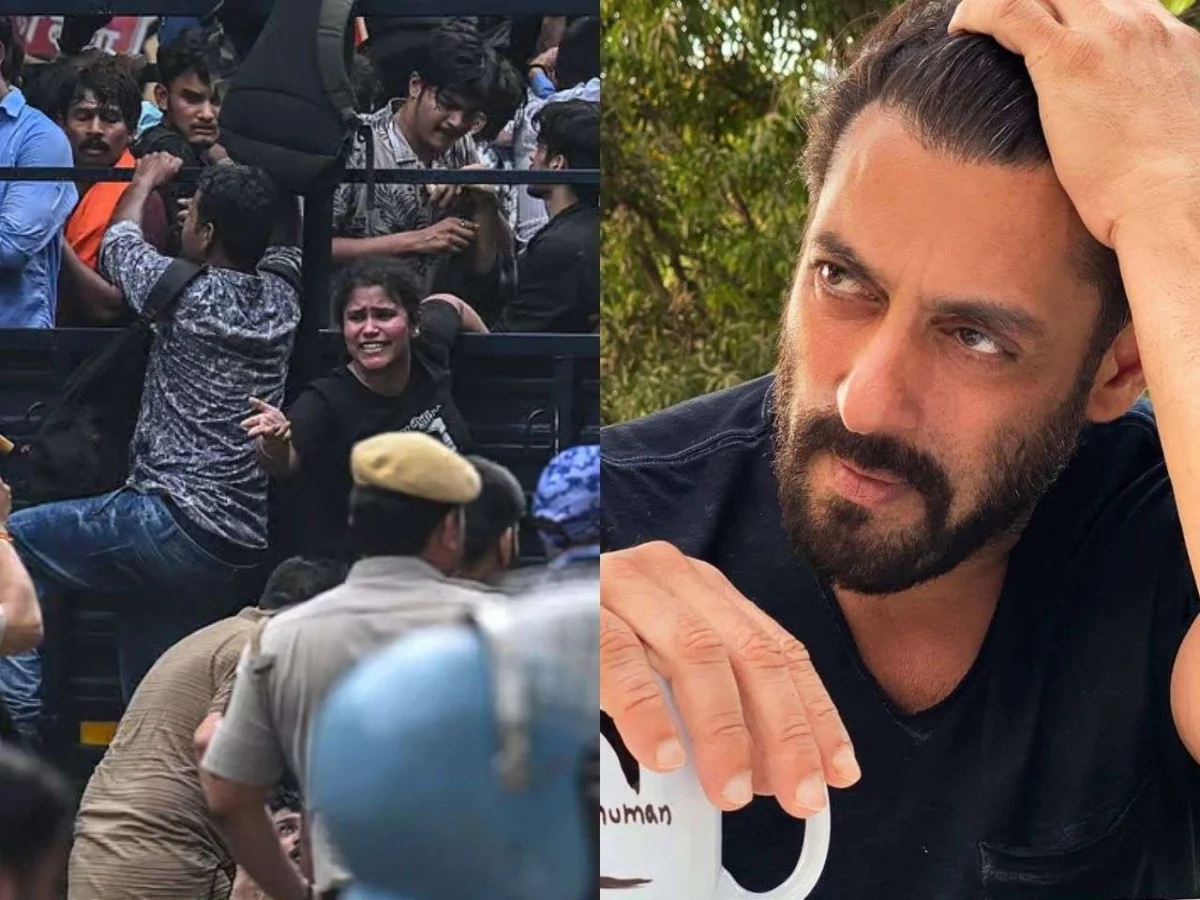
Mumbai, India – July 23, 2026 – In a significant intervention that has captured national attention, Bollywood megastar Salman Khan has publicly appealed to students protesting across the country to call off their demonstrations and has urged renowned activist Sonam Wangchuk to end his prolonged hunger strike. Khan’s intervention comes at a critical juncture, as widespread discontent over alleged irregularities in the NEET-UG examination and other educational sector crises continues to simmer, leading to protests in over ten states.
The actor’s latest public appeal, disseminated through social media platforms, has once again ignited a fervent online debate, with fans and netizens interpreting his words as a powerful nudge towards resolution. Khan’s message specifically addresses the perceived assurances from Prime Minister Narendra Modi, suggesting that students can now safely return home, their concerns acknowledged and likely to be addressed with stringent action. He extended a personal plea to Sonam Wangchuk, who has been on an indefinite hunger strike for over twenty days, not only asking him to break his fast but also offering him sustenance from his own home.
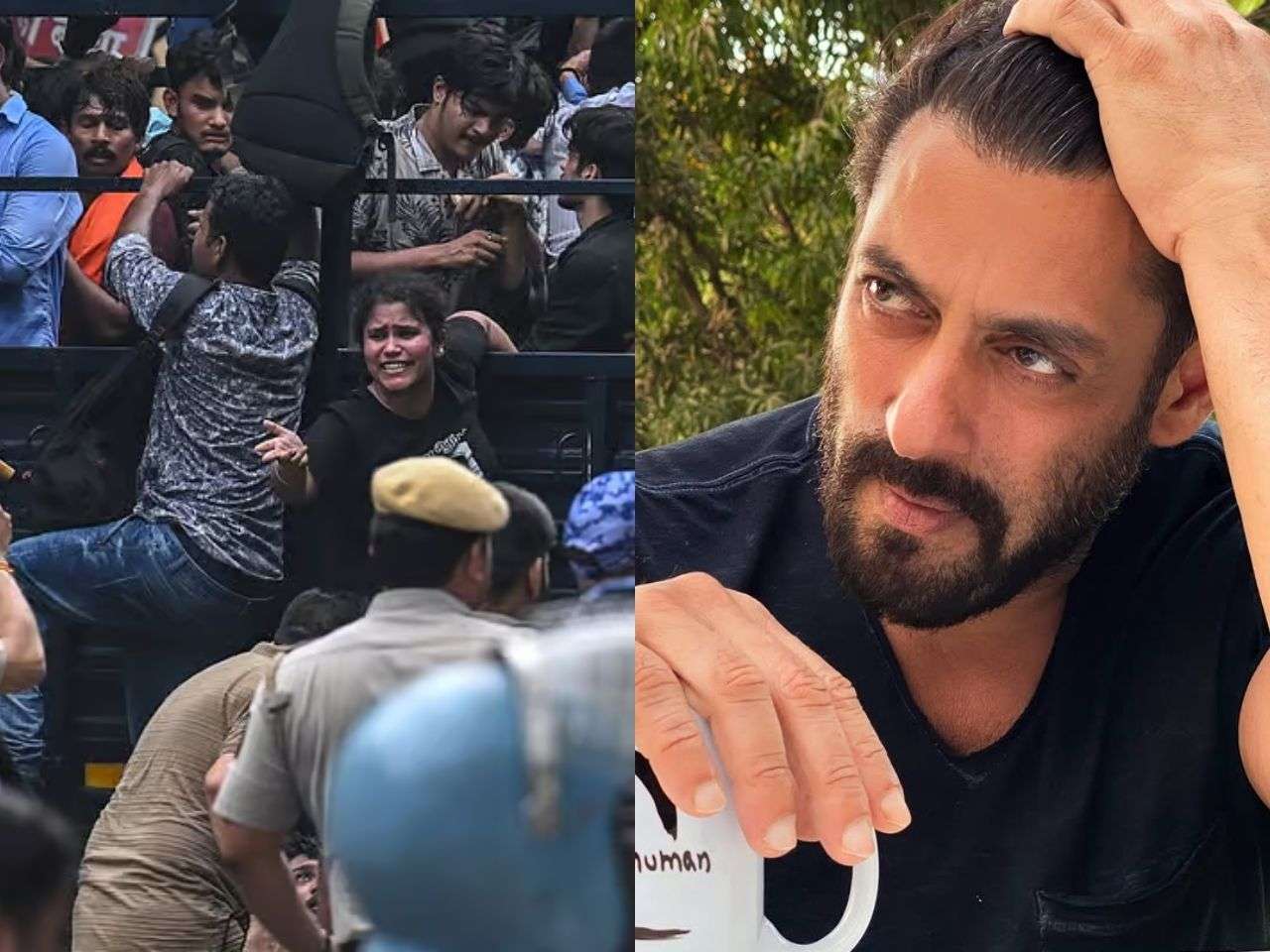
This development marks a notable escalation in the public discourse surrounding the education sector’s integrity. While Khan’s involvement is being lauded by many as a testament to his influence, it also highlights the growing pressure on the government and examination authorities to provide concrete solutions and restore public trust. The implications of these appeals, coming from a figure of Khan’s stature, could potentially shape the trajectory of the ongoing student movement and the government’s response.
The Genesis of the Crisis: NEET-UG and Beyond
The current wave of protests finds its roots in a series of alleged irregularities that have plagued the National Eligibility cum Entrance Test (NEET-UG), the gateway examination for medical college admissions in India. Reports of paper leaks, alleged malpractices, and systemic failures have sent shockwaves through the student community and their families, raising serious questions about the sanctity of the examination process. The sheer scale of the discontent, manifesting in widespread student gatherings and demonstrations, underscores a deep-seated erosion of confidence in the institutions responsible for conducting these crucial national tests.
)
Beyond NEET-UG, the protests have also broadened to encompass broader concerns within the education sector, highlighting a systemic vulnerability to corruption and mismanagement. The demand for accountability has become a rallying cry, with students and activists demanding not just the resolution of individual exam-related issues but also a comprehensive overhaul of examination and admission procedures to ensure fairness, transparency, and meritocracy.
Sonam Wangchuk’s Unwavering Resolve
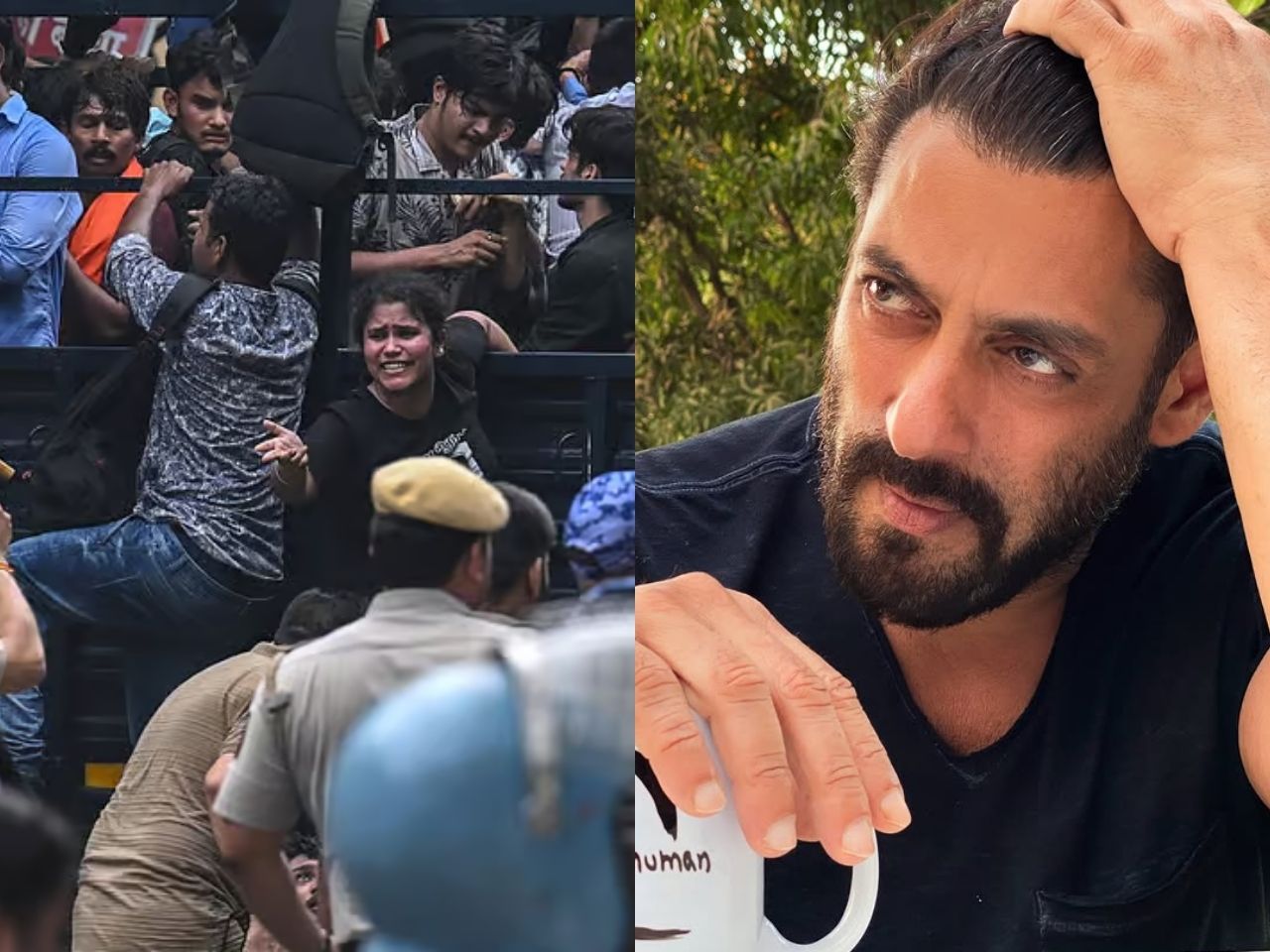
At the heart of the protest movement, and a focal point of Salman Khan’s appeal, is Sonam Wangchuk, the renowned engineer, education reformist, and climate activist. Wangchuk embarked on an indefinite hunger strike over three weeks ago, demanding the resignation of Union Education Minister Dharmendra Pradhan. His fast is a powerful symbol of his commitment to a corruption-free education system and a stark visual representation of the urgency of the situation.
)
Wangchuk’s protest has garnered significant momentum, serving as a catalyst for wider student mobilization. His unwavering dedication has inspired students in numerous states to join the chorus of demands, amplifying the national outcry. The sheer duration and intensity of his hunger strike have placed considerable moral and political pressure on the authorities to address the grievances effectively. His principled stand has positioned him as a prominent voice for a generation concerned about its future and the integrity of its educational pathways.
Salman Khan’s Intervention: A Plea for De-escalation
In his recent public statement, Salman Khan articulated a message of de-escalation and reasoned resolution. He emphasized the paramount importance of student well-being and security, urging them to consider the concerns of their parents and to return to their homes. Khan alluded to Prime Minister Narendra Modi’s own statement on the matter, interpreting it as a signal that the government is actively engaged and committed to taking decisive action against those found responsible for the alleged malpractices.

Khan’s direct appeal to the students read: "The students are at top priority, educationally n security-wise, so they need not worry and have their parents worried for them. The Honorable Prime Minister has tweeted, and I am sure that he will take strict action against all those people who are responsible for this leak. So students, plz go back to your parents n homes." This statement suggests a belief that the core issues have been acknowledged at the highest level, and further protest might be counterproductive.
His message to Sonam Wangchuk was equally direct and empathetic. Khan urged the activist to consider his hunger strike concluded, framing it as a victory that has brought the issues to the forefront. He implored Wangchuk to break his fast, stating, "It’s done, bro. Don’t extend this. Keep the spirit for another day if there be a need, which I doubt, n eat something." The offer of food from his own home underscored a personal concern for Wangchuk’s well-being, transcending the political dimensions of the protest.
)
The Internet’s Reaction: A Mixed Bag of Admiration and Skepticism
Salman Khan’s pronouncements have, as is often the case with the actor, ignited a firestorm of reactions across social media platforms. A significant segment of netizens has lauded Khan, viewing his intervention as a masterstroke that has effectively influenced Prime Minister Modi’s public stance. The sentiment that Khan possesses a unique ability to sway even the highest echelons of power is palpable in many comments.
One particularly viral comment encapsulated this admiration: "PM Modi bhi darta hai aapse" (Even PM Modi is afraid of you). This hyperbolic statement reflects a perception of Khan’s immense influence and popularity, suggesting that his words carry significant weight in the political landscape. Other reactions echoed this sentiment, with some suggesting that Khan himself would make an ideal Prime Minister, further highlighting the adoration he commands. The belief that Khan’s intervention directly led to the Prime Minister’s tweet is a recurring theme in the online discourse.
)
However, amidst the praise, there are also voices of skepticism and critique. Some argue that Khan’s appeal, while well-intentioned, might be premature or misinterpret the depth of student grievances. Critics point out that while assurances are welcome, concrete actions and systemic reforms are what the students are truly demanding. There are concerns that urging an immediate end to protests based on statements alone might undermine the collective bargaining power of the student movement and fail to address the underlying systemic issues that have led to the crisis.
Chronology of Key Events Leading to Khan’s Intervention
The current situation is the culmination of a series of events that have unfolded over the past few weeks:
)
- Early to Mid-June 2026: Reports of alleged irregularities and malpractices begin to surface concerning the NEET-UG examination. Initial concerns are raised by a few students and parents, often dismissed as isolated incidents.
- Late June 2026: The scale of the alleged scams becomes more apparent. Social media platforms buzz with evidence and testimonials from students alleging widespread issues. The NEET-UG exam results are released amidst growing controversy.
- July 1, 2026: Sonam Wangchuk begins his indefinite hunger strike in Leh, Ladakh, demanding the resignation of Union Education Minister Dharmendra Pradhan and immediate action to address the education sector’s systemic failures. His protest quickly gains national traction.
- Early to Mid-July 2026: Student-led protests erupt in various cities across India, including Delhi, Mumbai, Chennai, and Kolkata. Demonstrations range from peaceful marches to more assertive gatherings at key locations like Jantar Mantar in Delhi. Over ten states witness significant protest activity.
- Mid-July 2026: The pressure mounts on the government. Opposition parties raise concerns in Parliament. Media coverage intensifies, bringing the issue to the forefront of national discourse. Calls for a thorough investigation and accountability grow louder.
- July 20, 2026 (approx.): Prime Minister Narendra Modi issues a statement on social media acknowledging the concerns surrounding the NEET-UG examination and assuring strict action against those responsible. This statement is seen as a direct response to the growing protests and Wangchuk’s hunger strike.
- July 23, 2026, Evening: Salman Khan posts on social media, urging students to end their protests and asking Sonam Wangchuk to break his hunger strike, citing the Prime Minister’s assurance as a basis for de-escalation.
Supporting Data and Official Responses
The allegations surrounding the NEET-UG examination have been substantial. While the exact scale of any confirmed leak or widespread malpractice is still under thorough investigation, the sheer volume of complaints and the perceived systemic weaknesses have fueled the public outcry. Reports suggest that the Central Bureau of Investigation (CBI) has been tasked with investigating the alleged irregularities, indicating a serious governmental response.
The Ministry of Education has also issued statements acknowledging the concerns and assuring transparency and fairness in the investigation process. The Supreme Court of India has been petitioned to address the issue, and judicial intervention is a significant factor in the unfolding situation. The government’s initial response, while acknowledging the problem, has been met with demands for more decisive and immediate action by the protesting students and their supporters.
)
Prime Minister Modi’s tweet, which Salman Khan referenced, stated, "The recent instances of alleged irregularities in exams are deeply concerning. We have been committed to ensuring the integrity of our examination system. We will not tolerate any such malpractices and will take strict action against those responsible. The students deserve a fair chance, and we are committed to ensuring that." This statement, though a general assurance, has been interpreted by many as a significant step towards addressing the student’s demands.
Implications and Future Outlook
Salman Khan’s intervention, while aimed at de-escalation, carries profound implications. On one hand, it could provide a crucial impetus for the government to accelerate its actions and implement the necessary reforms, leveraging the actor’s influence to encourage compliance. His appeal to the students to return home might be seen by some as an attempt to pacify the situation and restore normalcy.
)
However, the long-term impact hinges on the concrete actions that follow. If the government’s response remains limited to assurances and superficial measures, Khan’s intervention might be perceived as an attempt to prematurely quell a legitimate movement for systemic change. The students’ trust has been shaken, and rebuilding it will require more than just words.
The ongoing protests have highlighted critical vulnerabilities in India’s vast examination and education infrastructure. The demand for transparency, accountability, and meritocracy is likely to persist, regardless of individual appeals. The future outlook depends on the government’s commitment to not only addressing the immediate crisis but also implementing robust reforms that safeguard the integrity of the education system for generations to come. The narrative of whether Salman Khan’s plea marks the beginning of a resolution or an attempt to silence dissent will ultimately be written by the actions that transpire in the coming days and weeks. The nation watches with bated breath.
