

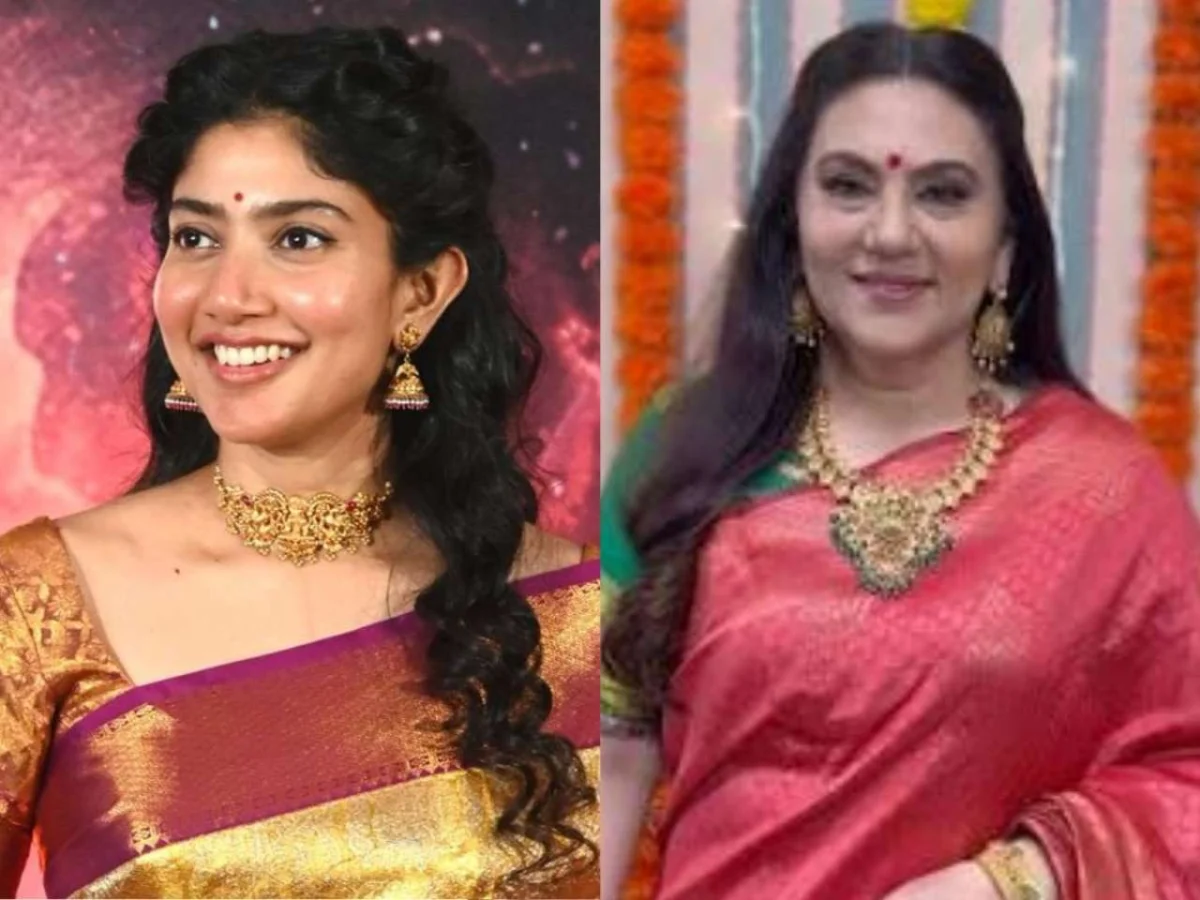
Mumbai, India – The anticipation surrounding Nitesh Tiwari’s ambitious cinematic adaptation of the epic Ramayana has reached a fever pitch, with casting choices becoming a focal point of public discourse. As the project gears up for its monumental release, veteran actress Dipika Chikhlia, who etched herself into the hearts of millions as the iconic Sita in Ramanand Sagar’s 1987 television series, has broken her silence on the casting of Sai Pallavi in the upcoming film. While praising Pallavi’s acting prowess, Chikhlia has raised pertinent questions about adherence to textual descriptions and the enduring legacy of her own portrayal.
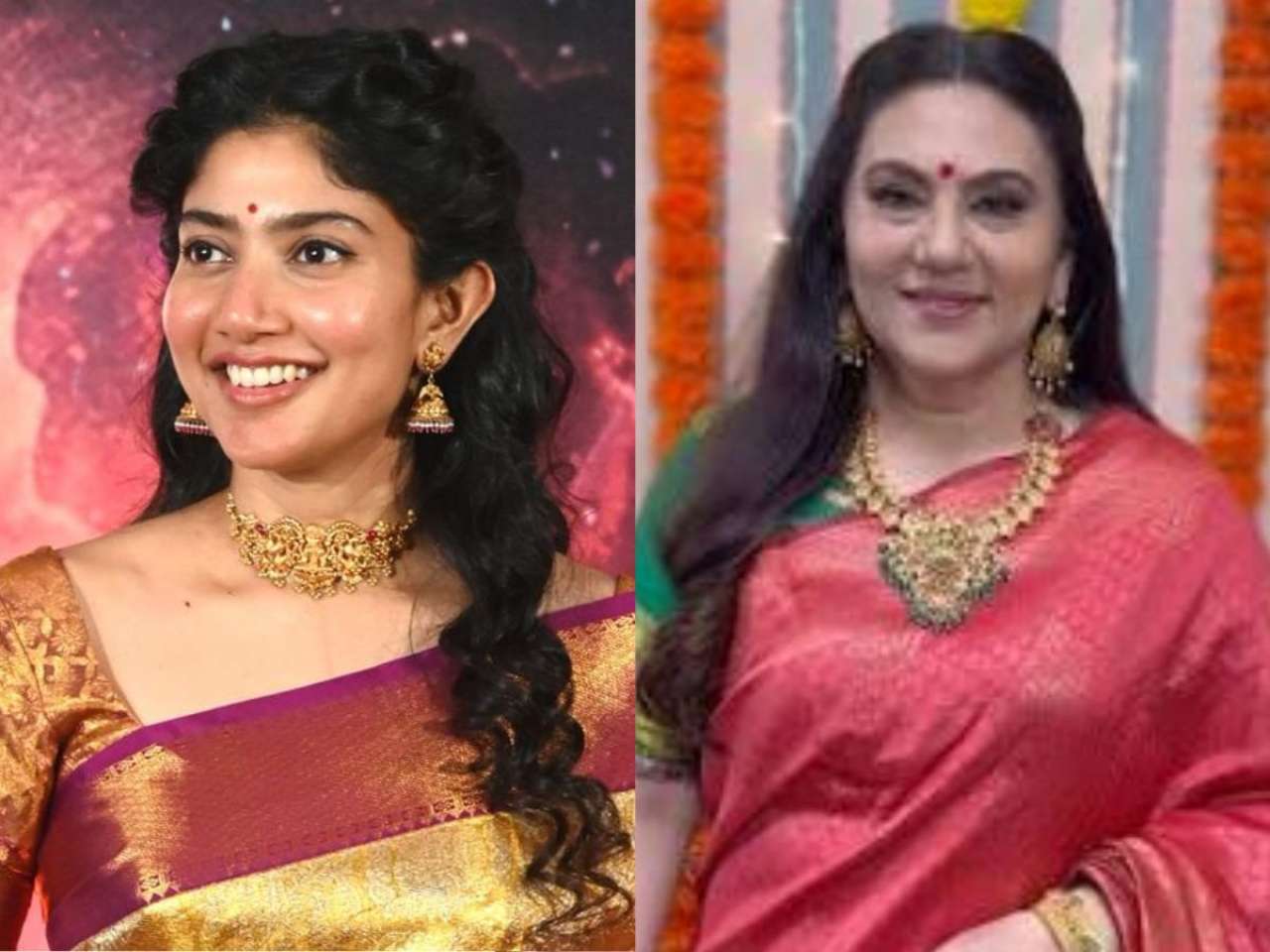
The much-discussed film, slated for a two-part release in 2026 and 2027, boasts a star-studded ensemble, including Ranbir Kapoor as Lord Rama, Sai Pallavi as Sita, and Yash as Ravana. The initial trailer, scheduled for a grand unveiling at San Diego Comic-Con, faced an eleventh-hour postponement, further fueling the curiosity and speculation surrounding the project. In an interview with Variety India, Chikhlia, who has become synonymous with the role of Sita for generations, offered a measured and insightful perspective on the reimagining of this revered deity.
)
A Phenomenal Talent, But What of the Description?
Dipika Chikhlia did not hold back in her admiration for Sai Pallavi’s acting capabilities. "She is phenomenal," Chikhlia stated, acknowledging Pallavi’s established reputation as a gifted performer. However, this praise was quickly followed by a more critical observation rooted in her deep understanding of the source material. "I don’t know what Sita will look like," Chikhlia confessed, highlighting a potential disconnect between the visual interpretation and the traditional descriptions found in revered texts.

Chikhlia’s concern stems from the detailed portrayals of Sita in various ancient scriptures, most notably Tulsidas’s Ramcharitmanas. She recalled how Ramanand Sagar, during the casting process for the iconic 1987 series, sought specific attributes. "In Tulsidas’ Ramayana, Sita was described as having almond eyes, a specific height, hair, and skin tone. Ramanand Sagar was searching for something, and he found it in me," Chikhlia explained, emphasizing the meticulous approach taken in her era to embody the divine character. This suggests a belief that visual accuracy, grounded in scriptural descriptions, holds significant importance in portraying such a revered figure.
)
The Unmentioned "Curly Hair" Conundrum
One of Chikhlia’s most striking points of contention revolves around the visual representation of Sita’s hair. She directly addressed the emerging portrayal, stating, "Sitaji with curly hair is not mentioned in Ramayan." This observation, while seemingly minor, points to a potential departure from established iconography and scriptural narrative. Chikhlia further elaborated that the ancient texts do not offer any mention of Sita having frizzy or curly hair, implying that such a stylistic choice in the upcoming film might be an invention rather than an interpretation rooted in the original epics.
)
This emphasis on specific physical attributes, even down to hair texture, underscores the weight of tradition and the deeply ingrained imagery that audiences associate with these divine characters. For many, particularly those who grew up with Sagar’s rendition, Dipika Chikhlia is Sita, and any deviation from that established visual can be a point of contention.
)
The Enduring Legacy of the 1987 Ramayana
Dipika Chikhlia’s reflections also touched upon the indelible impact of the 1987 Ramayana series. She pointed out the profound connection audiences have with that particular adaptation, a connection that was further amplified during the COVID-19 pandemic when the show was re-telecast on Doordarshan, reaching a new generation of viewers. "We are well-known for who we are. My name is Sita. Sometimes people remember that I portrayed Sita even though they can’t recall my name. That’s who I am, then. ‘I’m not sure why anyone would want to lose that,’" she remarked, expressing a sense of protectiveness over the legacy she helped create.
)
The enduring popularity and cultural significance of the 1987 Ramayana present a formidable challenge for any subsequent adaptation. Chikhlia’s sentiment suggests that attempts to "erase" or drastically alter the established portrayal might face significant resistance from a deeply invested audience. She further highlighted the return of Arun Govil, her on-screen Ram, who will now play the role of King Dashrath in the new film. "Erasing the old Ramayan will be very difficult," she concluded, underscoring the deeply entrenched emotional and cultural connection that the 1987 series holds for the Indian populace.
)
A Chronological Perspective on the Cinematic Ramayana
The journey of Nitesh Tiwari’s Ramayana from conception to its anticipated release has been a protracted one, marked by significant casting announcements and strategic marketing decisions.
)
- Project Announcement: The ambitious project, envisioned as a grand cinematic spectacle, was announced with Nitesh Tiwari at the helm, aiming to bring the epic tale to a new generation of viewers.
- Star-Studded Casting: The casting of Ranbir Kapoor as Rama, Sai Pallavi as Sita, and Yash as Ravana generated considerable buzz and debate, establishing the film’s formidable lineup.
- Trailer Tease and Postponement: The highly anticipated trailer was slated for a premiere at San Diego Comic-Con, a prestigious global platform for entertainment releases. However, hours before its scheduled launch, the trailer’s release was postponed, adding an element of mystery and further intensifying public anticipation.
- Dipika Chikhlia’s Intervention: In the wake of the casting discussions and trailer anticipation, Dipika Chikhlia, the beloved "original Sita," shared her nuanced views on Sai Pallavi’s portrayal, sparking further conversation about authenticity and legacy.
Supporting Data: The Scale and Scope of the Production
The Nitesh Tiwari Ramayana is not merely another film; it is an endeavor of unprecedented scale and ambition in Indian cinema. The production’s magnitude is evident in several key aspects:
)
- Two-Part Epic: The decision to adapt the Ramayana into a two-part film series underscores the narrative’s vastness and the filmmakers’ commitment to a comprehensive portrayal. Part 1 is slated for a Diwali 2026 release, with Part 2 scheduled for Diwali 2027.
- Monumental Budget: With a reported budget of ₹400 crore, the film is positioned as one of the most expensive Indian productions to date, signaling a significant investment in visual effects, sets, costumes, and overall production value.
- International Collaboration: The involvement of Oscar-winning composer Hans Zimmer alongside Indian music maestro A.R. Rahman for the film’s score highlights a global approach to its artistic and technical execution, aiming for a cinematic experience that resonates internationally.
- Extensive Cast: Beyond the central trio, the film features a constellation of prominent actors, including Ravie Dubey, Sunny Deol, Rakul Preet Singh, Lara Dutta, Vivek Oberoi, and Kunal Kapoor, further amplifying its star power and appeal.
Official Responses and Future Outlook
As of the current reporting, there have been no official statements from the filmmakers or the cast of Nitesh Tiwari’s Ramayana directly addressing Dipika Chikhlia’s comments regarding Sai Pallavi’s portrayal or the specific textual interpretations. The postponement of the trailer’s release suggests a strategic decision to recalibrate or refine the marketing approach, potentially in response to audience reactions or internal production considerations.
)
The filmmakers have emphasized their commitment to delivering a visually stunning and emotionally resonant adaptation that respects the essence of the epic while offering a fresh perspective. The delay in the trailer’s release is attributed to a global release strategy, indicating a desire to unveil the cinematic vision on a worldwide scale.
)
Implications and The Evolving Nature of Reimagining Classics
Dipika Chikhlia’s comments, while rooted in respect for the original text and her own iconic portrayal, highlight a broader conversation about the challenges and responsibilities of adapting revered classics for contemporary audiences.
- The Power of Iconography: The enduring image of Dipika Chikhlia as Sita demonstrates the potent impact of visual representation and how certain portrayals can become inextricably linked with the characters they embody. This presents a challenge for any new adaptation seeking to establish its own visual identity.
- Balancing Tradition and Innovation: The filmmakers face the delicate task of honoring the source material’s spiritual and narrative integrity while infusing it with modern cinematic sensibilities and artistic interpretations. This often involves navigating the fine line between fidelity and creative reimagining.
- Audience Expectations: The massive fanbase of the Ramayana, particularly those who grew up with the 1987 series, brings a set of deeply ingrained expectations. Any deviation from these established norms, whether in casting, character portrayal, or narrative emphasis, is likely to be met with scrutiny.
- The Future of Epic Adaptations: Nitesh Tiwari’s Ramayana is poised to set new benchmarks for epic storytelling in Indian cinema. Its success will likely hinge not only on its technical prowess and star power but also on its ability to connect with audiences on an emotional and spiritual level, while respecting the profound cultural significance of the epic it seeks to bring to life. The debate ignited by Dipika Chikhlia’s remarks serves as a vital prelude to the film’s release, underscoring the deeply personal and culturally significant connection audiences have with this timeless narrative.
