

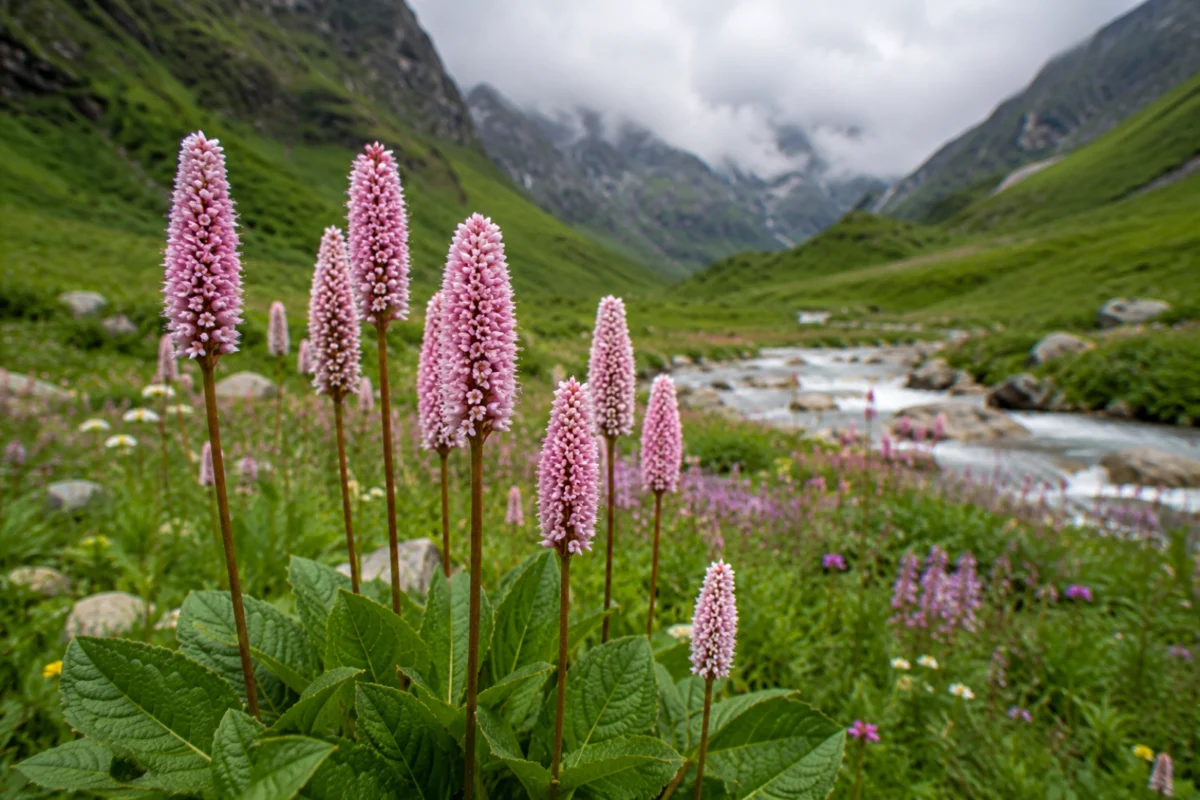
New Delhi, July 26, 2026 – The enchanting Valley of Flowers National Park in Uttarakhand has officially opened its gates, drawing a surge of eager trekkers to witness nature’s most spectacular annual transformation. As the monsoon season takes hold, this UNESCO World Heritage Site awakens, cloaking its alpine meadows in a breathtaking tapestry of hundreds of vibrant Himalayan wildflowers. From July to early September, the valley becomes a living canvas, painting the landscape with hues that rival any artist’s palette and solidifying its reputation as one of India’s most awe-inspiring natural wonders.
The allure of the Valley of Flowers lies not only in its pristine beauty but also in the ephemeral nature of its bloom. The exact varieties and their peak visibility depend on the precise timing of a visitor’s journey, yet the promise of encountering a dazzling array of unique flora makes every trek a memorable expedition. This year, as the park welcomes visitors, the stage is set for a renewed appreciation of its delicate ecosystem and the extraordinary floral diversity it harbors.
A Floral Symphony: Unveiling the Valley’s Most Captivating Blooms
The Valley of Flowers is a botanist’s dream and a photographer’s paradise, home to an astonishing array of wildflowers, each with its own unique charm and ecological significance. While the complete spectrum of blooms is a testament to the valley’s rich biodiversity, certain species stand out as iconic highlights for visitors undertaking the trek.
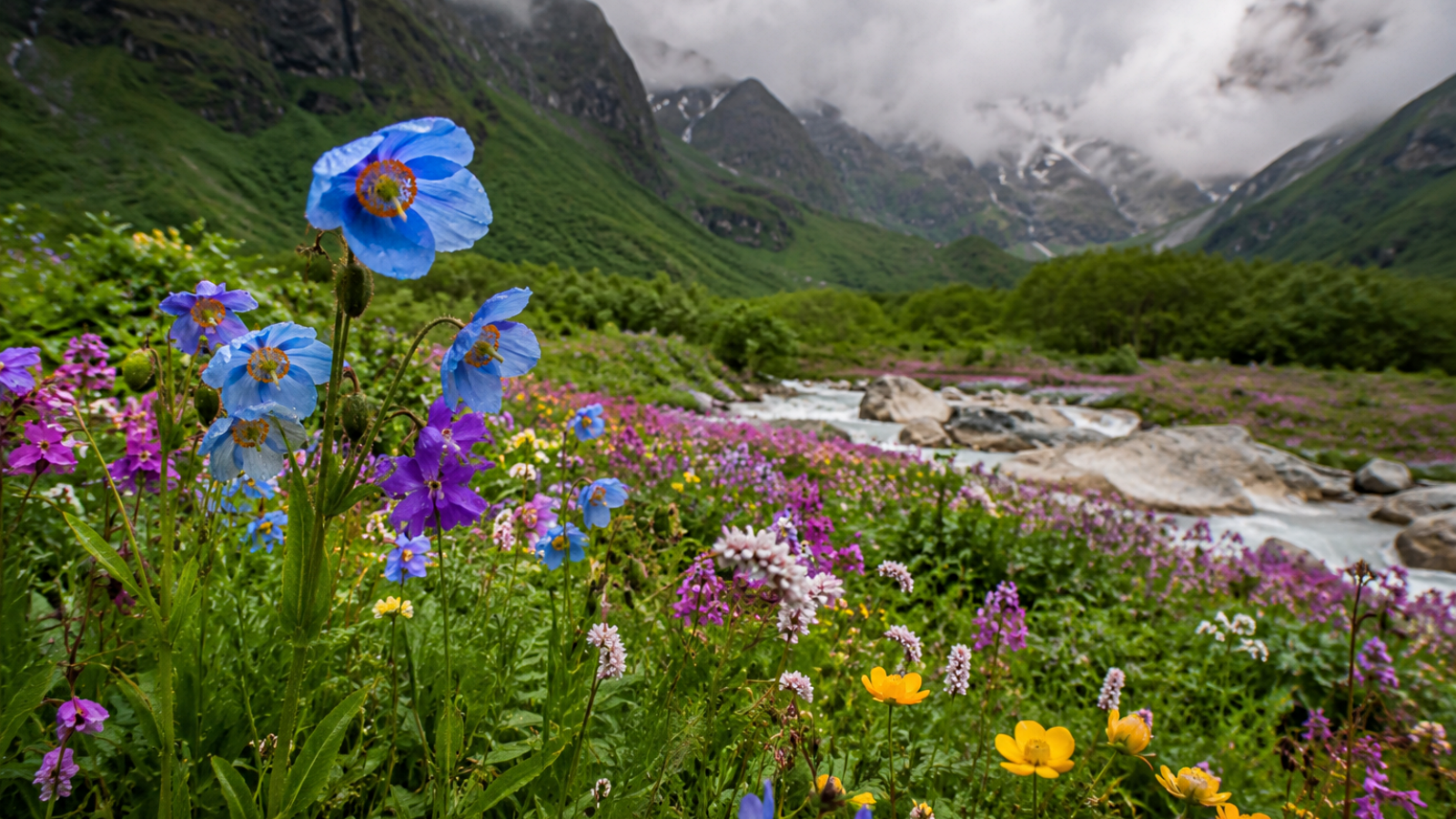
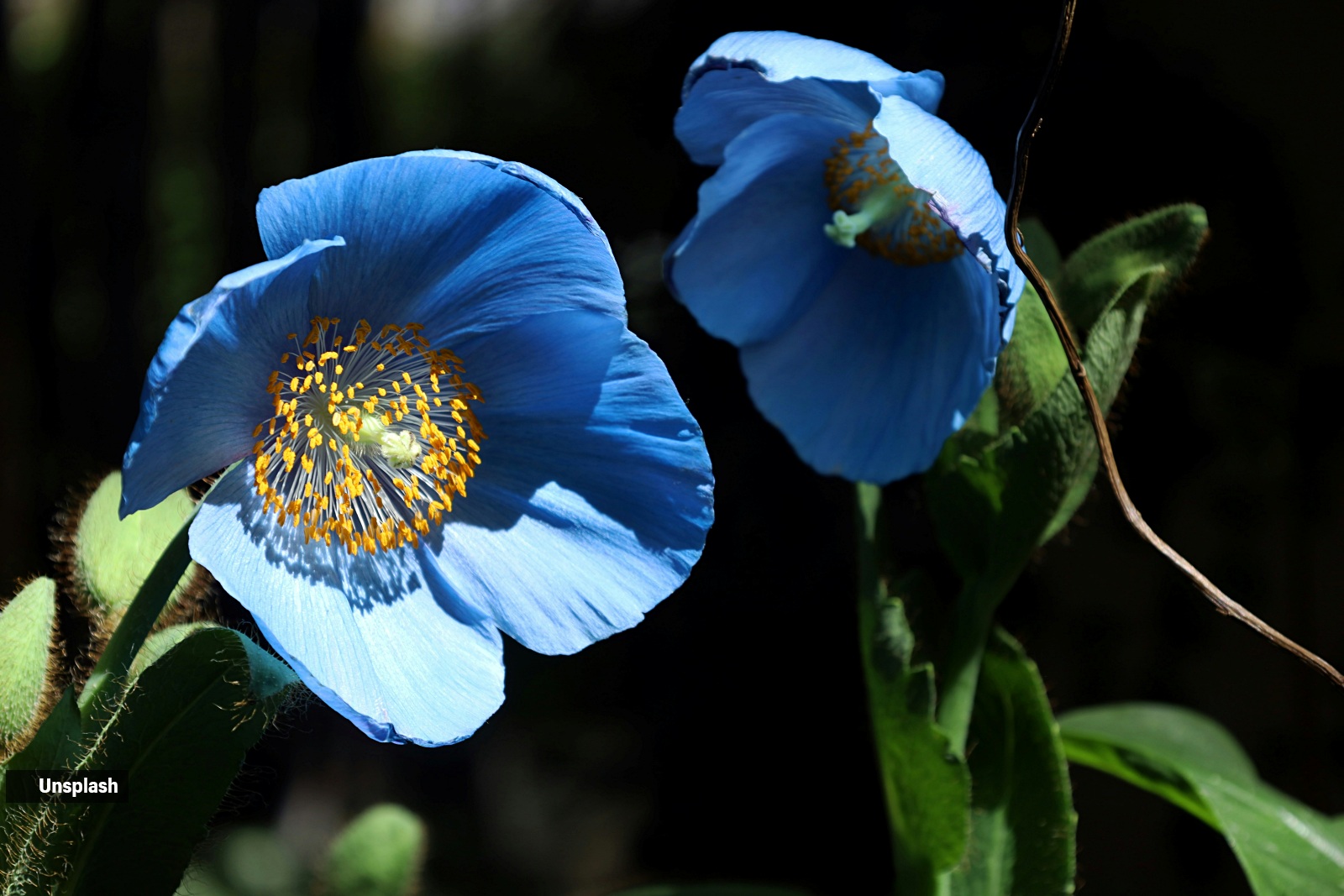
The Ethereal Himalayan Blue Poppy (Meconopsis aculeata)
Perhaps the most sought-after spectacle in the Valley of Flowers is the Himalayan blue poppy. Its striking, almost celestial sky-blue petals are a rare and breathtaking sight. The intensity of its color is remarkably sensitive to soil pH and the ambient UV light, making each sighting a precious moment. Many trekkers embark on this journey with the singular hope of witnessing these elusive blossoms in their full glory, a testament to their captivating beauty and symbolic rarity. The delicate structure of the poppy, combined with its vibrant hue, creates a visual contrast that is both profound and deeply memorable against the rugged Himalayan backdrop.
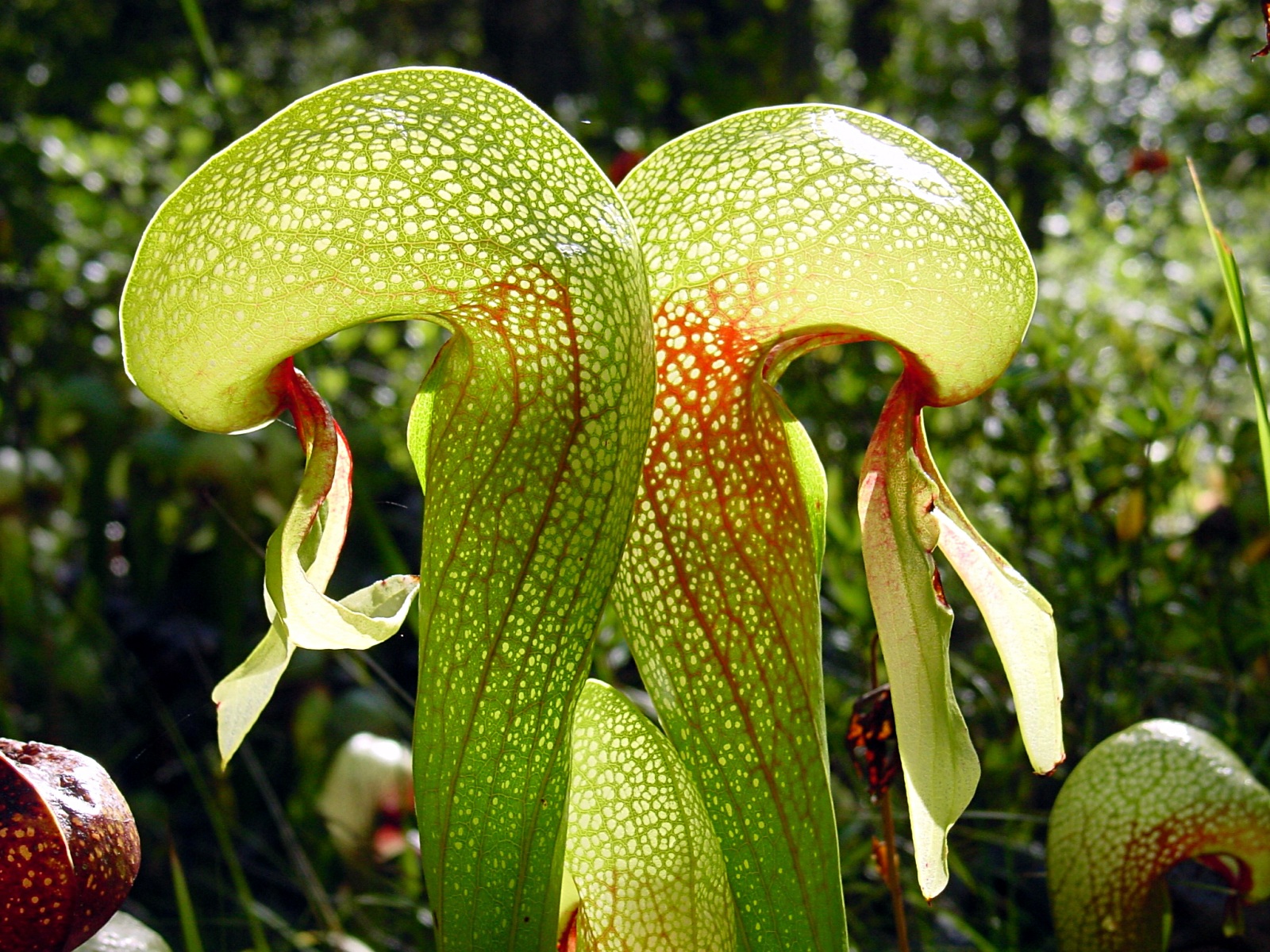
The Intriguing Cobra Lily (Arisaema spp.)
Adding an element of the exotic to the floral landscape is the Cobra Lily. This unique Himalayan plant earns its name from the distinctive hooded spathe that surmounts its spadix, uncannily resembling the poised head of a cobra ready to strike. While its appearance might be somewhat intimidating, the Cobra Lily is a fascinating example of adaptation in the alpine environment. It can be readily observed along the trekking trails, particularly within the broader Valley of Flowers-Hemkund region, during the peak blooming season, offering a glimpse into the more unusual botanical wonders of the Himalayas.
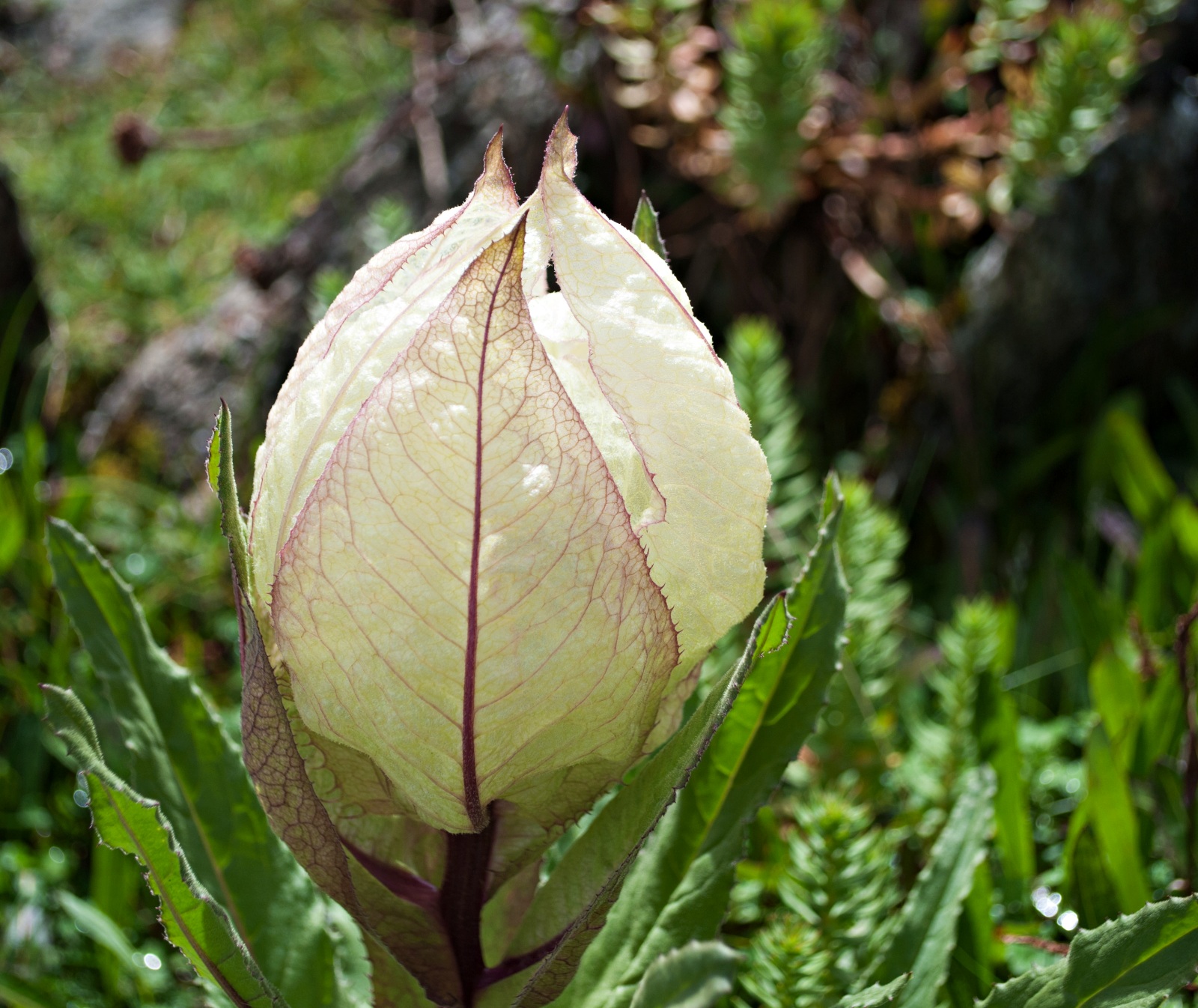
The Sacred Brahma Kamal (Saussurea obvallata)
Holding a special place in both nature and culture, the Brahma Kamal is Uttarakhand’s state flower and a deeply revered bloom. Typically found at higher elevations than the primary Valley of Flowers trail, this exquisite flower is more commonly spotted on the challenging yet rewarding trek to Hemkund Sahib. It thrives in the rocky alpine terrain, its pale, creamy-white petals unfolding like a celestial offering. The Brahma Kamal is not just a botanical marvel; it is steeped in mythology and believed to bring good fortune. Its presence in the harsh alpine environment is a symbol of resilience and purity.
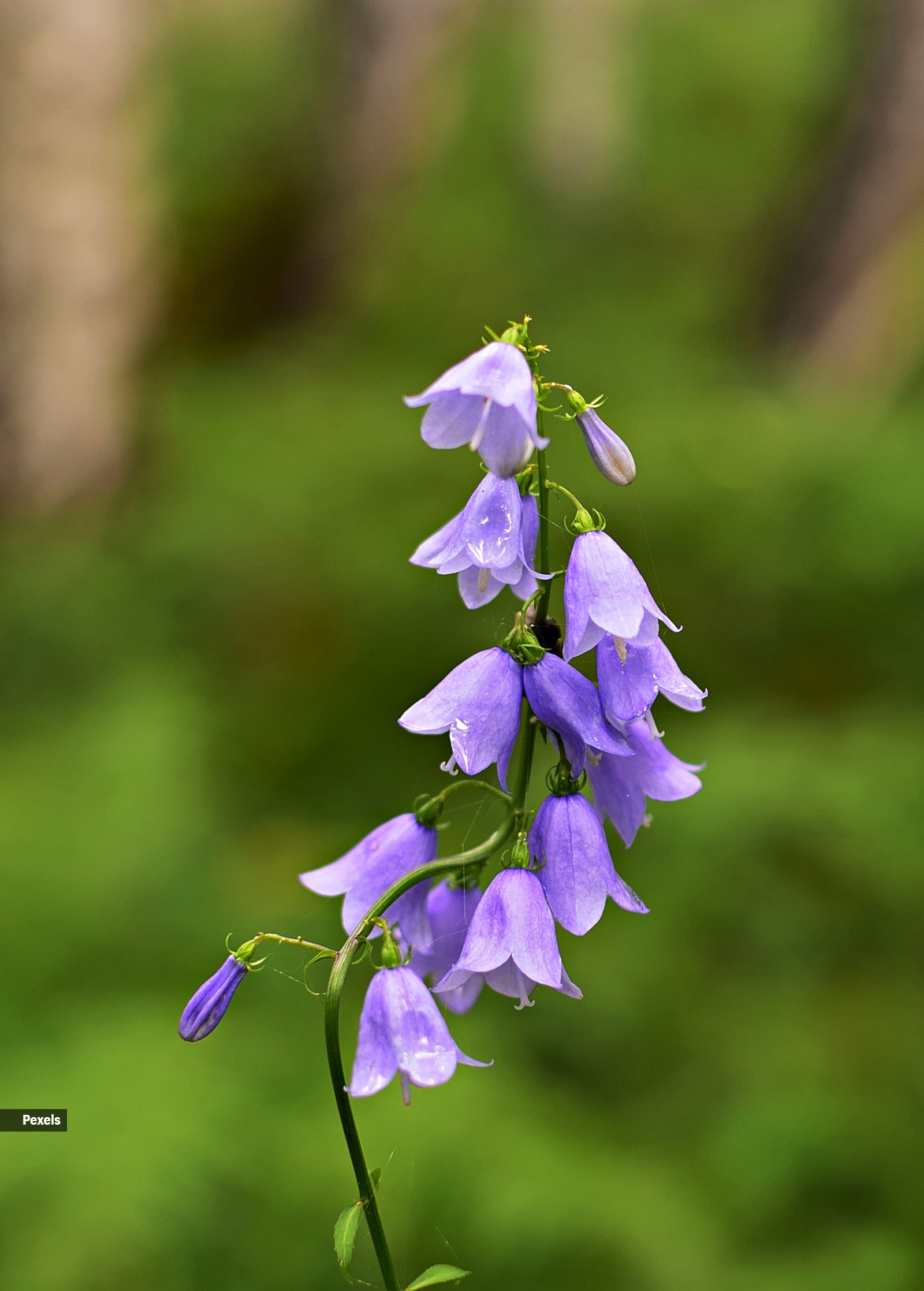
The Delicate Himalayan Bellflower (Campanula spp.)
The meadows of the Valley of Flowers are adorned with the delicate, bell-shaped blossoms of the Himalayan Bellflower. These charming flowers, predominantly in shades of soft purple and vibrant blue, add an extra layer of enchantment to the already vibrant landscape during the monsoon months. Their graceful form and gentle sway in the mountain breeze contribute to the valley’s serene and picturesque ambiance, inviting contemplation and admiration.
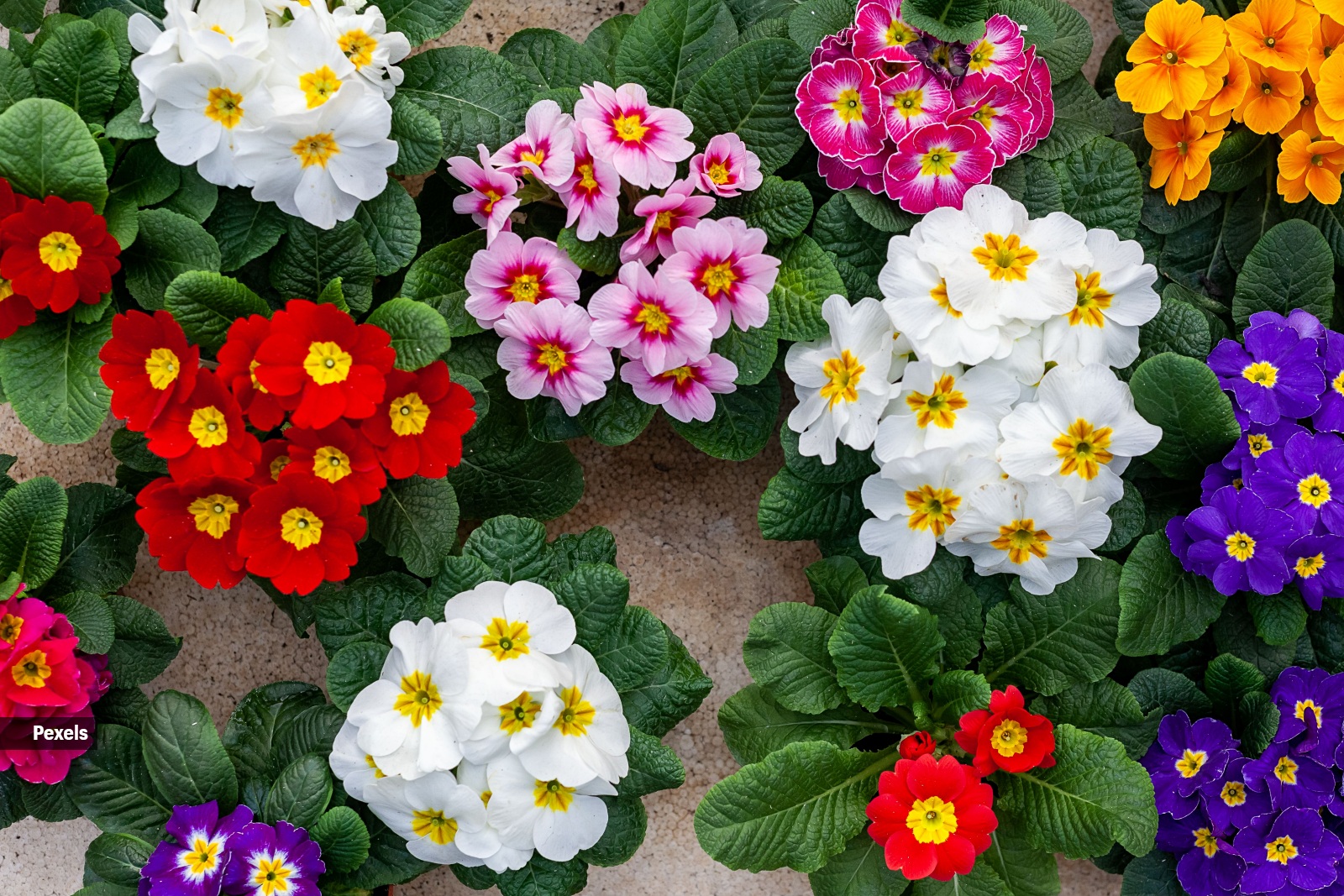
The Cheerful Primulas (Primula spp.)
As the harsh Himalayan winter recedes and the snow melts, the Primula family is often among the first to herald the arrival of spring and the subsequent monsoon bloom. These resilient flowers carpet the valley floor in a delightful array of colors, including soft pinks, rich purples, and pure whites. Their vibrant presence signifies renewal and the burgeoning life that characterizes the alpine meadows after a period of dormancy, providing a cheerful and inviting introduction to the floral spectacle.
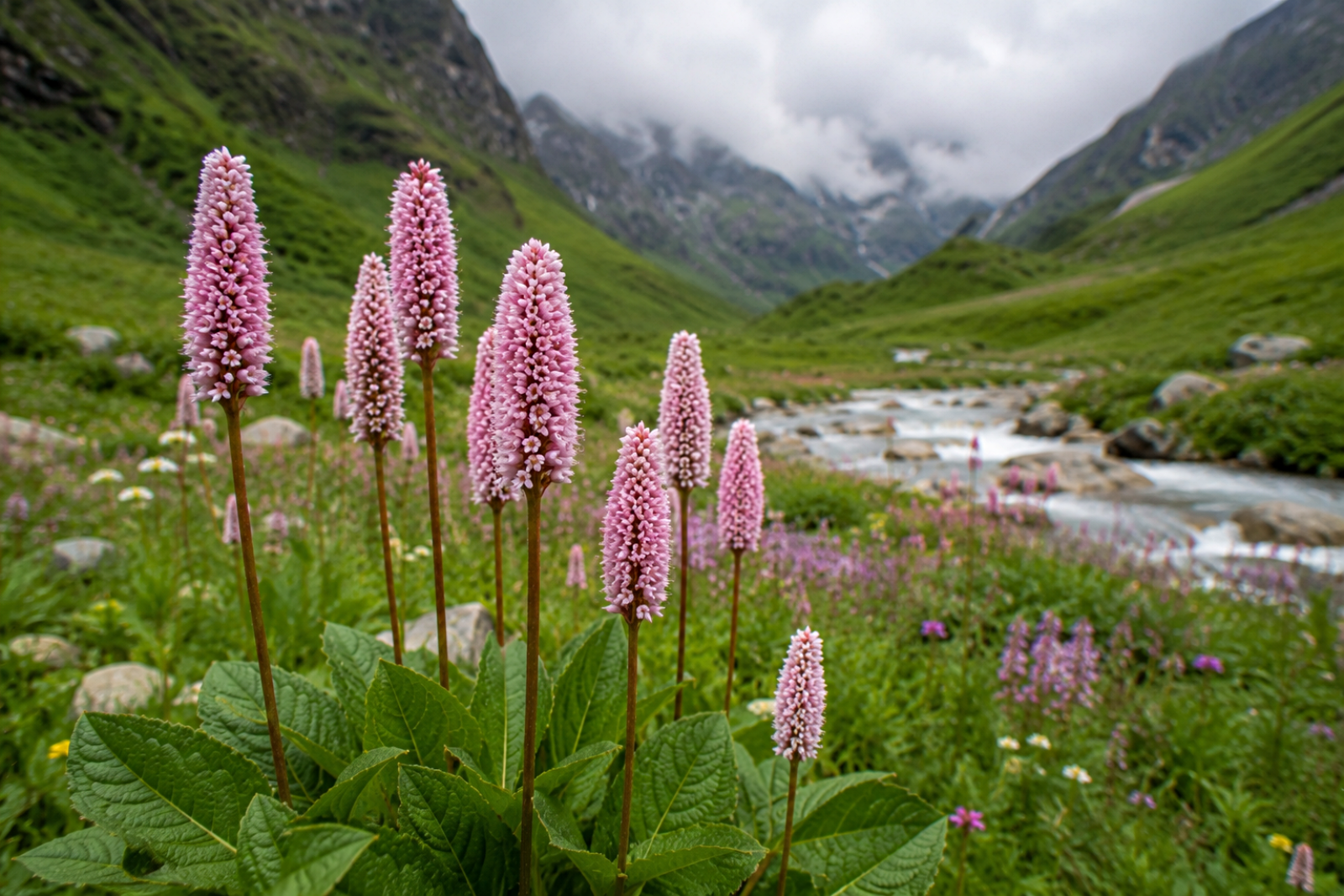
The Spiky Himalayan Bistort (Bistorta spp.)
Distinguished by its tall, elegant spikes of soft pink flowers, the Himalayan Bistort is a common and beautiful sight across the valley’s alpine meadows. Its distinctive form adds a vertical element to the floral tapestry, creating visual interest and texture. The presence of Himalayan Bistort is a reliable indicator of the healthy, moist conditions that these meadows provide, contributing significantly to the overall ecological balance and aesthetic appeal of the Valley of Flowers.
The Gleaming Marsh Marigold (Caltha palustris)
Adding brilliant splashes of sunshine to the landscape are the Marsh Marigolds. These cheerful yellow flowers have a particular affinity for damp meadows and the banks of mountain streams, thriving in the moist environments that are abundant during the monsoon. Their vibrant color serves as a beacon of joy, illuminating the wetter sections of the valley and complementing the diverse palette of other wildflowers.
The Graceful Anemones (Anemone spp.)
Blooming in a delicate spectrum of white, pink, blue, and violet, Anemones are a symbol of grace and fragility. These ethereal flowers gently dance and sway in the mountain breeze, their petals unfurling like silken whispers. Historically, these flowers held significance in Uttarakhand’s folk medicine, utilized for their purported healing properties in treating skin conditions and dental ailments, adding a layer of cultural heritage to their natural beauty.
The Charming Wild Himalayan Geranium (Geranium spp.)
Clusters of enchanting purple and pink blossoms mark the presence of the Wild Himalayan Geranium along various sections of the trekking route. Often referred to as "cranesbills" due to the distinctive beak-like shape of their seed capsules, these geraniums are among the valley’s most charming wildflowers. Their vibrant colors and hardy nature make them a delightful addition to the already rich floral display, adding pops of color to the verdant slopes.
The Resilient Potentillas (Potentilla spp.)
These hardy alpine flowers are a testament to the resilience of life in the high Himalayas. Potentillas bloom in a cheerful palette of yellow, white, and pink, further enriching the valley’s vibrant floral tapestry. Their ability to thrive in challenging alpine conditions underscores the unique adaptations of the region’s flora.
The ever-changing patterns of blooming, influenced by rainfall, altitude, and the specific time within the season, ensure that no two visits to the Valley of Flowers are ever the same. Each trek offers a unique and personalized encounter with nature’s artistry, making every journey a profoundly special experience.
Chronology of a Floral Awakening: The Monsoon’s Embrace
The Valley of Flowers National Park operates on a distinct seasonal cycle, with its most spectacular phase dictated by the arrival of the monsoon. This period, typically spanning from July to early September, is crucial for the valley’s transformation.
- Late Spring/Early Summer (May-June): As the snow melts and the temperatures begin to rise, the initial signs of life emerge. Hardy perennial plants begin to sprout, and the first early bloomers start to appear, often in muted tones as the landscape prepares for the more intense floral display to come.
- Monsoon Onset (July): This marks the true beginning of the valley’s transformation. The increased rainfall and humidity provide the perfect conditions for a rapid and widespread blooming of a vast array of wildflowers. This is when the meadows begin to erupt in a riot of colors.
- Peak Bloom (Late July – August): This is considered the prime time for visiting the Valley of Flowers. The majority of the species are in full bloom, creating the iconic, vibrant carpets of flowers that the park is famous for. Trekkers can expect to see the widest variety and densest concentrations of blossoms during this period.
- Late Monsoon/Early Autumn (Early September): While the intensity of the bloom may start to wane slightly, the valley remains a stunning spectacle. Some flowers may be setting seed, and the landscape takes on a different, yet still beautiful, character. The colors might become more subtle, but the overall charm of the valley persists.
- Park Closure (Late September/October onwards): As the temperatures drop and winter approaches, the floral display diminishes, and the park typically closes to visitors to protect its fragile ecosystem from the harsh winter conditions.
This temporal dance between the elements and the flora creates a fleeting window of unparalleled beauty, drawing visitors from across the globe to witness this ephemeral natural phenomenon.
Supporting Data: The Ecological Significance of the Valley
The Valley of Flowers National Park is not merely a visually stunning location; it is a critical ecological zone, recognized globally for its biodiversity and its role as a natural heritage site.
- UNESCO World Heritage Site: Designated in 2005, the Valley of Flowers, along with Nanda Devi National Park, forms the Nanda Devi and Valley of Flowers National Parks World Heritage Site. This recognition underscores its outstanding universal value and the imperative for its conservation.
- Biodiversity Hotspot: The park is situated in the Western Himalayas, a region known for its high endemism and exceptional plant and animal diversity. It is home to over 500 species of flowering plants, many of which are found nowhere else on Earth.
- Ecological Importance: The meadows play a vital role in the region’s ecosystem, supporting a wide range of fauna, including various bird species, mammals like the snow leopard, musk deer, and Himalayan tahr, and numerous insect species that are crucial for pollination.
- Climate Regulation: The dense vegetation and alpine meadows contribute to local climate regulation, water retention, and soil stabilization, playing an essential role in the hydrological cycle of the surrounding regions.
- Scientific Research: The unique flora and fauna of the Valley of Flowers make it an invaluable site for scientific research, providing insights into plant evolution, adaptation to harsh environments, and the impact of climate change on fragile ecosystems.
The sustained opening of the park to trekkers, coupled with stringent conservation measures, aims to balance ecological preservation with the promotion of sustainable ecotourism.
Official Responses and Conservation Efforts
The opening of the Valley of Flowers National Park is a coordinated effort involving various governmental and conservation bodies. Uttarakhand Forest Department officials have reiterated their commitment to ensuring a safe and ecologically responsible experience for visitors.
"We are delighted to announce the opening of the Valley of Flowers for the trekking season," stated a senior official from the Uttarakhand Forest Department. "Our primary focus remains on the preservation of this pristine natural treasure. We urge all visitors to adhere strictly to the park’s guidelines, which are designed to minimize human impact and protect the delicate floral ecosystem. Our teams are on the ground to monitor the situation and assist trekkers."
Conservation efforts are multi-faceted and include:
- Trail Management: Designated trekking routes are strictly enforced to prevent trekkers from straying into sensitive areas, which could damage the vegetation or disturb wildlife.
- Waste Management: Emphasis is placed on responsible waste disposal, with visitors encouraged to carry back all non-biodegradable waste. Regular clean-up drives are also conducted.
- Visitor Limits: In some seasons or for specific trails, visitor numbers might be regulated to prevent overcrowding and undue stress on the environment.
- Awareness Programs: Information on the ecological significance of the valley and responsible trekking practices is provided to visitors at entry points and through informational signage.
- Research and Monitoring: Continuous monitoring of the floral bloom, biodiversity, and environmental health is undertaken by park authorities and research institutions to inform conservation strategies.
The symbiotic relationship between the park authorities, local communities, and the visiting public is crucial for the long-term survival of this invaluable natural heritage.
Implications and Future Outlook
The opening of the Valley of Flowers holds significant implications, not just for tourism but for the broader understanding and appreciation of India’s natural wealth.
- Economic Impact: The influx of tourists during the trekking season provides a vital economic boost to the local communities in Uttarakhand, supporting livelihoods through accommodation, guides, porters, and local crafts.
- Ecotourism Promotion: The Valley of Flowers serves as a prime example of successful ecotourism, demonstrating how natural attractions can be leveraged for economic benefit while prioritizing conservation. This model can inspire similar initiatives in other ecologically sensitive regions.
- Environmental Consciousness: Each visitor who experiences the profound beauty of the valley is likely to return with a heightened sense of environmental responsibility and a greater appreciation for biodiversity. This can foster advocacy for conservation efforts beyond the park’s boundaries.
- Climate Change Adaptation: As climate change increasingly impacts fragile ecosystems, the study of the Valley of Flowers’ flora and its response to environmental shifts becomes even more critical. Understanding these adaptations can offer valuable lessons for conservation strategies in other alpine regions.
- Sustaining a Natural Wonder: The long-term sustainability of the Valley of Flowers depends on a delicate balance between visitor access and ecological protection. Continued vigilance, adaptive management strategies, and public cooperation will be essential to ensure that future generations can also marvel at this extraordinary natural spectacle.
As the monsoon rains continue to nourish the earth, the Valley of Flowers stands as a vibrant testament to nature’s boundless artistry. It is a destination that promises not just a trek through stunning landscapes, but an immersion into a living, breathing masterpiece, a reminder of the preciousness and resilience of our planet’s natural heritage.
