

PERSONAL FINANCE
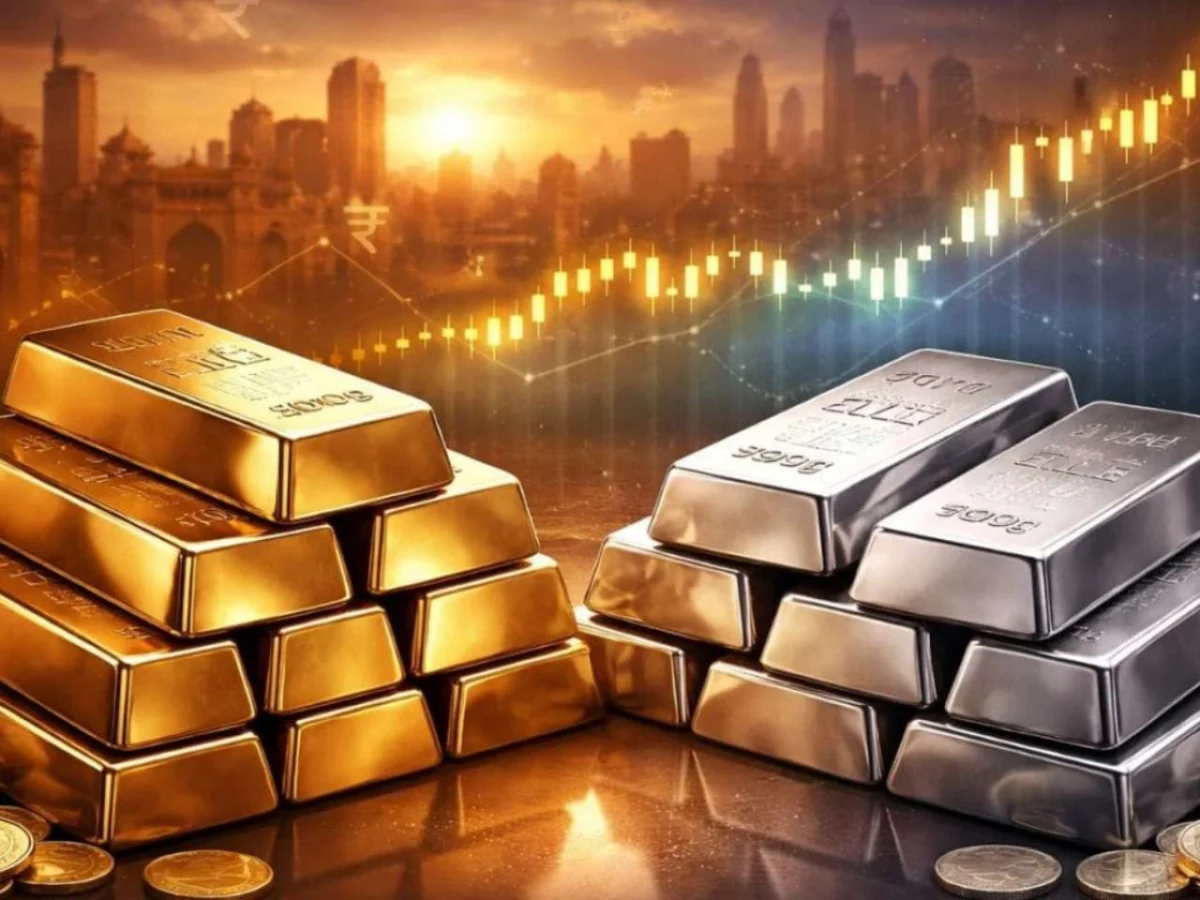
As of July 17, 2026, the Indian precious metals market finds itself at a fascinating juncture, with the prices of gold and silver continuing their intricate dance, heavily influenced by a confluence of global market trends, robust local demand, and fluctuating currency exchange rates. Today’s figures reflect a nuanced landscape, where gold has registered a slight uptick, largely propelled by persistent inflationary pressures and a renewed global appetite for safe-haven assets, while silver maintains its crucial dual role as both an industrial commodity and an accessible investment vehicle.
India, a nation deeply intertwined with gold and silver through centuries of cultural tradition, investment preference, and economic significance, closely monitors these daily fluctuations. The current pricing structure not only reflects immediate market dynamics but also hints at broader macroeconomic undercurrents shaping the global financial ecosystem.
Key Highlights and Current Prices
On this day, July 17, 2026, the price of 24-carat gold (999 purity) stands at an average of Rs 14,445 per gram across major Indian cities. For those opting for 22-carat gold (91.67% purity), a popular choice for intricate jewellery, the price is recorded at Rs 13,241 per gram. This marginal increase underscores the sustained appeal of the yellow metal amidst economic uncertainties.
)
Silver, often considered the common person’s gold, also holds significant sway. Today, the price for a kilogram of 999 pure silver is approximately Rs 2,34,900, while 925 sterling silver is priced at Rs 2,34,000 per kilogram. These figures reflect a stable yet responsive market for the white metal, driven by both industrial consumption and investor interest.
The Indian market, characterized by its regional diversity, exhibits slight variations in these prices, a factor attributed to localized demand patterns, state-specific taxes, and logistics costs. These daily updates are critical for millions of Indian households, investors, and the sprawling jewellery industry that forms a significant part of the nation’s informal and formal economy.

A Chronology of Precious Metal Trends Leading to Mid-2026
The journey of gold and silver prices to their current levels on July 17, 2026, has been shaped by a complex interplay of global economic events, geopolitical shifts, and evolving monetary policies. Understanding this trajectory is crucial to contextualizing today’s figures.
The Post-Pandemic Bull Run and Subsequent Consolidation (2020-2023)
Following the initial economic shock of the global pandemic in 2020, precious metals, particularly gold, witnessed an unprecedented surge as investors flocked to safe-haven assets. Central banks globally adopted ultra-loose monetary policies, slashing interest rates and injecting liquidity, which fueled inflationary fears and propelled gold to record highs. Silver, benefiting from both its safe-haven appeal and burgeoning industrial demand (especially in green technologies like solar panels), also experienced a significant rally.
)
However, as global economies began to recover in late 2021 and throughout 2022, central banks, led by the US Federal Reserve, embarked on an aggressive cycle of interest rate hikes to combat persistent inflation. This period saw gold prices consolidate, experiencing some downward pressure as higher interest rates made non-yielding assets like gold less attractive compared to fixed-income investments. Silver also saw fluctuations, heavily influenced by the oscillating outlook for global manufacturing and industrial output.
Geopolitical Tensions and Inflationary Pressures (2023-2025)
The mid-2020s were marked by persistent geopolitical tensions in various regions, maintaining an underlying demand for gold as a hedge against uncertainty. Despite central banks continuing their efforts to tame inflation, supply chain disruptions and elevated energy prices kept inflationary pressures robust in many major economies. This environment prevented a significant downturn in gold prices, instead establishing a new, higher baseline compared to pre-pandemic levels.
)
In India, this period also saw the rupee experience phases of depreciation against the US dollar, making imported gold more expensive in local currency terms, thereby supporting higher domestic prices. Festive and wedding demand remained a strong pillar, providing a consistent floor for prices even during global lulls.
The Run-Up to Mid-2026: Renewed Optimism and Economic Rebalancing
As we approached mid-2026, global markets entered a phase of tentative rebalancing. While inflation showed signs of moderating in some economies, it remained sticky in others, preventing central banks from making drastic rate cuts. This "higher for longer" interest rate environment created a nuanced scenario for gold. On one hand, real interest rates were still relatively low in historical context, supporting gold. On the other, a strong dollar, driven by continued US economic resilience, acted as a counter-force.
)
The slight increase observed today, July 17, 2026, for gold, can be attributed to renewed concerns over potential global economic deceleration in certain regions, coupled with continued inflationary anxieties. Investors appear to be rotating some capital back into gold as a portfolio diversifier and a perceived store of value, particularly given the ongoing debate about the long-term efficacy of current monetary policies. For silver, its industrial applications, particularly in sectors driving the energy transition, have seen steady growth, providing a fundamental demand underpinning its price. The overall sentiment is one of cautious optimism, with precious metals playing a strategic role in portfolio construction.
Supporting Data and Driving Factors
The daily price movements of gold and silver in India are not arbitrary; they are the result of complex interactions between a multitude of macroeconomic, geopolitical, and local market forces. A deeper dive into these factors reveals the intricate mechanisms at play.
)
Global Market Dynamics: The International Compass
- US Dollar Strength and Interest Rates: The US dollar’s status as the world’s primary reserve currency means its strength or weakness profoundly impacts gold prices. A stronger dollar makes dollar-denominated gold more expensive for holders of other currencies, potentially dampening demand. Conversely, a weaker dollar can make gold more attractive. Furthermore, the Federal Reserve’s monetary policy, particularly interest rate decisions, heavily influences investor sentiment. Higher interest rates increase the opportunity cost of holding non-yielding assets like gold, while lower rates tend to make gold more appealing. The current environment, characterized by moderate interest rates and a relatively stable dollar, creates a balanced pressure on gold.
- Geopolitical Stability vs. Uncertainty: Gold has historically been viewed as a safe-haven asset during times of political instability, economic crises, or international conflicts. The ongoing geopolitical landscape, with its regional flashpoints and evolving power dynamics, continues to fuel intermittent safe-haven demand, providing a floor for gold prices.
- Global Economic Growth and Inflation: The health of the global economy directly affects industrial demand for silver and investor appetite for gold. Strong economic growth typically boosts industrial demand, benefiting silver. Conversely, fears of recession or stagflation (high inflation, low growth) often drive investors to gold as a hedge. The "inflationary pressures" cited in today’s report suggest that while economic growth might be uneven, inflation remains a persistent concern, underpinning gold’s value.
- Central Bank Gold Purchases: Central banks worldwide have been consistent net buyers of gold in recent years, diversifying their reserves away from traditional fiat currencies. This institutional demand provides significant support to the global gold market.
Local Demand and Supply Dynamics: India’s Unique Influence
- Cultural Significance and Festive Demand: India’s profound cultural connection to gold, especially during festivals like Diwali, Akshaya Tritiya, and major wedding seasons, ensures a continuous and robust domestic demand. Gold is not just an ornament but a symbol of wealth, prosperity, and an essential part of religious ceremonies. This intrinsic demand often acts as a counter-balance to global price fluctuations.
- Investment Avenue: Beyond cultural reasons, gold and silver are deeply ingrained in the Indian psyche as preferred investment vehicles, particularly in rural areas where access to formal financial instruments may be limited. They are seen as hedges against inflation and economic uncertainty. The introduction of Gold Exchange Traded Funds (ETFs) and Sovereign Gold Bonds (SGBs) has further diversified investment options, attracting a broader spectrum of investors.
- Import Duties and Taxation: Government policies, including import duties on gold and silver, significantly influence domestic prices. Higher duties translate to higher local prices, aimed at curbing imports and managing the current account deficit. The Goods and Services Tax (GST) on precious metals also adds to the final retail cost.
- Regional Demand Variations: The city-wise price differences observed today (e.g., Chennai’s slightly higher rates) can be attributed to regional preferences, local logistical costs, and the specific demand-supply dynamics within those regions. Southern India, for instance, traditionally exhibits a stronger affinity for gold jewellery.
Currency Exchange Rates: The Rupee’s Role
- USD-INR Exchange Rate: Since India is a net importer of gold and silver, the exchange rate between the Indian Rupee (INR) and the US Dollar (USD) is a critical determinant of domestic prices. A depreciation of the Rupee against the Dollar makes imported gold and silver more expensive in INR terms, directly pushing up local prices. Conversely, a stronger Rupee can help temper price increases. The daily fluctuations in the exchange rate, driven by factors like foreign institutional investment, trade balances, and global capital flows, are closely watched by traders and consumers alike.
Gold Prices on July 17, 2026: A Detailed Breakdown
The current price structure for gold reflects the intricate balance of these influencing factors:
-
24K Gold (999 Purity):
)
- National Average: Rs 14,445 per gram
- Delhi: Rs 14,460 per gram
- Mumbai: Rs 14,445 per gram
- Kolkata: Rs 14,445 per gram
- Chennai: Rs 14,532 per gram
The marginally higher prices in Delhi and Chennai often reflect local premium and demand. 24K gold, being the purest form, is primarily sought after for investment purposes, such as gold bars, coins, and digital gold.
-
22K Gold (91.67% Purity):
- National Average: Rs 13,241 per gram
- Delhi: Rs 13,256 per gram
- Mumbai: Rs 13,241 per gram
- Kolkata: Rs 13,241 per gram
- Chennai: Rs 13,321 per gram
22K gold, mixed with small amounts of other metals like copper or silver to enhance durability, is the preferred choice for jewellery manufacturing due to its malleability and strength. The price difference between 24K and 22K reflects the purity differential and manufacturing costs.
Silver Prices on July 17, 2026: An Overview
Silver, while less expensive than gold, holds substantial economic and cultural value in India. Its prices are similarly influenced by global market trends, industrial demand, and local investment patterns.
)
-
Silver 999 (Pure Silver):
- National Average: Rs 2,34,900 per kilogram (or Rs 2349 per 10 grams)
- Delhi: Rs 2349 per 10 grams
- Mumbai: Rs 2349 per 10 grams
- Kolkata: Rs 2349 per 10 grams
- Chennai: Rs 2449 per 10 grams
The higher price in Chennai for silver, much like gold, could indicate stronger regional demand or higher logistical costs. Pure silver is largely used for industrial applications, investment bars, and certain traditional ornaments.
-
Silver 925 (Sterling Silver):
)
- National Average: Rs 2,34,000 per kilogram
This alloy, comprising 92.5% pure silver and 7.5% other metals (usually copper), is widely used for jewellery, silverware, and decorative items due to its durability and aesthetic appeal. Industrial demand for silver, particularly in electronics, solar panels, and medical applications, plays a significant role in its price fluctuations, often more so than for gold.
- National Average: Rs 2,34,000 per kilogram
Official Responses and Expert Perspectives
The current trends and future outlook for precious metals are subjects of keen interest among economists, market analysts, and industry leaders.
"The slight increase in gold prices today is indicative of lingering global economic uncertainties and the persistent fear of inflation, even as central banks navigate a complex policy landscape," states Dr. Ananya Sharma, a Senior Economic Analyst at a leading financial consultancy. "Investors are increasingly looking at gold as a strategic asset to diversify portfolios against potential market volatility. While the US dollar’s strength might cap some upside, the underlying demand from central banks and retail investors, especially in Asia, remains robust."
)
Mr. Rajeev Singh, President of the All India Jewellers Association, offers a perspective on the domestic front: "Indian demand for gold, particularly 22K jewellery, continues unabated, driven by the upcoming festive calendar and the deep-seated cultural significance. We’ve seen a consistent uptake, and despite the higher prices, consumers view gold as an essential purchase and a reliable long-term investment. The minor city-wise variations are standard and reflect localized market dynamics and operational overheads for jewellers."
Regarding silver, Ms. Priya Venkatesh, an analyst specializing in commodity markets, notes, "Silver’s performance is increasingly tied to the global industrial outlook. Its critical role in green technologies means that any acceleration in renewable energy projects or advancements in electronics will provide strong fundamental support. While it retains its safe-haven characteristics, its industrial demand often makes it more volatile than gold."
)
The Reserve Bank of India (RBI) periodically comments on commodity prices in its monetary policy reviews, acknowledging their impact on inflation and the current account deficit. While direct interventions in pricing are rare, import policies and duties are adjusted to manage the flow of precious metals into the country, aiming for economic stability.
Implications and Future Outlook
The current pricing trends for gold and silver on July 17, 2026, carry significant implications for various stakeholders, from individual investors and consumers to the broader Indian economy.
)
For Investors: Navigating the Precious Metal Landscape
- Diversification and Safe Haven: For investors, gold continues to serve as an effective portfolio diversifier and a hedge against inflation and economic downturns. The current environment, with persistent inflationary concerns and geopolitical risks, reinforces gold’s appeal as a safe-haven asset.
- Investment Avenues: Beyond physical gold (bars, coins, jewellery), investors have a growing array of options, including Gold ETFs (allowing exposure to gold price movements without physical storage concerns) and Sovereign Gold Bonds (SGBs), which offer interest payments and tax benefits. Silver ETFs are also gaining traction for those interested in the white metal.
- Long-Term Perspective: While short-term fluctuations are inevitable, the long-term outlook for precious metals, particularly gold, remains generally positive, supported by finite supply, increasing global wealth, and sustained central bank buying. Silver’s future is closely linked to technological advancements and the global transition to green energy.
For Consumers: Strategic Purchases
- Festive and Wedding Purchases: With gold prices maintaining an upward trajectory, consumers planning for weddings or festive purchases might consider staggered buying to average out costs or explore lighter jewellery designs.
- Purity and Trust: Emphasizing the purchase of hallmarked gold and silver from reputable jewelers remains paramount to ensure purity and fair pricing. The city-wise rates provide a benchmark for comparison.
For the Indian Economy: Balancing Trade and Demand
- Current Account Deficit (CAD): India’s substantial imports of gold and silver contribute significantly to its current account deficit. Higher international prices and robust domestic demand can exacerbate this, posing a challenge for macroeconomic stability. Government policies, including import duties, are often geared towards managing this balance.
- Inflationary Impact: As essential commodities, fluctuations in gold and silver prices can have a marginal but noticeable impact on headline inflation, especially given their widespread ownership and consumption.
- Informal Economy: The vast informal sector involved in gold and silver trading and manufacturing also plays a crucial role, influencing employment and economic activity, particularly in rural and semi-urban areas.
Looking ahead, analysts project that precious metals will continue to be influenced by global monetary policy decisions, particularly the pace of interest rate adjustments by major central banks. Geopolitical developments, global economic growth forecasts, and the continued strength of the US dollar will also be critical determinants. Domestically, India’s economic growth, the strength of the rupee, and the enduring cultural significance of gold and silver will ensure that these metals remain central to the nation’s financial and cultural fabric, constantly adapting to the evolving global landscape.
