

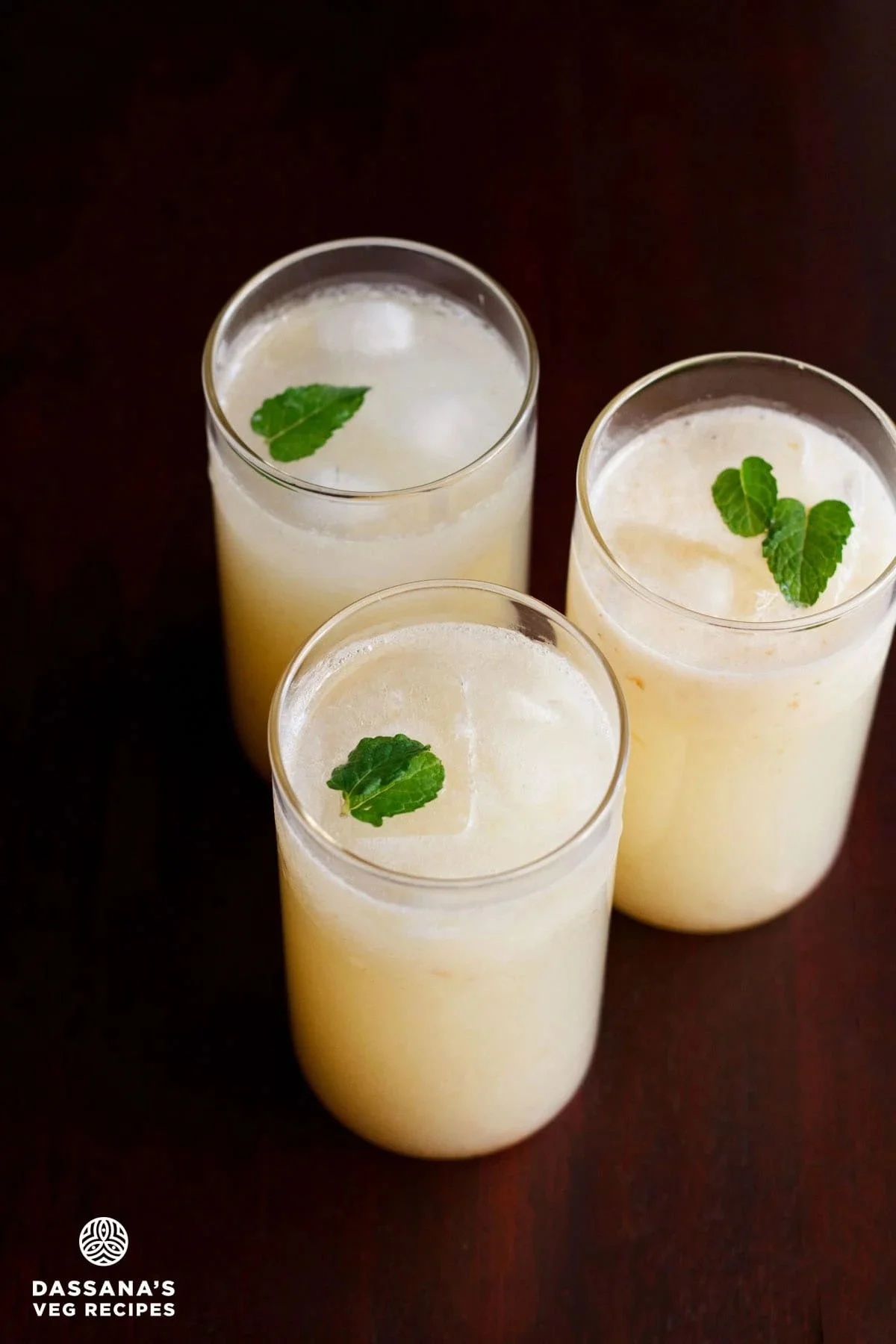
In the height of the tropical summer, as temperatures soar across the Indian subcontinent and Southeast Asia, a quiet culinary revolution is taking place in kitchens and upscale juice bars alike. The focus of this movement is the litchi (Litchi chinensis), a fruit whose short-lived season and delicate flavor profile have made it a symbol of ephemeral luxury. Once relegated to the back of the pantry in the form of syrupy, preservative-laden canned versions, the fresh litchi is now the centerpiece of a sophisticated homemade beverage movement.
Litchi juice, a blend of fresh pulp, citrus, and botanical accents, has emerged as more than just a refreshment; it has become a case study in the modern consumer’s preference for "clean label" consumption and seasonal gastronomy.
Main Facts: The Anatomy of a Seasonal Super-Drink
The core of the current litchi juice trend lies in its simplicity and the rejection of industrial processing. Unlike packaged fruit drinks that rely on reconstituted concentrates and artificial "lychee" aromatics, the artisanal approach focuses on the raw integrity of the fruit.

The Pure Preparation
The modern standard for litchi juice involves a precise ratio of ingredients: approximately 15 fresh litchis, three cups of water, and a calibrated amount of sweetener and acid. The process is defined by its minimal intervention. The litchi—a member of the soapberry family—possesses a translucent, juicy aril that is rich in floral esters. When blended, this pulp creates a cloudy, nectar-like base that serves as the foundation for the beverage.
The Balancing Act
Culinary experts note that the success of litchi juice depends on a delicate chemical balance. The fruit is naturally high in sugar but lacks significant acidity. To prevent the drink from being cloyingly sweet, the addition of fresh lemon juice is essential. This introduction of citric acid not only brightens the flavor but also acts as a natural stabilizer, preventing the rapid oxidation that can turn fresh fruit juice a dull brown.
Furthermore, the optional inclusion of fresh mint (Mentha) adds a cooling menthol note that complements the fruit’s natural floral scent, creating a multi-sensory experience that is often lacking in commercial alternatives.

Chronology: From Imperial Luxury to Global Summer Staple
The journey of the litchi from the ancient orchards of Southern China to the modern blender is one of both botanical endurance and cultural prestige.
The Ancient Heritage
Historical records indicate that litchis have been cultivated for over 2,000 years. During the Tang Dynasty, the fruit was considered so precious that Emperor Xuanzong established a dedicated horse-relay service to transport fresh litchis from the south to the capital at Xi’an to satisfy the cravings of his favorite concubine, Yang Guifei. This established the litchi’s status as a fruit of high logistical difficulty and high reward.
The Seasonal Window
In the modern era, the "litchi season" remains one of the shortest in the fruit world. Typically spanning only a few weeks between May and July depending on the geography, the harvest creates a sense of "scarcity marketing" that drives consumer behavior.

In India, particularly in regions like Bihar (the litchi capital of the country) and West Bengal, the arrival of the fruit in late May marks a cultural shift. The transition from the heavy, creamy mango-based drinks of early summer to the lighter, more hydrating litchi juice reflects the rising humidity and heat of the pre-monsoon period.
The Rise of the Homemade Beverage
The shift toward homemade litchi juice gained significant momentum in the 2010s, aided by the rise of food journalism and digital recipe archives. Previously, the difficulty of peeling and de-seeding the fruit led many to opt for bottled versions. However, a growing awareness of the additives in "fruit-flavored" drinks led to a resurgence of traditional extraction methods. By 2013, recipes for fresh litchi juice began appearing in major culinary archives, emphasizing the "under-15-minute" preparation time that appealed to the modern, health-conscious urbanite.
Supporting Data: Nutritional Efficacy and Market Dynamics
To understand the impact of litchi juice, one must look at the empirical data regarding its nutritional composition and its place in the global beverage market.

Nutritional Breakdown
A standard serving of homemade litchi juice (approximately 3 servings per batch) provides a significant nutritional payload with relatively low caloric density. According to biochemical analysis:
- Energy: 93 kcal per serving.
- Vitamin C: 55 mg, covering nearly 75% of the recommended daily intake (RDI) for adults. This makes it a potent antioxidant source, essential for skin health and immune function during the taxing summer months.
- Electrolytes: With 150 mg of Potassium and 12 mg of Magnesium, the juice acts as a natural isotonic drink, helping to regulate fluid balance in the body.
- Hydration Metrics: Unlike caffeinated or high-sodium beverages, litchi juice has a high water-to-solute ratio, facilitating faster absorption in the gastrointestinal tract.
Market Trends
The global fruit and vegetable juice market is projected to grow at a CAGR of 5% over the next five years, with "exotic and tropical" flavors leading the growth. Market research indicates that consumers are increasingly willing to pay a premium for "NFC" (Not From Concentrate) juices. The homemade litchi juice trend directly mirrors this commercial shift, as households prioritize raw fruit over shelf-stable alternatives.
Official Responses: Insights from Culinary and Health Experts
The rise of litchi juice has drawn commentary from various sectors of the wellness and culinary industries, providing a holistic view of its benefits and precautions.

The Culinary Perspective
"The litchi is a difficult fruit to work with because its flavor is so subtle," says Chef Ananya Sharma, a specialist in regional Indian cuisine. "When you cook it, you lose those rose-like notes. That’s why juicing is the superior method. By blending the raw pulp and balancing it with lemon, you’re preserving the fruit’s DNA. It’s an exercise in culinary restraint."
Mixologists have also weighed in, noting that litchi juice has become a staple "base" for non-alcoholic mocktails. The juice provides a "mouthfeel" similar to light syrups but with a clean finish that doesn’t coat the palate, making it a favorite for high-end hospitality venues.
The Health and Safety Advisory
Medical experts, while praising the vitamin content, offer a nuanced view. Nutritionist Dr. Sanjay Gupta notes, "Fresh litchi juice is an excellent source of polyphenols and proanthocyanidins. However, we always advise moderation, especially regarding added sugars. The fruit itself is sweet; the best practice is to let the natural fructose lead the flavor profile rather than adding excessive sucrose."

Furthermore, health officials in litchi-growing regions emphasize the importance of fruit quality. "Always discard litchis that show signs of spoilage or infestation," a recent agricultural advisory stated. "The integrity of the juice depends entirely on the health of the raw fruit."
Implications: Sustainability, Economy, and the Future of Seasonal Eating
The popularity of fresh litchi juice carries significant implications for local economies and environmental sustainability.
Economic Impact on Growers
The demand for fresh litchis for juicing has provided a boost to small-scale farmers. Because juicing can utilize fruits that might be slightly irregular in shape (though still fresh and ripe), it reduces agricultural waste. Farmers can sell a higher percentage of their harvest to local markets where consumers are looking for "juicing-grade" fruit, which is often sold in larger quantities than "table-grade" fruit.

The "Slow Food" Movement
The litchi juice phenomenon is a cornerstone of the "Slow Food" philosophy. Because the fruit cannot be grown year-round or easily transported over long distances without specialized cold chains, consuming litchi juice forces a return to seasonal living. This reduces the carbon footprint associated with out-of-season produce and encourages consumers to appreciate the natural rhythm of the harvest.
Climate Change Concerns
However, the future of this beverage is inextricably linked to climate stability. Litchi trees are highly sensitive to temperature fluctuations and rainfall patterns. Unusual heatwaves in early spring or unseasonal rains during the flowering period can devastate crops. As global temperatures rise, the "short season" of the litchi may become even more volatile, potentially turning this summer staple back into the rare imperial luxury it once was.
Conclusion: A Toast to the Season
Litchi juice represents the intersection of tradition and modern wellness. It is a beverage that requires no advanced technology, only a blender and a few minutes of manual labor, yet it offers a complex flavor profile that rivals the most expensive commercial drinks.

As we look toward the future of the beverage industry, the success of the litchi juice model—fresh, seasonal, and minimally processed—suggests that the most sophisticated "innovations" may actually be the ones that have been in our orchards for millennia. For now, as long as the summer sun shines and the pink-red peels of the litchi appear in the markets, this cooling elixir will remain the definitive taste of the tropical season.
