

By [Journalist Name]

In the diverse culinary landscape of India, where regional delicacies often compete for the national spotlight, few dishes have achieved the "superfood" status as rapidly as the Sattu Paratha. A traditional stuffed flatbread originating from the heart of Bihar, Sattu Paratha is more than just a meal; it is a cultural emblem of Eastern India, representing a perfect synergy of nutrition, convenience, and robust flavor.

Historically regarded as a "poor man’s protein," sattu—the primary ingredient made from roasted Bengal gram—is currently undergoing a massive revival. From the bustling streets of Patna to the high-end organic cafes of South Delhi and Mumbai, Sattu Paratha is being rediscovered by a health-conscious generation. This article explores the intricate details of this culinary marvel, its historical roots, the science behind its preparation, and its growing implications in the modern global food economy.

1. Main Facts: Defining the Sattu Paratha
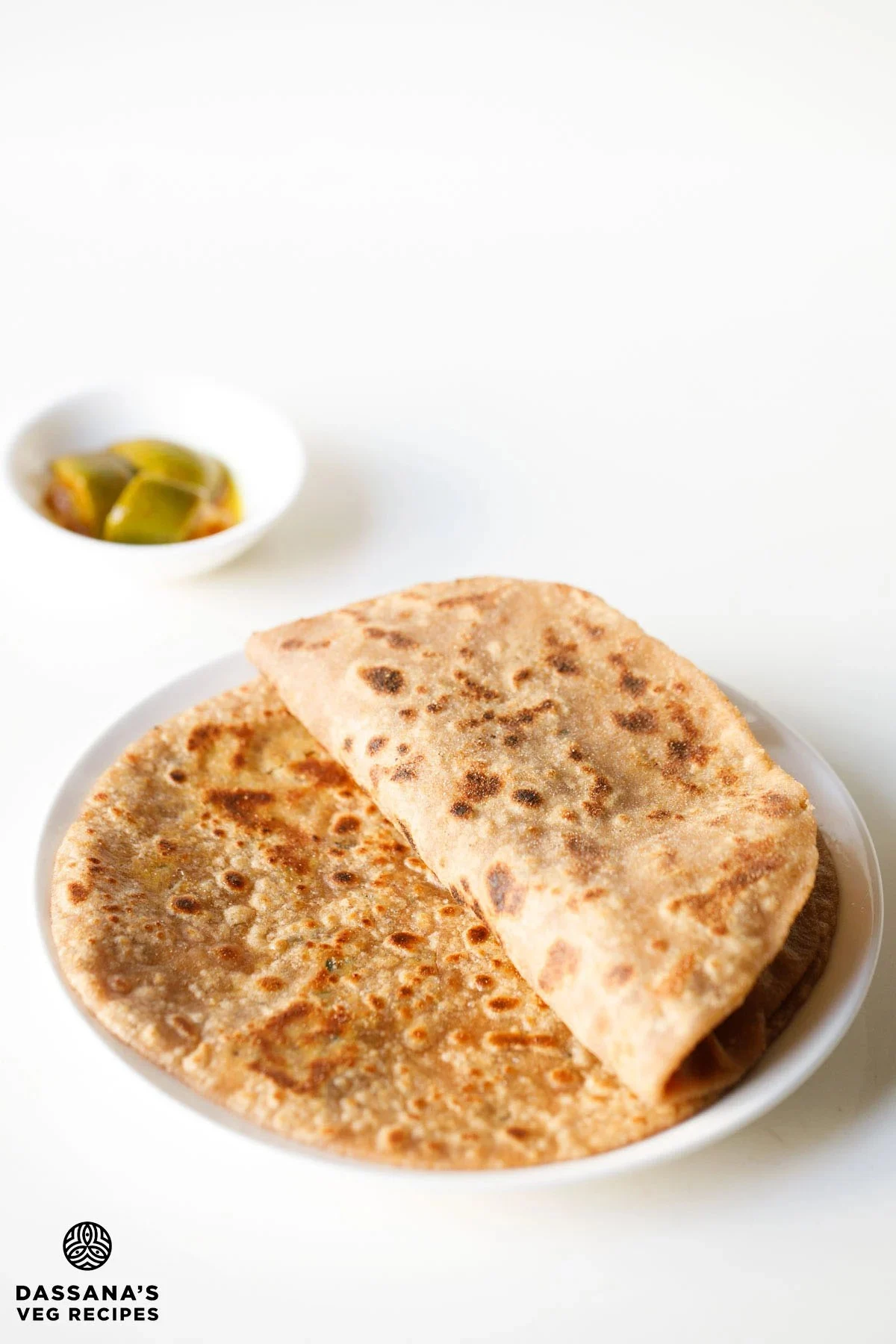
Sattu Paratha is a savory, stuffed flatbread where the outer layer is made from whole wheat dough (atta) and the interior is filled with a spiced mixture of sattu. Unlike its more famous cousins—the Aloo Paratha (stuffed with potato) or the Gobi Paratha (stuffed with cauliflower)—the Sattu Paratha stands out because its filling requires absolutely no pre-cooking.

The Anatomy of the Dish
- The Filling (The Soul): The core of the dish is sattu, a flour produced by grinding roasted black chickpeas (Kala Chana). To this nutty, protein-rich base, a medley of aromatics is added: finely chopped onions, pungent garlic, ginger, green chilies, and fresh coriander leaves.
- The Flavor Profile: The signature "Bihari" taste comes from a specific quartet of ingredients: nigella seeds (kalonji), carom seeds (ajwain), raw mustard oil, and—most importantly—the masala (spice mix) from a North Indian mango pickle.
- The Texture: When prepared correctly, the paratha offers a crisp, golden-brown exterior that gives way to a moist, crumbly, and earthy interior.
One of the most significant advantages of Sattu Paratha is its shelf life. Because the filling is dry and the sattu is pre-roasted, these parathas are remarkably travel-friendly, remaining fresh for several hours or even a full day without refrigeration, making them the preferred choice for long train journeys across the Indian subcontinent.

2. Chronology: From Ancient Magadh to Modern Tables
The history of sattu and the Sattu Paratha is deeply intertwined with the geography and socio-economics of the Indo-Gangetic plains, specifically the regions of Bihar, Jharkhand, and Eastern Uttar Pradesh.

Ancient Origins
The use of roasted gram flour dates back centuries. In the ancient kingdom of Magadh (modern-day Bihar), sattu was prized for its "instant" nature. It was the original "fast food" for farmers, laborers, and monks. Because the gram was already roasted, it could be mixed with water and salt (as a drink) or kneaded into a dough without the need for a fire—a vital feature for those on the move.

The Evolution of the Stuffed Flatbread
While sattu was traditionally consumed as Litti (round balls roasted over cow dung cakes or coal), the Sattu Paratha emerged as a domestic adaptation. As cooking oils and flat griddles (tawas) became more common in household kitchens, the labor-intensive process of making Litti was streamlined into the Paratha. This allowed families to enjoy the benefits of sattu with the convenience of a pan-fried bread.

The Modern Renaissance
In the late 20th century, sattu was often stigmatized as a rural, lower-class food. However, the last decade has seen a dramatic shift. As the global wellness industry began searching for gluten-free (though sattu is used with wheat in parathas, the flour itself is gluten-free) and high-protein plant-based alternatives, sattu was catapulted into the mainstream. Today, it is marketed as "Indian Horlicks" or a natural protein powder, with the Sattu Paratha serving as its most delicious vehicle.

3. Supporting Data: Culinary Science and Nutritional Profile
To understand why the Sattu Paratha is so highly regarded, one must look at the data regarding its ingredients and the specific techniques used in its creation.

Nutritional Breakdown (Per Serving)
A standard Sattu Paratha (approximately 119-150 calories depending on oil usage) provides a balanced macronutrient profile:

- Protein: Sattu is a powerhouse of plant-based protein. Grinding the roasted chickpeas with their skins intact ensures a high fiber content, which aids digestion and provides a low glycemic index (GI), making it suitable for diabetics.
- Micronutrients: It is rich in iron, manganese, and magnesium.
- Probiotic Elements: The use of fermented mango pickle masala introduces beneficial microbes and enzymes that assist in breaking down the complex proteins of the gram flour.
The Role of Specific Ingredients
- Mustard Oil: Unlike refined oils, raw mustard oil contains monounsaturated fatty acids (MUFA) and has antimicrobial properties. In the sattu filling, it acts as a binding agent that provides a sharp, pungent kick that defines the dish.
- Carom Seeds (Ajwain): These are added not just for flavor but for their carminative properties. Since sattu is a heavy protein, ajwain helps prevent bloating and indigestion.
- Pickle Masala: This provides the "Achari" (pickled) flavor. The acidity from the mango and the complexity of the fermented spices balance the nuttiness of the roasted flour.
Technical Preparation Methods
Journalistic observation of traditional kitchens reveals two primary methods of assembly:

- The Easy Method (The Sandwich Roll): A small ball of dough is rolled into a 4-5 inch circle, the stuffing is placed in the center, and the edges are gathered and sealed. This is common in urban households for speed.
- The Traditional Method (The Cup Shape): This requires higher dexterity. The cook flattens a dough ball and uses their thumbs to create a deep "cup" or "bowl" shape with thin edges and a thick base. The stuffing is packed tightly into this cup before sealing. This method ensures an even distribution of the filling, preventing the "empty edge" syndrome often found in poorly made parathas.
4. Official Responses: Expert and Culinary Perspectives
The growing popularity of Sattu Paratha has drawn comments from nutritionists, chefs, and cultural historians, all of whom emphasize different facets of the dish.

The Nutritionist’s View
"Sattu is an exceptional ingredient for the modern diet," says Dr. Ananya Sharma, a leading Delhi-based nutritionist. "The combination of whole wheat and roasted Bengal gram creates a complete protein profile. It provides sustained energy release, which is why we are seeing it replace processed cereals in breakfast menus. The Sattu Paratha is essentially a ‘meal-in-one’ that keeps the consumer satiated for 4 to 5 hours."

The Chef’s Perspective
Celebrity Chef Ranveer Brar and other culinary experts have frequently highlighted sattu as a "forgotten flour." In various culinary forums, chefs have noted that the "earthiness" of sattu is its greatest strength. "The beauty of Sattu Paratha lies in its rusticity," notes a regional food consultant. "You don’t want it to be too refined. The crumbly texture of the filling against the soft wheat skin is a sensory experience that refined flours simply cannot replicate."

The Cultural Historian’s Angle
Critics and historians often point out that the Sattu Paratha is a survivor. "It is a dish of resilience," says Professor R.K. Sinha, a researcher in folk traditions. "It survived the Green Revolution and the invasion of fast food because it is fundamentally tied to the Bihari identity. When laborers migrated to Punjab or Delhi, they took sattu with them. Now, that ‘migrant food’ has become a ’boutique food,’ which is a fascinating socio-economic shift."

5. Implications: Economic, Social, and Global Trends
The rise of the Sattu Paratha carries significant implications that extend beyond the kitchen.

Economic Impact on Agriculture
The demand for sattu has provided a stable market for chickpea farmers in the dryland regions of Central and Eastern India. As sattu becomes a branded commodity sold in supermarkets, the value chain for Bengal gram has strengthened, providing better returns for farmers who produce this hardy, water-efficient crop.

Food Security and Sustainability
Sattu is a highly sustainable food source. Chickpeas require significantly less water to grow compared to animal-based protein sources. As the world moves toward "Planetary Health Diets," the Sattu Paratha serves as a model for how traditional, plant-based diets can meet the nutritional needs of a growing population without environmental degradation.

The "Global Indian" Influence
With the Indian diaspora spreading to North America, Europe, and Australia, Sattu Paratha is making appearances in international food festivals. Its similarity to other stuffed breads like the Lebanese Arayes or the Mexican Pupusa makes it accessible to a global palate, while its unique spice profile keeps it distinct.

Conclusion: A Legacy in Every Bite
The Sattu Paratha is a testament to the wisdom of traditional Indian cooking. It proves that a dish does not need expensive ingredients or complex machinery to be world-class. By combining the humblest of pantry staples—roasted flour, oil, and spices—the people of Bihar created a culinary masterpiece that satisfies the soul, nourishes the body, and stands the test of time.

Whether enjoyed with a simple bowl of fresh curd, a pungent mango pickle, or the traditional Baingan Chokha (mashed roasted eggplant), the Sattu Paratha remains a golden standard of Indian comfort food. As it continues its journey from regional kitchens to global plates, it carries with it the flavors of the earth and the history of a resilient people.
