

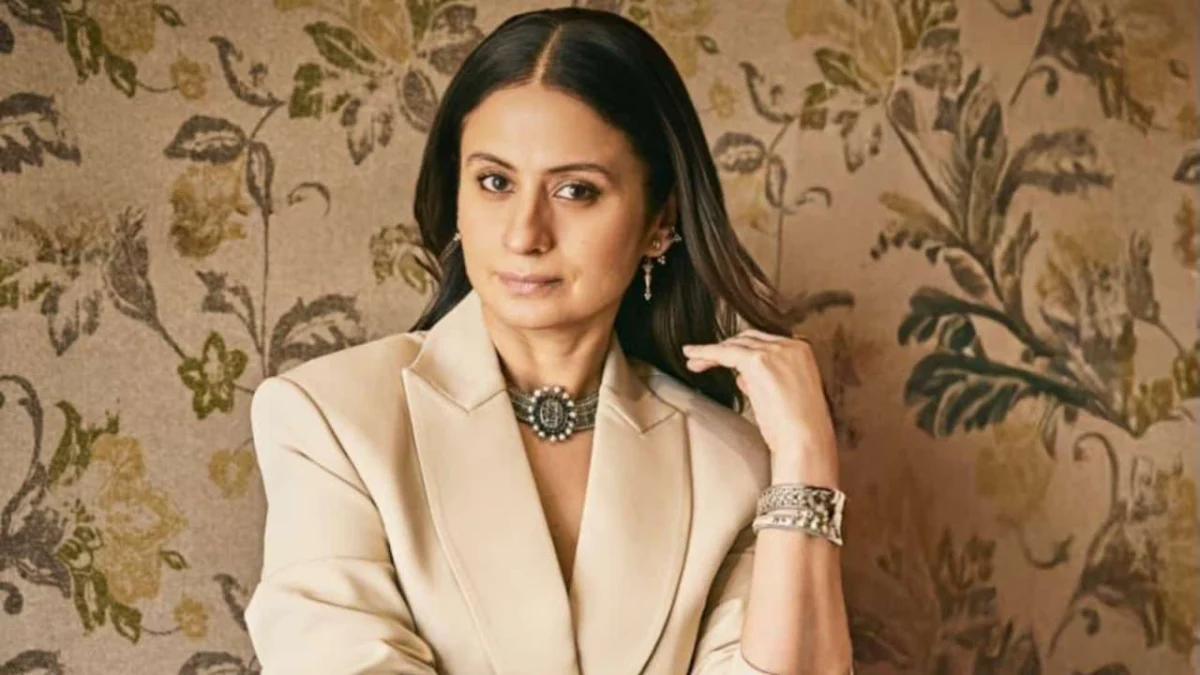
Mumbai, India – In an era where cinematic narratives are increasingly reflecting the complexities of human experience, actor Rasika Dugal is at the forefront of a movement that champions authenticity over idealized portrayals. Known for her compelling performances in projects like "Mirzapur," "Delhi Crime," and "Manto," Dugal has carved a niche by consistently choosing characters who are not merely protagonists, but multifaceted individuals grappling with their own flaws, regrets, and circumstances. As anticipation mounts for "Mirzapur: The Movie," Dugal reflects on her deliberate artistic choices and the evolving expectations of today’s discerning audience.
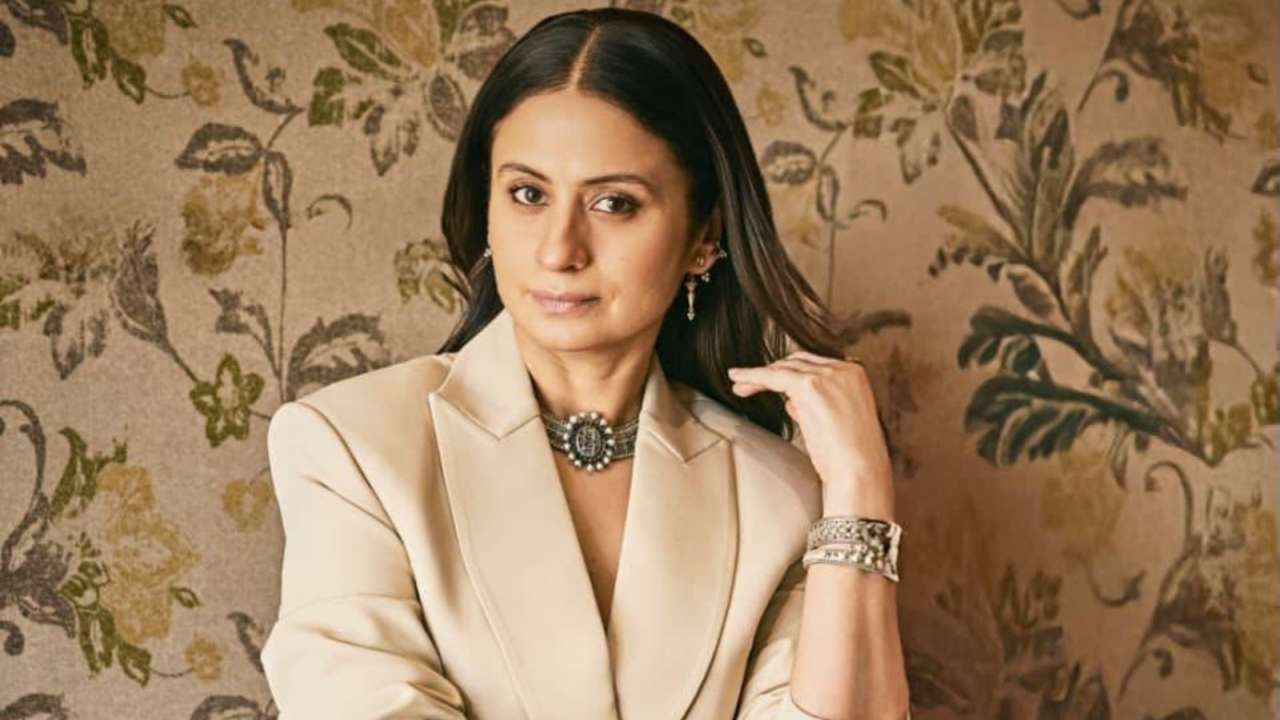
The Rise of the Imperfect Heroine: A Shift in Audience Perception
The traditional Bollywood heroine, often depicted as a paragon of virtue, sacrifice, and unwavering goodness, is rapidly becoming a relic of the past. Audiences, particularly in the digital age, are seeking narratives that mirror their own lived realities – a tapestry woven with imperfections, moral ambiguities, and the messy, often challenging, journey of self-discovery. Rasika Dugal, through her astute selection of roles, has become a vocal advocate for this shift, emphasizing the profound impact of portraying "real women" on screen.
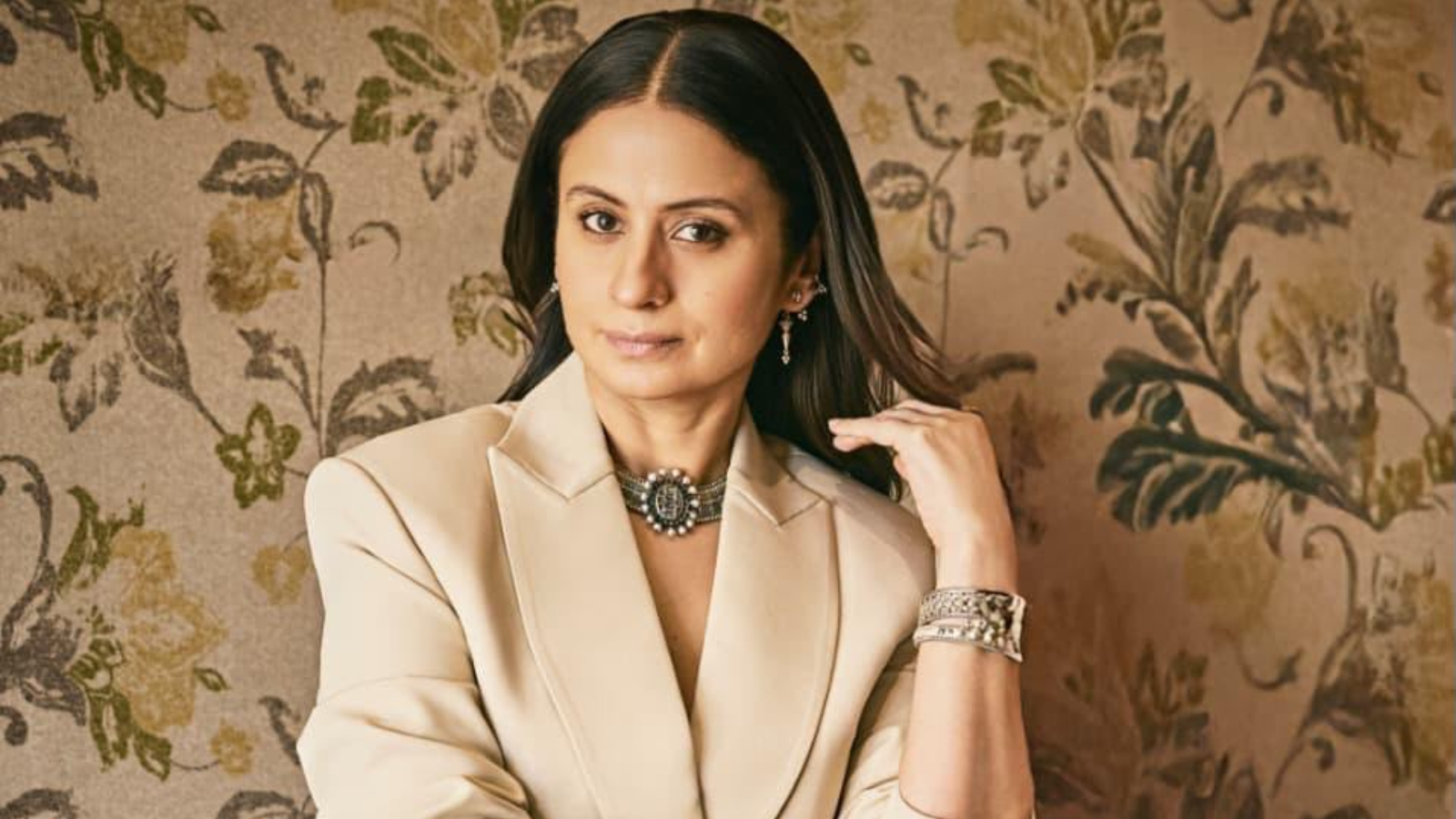)
"I believe audiences today are incredibly intelligent," Dugal states with conviction. "They don’t want idealised women anymore; they want real women. They want to see people who make mistakes, carry regrets, fight their circumstances and continue moving forward despite their imperfections." This sentiment underscores a fundamental change in what viewers connect with – not unattainable ideals, but relatable struggles and the resilience that emerges from them.

Dugal’s Distinctive Filmography: A Tapestry of Complex Characters
Dugal’s career is a testament to her commitment to exploring the depths of human nature. She has consistently shied away from conventional, often one-dimensional, heroine roles. Instead, she has gravitated towards characters that challenge audience perceptions and demand a deeper understanding. Her notable performances include:
)
- Beena Tripathi in "Mirzapur": A character often at the heart of discussions about moral ambiguity. Beena navigates a brutal, patriarchal world using the tools at her disposal, making choices that are both uncomfortable and compelling. Dugal explains, "Beena Tripathi is a great example of that. People often ask me if she’s a hero or a villain. I think she is a woman trying to survive in a deeply patriarchal and violent world using the tools available to her. Her choices are uncomfortable, sometimes shocking, but they emerge from her circumstances. That’s what makes her interesting to me."
- Neeti Singh in "Delhi Crime": A portrayal of quiet strength and resilience. Neeti’s character embodies a different kind of power – one that is measured, compassionate, and deeply rooted. Dugal highlights the contrast, stating, "Neeti Singh, on the other hand, operates from an entirely different emotional space. She is measured, compassionate and quietly resilient. She isn’t loud or performative, yet she possesses immense strength. What I love is that neither woman can be reduced to a single adjective."
- Safia in "Manto": A nuanced depiction of a woman in the tumultuous life of the writer Saadat Hasan Manto.
- Savita in "Hamid": A story that delves into the human cost of conflict, where Savita’s character embodies grief and enduring hope.
- Dolly in "Out of Love": A portrayal of a woman pushed to her limits, exploring themes of betrayal and self-preservation.
- Mallika in "Lord Curzon Ki Haveli": A role that likely delves into the complexities of relationships and societal expectations within a specific setting.
These diverse roles showcase Dugal’s ability to inhabit characters who are not easily categorized, reflecting the inherent contradictions and evolving nature of human beings.
)
The Actor’s Philosophy: Seeking Complexity, Not Likability
Dugal’s approach to character selection is rooted in a profound understanding of human psychology. She doesn’t actively seek out morally ambiguous characters but rather those that mirror the intricate reality of human beings. "I’ve never consciously gone looking for characters who are morally ambiguous," she clarifies. "I’ve always searched for characters that reflect the complexity of real people. Human beings are contradictory, inconsistent and constantly evolving. That’s what fascinates me as an actor."
)
This fascination with the inherent complexities of human nature leads her to delve deep into the motivations behind a character’s actions, even if they diverge from her own moral compass. "If I can understand why a character makes a certain choice even if I personally disagree with it then I know there’s something worth exploring," she explains. This intellectual and emotional engagement allows her to breathe life into characters that might otherwise be dismissed.
)
The actor also touches upon a common industry pressure: making characters "likeable." Dugal firmly believes that being "interesting" holds far greater value. "As actors, we’re often told to make characters ‘likeable’, but I think being interesting is far more important than being likeable," she asserts. "People we meet in real life are rarely perfect; they surprise us, disappoint us, inspire us and sometimes frustrate us all at the same time." This perspective resonates with the audience’s growing desire for authentic storytelling that doesn’t shy away from the uncomfortable truths of human behavior.
)
The Evolution of Female Representation: A Collective Responsibility
Dugal’s career trajectory aligns with a broader evolution in the portrayal of women in Indian cinema and on streaming platforms. For a considerable period, female characters were often relegated to archetypes – the devoted wife, the damsel in distress, or the idealized muse. However, contemporary writers and filmmakers are increasingly allowing women to embody a wider spectrum of emotions and motivations.
)
"For a long time, female characters were expected to be symbols of virtue, sacrifice or perfection," Dugal observes. "Today, writers are allowing women to be flawed, selfish, ambitious, vulnerable, manipulative, compassionate and courageous sometimes all at once. I think that’s a far more honest reflection of life. We don’t have to agree with every decision a character makes to empathise with her journey."
)
This expansion of narrative scope not only enriches the storytelling but also provides a more empowering and realistic representation of women. Dugal sees her own work as contributing to this vital shift. "If the stories I’ve been fortunate enough to be part of contribute, even in a small way, to expanding how women are represented on screen, then I consider that a privilege," she concludes. "I hope we continue moving towards stories where women aren’t expected to symbolise perfection – they’re simply allowed to be fully human."
)
"Mirzapur: The Movie" and the Future of Authentic Storytelling
The upcoming release of "Mirzapur: The Movie" promises to bring Dugal’s portrayal of the complex Beena Tripathi back to the forefront, this time on the big screen. The film, slated for a September 4th release, is based on the immensely popular Prime Video series and boasts a stellar cast including Pankaj Tripathi, Ali Fazal, Divyenndu, Jitendra Kumar, Ravi Kishan, Abhishek Banerjee, Shweta Tripathi, Sheeba Chaddha, Shriya Pilgaonkar, and Harshita Gaur. Directed by Gurmmeet Singh and produced by Ritesh Sidhwani and Farhan Akhtar under Excel Entertainment, the film is poised to continue the narrative that captivated a massive audience.
)
The success of "Mirzapur" and the critical acclaim for Dugal’s performances within it underscore the audience’s appetite for gritty, character-driven narratives that don’t shy away from the darker aspects of human nature or the complexities of societal structures. As Dugal continues to choose roles that challenge conventions and explore the human condition in its entirety, her work serves as a powerful reminder of the importance of authentic representation in cinema. The evolving landscape of storytelling, championed by actors like Rasika Dugal, is paving the way for a more nuanced, relatable, and ultimately, more impactful cinematic experience for audiences worldwide.
