

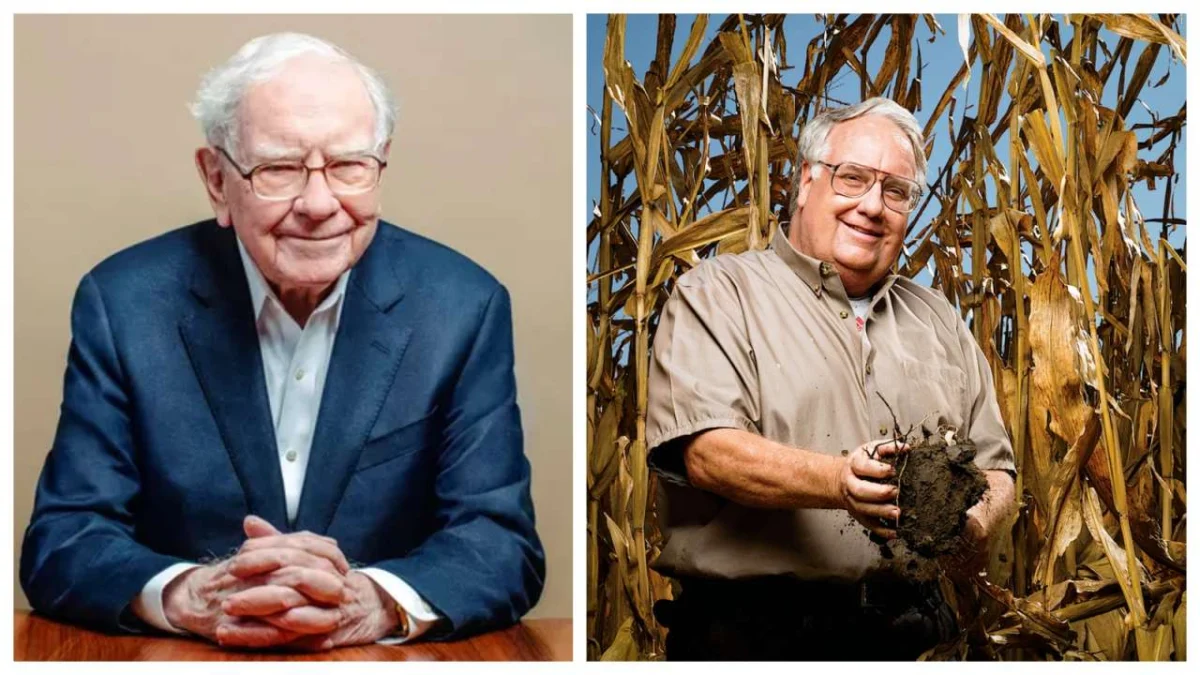
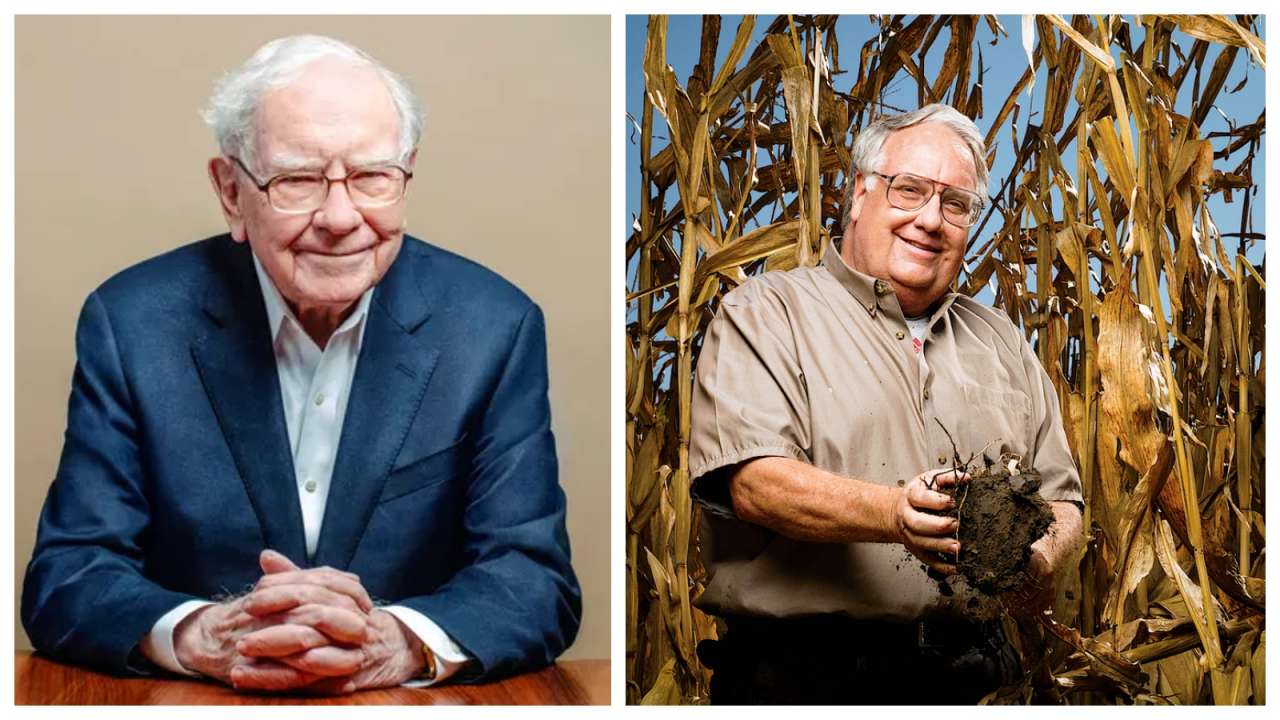
OMAHA, NEBRASKA – In a momentous announcement that marks the culmination of a meticulously planned succession and the end of an unparalleled era in corporate leadership, Warren Buffett, the revered "Oracle of Omaha," has officially stepped down from his role as Chairman of Berkshire Hathaway. After an extraordinary tenure spanning over 56 years at the helm of the sprawling conglomerate he meticulously built, the 96-year-old investment titan has passed the torch to his son, Howard Buffett, who will now assume the chairmanship.
This transition, effective immediately, solidifies a long-anticipated shift in leadership at the $1 trillion investment powerhouse. While Warren Buffett will relinquish the top leadership position, his influence will remain palpable. He will transition into the role of Chairman Emeritus and crucially, will retain his seat on Berkshire Hathaway’s board of directors, ensuring his wisdom and guidance remain accessible to the company he has steered for more than half a century. The move signals a strategic shift towards preserving the company’s unique culture and values, a cornerstone of Buffett’s philosophy.
A New Era Dawns: The Announcement
The news, while not entirely unexpected given Buffett’s advanced age and recent leadership adjustments, reverberated through global financial markets, signifying a profound change for one of the world’s most successful and distinctive corporations. The formal announcement confirms a carefully orchestrated plan for continuity and stability, designed to safeguard Berkshire Hathaway’s future trajectory.
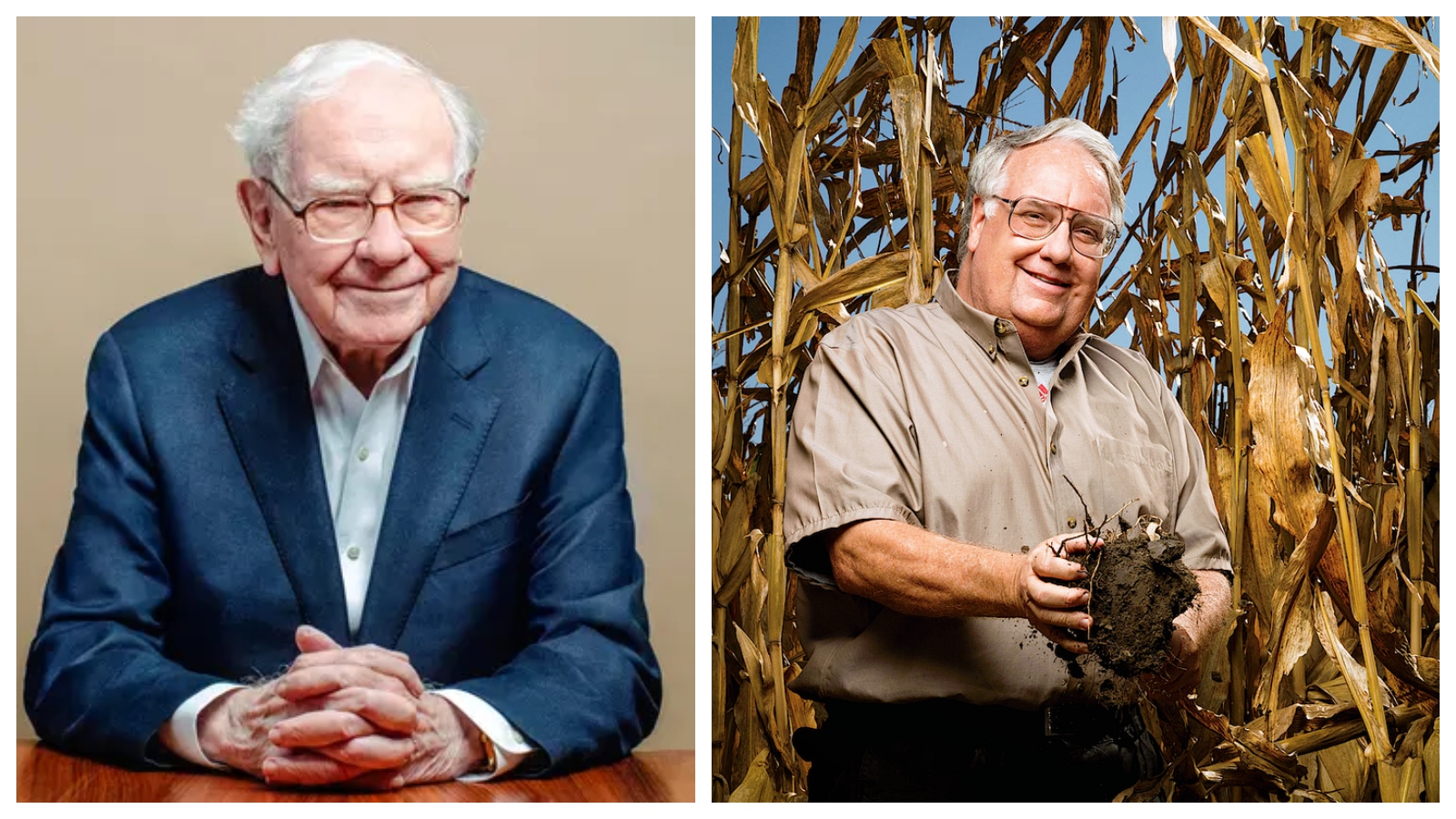
Howard Buffett, who has served on Berkshire’s board since 1993, now assumes the weighty responsibility of Chairman. His appointment is particularly significant as his father has explicitly entrusted him with the crucial task of safeguarding the company’s distinctive culture and values – an asset Warren Buffett himself has often stated is "worth more than anything on our balance sheet." This emphasis underscores a deliberate strategy to maintain the foundational principles of integrity, long-term thinking, and shareholder alignment that have defined Berkshire under its legendary leader.
)
This chairmanship transition follows another significant leadership change earlier in 2026, when Warren Buffett stepped aside from the role of Chief Executive Officer (CEO). Greg Abel, a seasoned executive within the Berkshire ecosystem, ascended to the CEO position at that time, taking over the day-to-day operational reins of the diverse conglomerate. The current move to install Howard Buffett as Chairman, with Warren Buffett transitioning to Chairman Emeritus and remaining a director, completes the formal restructuring of the company’s top leadership, creating a clear division of executive and oversight responsibilities for the post-Buffett directorship era.
Chronology: A Legacy Forged Over Decades
Warren Buffett’s journey with Berkshire Hathaway is a saga of shrewd investment, unwavering conviction, and an almost singular dedication to value creation. His path from a prodigious young investor to a global financial icon is a testament to a philosophy deeply rooted in patience, discipline, and a profound understanding of business fundamentals.

The Early Years and Foundational Principles: Born in Omaha, Nebraska, in 1930, Buffett’s fascination with finance began at a remarkably young age. He famously bought his first stock at 11 and filed his first tax return at 13. His intellectual curiosity led him to Columbia Business School, where he studied under Benjamin Graham, the father of "value investing." Graham’s teachings, emphasizing the importance of buying assets for less than their intrinsic value and viewing stocks as ownership in businesses rather than mere paper assets, became the bedrock of Buffett’s investment philosophy.
Acquisition and Transformation (1965 onwards): The pivotal moment arrived in 1965 when Buffett, through his investment partnership, gained control of Berkshire Hathaway, then a struggling New England textile manufacturer. Recognizing the inherent limitations of the textile industry, Buffett began a gradual but relentless transformation. He used the cash flow generated by the textile operations, and later by increasingly profitable acquisitions, to acquire stakes in other businesses, slowly pivoting Berkshire away from manufacturing towards insurance and other diverse ventures. This marked the beginning of Berkshire Hathaway’s evolution into the unique investment conglomerate it is today.
)
Key Milestones and Strategic Investments:
- Insurance as a Cash Engine: Buffett quickly recognized the power of insurance companies, particularly their "float" – the premiums collected upfront that can be invested before claims are paid. The acquisition of National Indemnity in 1967 and the eventual full ownership of GEICO (Government Employees Insurance Company) became cornerstones of Berkshire’s financial strength, providing a consistent stream of capital for further investments.
- Building a Diversified Portfolio: Throughout the 1970s, 80s, and 90s, Buffett continued to build Berkshire’s portfolio with a focus on high-quality businesses with durable competitive advantages, often referred to as "moats." Iconic brands like See’s Candies (acquired in 1972) and Coca-Cola (a significant stake acquired in 1988) exemplified his preference for companies with strong brand recognition and consistent earnings power.
- The Partnership with Charlie Munger: A critical, albeit often understated, aspect of Berkshire’s success has been Buffett’s nearly six-decade partnership with Charlie Munger, his Vice Chairman. Munger, a brilliant legal mind and investor in his own right, served as Buffett’s intellectual sparring partner and confidant, often pushing Buffett towards investing in higher-quality businesses even at slightly higher prices, a subtle but significant evolution from Graham’s stricter deep-value approach. Munger’s influence helped shape Berkshire into a holder of exceptional businesses, not just cheap ones.
- Expansion into Infrastructure and Utilities: In the 21st century, Berkshire Hathaway expanded its reach into capital-intensive sectors. The acquisition of Burlington Northern Santa Fe (BNSF) railroad in 2010 and the consistent growth of Berkshire Hathaway Energy (formerly MidAmerican Energy) cemented its position in essential infrastructure, providing stable, regulated earnings streams.
- Succession Planning and Recent Transitions: For decades, the question of Buffett’s successor loomed large. While he often joked about working until he was 100, the formalization of a succession plan began to take shape more concretely in recent years. The appointment of Greg Abel as CEO in 2026, overseeing the vast operational businesses, and now Howard Buffett as Chairman, focusing on cultural stewardship, represents the carefully calibrated culmination of this planning. These moves demonstrate a deliberate effort to ensure Berkshire’s enduring legacy beyond the direct day-to-day leadership of its founder.
Supporting Data: The Numbers Behind the Legend
The sheer scale of Warren Buffett’s achievement at Berkshire Hathaway is best illustrated by the staggering financial performance under his leadership. His investment philosophy, characterized by a long-term horizon, a focus on intrinsic value, and a commitment to understanding the underlying businesses, has yielded returns that are virtually unmatched in modern financial history.
)
Unprecedented Returns: During his tenure as CEO, Berkshire Hathaway’s Class A shares delivered a compounded annual growth rate (CAGR) of 19.9%. This remarkable figure stands in stark contrast to the S&P 500’s gain of 10.4% over the same period, meaning Berkshire nearly doubled the returns of the broader market year after year for decades. This sustained outperformance transformed a struggling textile company into a diversified conglomerate with a market capitalization exceeding $1 trillion. An initial $10,000 investment in Berkshire Hathaway stock in 1965 would have grown into hundreds of millions of dollars, making it one of the most lucrative long-term investments ever.
A Diverse and Powerful Portfolio: Today, Berkshire Hathaway is a sprawling empire comprising over 60 diverse operating businesses. Its holdings span across various sectors, demonstrating Buffett’s belief in diversification and investing in businesses he understands. Key wholly-owned subsidiaries include:
)
- Insurance: GEICO, National Indemnity, General Re.
- Energy and Utilities: Berkshire Hathaway Energy (including MidAmerican Energy, NV Energy, PacifiCorp).
- Manufacturing and Retail: Precision Castparts, Lubrizol, Marmon Holdings, Dairy Queen, See’s Candies, Fruit of the Loom, Brooks Sports, Duracell.
- Logistics: BNSF Railway.
Beyond its wholly-owned entities, Berkshire also holds significant minority stakes in publicly traded companies, often referred to as its "equity portfolio." These include substantial positions in:
- Technology: Apple (a significant holding, reflecting Buffett’s evolving investment approach).
- Financials: Bank of America, American Express.
- Consumer Goods: The Coca-Cola Company.
Philanthropic Impact: While his investment prowess built immense wealth, Buffett is equally renowned for his extraordinary commitment to philanthropy. Since 2006, he has systematically given away vast portions of his fortune, primarily through donations of Berkshire Hathaway stock. To date, his philanthropic contributions exceed $66 billion, making him one of the most generous philanthropists in history. A significant portion of these donations has gone to the Bill & Melinda Gates Foundation, as well as to foundations established by his children. Earlier this year, he publicly reaffirmed his intention to drastically increase the amount he donates annually, solidifying his legacy not just as a financial wizard, but also as a leading humanitarian. His net worth, estimated to be among the highest globally, is almost entirely derived from his holdings in Berkshire Hathaway, illustrating his deep, long-term commitment to the company.
)
Official Responses: Voices from the Inner Circle and Beyond
The announcement was accompanied by statements from the key figures involved, all emphasizing continuity, the preservation of Berkshire’s unique culture, and unwavering confidence in the future leadership structure.
Warren Buffett’s Emotive Letter to Shareholders: In a heartfelt letter addressed to the company’s "stakeholders," Warren Buffett provided insights into his decision and reassured investors about the firm’s future. "I have served Berkshire since 1965," Buffett stated, reflecting on his remarkable journey. "Sixty-plus years in, I still have the best job in the world. That is not something many people my age can say, and I have never felt better about what comes next."
)
His words carried a tone of satisfaction and confidence in the transition. He specifically outlined the distinct roles of his successors: "Greg runs the company; Howard will guard its culture and values – both worth more than anything on our balance sheet." This particular phrase underscored his belief that Berkshire’s enduring strength lies not just in its financial performance, but in its unique ethos of trust, integrity, and long-term shareholder alignment. He further elaborated on Howard’s role with a unique analogy: "Think of Howard as a policy the shareholders own and hope never to claim against," implying that his son’s primary function is to act as a crucial safeguard against any deviation from Berkshire’s core principles.
Greg Abel’s Acknowledgment: Greg Abel, who assumed the CEO role earlier in 2026, offered a statement acknowledging Buffett’s unparalleled impact and expressing commitment to upholding the established culture. "Warren’s impact on Berkshire and its owners is without parallel in the history of American business," Abel affirmed. "The culture Warren built and the values he championed will remain at the heart of Berkshire, and Howard will be their guardian." Abel’s statement highlights the shared understanding within Berkshire’s leadership that the company’s distinct identity is a precious asset, deserving of dedicated stewardship. His focus will remain on the operational excellence and strategic growth of Berkshire’s diverse businesses.
)
Howard Buffett’s Implicit Role: While a direct quote from Howard Buffett was not provided in the immediate release, his father’s words clearly delineate his crucial, albeit non-executive, role. As Chairman, Howard Buffett is positioned as the ultimate arbiter of Berkshire’s culture and values. This is not a role focused on daily operations or investment decisions, but rather on ensuring that the foundational principles that have guided Berkshire for decades continue to permeate every aspect of the organization. His long tenure on the board, coupled with his family lineage, positions him uniquely to fulfill this mandate.
Market and Analyst Reactions: Initial reactions from financial analysts and investors generally reflected an understanding of the long-term succession planning. Most experts view the transition as a well-managed evolution rather than an abrupt change. The market largely reacted with stability, a testament to the transparency and foresight with which Buffett has approached his eventual departure from direct leadership. Analysts anticipate that the core investment philosophy and operational autonomy of Berkshire’s subsidiaries will remain intact under Abel’s leadership, with Howard Buffett providing essential oversight on the cultural front. The focus will now shift to observing how this new leadership dynamic plays out in practice, particularly in times of market volatility or significant strategic decisions.
)
Implications: What Lies Ahead for Berkshire Hathaway
The formalization of Warren Buffett’s transition from Chairman marks the beginning of a truly post-Buffett direct leadership era for Berkshire Hathaway. While his physical presence and wisdom will continue to be a resource as Chairman Emeritus and a director, the day-to-day and strategic reins are firmly in the hands of Greg Abel and Howard Buffett. This shift carries significant implications for the company, its shareholders, and the broader investment community.
Continuity of Culture and Values: Perhaps the most critical implication is the deliberate emphasis on the continuity of Berkshire’s unique culture. Warren Buffett has consistently articulated that the firm’s success is deeply intertwined with its principles of trust, integrity, long-term thinking, decentralized management, and a profound respect for shareholders. By explicitly designating Howard Buffett as the "guardian of its culture and values," his father has installed a clear mechanism to preserve this intangible but invaluable asset. This suggests that future strategic decisions and operational practices will be evaluated not just on financial metrics, but also on their alignment with Berkshire’s established ethos. This cultural continuity is designed to provide stability and predictability for investors who have long admired Berkshire’s distinct approach.
)
Greg Abel’s Enhanced Authority: With Warren Buffett stepping back from the chairmanship, Greg Abel’s authority as CEO is further solidified. He is now unequivocally in charge of the operational direction and capital allocation decisions for Berkshire’s vast array of businesses. Abel, known for his deep operational expertise and track record of successfully managing Berkshire Hathaway Energy, is expected to continue the company’s tradition of empowering subsidiary managers while seeking out new investment opportunities that align with Berkshire’s conservative yet opportunistic approach. The challenge for Abel will be to maintain Berkshire’s formidable growth trajectory and disciplined capital allocation without the daily guidance of its legendary founder, though he has been groomed for this role for years.
The Role of Howard Buffett: Howard Buffett’s role as Chairman is distinct. It is not an executive role focused on mergers, acquisitions, or operational performance. Instead, it is a stewardship role, akin to a trustee of the company’s soul. His mandate is to ensure that the core principles and decentralized management style that Warren Buffett championed remain at the forefront. This might involve acting as a moral compass, ensuring that potential changes or new ventures align with the company’s long-standing ethical framework and shareholder-first philosophy. This unique structure aims to insulate Berkshire from potential cultural drift and maintain its distinct identity in a rapidly changing corporate landscape.
)
Challenges and Opportunities:
- Succession Beyond the Patriarch: While the immediate succession plan is clear, the long-term challenge will be to maintain Berkshire’s unique competitive advantages – its access to vast, cheap capital from its insurance float, its decentralized management, and its reputation for integrity – in a world where Buffett is no longer at the helm in any executive capacity.
- The "Buffett Premium": For decades, Berkshire’s stock has arguably carried a "Buffett premium" due to investors’ faith in his unmatched judgment. The transition will test whether this premium persists, or if investors begin to value Berkshire more purely on its underlying assets and future earnings potential under new leadership.
- Capital Allocation: While Abel is now responsible for capital allocation, the shadow of Buffett’s extraordinary track record will loom large. The market will closely scrutinize future acquisitions, divestitures, and share buybacks to see if the same level of discipline and value creation can be sustained.
- Maintaining Public Trust: Buffett cultivated immense trust from retail investors, many of whom hold Berkshire stock for life. The new leadership will need to actively engage with this loyal shareholder base, particularly through the annual shareholder meetings, to maintain that crucial bond.
The Enduring Legacy: Warren Buffett’s stepping down as Chairman is more than just a corporate announcement; it’s a historical moment. He transformed not only Berkshire Hathaway but also the very understanding of long-term investing. His legacy will undoubtedly endure through the countless investors he inspired, the philanthropic contributions he made, and the enduring principles he instilled within Berkshire Hathaway. The transition signifies the ultimate test of his most profound creation: a company built not just on financial assets, but on an immutable culture and a timeless philosophy that he hopes will continue to thrive for generations to come, guided by his chosen successors. The world will now watch closely as Berkshire Hathaway embarks on its next chapter, navigating the future under new stewardship but with the indelible imprint of its legendary founder.
