

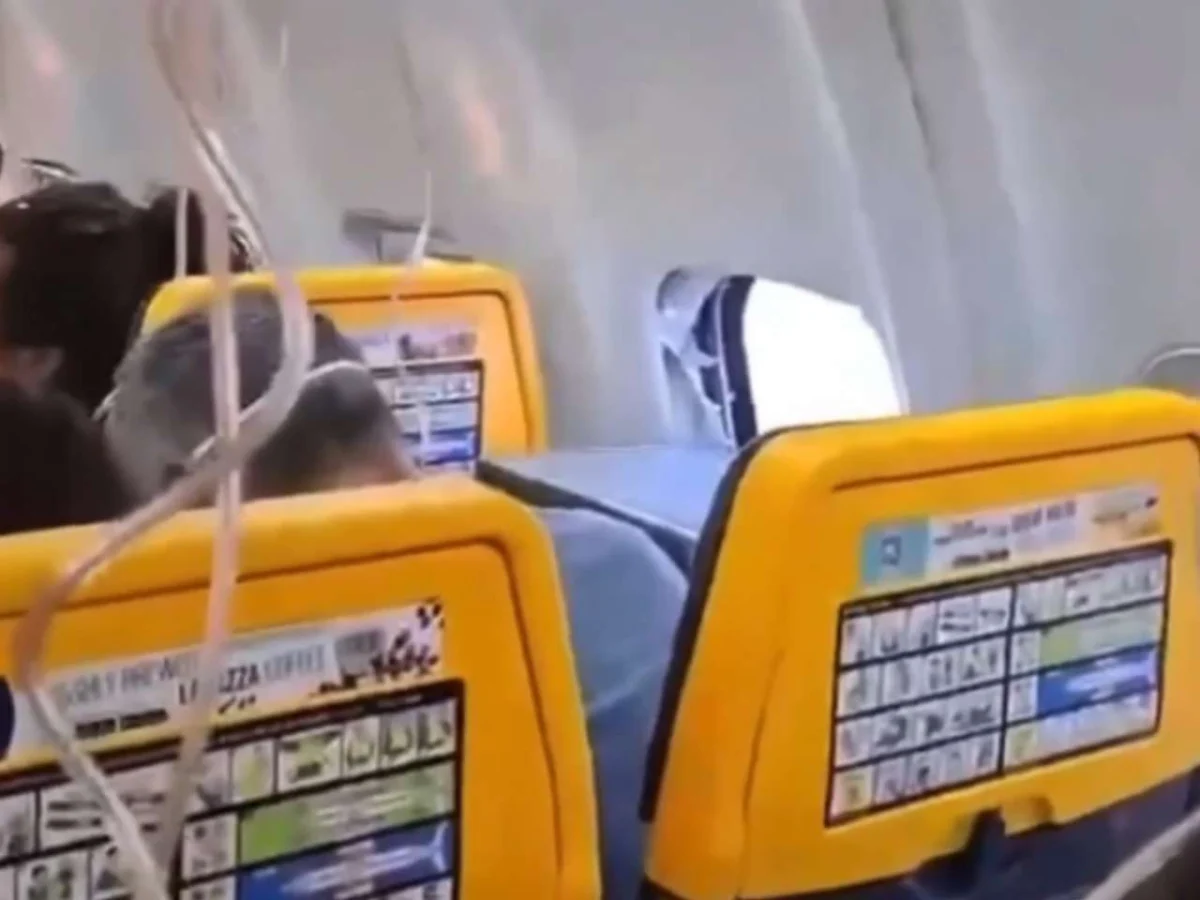
Thessaloniki, Greece – In a harrowing incident that sent shockwaves through the aviation community, a passenger was partially pulled from an aircraft window that inexplicably came loose shortly after take-off from Thessaloniki, Greece. The terrifying event unfolded on a Malta Air flight, operating for Ryanair, bound for Memmingen, Germany, forcing the crew to initiate an immediate emergency return to the departure airport. Quick-thinking fellow passengers heroically intervened, managing to pull the 61-year-old man back into the cabin, undoubtedly saving his life as the plane rapidly descended to a safer altitude amidst a chaotic scene of sudden decompression and panic.
The incident, which occurred on Friday, July 10, 2026, has prompted an urgent, multi-national investigation into the structural integrity of the aircraft and the precise cause of the window’s failure. The dramatic turn of events serves as a stark reminder of the immense pressures and potential vulnerabilities inherent in high-altitude air travel, even as aviation remains one of the safest modes of transportation globally.
Main Facts: A Nightmare at 15,000 Feet
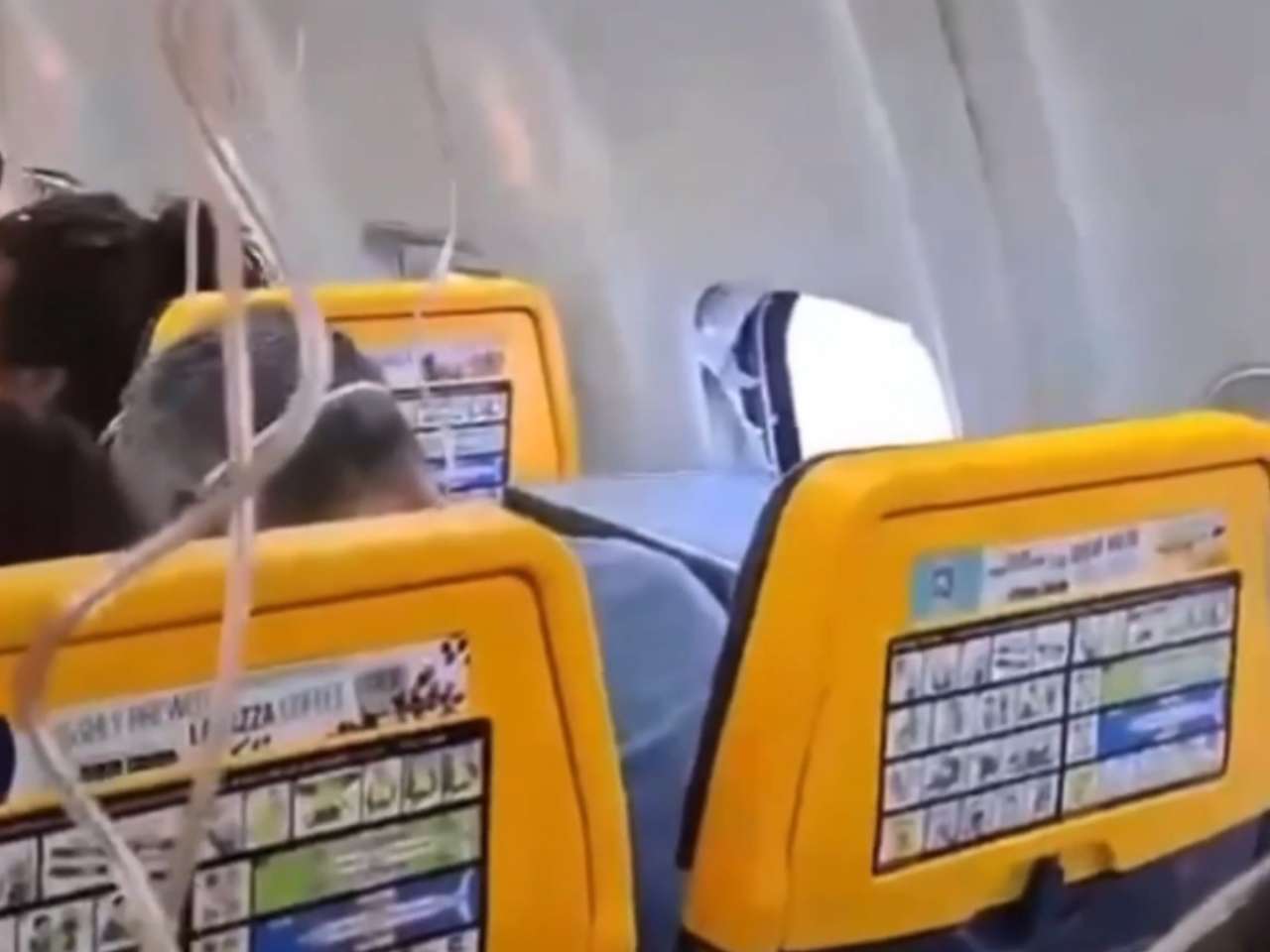
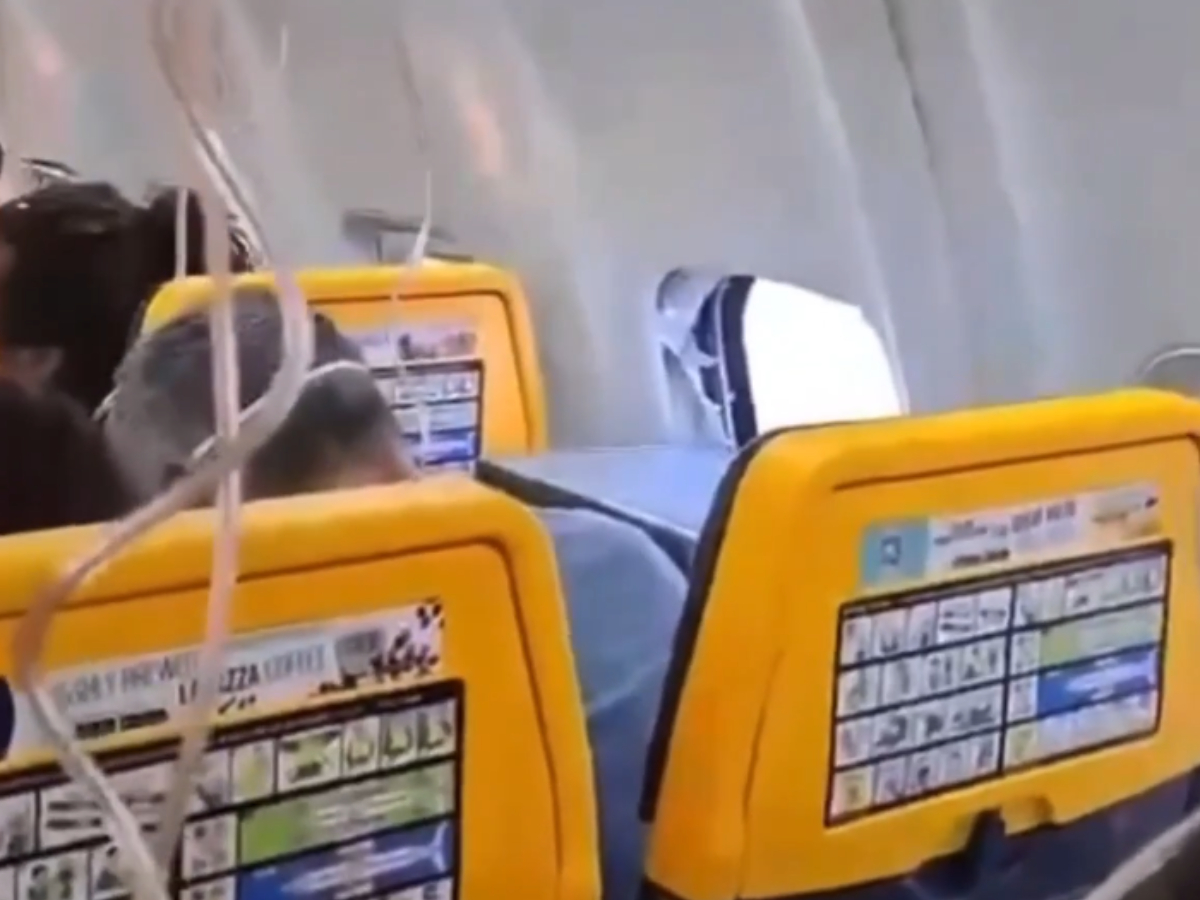
On a routine flight, FR1879, operated by Malta Air for Ryanair, carrying passengers from Thessaloniki International Airport (SKG) in northern Greece to Memmingen Airport (FMM) near Munich, Germany, the tranquility of the cabin was shattered by a sudden, violent rupture. Shortly after the Boeing 737-800 climbed past 15,000 feet, a passenger window on the aircraft’s starboard side dislodged, creating an immediate and catastrophic loss of cabin pressure.
The powerful force of the decompression partially ejected a 61-year-old male passenger, identified only by initial reports, from his seat and through the gaping hole where the window once was. Eyewitnesses described the horrifying sight of the man’s head, neck, and shoulders being sucked out into the frigid, oxygen-deprived atmosphere outside the aircraft. In a remarkable display of human courage and solidarity, several passengers seated nearby instinctively reacted, grabbing hold of the man and physically pulling him back inside the fuselage.
)
The flight crew, alerted to the severe cabin decompression and the accompanying "loud bang" reported by passengers, immediately initiated emergency procedures. Oxygen masks automatically deployed from the ceiling, and the pilots commenced a rapid, controlled descent, bringing the aircraft down from its cruising altitude to approximately 6,000 feet – a safer altitude where atmospheric pressure is greater and breathable oxygen is more readily available. The plane then circled back, landing safely at Thessaloniki approximately an hour after its initial departure. The injured passenger received immediate medical attention upon landing, suffering from neck and shoulder injuries, as well as severe friction burns from his momentary exposure to the slipstream. All other passengers were safely disembarked, shaken but unharmed, and a replacement aircraft was subsequently arranged to complete their journey.
Chronology of a Terrifying Ordeal
The ill-fated flight FR1879 began like any other Friday morning departure. Passengers boarded the Boeing 737-800, a workhorse of short-to-medium haul aviation, anticipating a straightforward journey across Europe. The aircraft, which entered service with Ryanair in 2008, taxied onto the runway at Thessaloniki and took off without apparent issue, ascending into the clear skies above Greece.
)
The Ascent and the Rupture:
The flight tracking data later revealed the aircraft climbed steadily, reaching an altitude exceeding 15,000 feet within minutes of departure. It was at this critical phase of flight, where the pressure differential between the highly pressurized cabin and the thin atmosphere outside is significant, that the incident occurred. "We heard a sound, I’d describe it like a tire bursting, but very loud," recounted Christina, a passenger on board, in an interview with local radio. This "loud bang" was the sound of the window failing, instantly plunging the cabin into a state of chaos.
Sudden Decompression and Panic:
The immediate consequence of the window’s failure was rapid decompression. The sudden equalization of pressure caused a violent rush of air out of the cabin, accompanied by a deafening roar and a sharp drop in temperature. "We knew straight away we lost pressure because we lost altitude," Christina added. The cabin environment became instantly hostile, with the air thinning, making breathing difficult, and the automatic deployment of oxygen masks signalling the dire emergency. "Screams, shrieks, shouting" filled the air as passengers struggled to understand the gravity of the situation and don their masks.

The Heroic Rescue:
Amidst the pandemonium, the most alarming development was the partial ejection of the 61-year-old passenger. Seated near the compromised window, he became a victim of the powerful suction created by the pressure differential. "His whole head, neck, shoulders were pulled out of the window," Christina vividly described. In a truly heroic act, several passengers in the immediate vicinity, overcoming their own fear and the disorienting effects of decompression, quickly reacted. They physically grasped the man, pulling him back against the incredible forces at play, securing him inside the cabin until the aircraft could stabilize. Their swift and selfless actions were undoubtedly critical in preventing a far more tragic outcome.
Emergency Descent and Return:
With the cabin compromised and a passenger injured, the pilots wasted no time. Following established emergency protocols for rapid decompression, they initiated an immediate and controlled descent. The flight path showed the plane rapidly dropping from over 15,000 feet to approximately 6,000 feet, a standard procedure designed to bring the aircraft to an altitude where passengers can breathe normally without supplemental oxygen, thus mitigating the risks of hypoxia. The aircraft then turned around, making its way back to Thessaloniki. The landing was described as smooth, a testament to the pilots’ skill and composure under extreme pressure.
)
Post-Landing and Medical Aid:
Upon landing, emergency services were on standby. The injured passenger received immediate medical attention, being transported to a local hospital for treatment of his neck and shoulder injuries, as well as friction burns sustained during his partial ejection. While no other serious injuries were reported, many passengers were visibly shaken and required support. Ryanair confirmed that the affected passenger received medical treatment and that all other passengers were subsequently provided with a replacement aircraft to continue their journey to Germany, albeit with a significant delay and a traumatic story to tell.
Supporting Data and Context: Understanding the Forces at Play
The incident involving flight FR1879 highlights the critical importance of aircraft structural integrity and the robust safety mechanisms designed to protect passengers from the extreme environment of high-altitude flight.
)
The Aircraft: Boeing 737-800
The aircraft involved was a Boeing 737-800, a member of the popular 737 Next Generation (NG) family. These aircraft are workhorses of the global airline industry, known for their reliability and extensive service history. The particular airframe in question entered service with Ryanair in 2008, meaning it had accumulated a considerable number of flight hours and cycles (take-offs and landings), each cycle imposing stress on the airframe. Modern aircraft are designed with multiple layers of redundancy and fail-safe structures to prevent catastrophic failures, even under extreme conditions. Windows, in particular, are constructed from multiple panes of acrylic glass, designed to withstand the significant pressure differential between the cabin and the outside atmosphere.
The Physics of Decompression:
At an altitude of 15,000 feet, the ambient atmospheric pressure is significantly lower than the standard pressure maintained inside an aircraft cabin, which is typically equivalent to an altitude of 6,000 to 8,000 feet. When a window fails, this pressure differential causes an explosive rush of air from the higher-pressure cabin to the lower-pressure exterior. This is known as rapid decompression. The effects are immediate and severe:
)
- Loud Noise: The sudden escape of air creates a deafening roar.
- Temperature Drop: The outside air at 15,000 feet is extremely cold (well below freezing), rapidly cooling the cabin.
- Fogging: Water vapor in the cabin air condenses, creating a dense fog.
- Hypoxia Risk: The most dangerous immediate threat is hypoxia – a lack of oxygen. At 15,000 feet, the partial pressure of oxygen is insufficient to sustain normal human function, leading to confusion, impaired judgment, and eventually unconsciousness. This is why oxygen masks automatically deploy, providing passengers with supplemental oxygen.
- Ejection Force: Objects, and even people, near the rupture can be violently pulled towards the opening by the powerful suction force.
Safety Protocols and Crew Training:
Airline pilots and cabin crew undergo extensive training to handle rapid decompression events. The immediate actions taken by the FR1879 crew – donning oxygen masks, initiating an emergency descent, and diverting to the nearest suitable airport – are standard procedures designed to mitigate the dangers of decompression and ensure passenger safety. Oxygen masks are vital, providing precious minutes of breathable air, while the rapid descent brings the aircraft to an altitude where supplemental oxygen is no longer critically necessary.
Historical Precedents: Lessons from Past Incidents
While rare, incidents involving structural failures, including windows, have occurred in aviation history, each contributing valuable lessons to aircraft design and safety protocols.
)
- British Airways Flight 5390 (1990): Perhaps the most famous incident, where an improperly installed windshield detached at 17,000 feet, partially ejecting the captain. The flight crew managed to land the plane safely, and the captain miraculously survived. This led to significant changes in maintenance procedures and quality control.
- Southwest Airlines Flight 1380 (2018): An uncontained engine failure caused debris to strike the fuselage, damaging a window and leading to rapid decompression. A passenger seated near the window was partially sucked out and tragically died. This incident highlighted the dangers of engine failures and the need for comprehensive inspection programs.
- Aloha Airlines Flight 243 (1988): An extreme case of extensive fuselage failure mid-flight, where a large section of the cabin roof ripped off due to metal fatigue. While one flight attendant was tragically lost, the pilots managed an incredible emergency landing. This incident fundamentally changed how aging aircraft are inspected and maintained for fatigue.
These past events underscore the critical importance of material science, manufacturing quality, maintenance schedules, and robust inspection regimes in ensuring the safety of aircraft windows and the entire fuselage. The fact that the passenger on FR1879 was pulled back in by fellow passengers and the aircraft landed safely is a testament to the resilience of modern aircraft design and, crucially, the human element of immediate response.
Official Responses and Investigation Underway
The incident has immediately triggered a multi-faceted investigation involving several international bodies, each bringing its expertise to bear on understanding the cause and preventing future occurrences.
)
Ryanair’s Statement:
Ryanair, the ultimate operator through its Malta Air subsidiary, issued a brief statement confirming the incident. They stated that the aircraft returned to Thessaloniki soon after take-off after "a passenger window dislodged in-flight." They also confirmed that one passenger received medical treatment on the ground, and a replacement aircraft was arranged. The airline is cooperating fully with the investigating authorities.
NTSB Involvement and Preliminary Findings:
The U.S. National Transportation Safety Board (NTSB) announced its awareness of the incident, stating it was informed that the flight turned back because of "a right engine issue and cabin decompression." The NTSB’s involvement is typical for incidents involving U.S.-manufactured aircraft (Boeing is a U.S. company) and they offer their expertise to foreign investigative bodies. It’s noteworthy that the NTSB’s preliminary information mentions a "right engine issue" in addition to cabin decompression, suggesting a potential chain of events or perhaps initial conflicting reports. The primary news article emphasizes the window dislodging, while a tweet embedded in the source mentions "engine debris shattered a cabin window." This discrepancy will be a key focus for investigators to clarify whether the window failure was a primary structural issue or secondary damage from another component failure.
)
Lead Investigative Body:
The NTSB further clarified that the investigation will be led by the Aircraft Accident and Incident Investigation Committee of the Republic of North Macedonia. While the flight departed Greece and was destined for Germany, the lead role of North Macedonia’s committee might indicate the aircraft’s registration or the closest, most appropriate investigative authority given international aviation protocols. The NTSB confirmed its availability to assist in the investigation, offering its technical resources and expertise.
Scope of the Investigation:
The comprehensive investigation will likely delve into several critical areas:
)
- Aircraft Maintenance Records: Scrutiny of the aircraft’s full maintenance history, including all inspections, repairs, and scheduled checks for the window assembly and surrounding fuselage structure.
- Material Analysis: Examination of the failed window components and the surrounding fuselage for signs of material fatigue, manufacturing defects, corrosion, or pre-existing damage. This will involve metallurgical analysis.
- Operating Environment: Assessment of any environmental factors, such as extreme weather or turbulence, though none were reported to be significant at the time of the incident.
- Foreign Object Damage (FOD): Investigators will look for any evidence of foreign object debris, especially given the NTSB’s mention of a "right engine issue" and social media reports of "engine debris." If an engine component failed, it could have potentially impacted the window.
- Manufacturing and Installation: Review of the window’s original manufacturing specifications and its installation process, to determine if any deviations or latent defects contributed to the failure.
- Crew Actions: Analysis of the flight crew’s procedures and responses, though initial reports suggest their actions were exemplary in handling the emergency.
- Witness Testimonies: Detailed interviews with passengers and crew to piece together the exact sequence of events.
Regulatory Oversight:
Regulatory bodies such as the European Union Aviation Safety Agency (EASA) will closely monitor the investigation’s progress. Findings from this incident could lead to new airworthiness directives, maintenance advisories, or even design modifications across the global fleet, ensuring that lessons learned are swiftly implemented to enhance safety.
Implications and Future Considerations
The terrifying experience aboard Ryanair flight FR1879 serves as a potent reminder of both the inherent risks in aviation and the sophisticated layers of safety designed to mitigate them.
)
Enhancing Passenger Safety and Confidence:
While incidents like this are extremely rare, their dramatic nature can understandably impact public confidence in air travel. The swift and professional response of the flight crew, coupled with the heroic actions of fellow passengers, ultimately ensured a safe outcome, reinforcing the resilience of the aviation system and the human spirit. The findings of the investigation will be crucial in restoring full public confidence, as transparency and accountability are paramount.
The Crucial Role of Maintenance and Inspection:
This incident will undoubtedly place renewed emphasis on the rigor of aircraft maintenance and inspection protocols, particularly concerning fuselage integrity and window assemblies. Aircraft undergo meticulous checks at regular intervals, but a failure of this nature will prompt a re-evaluation of current procedures, potentially leading to enhanced inspection techniques or more frequent checks for specific components, especially on aging aircraft. The incident highlights that even seemingly minor components like a window are critical to the safety of an entire flight.
)
Psychological Impact:
For the passenger who was partially ejected, and for all those on board who witnessed the terrifying events, the psychological impact will be significant. Airlines often provide support services for passengers and crew involved in traumatic incidents, and this will be essential in the aftermath of such a dramatic event.
Lessons for the Industry:
Every aviation incident, regardless of its outcome, provides invaluable data and lessons for the industry. The investigation’s conclusions will likely inform future aircraft design, material selection, manufacturing processes, and maintenance practices. It may lead to specific airworthiness directives for Boeing 737-800 aircraft or broader changes in how window assemblies are inspected and maintained across the global fleet. The goal is always to refine and improve, making air travel even safer.
)
The incident on flight FR1879 stands as a testament to the fact that while aviation safety has reached unprecedented levels, vigilance, continuous improvement, and a commitment to learning from every event remain absolutely vital. The aviation world now awaits the full findings of the investigation to understand precisely what went wrong and to ensure such a harrowing experience is not repeated.
