

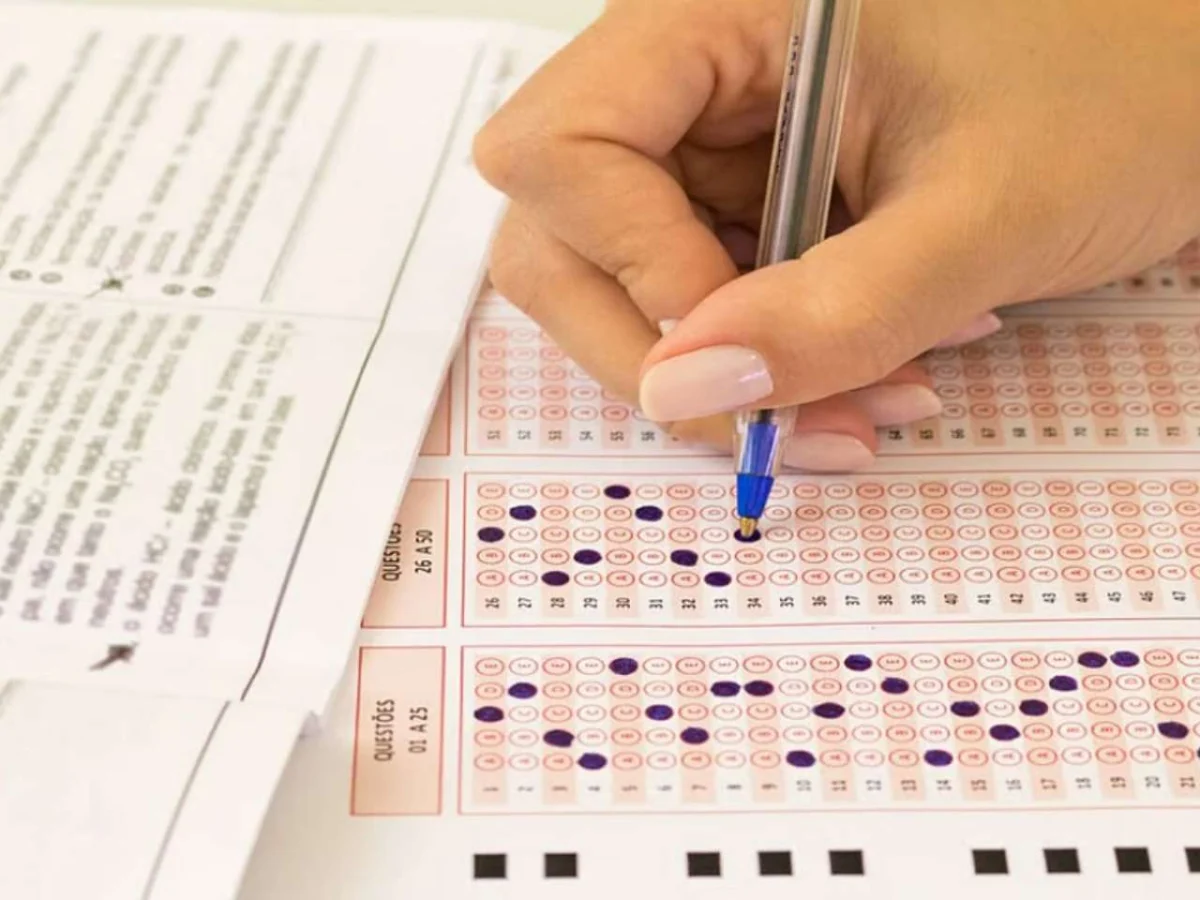
New Delhi: The National Testing Agency (NTA) has issued a strong advisory to candidates and their parents participating in the NEET UG 2026 examination, cautioning against the submission of fraudulent or AI-generated OMR response sheets when seeking scrutiny of their results. The agency has unequivocally stated that only original OMR sheets, officially downloaded, will be considered for verification. This firm stance comes amidst a growing number of complaints alleging discrepancies between expected and declared NEET 2026 scores, with some candidates reportedly submitting fabricated documents. The NTA has made it clear that any attempt to submit counterfeit OMR sheets could lead to severe legal repercussions.
Mounting Concerns Over Manipulated Examination Records
The recent surge in complaints regarding NEET UG 2026 results has prompted a swift and decisive response from the NTA. In a public statement disseminated through its official X (formerly Twitter) handle on Saturday evening, the NTA highlighted the alarming trend of candidates submitting counterfeit OMR response sheets as part of their requests for result scrutiny. These complaints predominantly stem from a perceived disparity between the scores candidates anticipated based on their performance and the marks officially declared by the NTA.
The agency’s statement read, "NTA is closely monitoring and scrutinizing all complaints. In the wake of many OMR sheets submitted for scrutiny turning out to be fake/AI generated, students and parents are advised to submit only original OMRs for scrutiny. Any fake / AI generated OMR may invite legal action against the complainant." This warning underscores the seriousness with which the NTA is treating these allegations and its commitment to maintaining the integrity of the examination process.
During the rigorous verification process, the NTA’s internal mechanisms have reportedly identified a significant number of OMR sheets presented by complainants as being either fabricated or artificially generated using advanced AI technologies. This revelation has cast a shadow over the transparency and fairness of the scrutiny process itself, necessitating immediate intervention from the testing body.
)
A Chronology of Action and Advisory
The NTA’s latest advisory follows closely on the heels of the declaration of NEET UG 2026 re-test results on July 16th. The re-examination was conducted after the original NEET UG 2026 exam was cancelled due to widespread allegations of a paper leak scandal. The rapid processing and announcement of the re-test results were seen as an effort by the NTA to expedite the admission process for undergraduate medical courses across India.
Prior to the result announcement, the NTA had also released the final answer key for the retest, providing candidates with an opportunity to cross-verify their answers. However, the subsequent emergence of complaints and the discovery of fake OMR sheets indicate that some individuals may have attempted to exploit the system even after the re-examination.

The NTA’s social media post, dated July 18th, served as a direct communication channel to reach out to a wide audience of students and their guardians. This proactive approach aims to preempt further misuse of the scrutiny process and to educate stakeholders about the acceptable procedures and potential consequences of non-compliance.
Supporting Data: A Glimpse into NEET UG 2026 Performance
The NEET UG 2026 examination is a critical gateway for aspiring medical professionals in India, with millions of students vying for limited seats in undergraduate medical programs. The re-test, conducted for a specific group of students affected by the cancellation of the original exam, saw a substantial number of candidates appearing.
)
According to the NTA’s official data, a total of 11.25 lakh candidates have successfully qualified in the NEET UG 2026 examination. This figure represents a significant portion of the total number of students who appeared for the exam. Notably, the NTA also reported that over 58 percent of the qualified candidates are women, reflecting the increasing participation and success of female students in STEM fields.
Furthermore, the data highlighted the exceptional performance of a select group of students, with 138 candidates achieving a remarkable score of over 690 marks out of a possible 720. This indicates a high level of competition and academic excellence among the top performers. The rapid turnaround in declaring these results, following the paper leak scandal, underscores the NTA’s efforts to restore normalcy and ensure timely admissions.
)
Official Responses and Reinforcement of Procedures
The NTA’s warning is not merely a cautionary note but a clear directive regarding the official procedures for result scrutiny. The agency has emphasized that candidates who harbor genuine doubts about their NEET 2026 scores must rely exclusively on authentic documents obtained through the official NTA platforms. This includes the original OMR response sheet, which is a direct record of the candidate’s answers as captured by the scanning machine.
The NTA has explicitly advised students to refrain from using any edited, manipulated, or AI-generated OMR sheets when filing their complaints or seeking verification. This directive is crucial for ensuring that the scrutiny process is based on verifiable evidence and not on fabricated documents. The agency’s robust digital infrastructure and internal checks are designed to detect anomalies and inconsistencies in submitted documents, making any attempt at deception likely to be discovered.
)
The use of Artificial Intelligence in generating fake OMR sheets is a concerning development. AI tools can now create highly convincing replicas of official documents, making it challenging for manual verification processes alone. The NTA’s awareness of this threat and its proactive warning suggest that they are employing advanced technological solutions to identify such sophisticated forgeries.
Implications of the NTA’s Stance
The NTA’s firm stance against the submission of fake OMR sheets carries significant implications for the future of examination integrity in India.
)
Deterrence and Accountability: The explicit threat of legal action serves as a powerful deterrent against fraudulent practices. Candidates and parents who contemplate submitting counterfeit documents will now be aware of the potential legal consequences, which could include criminal charges, fines, and a ban from future examinations. This will foster a culture of accountability and discourage attempts to subvert the system.
Preservation of Meritocracy: By upholding the integrity of the OMR sheet verification process, the NTA is safeguarding the principles of meritocracy. Genuine candidates who have performed well in the examination will have their scores accurately reflected, while those attempting to gain an unfair advantage through fraudulent means will be prevented from doing so. This ensures that admission to medical colleges is based on genuine merit.
)
Strengthening the Scrutiny Process: The NTA’s focus on original documents and its vigilance against fake submissions will likely lead to a more robust and reliable scrutiny process. By clearly defining the acceptable documentation and implementing stricter verification protocols, the agency can enhance the credibility of its post-examination procedures.
Educating Stakeholders: The NTA’s public advisory also plays a crucial role in educating students and parents about the importance of ethical conduct in examinations. It underscores that while seeking clarification is a legitimate right, it must be exercised within the bounds of honesty and integrity. This educational aspect is vital for fostering responsible behavior among future generations of students.
)
Technological Arms Race: The emergence of AI-generated fake documents highlights an ongoing technological arms race. The NTA will need to continuously invest in and develop advanced technologies to detect and counter sophisticated fraudulent methods. This includes employing AI-powered document verification tools and staying abreast of the latest advancements in forgery detection.
In conclusion, the National Testing Agency’s stern warning against the submission of fake OMR sheets for NEET UG 2026 result scrutiny is a crucial step towards safeguarding the integrity of one of India’s most competitive examinations. By clearly outlining procedures, emphasizing accountability, and threatening legal action, the NTA aims to deter fraudulent practices and ensure that the NEET UG examination remains a fair and transparent platform for aspiring medical professionals. This decisive action underscores the agency’s commitment to upholding meritocracy and maintaining public trust in the examination system.
