

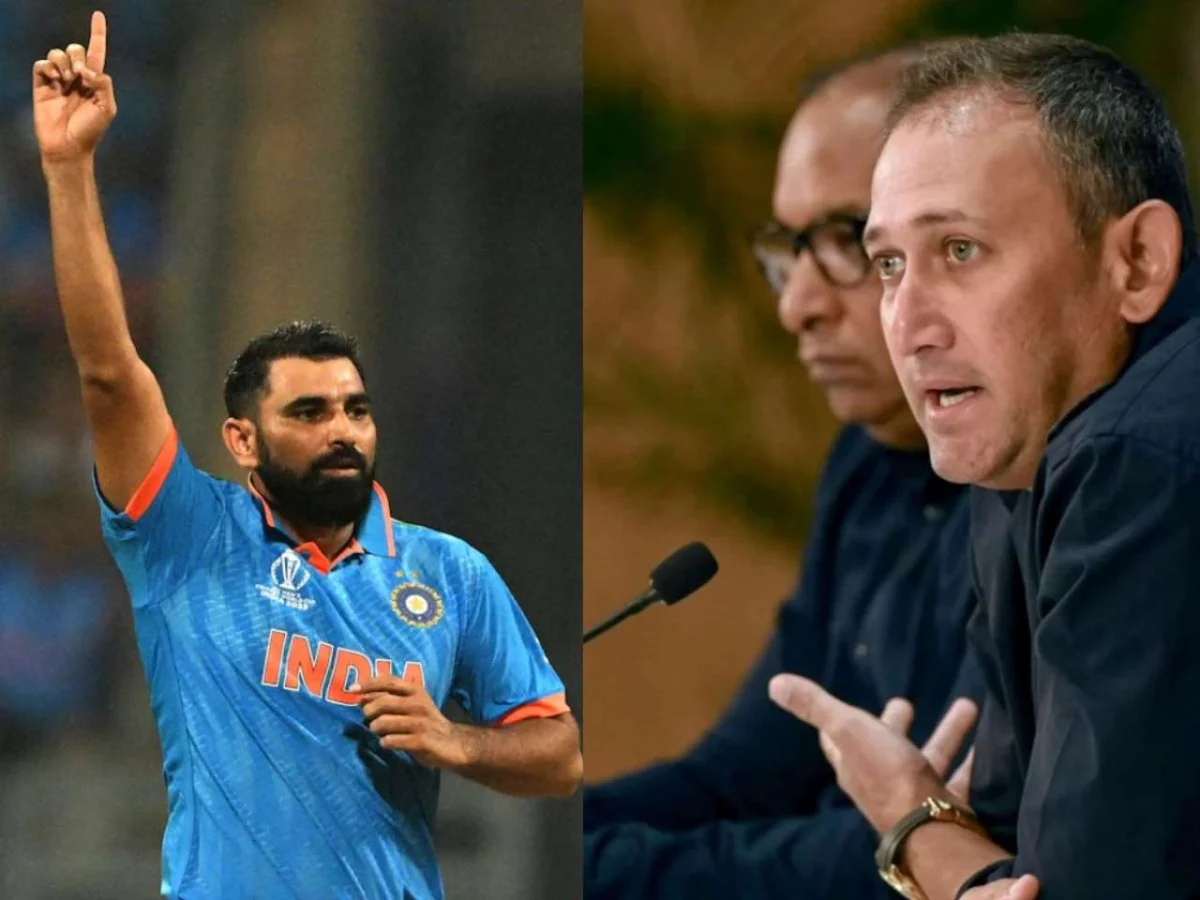
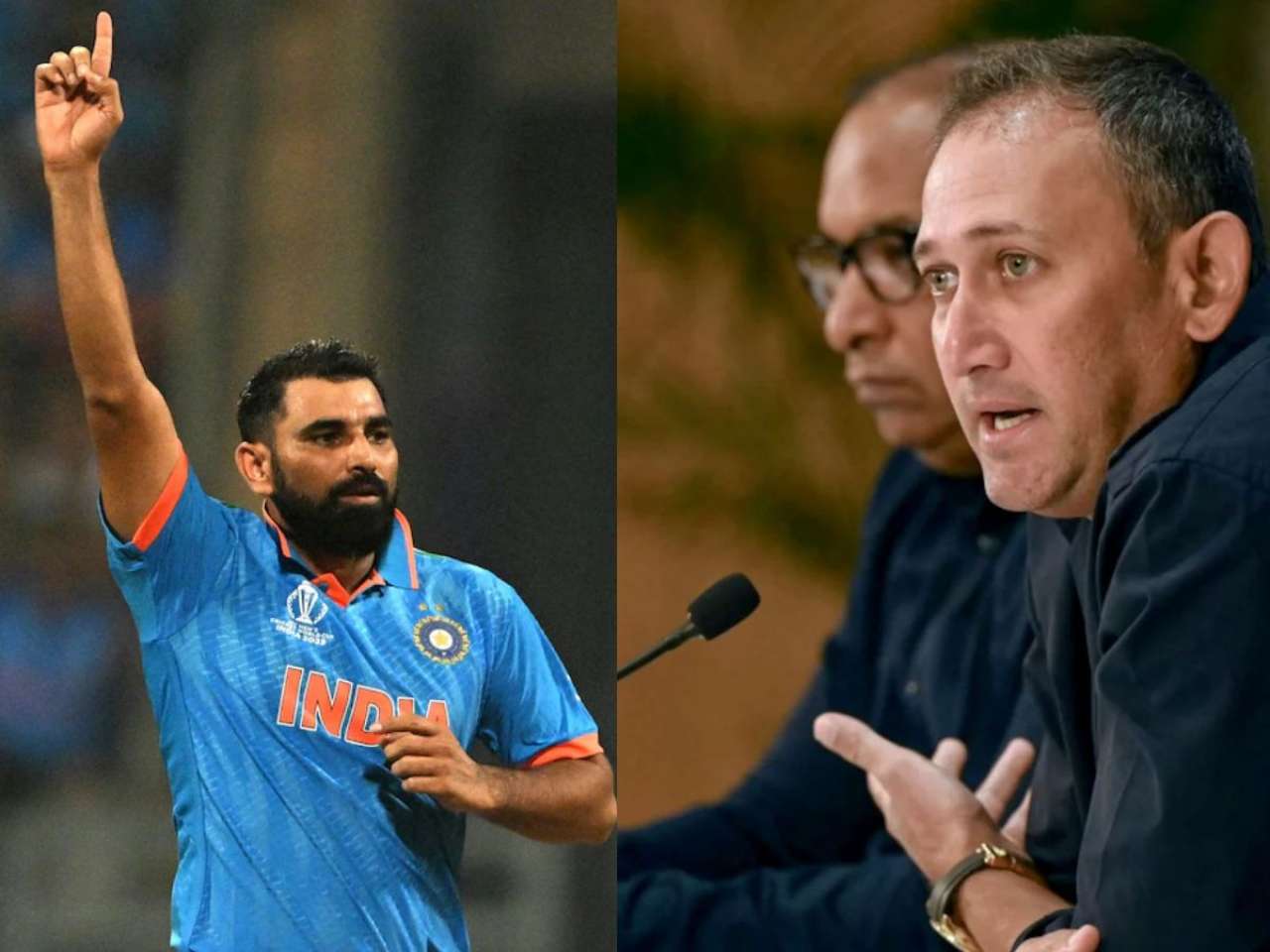
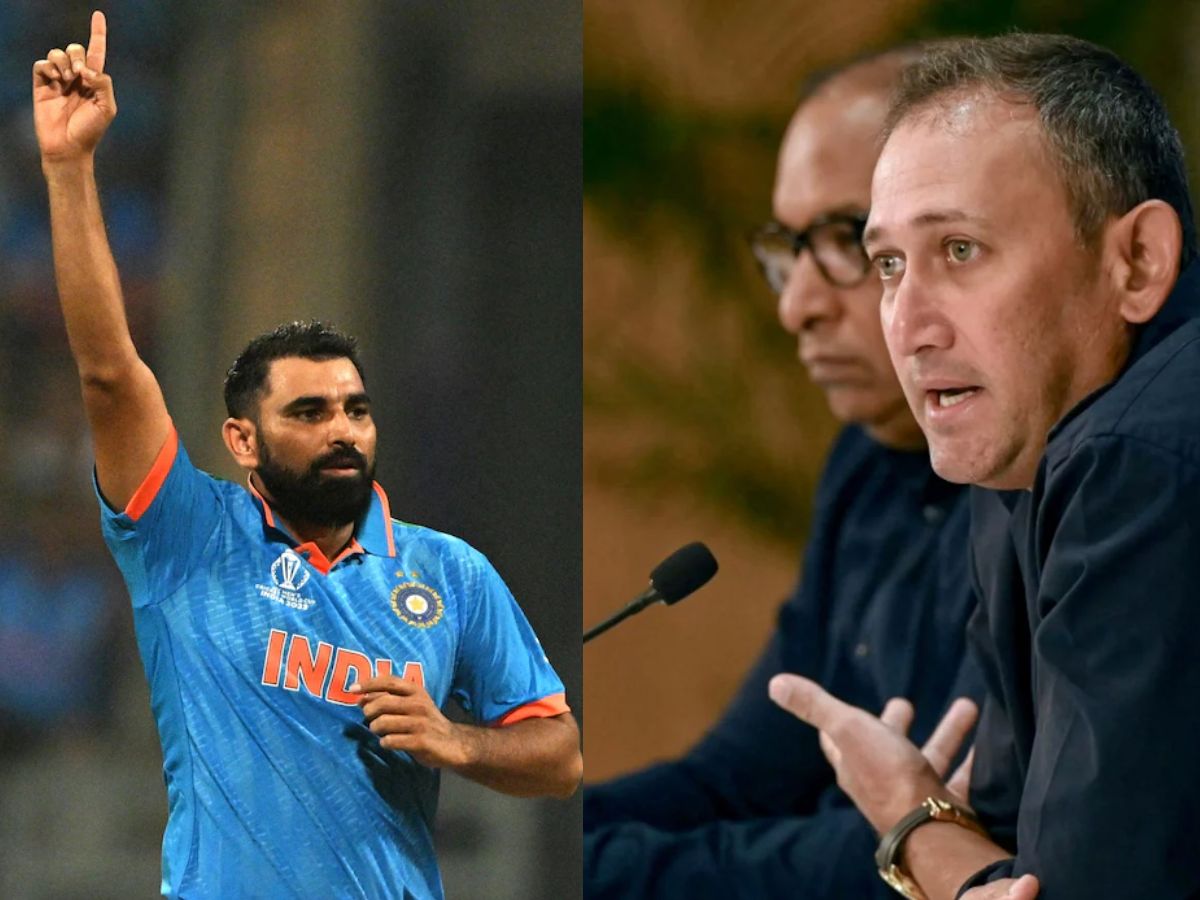
Mumbai, India – August 4, 2026 – In a significant development that has sent ripples through the Indian cricket fraternity, the Board of Control for Cricket in India (BCCI) selection committee, led by chief selector Ajit Agarkar, has announced the replacement for the injured pace spearhead Jasprit Bumrah for the upcoming two-match Test series against Sri Lanka. In a decision that has sparked considerable debate, Jammu & Kashmir’s uncapped pacer Auqib Nabi has been handed his maiden Test call-up, surprisingly bypassing seasoned veteran Mohammed Shami, whose hopes of a Test comeback now appear to face an even steeper climb.
This unexpected choice underscores a clear strategic direction from the selectors, prioritizing emerging talent and current domestic form over the established prowess of a player like Shami, who has been a cornerstone of India’s Test success for nearly a decade. The omission of Shami, especially given his recent stellar performances in the Ranji Trophy, has ignited discussions about the criteria for national selection, the role of fitness assessments, and the future trajectory of India’s formidable pace attack.
Main Facts of the Decision
The core of this breaking news revolves around two key points: the unfortunate injury to Jasprit Bumrah and the subsequent replacement choice. Jasprit Bumrah, India’s premier fast bowler across all formats, has been ruled out of the highly anticipated Test series against Sri Lanka due to a fitness issue. Bumrah had recently participated in the three-match One-Day International (ODI) series against England, raising hopes of his full fitness, but subsequent assessments revealed a setback that necessitated his withdrawal from the longer format.
The vacancy created by Bumrah’s absence presented a crucial opportunity for the selection committee to either recall an experienced hand or blood new talent. Chief selector Ajit Agarkar and his panel opted for the latter, selecting Auqib Nabi, a relatively unknown quantity on the international stage but a standout performer in domestic cricket. Nabi, hailing from Jammu & Kashmir, is an uncapped pacer, meaning he has no prior international experience across any format for India. His selection marks a significant leap from the domestic circuit directly into the Test squad, bypassing the traditional pathway through A-tours or limited-overs international debuts.
)
Conspicuously absent from the list of contenders was Mohammed Shami, a bowler with 229 Test wickets from 64 matches, renowned for his seam movement, relentless accuracy, and ability to extract bounce. Shami’s omission is particularly striking given his recent dominant displays in the Ranji Trophy, India’s premier first-class competition. This decision highlights a potential shift in the selection committee’s philosophy, emphasizing youth and perhaps a stricter interpretation of fitness parameters, even for proven match-winners. The move signals a strong message from the Agarkar-led committee, suggesting a clear vision for the future of India’s pace battery, albeit one that has left many observers questioning the immediate implications for experienced campaigners.
Chronology of Events Leading to the Selection
The path to Auqib Nabi’s surprising inclusion and Mohammed Shami’s consistent omission is paved with a series of events, fitness concerns, and selection calls that paint a clearer picture of the current state of Indian fast bowling.

Jasprit Bumrah’s Recent Journey and Injury
Jasprit Bumrah has had a career punctuated by brilliance and unfortunate injury layoffs. His return to competitive cricket following various ailments has always been met with anticipation, given his unique skill set and match-winning capabilities. Most recently, Bumrah featured prominently in the three-match ODI series against England, showcasing glimpses of his rhythm and control. His participation in this high-profile series suggested that he was on track for a full return across all formats. However, subsequent medical evaluations, likely conducted between the ODI series and the preparatory phase for the Sri Lanka Tests, revealed a new or recurring fitness concern that rendered him unavailable for the demanding five-day format. The exact nature of Bumrah’s current injury has not been fully disclosed by the BCCI, but it is significant enough to warrant his exclusion from the Test squad, emphasizing the cautious approach taken with a player of his caliber.
Mohammed Shami’s Test Hiatus and Recent Form
Mohammed Shami’s last appearance in Test cricket for India dates back to 2023. Since then, despite his consistent performance in white-ball cricket and domestic first-class matches, he has found himself on the fringes of the Test squad. His final ODI appearance was in 2024 against New Zealand, and his last T20 International was in 2025 against England. This prolonged absence from the Test arena, even when fit and performing, has been a subject of considerable discussion.
)
Shami’s recent domestic season, particularly the Ranji Trophy, has been nothing short of phenomenal. He consistently spearheaded his state side’s attack, demonstrating not just wicket-taking ability but also remarkable fitness and endurance for long spells. His ability to generate pace, seam movement, and reverse swing makes him a formidable weapon, especially in subcontinental conditions. Yet, despite this compelling evidence of form and fitness, the selectors have consistently opted for other pacers or, in this instance, a completely uncapped player.
The Selection Committee’s Stance and Previous Statements
The Ajit Agarkar-led selection committee has, on several occasions, articulated its rationale behind squad selections, often emphasizing fitness, future potential, and a balanced squad. Regarding Mohammed Shami, Agarkar had previously made public statements, notably claiming that Shami lacked the requisite fitness for the rigours of Test cricket. These remarks, made prior to Shami’s recent Ranji Trophy heroics, set a high bar for the veteran pacer. The committee’s consistent stance has been to look towards building a pool of fast bowlers who can serve Indian cricket for years to come, indicating a long-term vision that might prioritize youth and specific physical benchmarks.
)
Auqib Nabi’s Ascent Through Domestic Cricket
In stark contrast to Shami’s experience, Auqib Nabi’s journey has been a rapid climb through the domestic ranks. Hailing from Jammu & Kashmir, Nabi has steadily built a reputation as a promising fast bowler with a strong work ethic and consistent performances. While not a household name nationally until this selection, his consistent wicket-taking ability and potential for sustained spells in first-class cricket have clearly caught the eye of the national selectors. His emergence from a region that has historically contributed fewer players to the national team adds another layer of narrative to his remarkable story, highlighting the growing reach of Indian cricket’s talent scouting network. This unexpected call-up for Nabi represents a pivotal moment in his nascent career and a testament to the selection committee’s willingness to reward outstanding domestic performances, irrespective of prior international exposure.
Supporting Data and Performance Analysis
The selection of Auqib Nabi over Mohammed Shami is a decision heavily influenced by statistical performance in domestic cricket, juxtaposed with the selection committee’s perceived fitness criteria. A closer look at the numbers provides crucial context for this controversial choice.
)
Mohammed Shami’s Domestic Dominance vs. Selector’s Concerns
Mohammed Shami’s recent performances in the Ranji Trophy directly challenge Ajit Agarkar’s earlier assertions about his Test fitness. In his last seven Ranji Trophy matches, Shami has been in sensational form, demonstrating not only his wicket-taking prowess but also his ability to sustain prolonged spells, a key indicator of Test match readiness.
- Wickets: Shami claimed an impressive 37 wickets in these seven matches. This tally speaks volumes about his effectiveness and ability to consistently trouble batsmen.
- Average: His bowling average stood at an outstanding 16.72. This is an elite-level average for any fast bowler, especially in first-class cricket, suggesting that he was consistently taking wickets while conceding very few runs.
- Maidens: Shami bowled 50 maiden overs, showcasing his control, discipline, and ability to build pressure on batsmen over extended periods. This statistic is particularly relevant for Test cricket, where dry spells often lead to wickets.
- Five-wicket Hauls: He recorded 3 five-wicket hauls, underscoring his capability to run through opposition batting line-ups and single-handedly change the course of a match.
- Best Figures: His best bowling figures in this period were an incredible 8 for 90, a performance that highlights his potential for devastating spells.
These statistics paint a picture of a bowler in peak form, defying any notion of lacking the stamina or skill for Test cricket. For a player with Shami’s international experience, such domestic numbers would typically make him an automatic choice, especially in the absence of a key bowler like Bumrah. The selectors’ continued emphasis on "fitness issues," despite these numbers, suggests that their criteria might be more stringent or nuanced than publicly articulated, perhaps involving specific physical benchmarks or workload management protocols that Shami might not currently be meeting in their assessment.
)
Auqib Nabi’s Breakthrough Season and Statistical Edge
In contrast to Shami’s veteran status, Auqib Nabi is a rising star whose recent Ranji Trophy season propelled him into national reckoning. His numbers are undeniably compelling and were likely the primary driver behind his surprising selection.
- Wickets: Nabi’s performance was even more prolific than Shami’s, as he snared a remarkable 60 wickets in the Ranji Trophy season. This is an exceptional haul for any bowler in a single first-class season and clearly positioned him as one of the standout domestic performers.
- Average: His bowling average was an astonishingly low 12.56. This average is superior to Shami’s excellent figures and reflects an even greater degree of dominance over opposition batsmen.
While the article doesn’t provide further specifics like maiden overs or five-wicket hauls for Nabi, his raw wicket tally and average clearly indicate a bowler who was consistently dismantling batting line-ups. The sheer volume of wickets and his incredibly low average suggest a bowler who is not only taking wickets but doing so very economically, building pressure effectively.
)
Comparative Analysis and Selection Rationale
The direct comparison of these statistics reveals why Nabi ultimately got the nod over Shami:
- Raw Performance: Nabi’s 60 wickets at 12.56 average are statistically superior to Shami’s 37 wickets at 16.72 in their respective recent domestic outings. While Shami’s numbers are excellent, Nabi’s are truly exceptional and signal a bowler who is in the form of his life.
- Youth vs. Experience: The selection committee appears to be leaning towards investing in youth and future potential. Nabi, being uncapped, represents a long-term prospect for Indian cricket. This decision might also be a strategic move to manage the workload of experienced pacers like Shami, who has had his share of injuries over the years, ensuring they are fresh for specific assignments.
- Specific Skills/Role: Without direct quotes, one can infer that Nabi might offer a specific skill set that the selectors believe complements the existing pace attack or provides an alternative option. This could involve specific angles, bounce, or even a different pace profile suitable for the Sri Lankan conditions.
- Fitness Protocol: The underlying "fitness issues" claim against Shami, despite his strong on-field numbers, suggests that the selection committee might be adhering to a very strict and non-negotiable fitness protocol. Even if Shami is performing well, if he doesn’t meet certain physiological benchmarks set by the team management, he might be deemed unfit for the rigours of Test cricket in their assessment. This could involve endurance tests, strength benchmarks, or recovery metrics.
In essence, while Shami presented a strong case with his experience and recent form, Nabi’s outstanding statistical dominance in the Ranji Trophy, combined with the committee’s long-term vision and stringent fitness standards, ultimately tipped the scales in favor of the uncapped pacer. This decision highlights the increasing competition for spots in the Indian Test team, particularly among fast bowlers, where even stellar domestic performances might not guarantee a recall for established players if a younger, equally potent option is available.
)
Official Responses and Underlying Messages
The decision to select Auqib Nabi over Mohammed Shami for the Sri Lanka Test series, while not accompanied by extensive public statements from the selectors, carries with it several implicit official responses and underlying messages from the Ajit Agarkar-led committee.
Ajit Agarkar’s Stance: Prioritizing Fitness and Future
While a detailed press conference or official statement specifically addressing Shami’s omission in the context of Nabi’s selection has not been issued, Agarkar’s previous claims regarding Shami’s fitness serve as a crucial backdrop. Agarkar had publicly stated that Shami lacked the fitness required for Test cricket. This consistent stance suggests that the selection committee operates under a predefined set of physical parameters and benchmarks that every player, regardless of their past achievements or current domestic form, must meet.
)
The selection of Nabi, therefore, implicitly reinforces this message. It suggests that:
- Fitness is paramount: Even if a player is taking wickets, if they don’t meet the stringent fitness protocols deemed essential for Test cricket, they will not be selected. This is a non-negotiable aspect of the modern Indian team management philosophy.
- Future-proofing the pace attack: The selection of an uncapped player like Nabi signals a clear intent to build a strong bench strength of fast bowlers for the long term. The committee is not afraid to blood new talent and give them exposure at the highest level, fostering competition and ensuring a continuous supply of Test-ready pacers.
- Reward for exceptional domestic performance: Nabi’s outstanding Ranji Trophy season is being directly rewarded. This sends a powerful message to all domestic cricketers that consistent, high-level performance will be noticed and can lead to a national call-up, regardless of prior international experience.
- Transparency (or lack thereof) in selection: While the committee’s actions send clear signals, the absence of a detailed explanation for Shami’s continued omission, beyond vague references to fitness, leaves room for speculation and debate among fans and pundits. Greater transparency could help clarify the specific criteria being applied.
The Implied Message to Mohammed Shami
For Mohammed Shami, the message from the selectors is stark and unequivocal: his return to the Test team is possible, but it requires more than just excellent domestic performances. The committee expects him to "exceed expectations" and not just maintain "full fitness" but to excel "beyond emerging pacers."
)
This implies:
- Higher fitness benchmarks: Shami might need to demonstrate an even higher level of fitness, perhaps through specific training regimes or consistent performance in multi-day matches, to convince the selectors that he can withstand the rigours of Test cricket without risk of injury or decline in performance.
- Outperforming the competition: The competition for fast bowling spots in India is incredibly fierce. Shami is not just competing against established pacers but also against a new wave of talented youngsters like Nabi. To regain his spot, he needs to consistently outshine all of them, not just with wickets but with sustained pace, endurance, and perhaps a demonstrable increase in specific physical metrics.
- Adaptability to new selection philosophy: Shami might need to align himself with the team management’s evolving vision, which clearly prioritizes youth and specific fitness standards. This could involve changes in his training regimen or a renewed focus on specific aspects of his game that align with the team’s strategic needs.
Broader Implications for Player Management
This selection decision also sends a broader message about player management and the lifecycle of an international cricketer in India. It indicates that:
)
- No player is indispensable: Even a proven match-winner like Shami can be overlooked if newer talent emerges strongly and fits the selection committee’s criteria more closely.
- The domestic circuit is a proving ground: The value of strong domestic performances has been re-emphasized. Players like Nabi can make a direct jump to the national team if their numbers are compelling enough.
- Injury management is critical: The cautious approach with Bumrah underscores the importance of managing star players’ workloads and ensuring their long-term availability, even if it means missing a series.
In essence, the Agarkar-led committee is communicating a clear vision for the Indian Test team: one built on a foundation of stringent fitness standards, a robust talent pipeline from domestic cricket, and a forward-looking approach to team composition. While this might be a bitter pill for a veteran like Shami, it sets a new precedent for aspiring cricketers and reinforces the competitive nature of earning a spot in the Indian national squad.
Implications and Future Outlook
The selection of Auqib Nabi over Mohammed Shami for the Sri Lanka Test series carries significant implications for all parties involved – Shami, Nabi, the Indian pace attack, and the broader selection philosophy. This decision is not merely a change in personnel; it signals a potential paradigm shift in how India approaches its Test team composition.
)
For Mohammed Shami: A Crossroads in a Storied Career
For Mohammed Shami, this omission represents a significant hurdle, perhaps the most challenging of his Test career. Despite his stellar domestic form, the selectors’ consistent stance on his fitness, now compounded by the selection of an uncapped player, suggests that the path back to the Test team is becoming increasingly arduous.
- Elevated Expectations: The message is clear: Shami’s proven track record and even exceptional domestic numbers are no longer sufficient. He must "exceed expectations" and demonstrate a level of fitness and performance that leaves absolutely no room for doubt. This means not just taking wickets, but doing so with sustained pace, endurance, and demonstrating superior physical conditioning to younger rivals.
- Intensified Competition: Upcoming tournaments like the Duleep Trophy and future Ranji seasons will be critical battlegrounds. Shami will not only need to maintain his form but actively compete against a growing pool of young, fit pacers who are vying for the same spots. Every match will be a trial, and every spell a testament to his enduring desire to play Test cricket.
- Potential End of Test Career? While it’s premature to write off a bowler of Shami’s class and resilience, repeated omissions despite strong performances will inevitably raise questions about his Test future. The selectors’ focus on youth might mean that Shami, despite his experience, is being viewed as a short-term option, while their long-term vision lies elsewhere. His ability to adapt to the new fitness demands and consistently perform at an even higher level will determine if he can defy this trend.
For Auqib Nabi: A Dream Opportunity and Immense Pressure
For Auqib Nabi, this is a life-changing moment. His selection is a testament to his hard work and exceptional talent, offering him an unprecedented opportunity to showcase his skills on the biggest stage.
)
- Debut Pressure: Making a Test debut is always challenging, but doing so as a replacement for a star like Jasprit Bumrah, and over a veteran like Mohammed Shami, adds an extra layer of scrutiny and expectation. Nabi will be under immense pressure to perform immediately and justify the selectors’ faith.
- Pathway to Future: A strong performance against Sri Lanka could cement Nabi’s place in the broader scheme of India’s Test plans, potentially opening doors for future series, especially in conditions conducive to his style of bowling. This is his chance to establish himself as a serious contender for a permanent spot in the pace attack.
- Learning Curve: Regardless of immediate results, the experience of being part of the national Test squad, training alongside established internationals, and working with the team management will be invaluable for his development.
For India’s Pace Battery: A Shift Towards Youth and Depth
This selection signals a significant strategic direction for India’s formidable pace attack.
- Emphasis on Bench Strength: The decision to pick an uncapped player over an experienced veteran highlights the selectors’ commitment to building a deep and versatile pool of fast bowlers. This ensures that India has ready replacements for injuries and can manage the workloads of its star pacers effectively.
- Youth Movement: This could be the beginning of a more pronounced youth movement in India’s Test pace attack. While experienced bowlers like Umesh Yadav and Ishant Sharma have also been phased out or are on the periphery, Nabi’s inclusion underscores a clear intent to invest in younger talent.
- Increased Competition: The competition for fast bowling spots will only intensify. With Bumrah, Mohammed Siraj, and other emerging talents already in the mix, Nabi’s inclusion adds another strong contender, pushing everyone to perform at their absolute best.
- Long-term Vision: The Agarkar-led committee is clearly looking beyond immediate results to build a sustainable pace attack for the next decade, focusing on players who meet their stringent fitness and performance criteria.
Broader Implications for Indian Cricket
The decision has wider ramifications for the Indian cricket ecosystem:
)
- Validation of Domestic Cricket: The direct elevation of Nabi from the Ranji Trophy to the Test squad is a huge validation for India’s domestic first-class structure. It reinforces the message that domestic performances are seriously considered and can be a direct pathway to national representation.
- Evolving Selection Philosophy: This selection underscores an evolving selection philosophy that prioritizes fitness, future potential, and perhaps specific roles within the team, even if it means making tough calls on established players. It suggests a more data-driven and forward-looking approach to squad building.
- Debate on Experience vs. Youth: The move will fuel ongoing debates among fans and pundits about the optimal balance between experience and youth in Test cricket, particularly for a team that has enjoyed significant success with a core group of seasoned campaigners.
In conclusion, Auqib Nabi’s selection is far more than just a replacement for an injured player. It is a bold statement from the Indian selectors, signaling a clear strategic direction for the future of Indian Test cricket. While it presents a phenomenal opportunity for Nabi, it also places Mohammed Shami at a critical juncture in his career, demanding an even greater demonstration of his enduring class and fitness to regain his rightful place in the national team. The coming Test series against Sri Lanka will not only be a contest between two nations but also a crucial test of the selectors’ vision and the burgeoning talent within India’s pace bowling ranks.
