

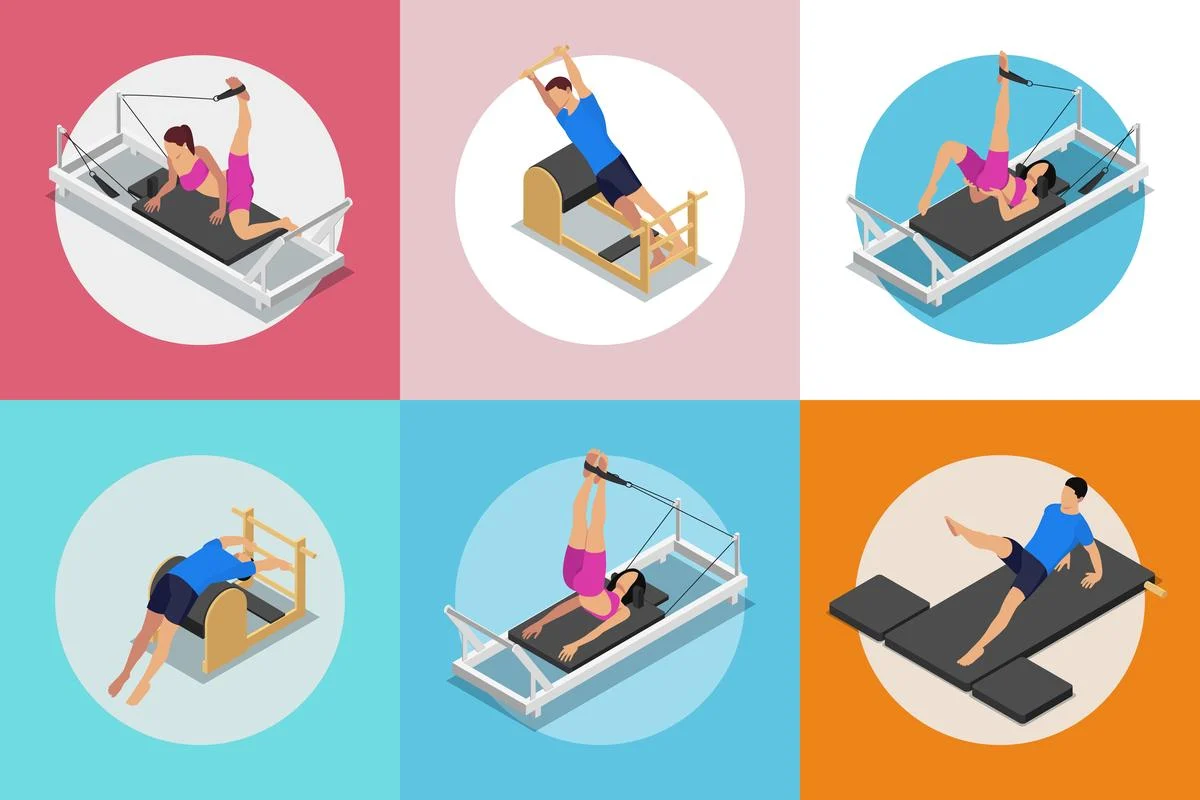
In an era increasingly defined by a pursuit of holistic health and mindful movement, Pilates has emerged from its niche origins to become a globally recognized and celebrated exercise discipline. Developed in the early 20th century by the enigmatic Joseph Pilates, this unique system of physical and mental conditioning transcends mere strength training or flexibility work. It is a meticulously crafted approach designed to cultivate core strength, foster profound body awareness, and sharpen mental focus. While often associated with the simplicity of mat exercises, Pilates also harnesses the power of specialized apparatus like reformers and cadillacs, each engineered to provide nuanced resistance and support, thereby amplifying the efficacy of the movements.
The enduring popularity of Pilates is not an accident. Scientific studies, including those published in prestigious journals like the Journal of Orthopaedic & Sports Physical Therapy and findings supported by the American Council on Exercise, have consistently underscored its benefits. These investigations highlight Pilates’ remarkable capacity to enhance spinal stability and improve posture, all while significantly minimizing the risk of injury. This evidence-based validation has propelled Pilates beyond a fleeting trend, cementing its status as a robust and reliable method for achieving comprehensive physical and mental well-being.
The Genesis of a Movement: Joseph Pilates and the Birth of Contrology
The story of Pilates is inextricably linked to its visionary creator, Joseph Pilates. Born in Germany in the late 19th century, Pilates was a frail child plagued by asthma, rickets, and rheumatic fever. This personal struggle ignited a lifelong dedication to understanding and improving the human body. His formative years were a crucible of experimentation, drawing inspiration from a diverse array of disciplines, including gymnastics, boxing, yoga, and Zen meditation. He believed that a strong, balanced body was intrinsically linked to a healthy mind, a philosophy that would become the bedrock of his unique exercise system.
In 1926, Joseph Pilates embarked on a transformative journey, migrating to New York City. It was here, in the bustling metropolis, that he established his first studio, strategically located near the renowned New York City Ballet. This proximity allowed him to work closely with dancers, athletes, and performers, honing his methods and observing their profound impact on physical performance and injury rehabilitation. He initially termed his system "Contrology," a name that precisely encapsulates the core principle of the method: the mind’s conscious control over the body’s muscular system. Contrology was not merely about performing exercises; it was about a deliberate and precise engagement of the entire being.
Pilates’ approach was characterized by a rigorous adherence to form and a specific sequence of movements. He meticulously documented his exercises, emphasizing the importance of proper breathing, precise muscle engagement, and fluid, controlled movements. His original studio became a sanctuary for those seeking to overcome physical limitations and achieve peak physical condition. The effectiveness of his methods quickly garnered attention, laying the groundwork for the global phenomenon Pilates would become.
Evolution of an Art Form: From Contrology to Contemporary Pilates
The legacy of Joseph Pilates has evolved over the decades, branching into distinct yet interconnected methodologies. Understanding these variations is key to appreciating the adaptability and continued relevance of the practice.
Contrology: The Original Blueprint
Contrology, as conceived by Joseph Pilates, remains the foundational essence of the practice. It is characterized by a precise and limited repertoire of exercises, many of which require specialized apparatus. The original method was highly systematic, demanding that exercises be performed in a specific order and with unwavering adherence to form. Joseph Pilates was famously strict about modifications, believing that deviations from his prescribed method meant one was no longer practicing "Contrology." This original framework prioritized the precise engagement of specific muscle groups, the harmonious integration of breath and movement, and a deep understanding of the body’s biomechanics.
Classical Pilates: Honoring the Master’s Vision
Classical Pilates represents an evolution of Contrology, largely shaped by Joseph Pilates’ direct disciples. These individuals, deeply influenced by their mentor, maintained the integrity of his original system while introducing subtle refinements and additions. Classical Pilates is often considered a direct continuation of Contrology, with a focus on preserving the original exercises and principles. While it may include a slightly expanded set of exercises, the emphasis remains on the precise execution, the specific order, and the core philosophy established by Joseph Pilates. The distinction between Contrology and Classical Pilates is often nuanced, with many practitioners viewing them as closely related, with Classical Pilates being a more refined and perhaps slightly expanded interpretation of the master’s teachings.
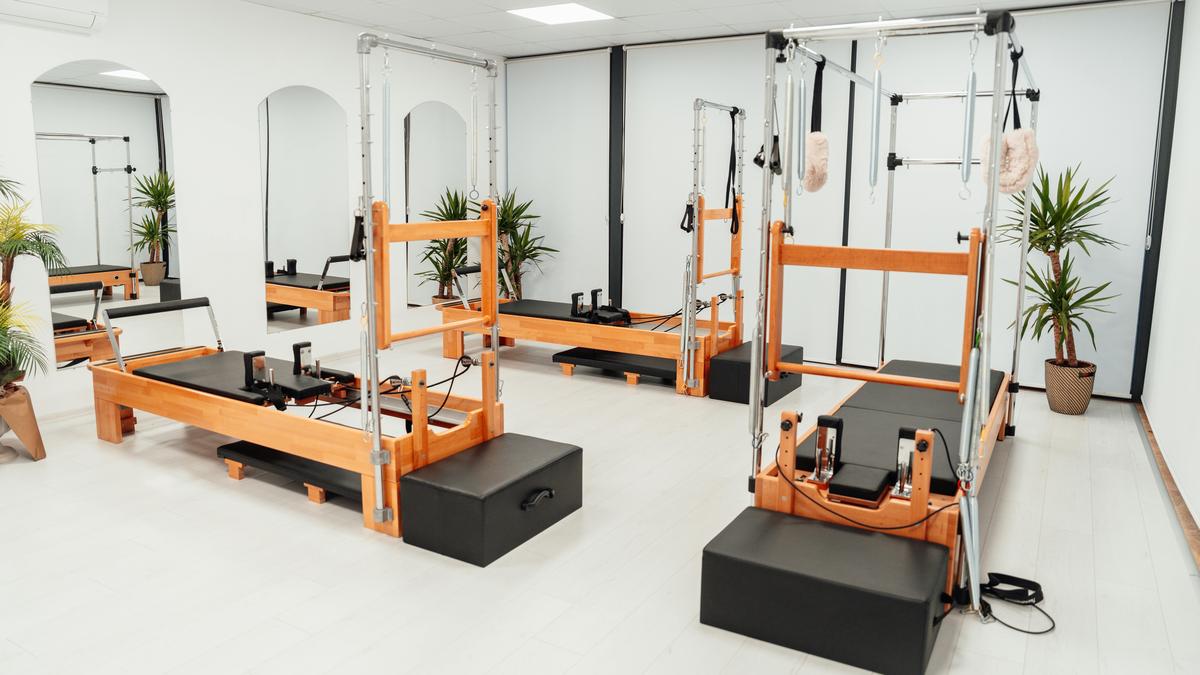
Contemporary Pilates: Adapting to Modern Needs
In contrast, Contemporary Pilates represents a more modern and adaptive interpretation of the discipline. While rooted in the fundamental principles of Contrology, it embraces modifications, incorporates a broader range of equipment, and allows for greater flexibility in the sequencing of exercises. This evolution acknowledges the diverse needs and goals of today’s practitioners, including those seeking to integrate Pilates with other fitness modalities or those with specific rehabilitation requirements. Contemporary Pilates often includes exercises that have been further developed and refined by contemporary Pilates educators, drawing on modern biomechanical research and understanding. This version of Pilates is often seen as more accessible and adaptable to a wider range of individuals and fitness levels.
The adaptability of Pilates has also led to its fusion with other popular fitness practices, giving rise to hybrid forms such as:
- Yogilates: A harmonious blend of Pilates and Yoga, combining the core-strengthening principles of Pilates with the flexibility, balance, and mindfulness of Yoga.
- Cardiopilates: Integrates Pilates’ core-strengthening movements with cardiovascular elements to provide a more comprehensive, full-body workout.
- Piloxing: A dynamic fusion of Pilates, boxing, and cardio, designed to create a high-energy, calorie-burning experience.
- Aquapilates: Utilizes the buoyancy and resistance of water to perform Pilates exercises, offering a low-impact yet challenging workout.
- Aeropilates: Incorporates trampolines, resistance cords, and other apparatus to enhance the Pilates experience, providing a low-impact workout that protects joints.
These various iterations demonstrate the enduring appeal and remarkable versatility of Pilates, allowing it to cater to a broad spectrum of fitness aspirations and physical conditions.
The Science Behind the Sensation: Pilates’ Proven Efficacy
The recent surge in Pilates’ popularity is not merely a product of fleeting trends or social media hype. Beneath the surface of aesthetic appeal lies a robust foundation of scientific validation. Numerous studies have illuminated the profound and multifaceted benefits of Pilates, solidifying its reputation as a scientifically sound and highly effective exercise methodology.
Research published in leading peer-reviewed journals has consistently pointed to Pilates’ significant impact on key aspects of physical health. Its efficacy in core strengthening is well-documented, leading to improved spinal stability and reduced instances of back pain. This is achieved through the precise engagement of the deep abdominal muscles, the pelvic floor, and the back musculature, which collectively form the body’s "powerhouse."
Beyond core strength, Pilates is recognized for its ability to improve posture. By strengthening the muscles that support the spine and promoting proper alignment, practitioners often experience a noticeable reduction in slouching and an enhanced upright posture. This, in turn, can alleviate chronic pain associated with poor posture, such as neck and shoulder discomfort.
Flexibility and balance are also significantly enhanced through regular Pilates practice. The controlled, flowing movements and deep stretches inherent in the discipline promote a greater range of motion in the joints and improve proprioception – the body’s awareness of its position in space. This enhanced balance is particularly beneficial for older adults and individuals at risk of falls.
Furthermore, the mental component of Pilates, often referred to as movement meditation, plays a crucial role in its overall effectiveness. The requirement for intense concentration and mindful engagement with each movement can lead to reduced levels of stress and anxiety. This mind-body connection fosters a sense of calm and present-moment awareness, contributing to improved mental well-being.

Studies have also indicated that Pilates can contribute to maintaining bone density, a critical factor in preventing osteoporosis, a condition characterized by brittle and fragile bones. While not a direct replacement for weight-bearing exercise in this regard, the controlled strength-building aspects of Pilates can play a supportive role in bone health.
In essence, Pilates offers a comprehensive approach to health and wellness that addresses not only physical strength and flexibility but also mental resilience and overall quality of life. Its ability to yield tangible results across a wide array of health markers makes it a compelling alternative and a valuable complement to traditional fitness routines.
Implications and the Future of Pilates
The ascendancy of Pilates in the modern wellness landscape carries significant implications. As individuals increasingly seek sustainable and mindful approaches to health, Pilates offers a compelling solution that transcends fleeting fitness fads. Its emphasis on precision, control, and body awareness resonates with a growing desire for a deeper connection with one’s physical self.
The integration of Pilates into rehabilitation programs, therapeutic settings, and even corporate wellness initiatives further underscores its broad applicability and recognized benefits. As research continues to explore the intricate connections between movement, mental health, and physical well-being, the principles of Pilates are likely to gain even greater prominence.
Looking ahead, the evolution of Pilates is poised to continue. Innovations in equipment design, a deeper understanding of biomechanics, and the ongoing exploration of its therapeutic applications will undoubtedly shape its future trajectory. The potential for personalized Pilates programs tailored to specific needs – from elite athletes seeking performance enhancement to individuals managing chronic pain – is immense.
In a world often characterized by high-impact, high-intensity workouts, Pilates offers a vital counterpoint: a disciplined, mindful, and profoundly effective method for cultivating a strong, resilient, and balanced body and mind. Its enduring allure lies not just in its ability to sculpt the physique, but in its capacity to foster a lifelong commitment to holistic well-being. For those seeking a more integrated and conscious approach to their health, Pilates stands as a testament to the power of intelligent movement.
