

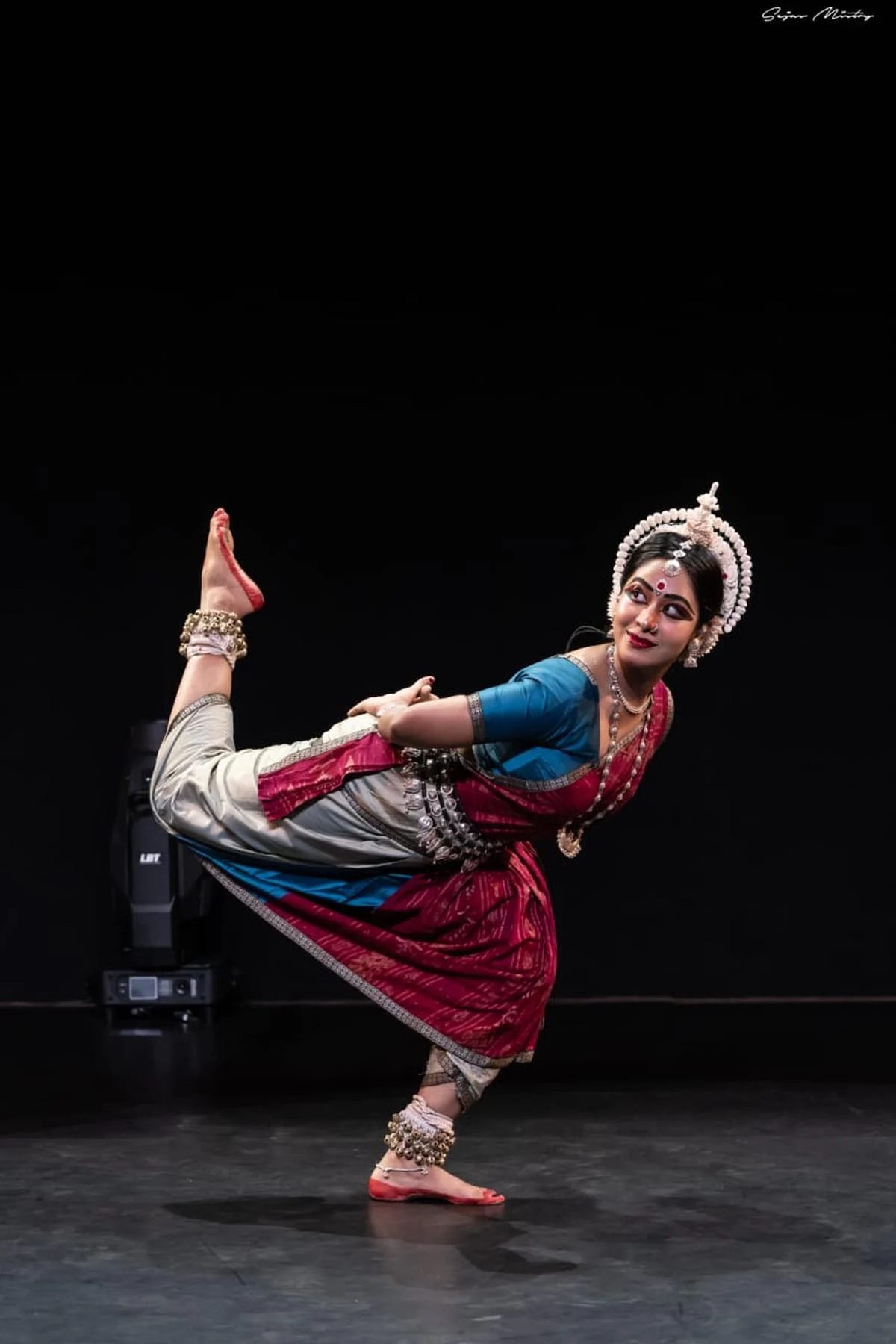
New Delhi, India – Beyond the captivating grace, intricate footwork, and profound storytelling that define classical Indian dance forms, lies a powerful, often unspoken, foundation: the disciplined integration of physical and mental conditioning. For dancers like Avijit Das (Kuchipudi), Meera Sreenarayanan (Bharatanatyam), and Preetisha Mohapatra (Odissi), practices such as yoga, pranayama (breath control), and targeted strength training are not mere supplementary exercises, but integral elements that shape their artistry, enhance their performance, and ensure longevity in their demanding careers. This article delves into how these ancient and modern disciplines are revolutionizing the way classical dancers approach their craft, from enhancing expression to preventing injuries and fostering a deeper spiritual connection to their art.
The Rhythmic Breath: Pranayama as the Dancer’s Inner Compass
For Avijit Das, a Kuchipudi dancer, the profound impact of pranayama and yoga on his artistic journey is undeniable. "When I look back at my training in Kuchipudi, I realise how pranayama, yoga and breathing techniques have shaped me as an artiste," Das shares. "The dance form, with its blend of rhythm, expression, and storytelling, is demanding, requiring a dancer to align both body and mind. These practices have therefore remained a constant."
Das emphasizes the centering effect of pranayama. "Pranayama has given me the ability to centre myself before stepping into practice or performance," he explains. In classical dance, where the seamless flow between abhinaya (expression) and nritta (pure dance) is paramount, controlled breathing becomes a critical tool for maintaining focus and emotional equilibrium. Techniques like anulom vilom (alternate nostril breathing) and kapalabhati (skull-shining breath) are not just about physical exertion; they are about sharpening energy and steadying the mind. This mental fortitude is essential for sustaining long hours of rehearsal and navigating the intensity of a performance.
Furthermore, Das highlights how breath facilitates a deeper connection to the spiritual and emotional core of Kuchipudi’s storytelling tradition. "It also allows me to channel devotion and emotion more deeply into my dance – an essential aspect of Kuchipudi’s storytelling tradition." The breath, he elaborates, acts as the invisible thread that binds rhythm and emotion. The dancer learns to synchronize inhalations and exhalations with the tala (beat), creating smoother transitions and a more fluid performance. Beyond rhythm, breath carries rasa, the emotional flavour of the performance. A sharp exhalation can amplify the drama of a battle scene, while a gentle inhalation can evoke tenderness in a devotional piece. This nuanced control transforms dance from mere physical movement into a living, expressive art form.
Yoga: Sculpting the Body, Cultivating Resilience
The physical demands of classical Indian dance are immense. Kuchipudi, for instance, requires agility, strength, and grace, whether executing rapid footwork, holding the ardhamandalam (half-sitting posture), or striking statuesque poses in dramatic sequences. Yoga, as Das points out, provides the essential physical scaffolding. "Through yoga, I have strengthened my core, improved my posture, and gained the flexibility that lends fluidity to my movements," he states. The practice also serves as a crucial preventative measure against injuries, keeping joints supple and the body aligned.

However, the benefits of yoga extend far beyond the physical. Das notes its role in instilling patience and discipline. The act of holding a pose and breathing through discomfort directly mirrors the endurance required for mastering complex choreography. This mental fortitude, cultivated through yoga, equips dancers to face challenges and perform with maturity. The union of physical and spiritual alignment, fostered by these practices, allows dancers like Das to convey the "true essence of the art form."
From Childhood Practice to Maternal Wisdom: The Evolving Role of Yoga
Meera Sreenarayanan, a Bharatanatyam dancer, shares a lifelong connection with yoga, which began as a natural extension of her dance training. "As a young Bharatanatyam dancer, it felt like an extension of training. Flexibility, balance, mobility, and strength were the yardsticks of progress. The body needed to be trained, honed, and understood." This early understanding of the body as a finely tuned instrument laid the groundwork for her artistic development.
However, Sreenarayanan’s perspective on yoga deepened significantly during her pregnancies. "Years of dance training cultivate a sense of agency over the body. This phase offers a humbling reminder that not everything can be directed, corrected, or rehearsed. Life takes shape breath by breath." This period of profound personal change brought a new dimension to her yoga practice, shifting its focus from purely physical conditioning to a more profound engagement with breath awareness amidst uncertainty and discomfort.
Sreenarayanan discovered how deeply breath influences movement and expression in Bharatanatyam. "The quality of a movement often depends on the quality of the breath that precedes it. The same is true of abhinaya. Before an emotion appears in the eyes, face, or body, it often announces itself in the breath." This heightened awareness brought a new level of "honesty to expression." This insight transcended her dance practice, offering a guiding principle for navigating life’s challenges: "Whenever something felt out of sync, the answer was rarely to push harder. More often, it was to pay closer attention."
In a world often fixated on achieving more, Sreenarayanan finds that yoga continues to remind her of the "value of noticing more." While she initially believed yoga was making her a better dancer, her experiences, particularly during pregnancy, revealed its deeper purpose: "It took pregnancy to show me that it was helping me become a more attentive human." This journey underscores yoga’s transformative power, fostering not just physical prowess but also emotional intelligence and mindful living.

Odissi’s Yogic Roots and the Modern Demands of Conditioning
Preetisha Mohapatra, a 27-year-old Odissi dancer, operates within a lineage deeply connected to yogic principles, while also embracing contemporary approaches to physical conditioning. She highlights that Odissi "inherently incorporates yogic movements inspired by ancient temple sculptures," which provide both alignment and internal balance. Iconic Odissi postures like the tribhangi (three-body bend) and chauka (square stance) are imbued with a yogic sensibility.
Mohapatra’s approach is informed by the legacy of her predecessors. Her grandfather, Guru Kelucharan Mohapatra, was a pioneer in researching injury prevention, refining these iconic postures. Her father, Ratikant Mohapatra, a renowned Odissi exponent, re-engineered toe and knee alignment following a severe ligament injury, demonstrating a proactive approach to dancer health. Building upon this foundation, Preetisha has integrated specialized weight training into her daily regimen.
"While dance provides excellent cardio, strength, and endurance, a solo performance requires sustained stamina to command the stage for an hour," Mohapatra explains. She emphasizes that contemporary lifestyle shifts and environmental factors necessitate targeted resistance training and strict nutritional discipline. Weight training, in particular, plays a crucial role in "building and preserving muscle mass, shielding the skeletal structure from the physical shocks of ageing." This proactive discipline ensures that the dancer’s body remains "intact, highly resilient, and capable of enduring the rigorous physical demands of classical dance well into the future."
Mohapatra articulates a long-term vision for classical dance artistry. "Classical dance is a slow, layered journey. While an artiste in the twenties is still evolving, it is in the forties and fifties that the form acquires depth and richness. To sustain this progress, the body must be nurtured from within early on." She draws inspiration from her mother, senior dancer and choreographer Sujatha Mohapatra, who attributes her physical stamina and mental focus to a dedicated yoga regimen, including Surya Namaskar.
The current generation of Odissi dancers, Mohapatra notes, has the "rare advantage of learning from past injuries." By combining "inherited wisdom with contemporary sports science," they are building the physical resilience required for a "long, injury-free artistic journey." This forward-thinking approach ensures that the timeless beauty of Odissi can be sustained and further enriched for generations to come.

The Synergy of Ancient Wisdom and Modern Science: A Paradigm Shift
The collective experiences of Avijit Das, Meera Sreenarayanan, and Preetisha Mohapatra paint a compelling picture of how classical Indian dancers are increasingly integrating time-tested practices with modern scientific understanding.
Chronology of Integration:
- Ancient Roots: Yoga and pranayama have been integral to Indian culture for millennia, influencing various disciplines, including performing arts, through their emphasis on mind-body harmony.
- Early 20th Century: As classical dance forms were codified and professionalized, the physical demands increased, leading dancers to seek methods for conditioning and injury prevention. Yoga and breathwork were often practiced implicitly or as part of traditional martial arts or yogic lineages.
- Mid-to-Late 20th Century: A growing awareness of the biomechanics of dance and the prevalence of dance-related injuries led to a more conscious integration of scientific approaches. Gurus like Kelucharan Mohapatra began to meticulously research injury prevention.
- Late 20th Century to Present: The fusion of traditional practices with contemporary sports science has become more pronounced. Dancers and their mentors are actively incorporating specialized strength training, physiotherapy, and nutritional science alongside yoga and pranayama. This era is characterized by a proactive, evidence-based approach to dancer health and longevity.
Supporting Data and Expert Opinions:
The emphasis on breath control, muscular strength, flexibility, and mental fortitude aligns with established principles in sports science and performance enhancement.
- Pranayama and Athletic Performance: Studies have indicated that controlled breathing techniques can improve respiratory efficiency, reduce anxiety, and enhance focus, all crucial for athletes and dancers alike. The ability to regulate the autonomic nervous system through breathwork can lead to improved recovery and reduced stress.
- Yoga for Injury Prevention and Rehabilitation: Research consistently demonstrates yoga’s efficacy in strengthening core muscles, improving balance, and increasing flexibility, thereby reducing the risk of common dance injuries. Its low-impact nature makes it suitable for both active dancers and those in rehabilitation.
- Strength Training for Dancers: Contemporary dance science recognizes the necessity of targeted strength training to support the high-impact movements and sustained postures of classical dance. Building lean muscle mass improves power, endurance, and provides crucial protection for joints and bones against the repetitive stresses of performance.
Implications for the Future of Classical Dance:
The conscious and systematic integration of yoga, pranayama, and strength training is not merely a trend; it represents a significant evolution in the approach to classical Indian dance.
- Enhanced Artistic Expression: By fostering greater control over breath and mind, dancers can achieve deeper emotional resonance and nuanced storytelling, elevating their abhinaya.
- Increased Longevity and Sustainability: Dancers can maintain their physical capabilities for longer careers, allowing for a richer development of artistry with age and experience. This addresses the traditional understanding that depth of expression often emerges in later decades.
- Global Appeal and Accessibility: A focus on scientific conditioning, combined with traditional artistry, can make classical Indian dance more accessible to a wider audience and inspire cross-disciplinary collaborations with contemporary arts and sports.
- Holistic Dancer Development: The emphasis shifts from purely technical mastery to a holistic development of the dancer as a well-rounded individual, capable of enduring physical and mental challenges with grace and resilience.
In conclusion, the confluence of ancient yogic wisdom and modern scientific approaches is forging a powerful new path for classical Indian dance. Dancers like Avijit Das, Meera Sreenarayanan, and Preetisha Mohapatra are not just performing art; they are embodying a philosophy of disciplined self-cultivation, ensuring that the vibrant traditions of Indian dance continue to thrive with renewed strength, grace, and profound expression for generations to come.
