

PERSONAL FINANCE
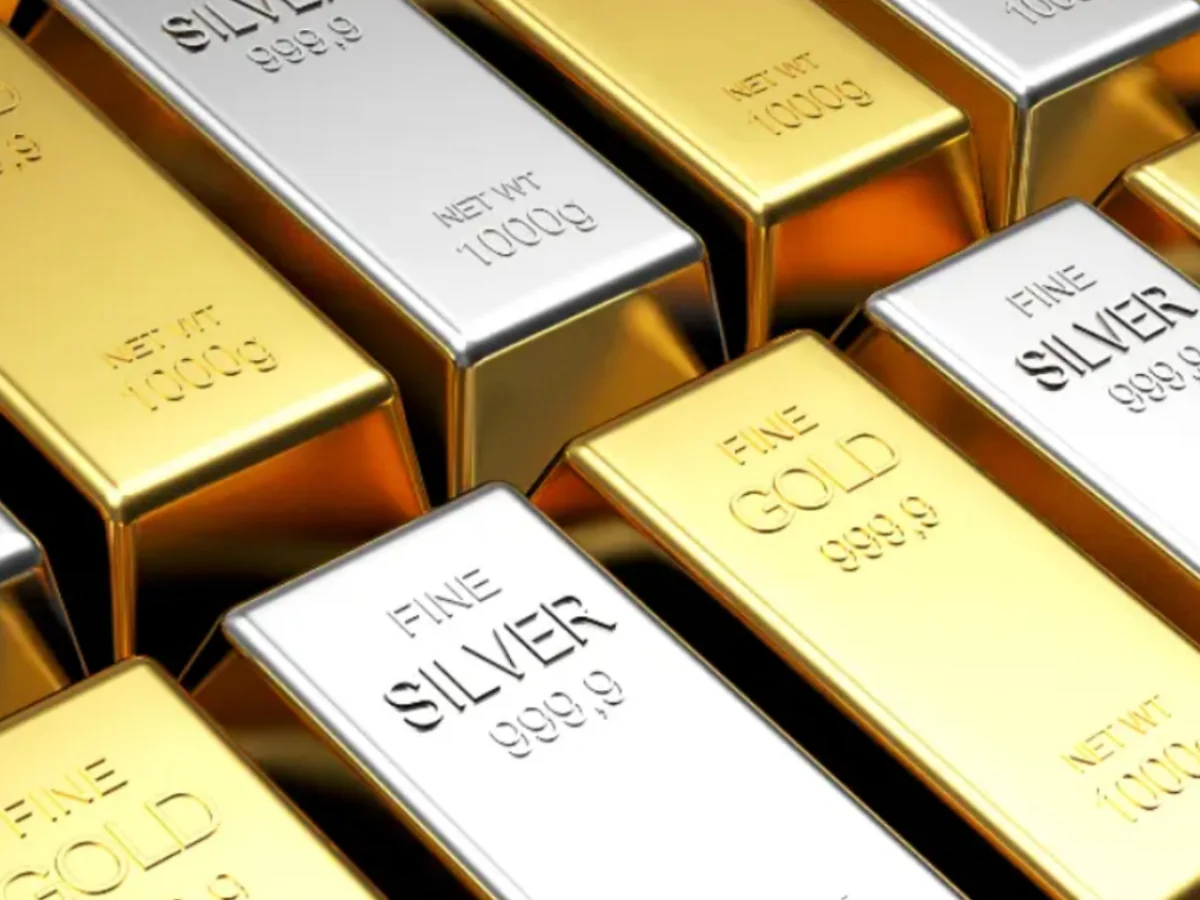
Mumbai, India – August 5, 2026 – India’s vibrant precious metals market continues to demonstrate its inherent volatility, with gold and silver prices on August 5, 2026, reflecting a complex interplay of global economic trends, robust domestic demand, and fluctuating currency valuations. As the nation positions itself for the upcoming festive season, consumers and investors alike are closely monitoring these movements, which have seen a slight upward trajectory for gold and stable, albeit elevated, levels for silver.
The intrinsic appeal of gold as a safe-haven asset and a symbol of wealth remains undiminished, particularly in India where its cultural and economic significance runs deep. Simultaneously, silver, often dubbed "poor man’s gold," is increasingly recognized for its dual role as an investment commodity and a crucial industrial metal. Today’s price adjustments underscore the dynamic nature of these markets, influenced by macro-economic headwinds, central bank policies, and the ever-present pulse of local consumer sentiment.
This detailed breakdown delves into the current valuations of gold and silver across major Indian cities, dissecting the forces at play and offering insights into what these trends signify for the broader financial landscape.
Understanding the Day’s Key Market Drivers (Main Facts)
As of August 5, 2026, the Indian precious metals market exhibits distinct patterns driven by a confluence of international and domestic factors. Gold prices have witnessed a modest uptick, largely propelled by sustained global demand and persistent inflationary pressures that continue to ripple through the world economy. This environment typically bolsters gold’s appeal as a hedge against currency devaluation and economic uncertainty.
For 24-carat gold (999 purity), the national average stands at approximately Rs 14,399 per gram, while 22-carat gold, the preferred choice for jewellery, is priced around Rs 13,199 per gram. These figures represent a significant appreciation compared to previous years, reflecting a long-term bullish trend in the global gold market.
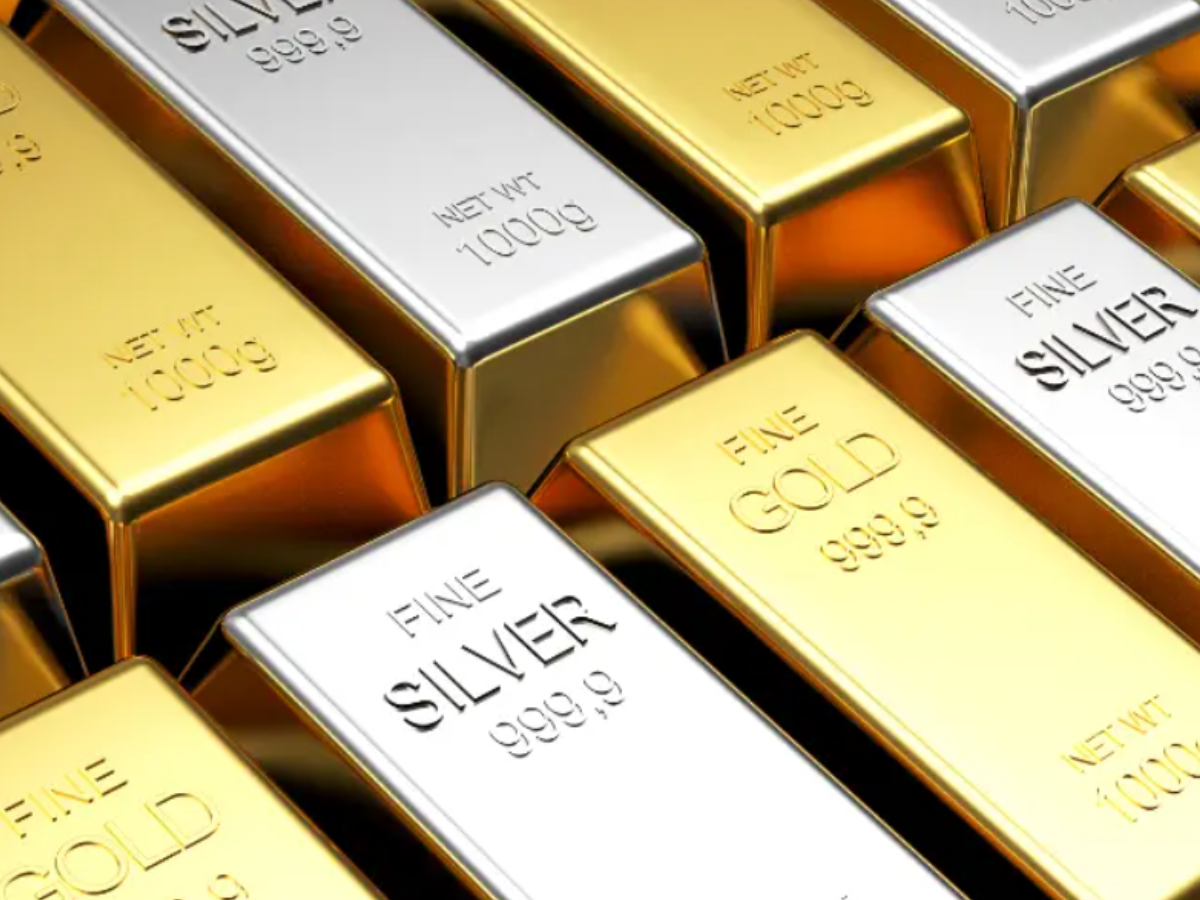)
Silver, on the other hand, maintains a strong valuation, with 999 pure silver hovering around Rs 2,34,900 per kilogram. Sterling silver (925 purity), a popular choice for ornaments and specific industrial applications, is valued at Rs 2,34,000 per kilogram. Silver’s trajectory is notably influenced by its industrial demand, which has seen considerable growth with advancements in green technologies and electronics.
The primary determinants for these valuations include the international benchmark prices set in global exchanges, the exchange rate of the Indian Rupee against the US Dollar, and the ever-present force of domestic demand, particularly as India gears up for a series of auspicious festivals and wedding seasons.
A Look Back: The Journey to August 2026 (Chronology)
The current price levels for gold and silver in India on August 5, 2026, are not isolated figures but rather the culmination of a sustained period of market evolution, shaped by significant global and domestic events over the preceding years. The period leading up to mid-2026 has been characterized by a complex interplay of economic recovery, inflationary spikes, geopolitical tensions, and shifts in monetary policy across major economies.

Following the initial post-pandemic economic rebound, the global economy experienced a surge in inflation, particularly from late 2021 through 2024, driven by supply chain disruptions, elevated energy prices, and robust consumer demand. During this period, central banks worldwide, including the U.S. Federal Reserve and the European Central Bank, embarked on aggressive interest rate hiking cycles to combat rising prices. Initially, higher interest rates put some downward pressure on non-yielding assets like gold. However, as inflation proved more persistent than anticipated, gold’s traditional role as an inflation hedge reasserted itself, leading to a gradual but steady ascent.
By late 2024 and early 2025, while inflation showed signs of moderating in some regions, geopolitical uncertainties, particularly in Eastern Europe and parts of the Middle East, intensified. These tensions fueled safe-haven demand for gold, pushing prices to new highs. Investors sought refuge in the yellow metal amidst concerns over global economic stability and potential market volatility. Simultaneously, major central banks, including the Reserve Bank of India, continued to diversify their reserves by accumulating gold, further supporting its price.
Silver’s journey during this period mirrored gold’s to some extent, benefiting from its safe-haven appeal. However, its trajectory was also significantly bolstered by an accelerating demand from industrial sectors. The global push towards renewable energy, particularly solar power, and the continued expansion of electric vehicles and 5G technology, created a robust appetite for silver, which is a critical component in these applications. This industrial consumption helped silver maintain strong price levels even during periods when gold might have seen minor corrections.
)
Domestically, the Indian market has consistently shown resilience. Despite global fluctuations, Indian demand, primarily driven by cultural traditions, weddings, and festivals, has remained a powerful underlying support for prices. Government policies, including import duties and Goods and Services Tax (GST), have also played a role in shaping local price structures, sometimes creating premiums over international rates. The weakening of the Indian Rupee against the US Dollar in various phases over the past two years has also made imported gold and silver more expensive in local currency terms, contributing to the higher prices observed today. Thus, the current figures on August 5, 2026, are a reflection of both global macro-economic shifts and enduring local market dynamics.
Detailed Market Analysis and Influencing Factors (Supporting Data)
The precious metals market in India is a complex ecosystem, with prices determined by a multitude of factors, each contributing to the daily fluctuations witnessed by consumers and investors.
Gold Prices on August 5, 2026: A Deeper Dive
Today’s gold prices reflect a market grappling with global inflationary pressures and a consistent demand for safe-haven assets. The price of 24K gold (999 pure gold) is Rs 14,399 per gram, while 22K gold (91.67% pure, ideal for jewellery) stands at Rs 13,199 per gram. This distinction is crucial for consumers: 24K is primarily for investment (bullion, coins), offering maximum purity, while 22K is more malleable and durable for intricate jewellery designs.
)
Key Influencing Factors for Gold:
-
International Gold Price: India is a significant importer of gold, meaning global benchmark prices set on exchanges like COMEX (New York) and the London Bullion Market Association (LBMA) directly impact domestic rates. Factors such as global economic growth forecasts, interest rate expectations from major central banks (like the US Federal Reserve), and geopolitical stability or instability significantly sway these international prices. A robust global economy with rising inflation tends to support gold, as investors seek refuge from eroding purchasing power.
-
US Dollar Exchange Rate: There is an inverse relationship between gold prices and the strength of the US Dollar. When the Dollar strengthens, gold becomes more expensive for holders of other currencies, potentially dampening demand. Conversely, a weaker Dollar makes gold more attractive. The INR/USD exchange rate is critical for Indian consumers; a depreciating Rupee makes imported gold more expensive, even if international dollar-denominated prices remain stable or fall slightly. The current INR depreciation over the past year has been a notable contributor to elevated domestic gold prices.
)
-
Domestic Jewellery Demand: India’s cultural affinity for gold is unparalleled. Demand surges during auspicious occasions like Diwali, Akshaya Tritiya, Dhanteras, and the extensive wedding season. Gold is not just an adornment but also a traditional form of wealth storage and transfer. Even with high prices, cultural practices ensure a baseline level of demand, often leading to premiums over international rates. Jewellery purchases, particularly for weddings, are often non-discretionary, providing a floor to demand.
-
Government Policies: Import duties on gold and the Goods and Services Tax (GST) significantly influence local prices. Higher duties aim to curb non-essential imports and manage the current account deficit, but they also directly increase the cost for consumers. Changes in these policies can lead to immediate price adjustments. For instance, any increase in import duties could push prices higher, while a reduction might offer some relief.
-
Investment Demand: Beyond physical gold, instruments like Gold Exchange Traded Funds (ETFs) and Sovereign Gold Bonds (SGBs) have gained traction among Indian investors. These avenues offer exposure to gold prices without the need for physical storage, appealing to a newer generation of investors looking for diversification and inflation hedging. Increased participation in these instruments also contributes to overall market demand.
)
City-Wise Gold Rates (per gram on August 5, 2026):
-
Delhi:
- 24K Gold: Rs 14,414
- 22K Gold: Rs 13,214
(Delhi often sees slightly higher prices due to local taxes and transportation costs, and its status as a major consumption hub in North India.)
-
Mumbai:
)
- 24K Gold: Rs 14,399
- 22K Gold: Rs 13,199
(Mumbai typically serves as a benchmark for national prices due to its role as a primary import and trading hub.)
-
Kolkata:
- 24K Gold: Rs 14,421
- 22K Gold: Rs 13,199
(Kolkata, a significant market in Eastern India, sometimes reflects slight variations based on regional demand and supply dynamics.)
-
Chennai:
- 24K Gold: Rs 14,399
- 22K Gold: Rs 13,199
(Chennai, a key market in South India, often mirrors Mumbai’s rates, particularly for investment-grade gold.)
Silver Prices on August 5, 2026: A Dual Narrative
Silver’s valuation today reflects its dual nature as both a precious metal and an industrial commodity. The price of 999 pure silver is approximately Rs 2,34,900 per kilogram, while Silver 925 (sterling silver) is priced at Rs 2,34,000 per kilogram. While less expensive than gold, silver’s volatility can be higher due to its significant industrial applications.
)
Key Influencing Factors for Silver:
-
Industrial Demand: This is a paramount driver for silver. Its exceptional electrical and thermal conductivity, reflectivity, and antibacterial properties make it indispensable in a wide array of industries.
- Solar Panels: Silver paste is critical in photovoltaic cells. The global push for renewable energy significantly boosts silver demand.
- Electronics: Used in switches, conductors, and various components in consumer electronics, computers, and medical devices.
- Automotive: Increasingly used in electrical systems in conventional and electric vehicles.
- 5G Technology: Essential for new telecommunication infrastructure.
Continued technological advancements and green initiatives globally ensure a robust industrial appetite for silver.
-
Investment Demand: Similar to gold, silver also serves as a safe-haven asset, attracting investors during economic uncertainty. It is often seen as a more accessible entry point into precious metals for smaller investors. Demand for silver coins and bars tends to rise during periods of inflation or market turmoil.
)
-
Global Supply: The majority of silver is produced as a byproduct of mining other metals like copper, lead, and zinc. Fluctuations in the output of these base metals can impact silver supply. Major producing countries include Mexico, Peru, China, and Australia. Disruptions in mining operations or changes in environmental regulations can affect global supply.
-
Currency Movements & Speculation: Like gold, silver is sensitive to the US Dollar’s strength and broader currency movements. Speculative trading on futures markets (like MCX in India) can also induce short-term volatility. Large institutional trades can move the market significantly.
City-Wise Silver Rates (per 10 grams on August 5, 2026):
)
- Delhi: Silver 999: Rs 2,349
- Mumbai: Silver 999: Rs 2,349
- Kolkata: Silver 999: Rs 2,349
- Chennai: Silver 999: Rs 2,349
(Unlike gold, silver prices often show less variation across major Indian cities, largely due to efficient nationwide distribution networks and standardized pricing from major bullion dealers.)
Expert Voices and Market Sentiment (Official Responses)
The current state of India’s precious metals market elicits varied perspectives from industry experts, economists, and market participants. The consensus points towards a continued environment of cautious optimism, underpinned by gold’s safe-haven appeal and silver’s growing industrial utility.
Mr. Rajesh Sharma, a veteran bullion analyst based in Mumbai, commented on the gold market: "The current price levels for gold reflect a sustained global flight to safety, exacerbated by lingering inflation concerns and persistent geopolitical tensions. Investors are clearly valuing gold’s role as a store of value in an uncertain world. Domestically, while prices are high, the inherent cultural demand in India acts as a strong support. We anticipate that demand will remain robust as we approach the festive season, potentially creating a floor for further price corrections."
Regarding silver, Dr. Priya Singh, an economist specializing in commodity markets, highlighted its unique position: "Silver’s dual identity is its greatest strength. While it benefits from the same safe-haven sentiment as gold, its substantial industrial demand, especially from green technologies, provides a powerful independent driver. The global transition towards renewable energy and electric vehicles ensures a sustained and growing appetite for silver, making it an attractive long-term investment. However, its industrial linkage also makes it more susceptible to global economic slowdowns than gold."
)
The All India Gems and Jewellery Domestic Council (AIGJDC) spokesperson indicated that despite the elevated prices, consumer sentiment remains positive. "Indian consumers view gold as an essential asset, not just a luxury. While daily fluctuations are noted, long-term acquisition trends remain strong, especially in rural areas where gold serves as financial security. We are seeing a shift towards lighter jewellery and investment in digital gold, but the fundamental desire to own physical gold persists," stated the spokesperson.
While the Reserve Bank of India (RBI) does not comment on daily price movements, their general stance on monetary policy and currency stability indirectly impacts the precious metals market. A stable rupee and controlled inflation are objectives that, if achieved, can influence the attractiveness of gold as an alternative investment. Any official statements regarding India’s economic outlook or foreign exchange reserves are closely watched by market participants for their potential indirect impact on precious metal valuations.
Future Outlook and Economic Implications (Implications)
The current gold and silver prices on August 5, 2026, carry significant implications for various stakeholders, from individual consumers and investors to the broader Indian economy and global markets.
)
For Consumers and Investors:
- Purchasing Decisions: For consumers looking to buy gold for weddings or festivals, the high prices mean a significant financial outlay. Many might opt for lighter jewellery, smaller denominations of gold coins, or consider alternative investment vehicles like Sovereign Gold Bonds (SGBs) or Gold ETFs, which offer exposure to gold without the need for physical storage or additional making charges.
- Investment Strategy: For investors, gold continues to serve as a crucial portfolio diversifier and a hedge against inflation and currency depreciation. The sustained bull run suggests that precious metals remain a favoured asset class during periods of economic uncertainty. Silver, with its strong industrial demand, offers growth potential alongside its safe-haven attributes, though it comes with higher volatility. Investors are advised to consider their risk appetite and investment horizon before allocating funds to these commodities.
- Long-Term vs. Short-Term: While short-term price movements can be erratic, the long-term trend for precious metals has been upward, especially in the context of global monetary expansion and persistent inflation. This encourages long-term holding strategies for wealth preservation.
For the Indian Economy:
- Current Account Deficit: India is one of the largest importers of gold. Elevated international and domestic prices translate into a higher import bill, which can put pressure on the nation’s current account deficit. This could potentially lead to interventions by the government or RBI, such as adjustments to import duties, to manage the outflow of foreign exchange.
- Inflationary Pressures: High gold prices can be both a symptom and a contributor to inflation. As gold is seen as an inflation hedge, its rising value reflects underlying inflationary expectations. However, it also means that a significant portion of household savings is tied up in a non-productive asset, potentially diverting funds from more productive investments that could stimulate economic growth.
- Rural Economy: Gold plays a pivotal role in India’s rural economy, often serving as collateral for loans or as a primary form of savings for agricultural communities. High prices can enhance the perceived wealth of rural households holding gold but also make it less accessible for new purchases, potentially impacting social customs like dowry.
Global Context:
- Global Economic Health: India’s robust demand for gold and silver, even at elevated prices, underscores the continued strength of its domestic economy relative to some global counterparts. However, the influence of global factors such as interest rate decisions by major central banks (e.g., US Fed), geopolitical events, and the health of the manufacturing sector (for silver) will continue to dictate the international price trajectory, which in turn impacts India.
- Commodity Market Trends: The strong performance of gold and silver in India aligns with broader trends in global commodity markets, where supply chain issues, energy transitions, and geopolitical risks have kept prices for many raw materials firm. India’s market thus acts as a significant barometer for both global demand and local market resilience.
In conclusion, as India moves further into 2026, the precious metals market will remain a critical indicator of economic sentiment. The current high prices of gold and silver are a testament to their enduring value in times of uncertainty and their increasing utility in a technologically advancing world. Navigating these dynamics will require a keen understanding of both global macroeconomics and the unique cultural and investment landscape of India.
