

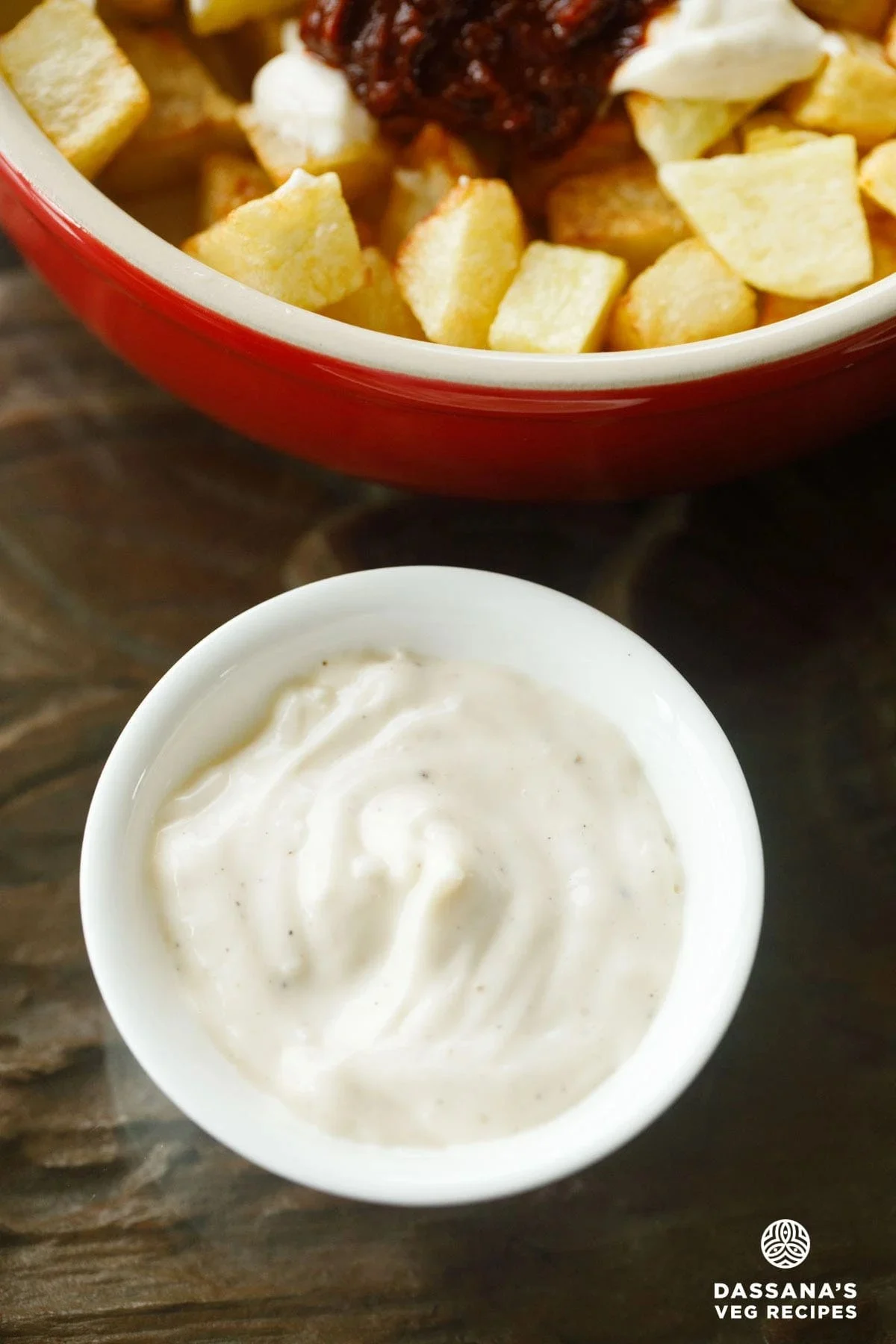
NEW DELHI – In an era where culinary complexity often overshadows the purity of flavor, vegetarian chef and Le Cordon Bleu-trained patissier Dassana Amit has released a definitive guide to a modern kitchen staple: the Garlic Aioli. This latest contribution to the global culinary repertoire seeks to bridge the gap between traditional Mediterranean techniques and the fast-paced requirements of the contemporary home cook.
By reimagining the classic garlic and olive oil emulsion as a mayonnaise-based spread, the recipe addresses a growing consumer demand for "elevated basics"—high-quality, homemade alternatives to store-bought condiments that require no specialized equipment or professional-grade stovetop skills.
Main Facts: Redefining a Mediterranean Classic
Aioli, a cornerstone of Mediterranean cuisine, has historically been a labor-intensive emulsion of garlic and olive oil, often requiring a mortar and pestle and a high degree of physical technique to prevent the sauce from breaking. However, Amit’s newly detailed version prioritizes accessibility and balance, utilizing a high-quality mayonnaise base to achieve the desired lipid structure.

The "Go-To Garlic Aioli" is characterized by four primary components: mayonnaise, fresh garlic, lemon juice, and black pepper. Unlike many commercial variants that rely on artificial flavorings or excessive preservatives, this homemade iteration focuses on the chemical interaction between fresh allicin (from the garlic) and citric acid (from the lemon).
Key features of this culinary release include:
- Accessibility: The recipe requires zero cooking and no electrical equipment, such as blenders or food processors.
- Efficiency: The total preparation time is clocked at under five minutes, excluding a mandatory resting period.
- Flavor Profile: A shift away from the heavy bitterness of extra virgin olive oil in favor of a "balanced" profile that emphasizes the pungency of the garlic and the brightness of fresh citrus.
Chronology: The Transformation of Aioli and the Preparation Process
The history of aioli is as rich as the sauce itself, dating back to Roman times and finding its spiritual home in the Provence region of France and the eastern shores of Spain. To understand the significance of this modern "shortcut" version, one must look at the timeline of its development and the specific chronological steps required to execute it correctly.

The Historical Context
For centuries, allioli (in Catalan) or aïoli (in French) was a test of a chef’s patience. The traditional method involved crushing garlic cloves into a paste and adding olive oil drop by drop until a thick, creamy sauce formed. By the mid-20th century, as mayonnaise became a global pantry staple, chefs began using it as a stabilized base, effectively "cheating" the emulsion process while maintaining the flavor profile. Amit’s version represents the culmination of this evolution—a recipe refined for the 2020s home kitchen.
The Preparation Timeline
According to the technical guidelines provided by Amit, the preparation follows a strict sequence to ensure flavor integration:
- Base Selection: The process begins with the selection of a half-cup of mayonnaise. The chef notes that while homemade mayonnaise is ideal, a high-quality store-bought version is sufficient for the foundation.
- Aromatic Integration: One-half teaspoon of finely minced garlic and one-quarter teaspoon of freshly cracked black pepper are introduced. The choice of "freshly cracked" pepper over pre-ground powder is a specific technical requirement to ensure the volatile oils of the spice are present.
- Acidification: One teaspoon of fresh lemon juice is added. The recipe specifically warns against the use of bottled lemon juice, which often contains preservatives that can alter the pH balance and flavor of the emulsion.
- Homogenization: The ingredients are whisked or stirred until the mixture achieves a smooth, uniform consistency.
- The Infusion Phase (The Resting Period): Perhaps the most critical chronological step is the 10 to 15-minute rest. This is not a passive delay but a chemical necessity, allowing the garlic’s sulfur compounds to permeate the fat molecules of the mayonnaise.
Supporting Data: Nutritional Analysis and Chemical Composition
To understand the dietary impact of the Garlic Aioli, a full nutritional breakdown is essential. In a world increasingly focused on caloric density and macronutrient ratios, the data reveals a sauce that is high in satiety-inducing fats.

Nutritional Breakdown (Per Serving)
Based on a three-serving yield, the nutritional profile is as follows:
- Calories: 242 kcal
- Total Fat: 24g (Saturated Fat: 3g)
- Sodium: 213mg
- Carbohydrates: 3g
- Fiber/Sugar: Negligible (less than 0.1g)
The Science of Flavor
The data suggests that the "balanced garlic flavor" mentioned by Amit is the result of specific ingredient ratios. The use of 1/2 teaspoon of garlic per 1/2 cup of mayonnaise provides a concentrated but not overwhelming pungency. Furthermore, the inclusion of Vitamin C (1mg) and trace amounts of Vitamin K (0.3µg) and Calcium (2mg) highlights the subtle nutritional contributions of fresh lemon and garlic.
The decision to omit extra virgin olive oil—a common addition in many "modern" aioli recipes—is backed by textural data. Mayonnaise already contains a high percentage of oil (usually soybean or canola). Adding more oil can lead to a greasy mouthfeel and can cause the mixture to separate if not whisked with extreme vigor.

Official Responses: Insights from the Chef
Dassana Amit, a professional with over 16 years of experience in vegetarian and continental cooking, provided context on why this specific version of the sauce was developed. As a graduate of Le Cordon Bleu’s plant-based patisserie program, Amit’s approach is rooted in both tradition and technical precision.
"Whenever I need a quick dipping sauce or sandwich spread, this is the garlic aioli I make," Amit stated. "I don’t add extra virgin olive oil to this recipe. Since the mayonnaise already provides a rich and creamy texture, I find it unnecessary and prefer to keep the recipe simple."
The chef also emphasized the importance of the "resting period," a tip often overlooked by amateur cooks. "This gives the garlic time to infuse the mayonnaise and allows the flavors to blend together," she explained. This professional insight highlights the difference between a simple "mix" and a true culinary "infusion."

Amit’s background in "honest, soulful vegetarian cooking" is reflected in the serving suggestions provided alongside the recipe. By pairing the aioli with items like Patatas Bravas, Peri Peri Fries, and Paneer Shawarma, she positions the condiment as a versatile tool for enhancing vegetarian diets, which can sometimes lack the "umami" punch found in meat-based dishes.
Implications: The Future of Home Condiments
The release of this simplified Garlic Aioli has broader implications for the food industry and home cooking trends.
1. The Decline of the "Aisle 4" Condiment
As consumers become more aware of the ingredients in processed foods, there is a distinct shift toward "DIY" condiments. This recipe proves that a gourmet-level sauce can be produced for a fraction of the cost of artisanal bottled versions, with fewer stabilizers and no high-fructose corn syrup.

2. The Versatility of Vegetarian Staples
The aioli serves as a "bridge" condiment. Its application across various cuisines—from Spanish tapas (Patatas Bravas) to Middle Eastern wraps (Falafel and Shawarma) and American classics (Veggie Burgers)—underscores the globalization of flavor. It suggests that the modern pantry is no longer bound by regionality but by the functionality of the ingredients.
3. Health and Portion Control
With 242 calories per serving, the implication for health-conscious consumers is one of moderation. While the sauce provides healthy fats from the oil base and antimicrobial benefits from the garlic, its high caloric density suggests it is intended as an accent rather than a primary component of the meal.
4. Storage and Safety
The professional guidelines also touch upon food safety—an essential consideration for egg-based or mayo-based emulsions. The recommendation to store the sauce in an airtight container for no more than 1 to 2 days reflects a commitment to freshness and microbial safety, an implication that reinforces the "fresh is best" philosophy of modern vegetarian cooking.

In conclusion, Dassana Amit’s Garlic Aioli is more than just a recipe; it is a tactical approach to modern flavor. By stripping away the pretension of traditional techniques while maintaining the integrity of the ingredients, it empowers the home cook to elevate everyday meals into professional-grade culinary experiences. Whether used as a dip for crispy cauliflower or a spread for a toasted baguette, this aioli stands as a testament to the power of simplicity in the kitchen.
