

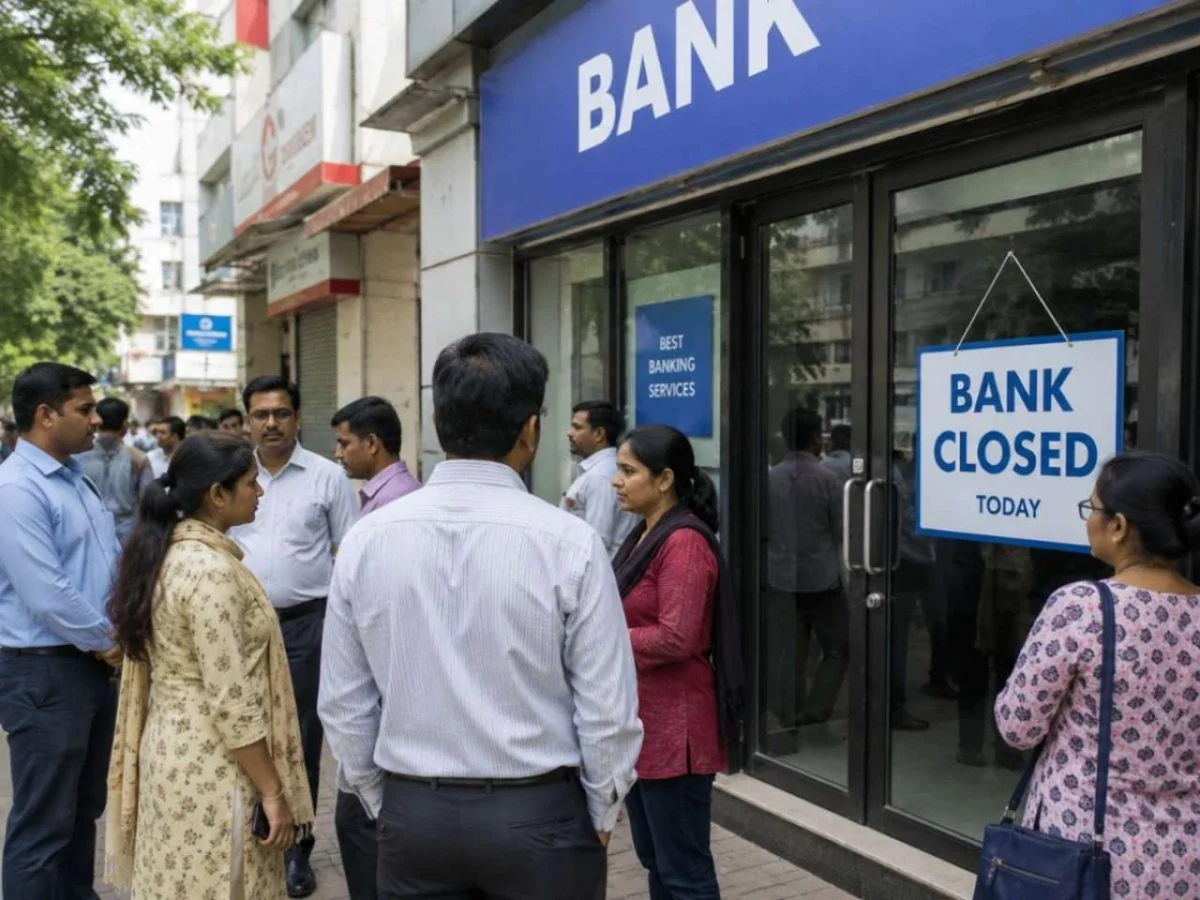
NEW DELHI, India – In a significant announcement that will impact millions of citizens and businesses across India, the Reserve Bank of India (RBI) has released its preliminary holiday calendar for August 2026, indicating that commercial bank branches nationwide will observe closures for up to 14 days. This comprehensive schedule encompasses Sundays, the second and fourth Saturdays, national observances, and a varied roster of regional festivals, necessitating meticulous financial planning for both individuals and enterprises.
While the physical doors of institutions like the State Bank of India (SBI), HDFC Bank, ICICI Bank, Axis Bank, and numerous others will remain shut, the RBI has reassured the public that the robust digital banking ecosystem – including Unified Payments Interface (UPI), Automated Teller Machines (ATMs), and internet banking services – will continue to operate seamlessly, underscoring the nation’s ongoing transition towards a digitally empowered financial landscape.
Main Facts: Unpacking the August 2026 Bank Holiday Schedule
The directive from India’s central banking authority, the Reserve Bank of India, concerning bank holidays for August 2026, lays out a detailed framework for operational closures that will span nearly half the month. This extensive period of non-working days for physical bank branches underscores the multi-faceted nature of India’s holiday calendar, which blends national traditions with regional cultural observances.
The Mandate from RBI
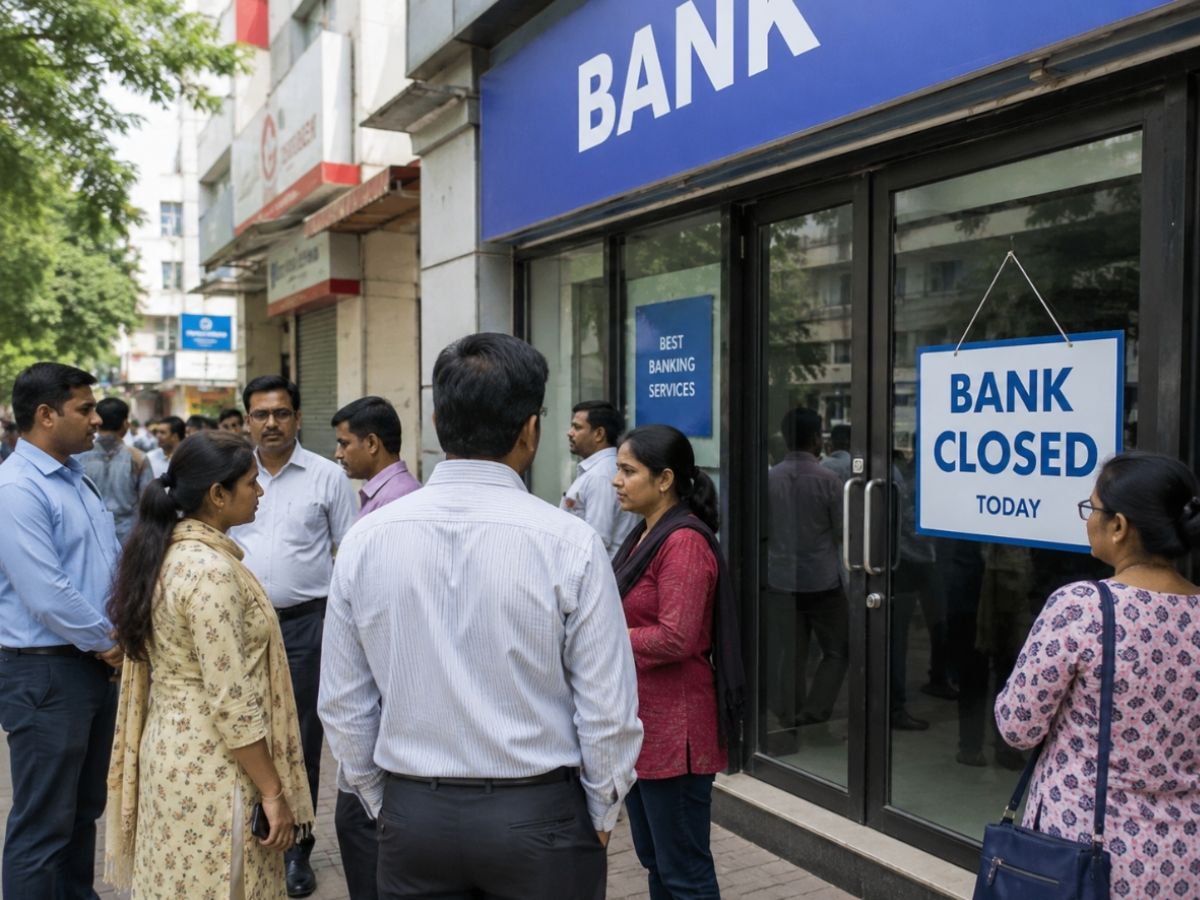
The RBI’s role in declaring bank holidays is paramount to maintaining consistency and order within the financial sector. Acting under the Negotiable Instruments Act, 1881, the central bank outlines days when financial institutions are permitted or required to close. This mandate is not merely an administrative formality; it serves to harmonise operational schedules across the vast and diverse Indian banking landscape, ensuring that all regulated entities adhere to a common framework. The August 2026 notification is a proactive measure, providing ample lead time for banks and their customers to prepare for the impending closures. It reflects the RBI’s commitment to both facilitating financial services and respecting the nation’s cultural and civic calendar.
)
A Fortnight of Branch Closures
The headline figure of "up to 14 days" of bank closures in August 2026 is a striking one, indicating that a significant portion of the month will see a halt in over-the-counter banking services. This figure is a cumulative total, derived from a combination of mandatory weekly offs (Sundays, second and fourth Saturdays), one national holiday (Independence Day on August 15th), and a substantial number of state-specific or regional festival holidays. The exact breakdown of regional holidays will vary by state, meaning that while the total national count could reach 14 days, the specific days of closure will differ from one region to another based on local customs and festivals. This mosaic of holidays reflects India’s rich cultural diversity but also presents a challenge for uniform financial planning.
Digital Banking: A Lifeline Amidst Closures
Crucially, the RBI’s announcement explicitly highlights the uninterrupted availability of digital banking services. In an era where digital transactions have become the backbone of daily financial activities, this assurance is vital. Services such as UPI, which facilitates instant peer-to-peer and person-to-merchant payments; ATMs, providing essential cash access; and comprehensive online banking platforms, enabling a wide array of transactions from fund transfers to bill payments, will all remain fully operational. This continuity ensures that while physical access to branches may be restricted, the fundamental flow of money and access to critical financial tools will not be hampered, reinforcing the resilience and adaptability of India’s modern banking infrastructure.

Key Services Impacted
The closure of physical bank branches directly impacts services that necessitate human intervention or the physical presence of customers. These include cash deposits and withdrawals over the counter, cheque clearance processes that rely on manual sorting and verification, and access to safety deposit lockers. Businesses relying on large cash transactions or urgent cheque clearances will need to adjust their operational calendars accordingly. Similarly, individuals planning to access their lockers or conduct complex, in-person financial consultations will find these services unavailable during the specified holiday periods. The advisory from the RBI implicitly urges customers to complete such branch-dependent tasks well in advance to avoid last-minute complications.
Who is Affected?
The impact of these closures extends across the entire spectrum of India’s financial ecosystem. From the largest public sector banks like SBI to major private players such as HDFC Bank, ICICI Bank, and Axis Bank, all regulated commercial banks will observe these holidays. This means that individuals, small and medium-sized enterprises (SMEs), large corporations, and even governmental entities conducting financial transactions will need to factor these non-working days into their schedules. The widespread nature of these closures underscores the need for universal awareness and proactive planning to mitigate any potential disruptions to personal finance management and business operations.
)
Chronology: A Deeper Look into the August 2026 Calendar
Understanding the specific days that constitute the "up to 14 days" of bank holidays in August 2026 requires a detailed look at the calendar, factoring in fixed weekly offs, national observances, and the anticipated regional festivals. The confluence of these various types of holidays often leads to extended long weekends, further impacting the availability of physical banking services.
The Regular Weekly Offs: Sundays and Saturdays
The foundation of India’s bank holiday schedule rests on the fixed weekly offs. In August 2026, these will account for a significant portion of the total closure days.
Based on the calendar, August 1st, 2026, falls on a Saturday. This provides the following weekly off structure:
)
- Sundays: August 2nd, August 9th, August 16th, August 23rd, and August 30th. This accounts for 5 days of closure.
- Second Saturday: August 8th. This adds 1 day of closure.
- Fourth Saturday: August 22nd. This adds another 1 day of closure.
Cumulatively, these mandatory weekly offs total 7 days during August 2026, meaning that for at least seven days, all bank branches nationwide will remain closed, irrespective of any other holidays.
National Observances: Independence Day
India celebrates its Independence Day annually on August 15th. In August 2026, August 15th falls on a Saturday. While Independence Day is a national holiday, its occurrence on a Saturday means it overlaps with a regular weekly off. Therefore, it does not add an additional day to the total number of bank holidays beyond the already accounted-for Saturday closure. However, it is a significant day of national importance, and its status as a holiday remains, albeit without adding a unique closure day in this specific calendar configuration. Had August 15th fallen on a weekday, it would have contributed an eighth distinct day to the national holiday count.
Regional Festivals: A Mosaic of Celebrations
To reach the figure of "up to 14 days" of closures, approximately seven additional regional holidays are anticipated throughout August 2026. India’s cultural fabric is incredibly diverse, leading to a vibrant calendar of state-specific and local festivals. While the exact dates and specific festivals for August 2026 will be officially announced by the RBI in due course, based on historical patterns, August often hosts several major religious and cultural observances. These could include:
)
- Raksha Bandhan: A significant Hindu festival celebrating the bond between siblings, often observed with great fervor across many states.
- Janmashtami: The birth anniversary of Lord Krishna, a widely celebrated Hindu festival with varying dates depending on regional calendars, but frequently falling in August or early September.
- Onam: A prominent harvest festival primarily celebrated in Kerala, often extending over several days, with one or two days typically declared as bank holidays within the state.
- Ganesh Chaturthi: The Hindu festival celebrating the birth of Lord Ganesha, while sometimes falling in late August, often extends into early September, depending on the lunar calendar. If it falls in August, it would add a significant holiday in states like Maharashtra and Goa.
- Other Local Festivals: Beyond these major observances, various states may have specific regional holidays commemorating local saints, historical events, or harvest festivals unique to their culture. For instance, some states might observe holidays for indigenous tribal festivals or local patron deities.
These regional holidays are declared by respective state governments and subsequently adopted by the RBI for banks operating within those states. This means that a bank branch in Kerala might be closed for Onam, while a branch in Maharashtra observes Ganesh Chaturthi, and a branch in Uttar Pradesh might close for Raksha Bandhan, all potentially on different days, contributing to the cumulative "up to 14 days" total nationwide.
The Compounded Effect: Long Weekends
The strategic placement of some of these holidays, particularly regional ones, can often lead to extended long weekends when they fall adjacent to a Saturday or Sunday. For example, if a regional festival falls on a Friday or Monday, it would create a three-day continuous bank holiday. If two holidays occur in the same week, it could further compound the non-working days. While convenient for those seeking leisure, these long weekends require extra vigilance for individuals and businesses to ensure financial tasks are completed before the onset of the extended closures. Such occurrences highlight the importance of the RBI’s advance notification, enabling stakeholders to plan effectively for potential multi-day interruptions in branch services.
)
Supporting Data: The Broader Context of India’s Banking System
The announcement of extensive bank holidays in August 2026 is not an isolated event but rather a recurring feature within India’s dynamic banking landscape. To fully appreciate its implications, it’s essential to contextualize it within the broader framework of the Reserve Bank of India’s regulatory role, the historical evolution of bank holidays, and the transformative impact of digital banking.
The Role of the Reserve Bank of India (RBI)
As the central bank of India, the RBI holds the pivotal responsibility for regulating the country’s monetary policy, overseeing the banking sector, and ensuring financial stability. One of its statutory functions includes declaring bank holidays under the Negotiable Instruments Act, 1881. This legislative framework empowers the RBI to designate specific days as non-working days for banks. These declarations are crucial for several reasons: they provide clarity to financial institutions, ensure uniformity in operational schedules, and allow banks to align their activities with national and regional observances. The RBI’s holiday calendar is meticulously planned, taking into account public holidays, religious festivals, and other significant events, striving for a balance between operational efficiency and societal needs. The advance notification for August 2026 is a testament to this structured approach, giving banks and the public ample time to prepare.
)
Evolution of Bank Holidays in India
The concept of bank holidays in India has evolved significantly, mirroring the country’s economic and social development. Historically, bank holidays were primarily driven by colonial practices and a limited number of national festivals. With independence and the subsequent growth of the Indian economy, the holiday calendar expanded to include a wider array of regional and religious festivals, reflecting India’s diverse cultural tapestry. In earlier decades, before the advent of widespread digital banking, bank holidays caused substantial disruptions, as most transactions were branch-dependent. Customers would queue up for cash withdrawals or cheque deposits, leading to a rush before and after holidays. The current system, while still observing these traditional holidays, benefits immensely from technological advancements that mitigate the operational impact, shifting the focus from complete financial paralysis to managing specific branch-dependent services.
The Digital Transformation of Banking
Perhaps the most significant factor mitigating the impact of physical bank closures is the profound digital transformation witnessed in the Indian banking sector over the past decade. India has emerged as a global leader in digital payments, driven by initiatives like the Unified Payments Interface (UPI).
)
- UPI: Launched in 2016, UPI has revolutionised retail payments, allowing instant, real-time fund transfers 24/7, irrespective of bank holidays. By 2023, UPI transactions had soared, processing billions of transactions monthly, far surpassing traditional payment methods. Its ubiquity means that daily financial needs – from grocery shopping to bill payments – remain unaffected by branch closures.
- ATMs: Automated Teller Machines have been a cornerstone of self-service banking for decades, providing cash withdrawal, balance inquiry, and sometimes even deposit functionalities round the clock. While less advanced than UPI, ATMs remain critical for cash-dependent transactions and offer a vital alternative during holidays. India boasts a vast network of ATMs, ensuring access even in remote areas.
- Online Banking & Mobile Banking Apps: Nearly every commercial bank in India offers comprehensive online and mobile banking platforms. These platforms allow customers to perform a wide range of services, including fund transfers (NEFT, RTGS, IMPS), bill payments, fixed deposit creations, loan applications, and managing investments, all from the convenience of their homes. The penetration of smartphones and internet connectivity has further accelerated the adoption of these services.
This robust digital infrastructure ensures that the economy continues to function, even when physical branches are inaccessible. The "up to 14 days" of closures in August 2026 serves as a powerful reminder of how dependent the Indian financial system has become on its digital backbone.
Economic Impact of Bank Holidays
The economic impact of bank holidays is a complex issue. On one hand, extended closures of physical branches can lead to minor slowdowns in specific economic activities, particularly those heavily reliant on cash transactions, cheque clearances, or large-value interbank transfers that historically required manual processing. Businesses might face delays in payroll processing, vendor payments, or trade finance if they are not fully integrated into digital payment systems. On the other hand, the widespread adoption of digital banking significantly cushions this impact. The uninterrupted flow of digital transactions ensures that the majority of economic activities, especially in the retail and service sectors, can continue largely unimpeded. Furthermore, holidays contribute to employee well-being and productivity, offering periods of rest and rejuvenation. The RBI’s careful scheduling aims to minimise negative economic repercussions while respecting the cultural and social aspects of national life. Analysts generally agree that with India’s advanced digital payment infrastructure, the overall macroeconomic impact of these holidays is now marginal compared to previous decades.
Official Responses: RBI’s Stance and Bank Communications
The announcement of extensive bank holidays in August 2026 elicits a multi-pronged response from key stakeholders in India’s financial ecosystem. The Reserve Bank of India, as the primary regulator, articulates its rationale, while commercial banks strategize their communication and operational plans. The government, too, maintains a watchful brief over financial continuity.
)
RBI’s Rationale for Holiday Declarations
The Reserve Bank of India’s approach to declaring bank holidays is rooted in a blend of statutory requirements, historical precedent, and a pragmatic understanding of the nation’s diverse socio-cultural fabric. The primary rationale behind these declarations includes:
- Compliance with Legal Frameworks: The RBI operates under the provisions of the Negotiable Instruments Act, 1881, which legally empowers it to declare holidays for banks. This ensures a consistent legal basis for operational closures across all regulated entities.
- Respecting National and Regional Sentiments: India is a land of myriad festivals and observances. Declaring holidays for these events acknowledges and respects the cultural, religious, and historical significance that these days hold for different communities across various states. It ensures that bank employees, like other citizens, can participate in these celebrations.
- Employee Well-being: Like any other sector, banking employees require designated days off for rest and personal commitments. Weekly offs and public holidays contribute to employee welfare, potentially leading to improved productivity and morale.
- Operational Harmony: By issuing a consolidated holiday calendar, the RBI ensures that all banks, irrespective of their size or ownership (public, private, foreign), operate on a uniform schedule within a given region. This prevents confusion and ensures predictable service availability.
- Strategic Planning: The advance notification, such as for August 2026, allows banks to plan their workforce, liquidity management, and IT infrastructure maintenance schedules well in advance, minimizing disruption. It also enables customers to adjust their financial activities.
The RBI’s communications typically emphasize the continuity of digital services, reinforcing its strategy to steer India towards a less cash-dependent and more digitally integrated economy. The official statements often serve as a reminder to the public about the robustness of the digital payment infrastructure.
)
Commercial Banks’ Preparedness and Communication Strategies
Upon the RBI’s holiday declarations, commercial banks like SBI, HDFC, ICICI, and Axis Bank initiate their internal preparedness and external communication strategies.
- Internal Operations: Banks undertake detailed planning for liquidity management, especially for ATMs, ensuring sufficient cash replenishment before long weekends. They also schedule maintenance for their IT systems and digital platforms during these non-peak hours, ensuring minimal service disruption. Workforce management is also key, with skeleton staff sometimes required for critical backend operations.
- Customer Communication: Proactive communication is a cornerstone of banks’ strategies. They use multiple channels to inform customers about upcoming holidays:
- Website and Mobile Apps: Dedicated sections on their official websites and in-app notifications provide the full holiday list.
- SMS and Email Alerts: Customers registered for alerts often receive reminders about upcoming bank holidays, especially those leading to long weekends.
- Branch Notices: Physical notices are often displayed at branch premises, informing visitors about closure dates.
- Social Media: Banks leverage platforms like X (formerly Twitter) and Facebook to disseminate holiday information and answer customer queries.
The objective is to empower customers with information, enabling them to plan their branch visits and financial transactions accordingly, thereby reducing frustration and preventing last-minute rushes. Banks also frequently highlight the availability and benefits of their digital services during these periods.
Government’s Perspective on Financial Continuity
The Indian government, through the Ministry of Finance, closely monitors the functioning of the banking sector, particularly concerning public convenience and economic stability. While the RBI manages the holiday calendar, the government’s interest lies in ensuring that financial services remain accessible and that economic activities are not unduly hampered.
The government’s perspective largely aligns with the RBI’s emphasis on digital continuity. Policy initiatives like "Digital India" and the promotion of cashless transactions are central to the government’s vision. Therefore, any communication from government officials regarding bank holidays usually reinforces the message that modern banking extends far beyond physical branches. They often laud the resilience of India’s digital payment systems, highlighting how these platforms effectively cushion the impact of physical closures on daily economic life. There is a strong push to ensure that essential services, particularly those related to government subsidies, pension disbursements, and tax payments, can proceed without interruption, relying heavily on direct benefit transfers (DBT) and online payment portals. This collective stance from the government and RBI underlines a unified approach to managing financial services during holiday periods, prioritizing digital access and continuity.
)
Implications: Navigating the Extended Closures
The prospect of up to 14 days of bank branch closures in August 2026 carries significant implications for various stakeholders, necessitating careful planning and adaptation. From individual customers managing their household finances to large corporations overseeing complex transactions, understanding these implications is key to navigating the month smoothly.
For Individual Customers: Planning Personal Finances
For the average individual, the extended bank holidays primarily mean a temporary halt to services that require a physical visit to a branch. This includes:
)
- Cash Needs: While ATMs will be operational, individuals who rely heavily on cash or require large sums may need to withdraw money in advance. The risk of ATMs running out of cash, though mitigated by banks’ proactive replenishment efforts, always exists during prolonged holidays.
- Cheque Operations: Depositing cheques, especially those for urgent payments or large amounts, will be delayed. Individuals expecting cheque clearances should factor in the non-working days. For instance, a cheque deposited just before a long weekend might only clear several days later.
- Locker Access: Access to safety deposit lockers will be unavailable. Those needing to access important documents or valuables should plan their visits before or after the holiday periods.
- In-Person Consultations: Any personal banking needs requiring face-to-face interaction with bank staff, such as opening new accounts, applying for loans, or resolving complex issues, will be postponed.
The primary advice for individuals is to embrace digital banking fully. Setting up standing instructions for recurring bill payments, using UPI for daily transactions, and utilizing mobile/internet banking for fund transfers can ensure financial continuity. Planning ahead for cash requirements and any branch-dependent tasks is paramount to avoid last-minute stress.
For Businesses and SMEs: Ensuring Operational Flow
Small and Medium-sized Enterprises (SMEs) and larger businesses often face more complex challenges during extended bank holidays due to their intricate financial operations:
- Payroll Processing: Businesses need to ensure that employee salaries are disbursed on time, particularly if they rely on traditional cheque payments or bulk transfers that require bank processing. Digital payroll solutions and advance scheduling of NEFT/RTGS transfers are critical.
- Vendor Payments: Delays in vendor payments can strain business relationships and disrupt supply chains. Businesses must schedule payments in advance, utilizing online payment gateways or real-time digital transfer methods.
- Cash Management: Businesses dealing heavily in cash, such as retail outlets or hospitality services, will need to manage their cash reserves carefully, planning for deposits and withdrawals, and ensuring secure storage during non-banking days.
- Trade and International Finance: While international wire transfers (SWIFT) operate independently of Indian bank holidays, the local processing of these transactions by Indian banks will be affected. Businesses involved in import/export or cross-border trade need to account for these delays in their transaction timelines.
- Loan Disbursements and Credit Facilities: New loan disbursements or access to certain credit facilities might be delayed if they require manual processing or branch approval.
To mitigate these implications, businesses are strongly encouraged to:- Automate Payments: Transition to automated online payment systems for salaries, vendor payments, and recurring expenses.
- Utilize Digital Platforms: Leverage corporate internet banking portals for bulk transactions, real-time fund transfers, and financial reporting.
- Maintain Adequate Liquidity: Ensure sufficient working capital and cash reserves to cover operational expenses during periods of limited bank access.
- Communicate with Stakeholders: Inform employees, vendors, and clients about potential payment delays or changes in operational schedules due to holidays.
For the Economy: A Test of Digital Resilience
At a broader economic level, the August 2026 bank holidays serve as a significant test of India’s digital resilience. While the physical closure of branches might historically have implied a slowdown, the current economic landscape, heavily reliant on digital transactions, suggests a different outcome.
)
- Continuity of Commerce: The uninterrupted operation of UPI, ATMs, and online banking ensures that daily commerce, from retail purchases to essential service payments, can continue largely unhindered. This prevents a significant dip in consumption or economic activity that might have occurred in a less digitally advanced era.
- Reinforcement of Digital Adoption: Such extended holiday periods often act as catalysts, pushing more individuals and businesses to adopt and rely on digital payment methods, further accelerating India’s transition towards a cashless economy.
- Focus on Infrastructure: The holidays highlight the critical importance of robust digital infrastructure. Any glitches or downtime in digital platforms during these periods could have amplified effects, underscoring the need for continuous investment in secure and scalable digital banking systems.
Overall, the implications for the Indian economy are largely positive in terms of demonstrating resilience and promoting digital adoption. However, it also underscores the digital divide, as communities or businesses with limited access to digital tools might still face challenges.
The Future of Banking: Less Dependent on Physical Branches
The recurring pattern of extensive bank holidays, coupled with the unwavering performance of digital services, strongly suggests a future where banking is progressively less dependent on physical branches. This trend is already evident globally, with many banks reducing their branch footprint. In India, while branches still play a vital role, especially in rural areas and for complex financial products, their transactional utility is diminishing. The August 2026 holidays serve as another proof point for this evolution, nudging customers and banks alike towards a more digital-first approach. This shift could lead to banks reimagining their branch networks, transforming them into advisory centers rather than transaction hubs, and investing more heavily in artificial intelligence (AI) and machine learning (ML) powered customer service for their digital platforms.
Conclusion: Embracing a Digitally Empowered Financial Future
The announcement of up to 14 days of bank branch closures in August 2026 by the Reserve Bank of India, while seemingly disruptive, ultimately underscores India’s remarkable progress in building a resilient and digitally advanced financial ecosystem. What once might have brought a significant portion of economic activity to a halt, now serves as a testament to the robust infrastructure of UPI, ATMs, and online banking platforms, which promise uninterrupted financial services.
)
For individuals and businesses, the upcoming holiday schedule is a clear call to action: embrace digital banking fully and proactively plan for any tasks requiring physical branch interaction. From managing daily expenses and bill payments to processing payrolls and vendor payments, the digital avenues provide reliable and efficient solutions. The recurring nature of such holiday schedules, a blend of national traditions and regional festivities, continually reinforces the necessity of adapting to a financial landscape where physical presence is increasingly optional for routine transactions.
The RBI’s forward-looking approach in issuing such calendars well in advance is commendable, empowering stakeholders with the necessary information to navigate these periods effectively. As India marches towards its economic aspirations, the seamless functioning of its financial system, even amidst extensive physical closures, highlights a nation confidently steering towards a digitally empowered and financially inclusive future. The August 2026 holidays, therefore, are not just days off for banks, but a significant indicator of the evolving paradigm of banking in India – one that is agile, accessible, and increasingly digital.
