

New Delhi, India – In a significant move underscoring the escalating scrutiny of global technology giants, the Indian government has formally summoned senior representatives from Meta Platforms Inc., the parent company of Facebook and WhatsApp. The summons comes in the wake of a recent incident where a video message from Prime Minister Narendra Modi was briefly removed from Facebook, alongside broader "issues flagged by authorities" concerning Meta’s operational and policy frameworks in India.
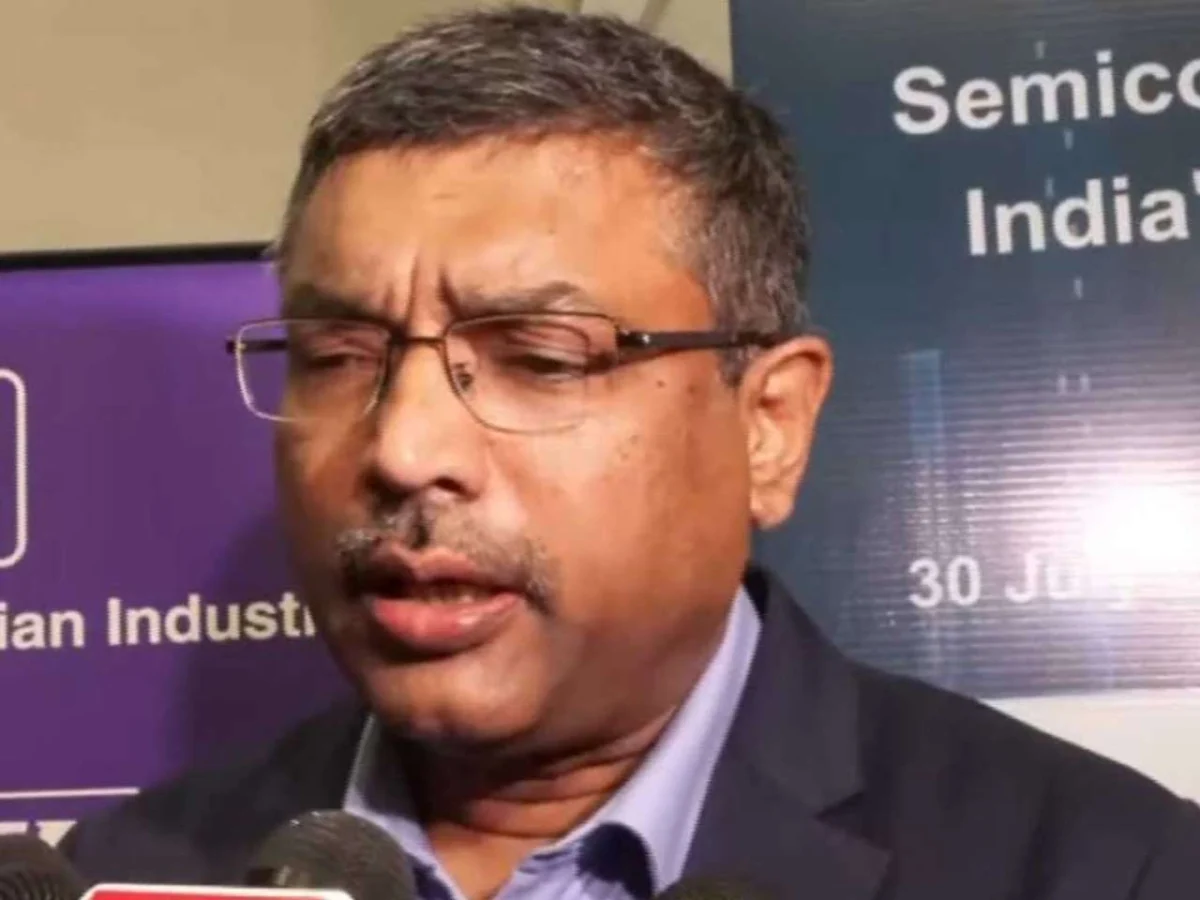
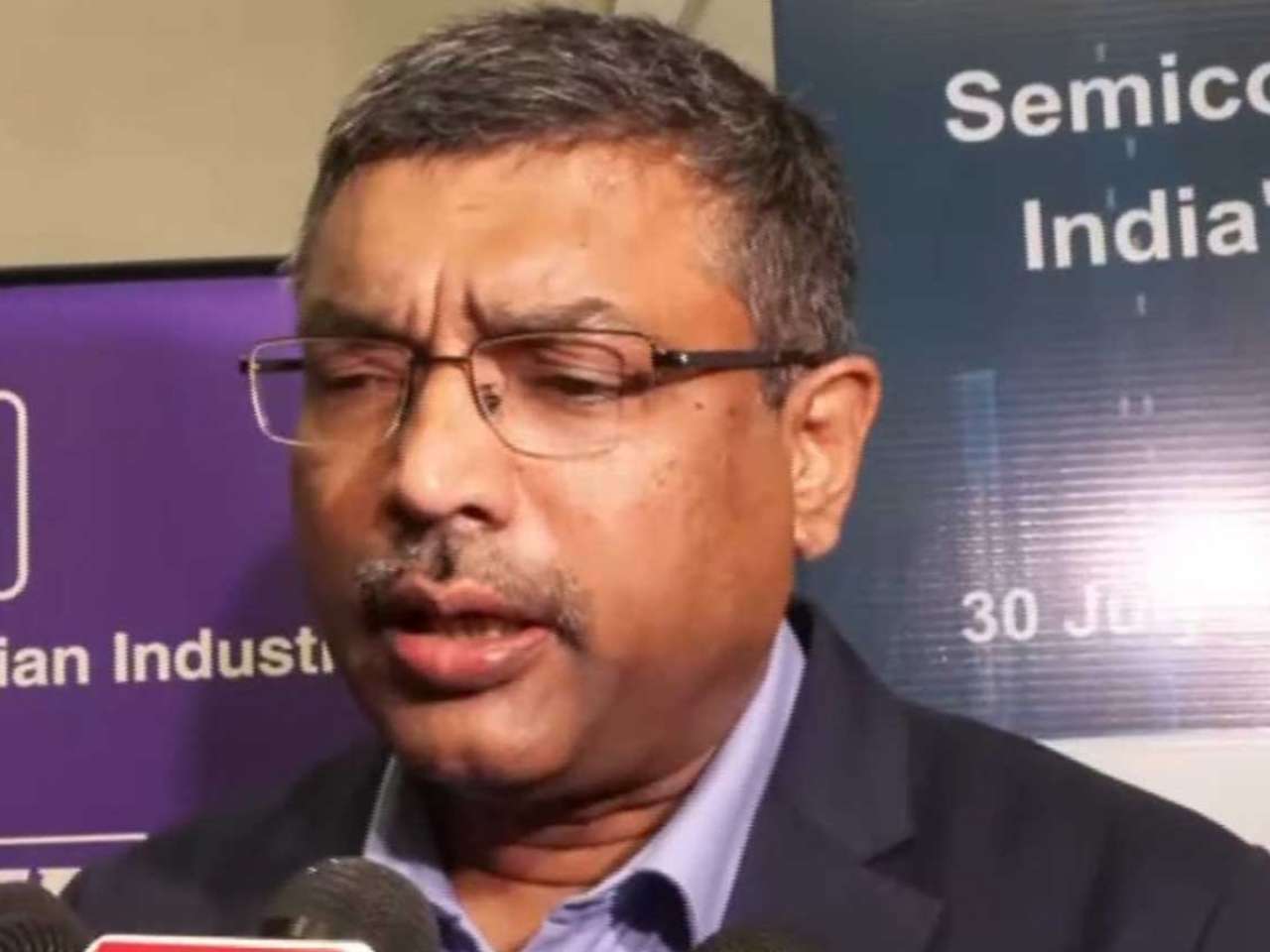
S. Krishnan, Secretary of the Ministry of Electronics and Information Technology (MeitY), confirmed on Thursday that the government has demanded Meta’s "senior-most representatives" appear to provide comprehensive explanations at both policy and technical levels. This directive signals a firm stance from New Delhi, insisting on greater accountability and transparency from platforms that command immense influence within India’s vast digital ecosystem.
Meta has reportedly agreed to comply with the government’s request, expressing regret over the incident involving the Prime Minister’s video and offering its understanding of the underlying reasons. The company has also informed the government that it implemented new protocols as of July 28, specifically designed to prevent the recurrence of such issues concerning accounts of prominent public figures.
Main Facts: A High-Stakes Confrontation
The core of the matter revolves around a series of concerns articulated by the Indian government regarding Meta’s operations. While the brief removal of Prime Minister Modi’s Facebook video served as the immediate trigger, MeitY Secretary S. Krishnan indicated that the government’s review extends to a wider array of "issues" that require clarification on both policy and technical fronts.
)
Krishnan explicitly stated that the government seeks to understand "what is happening and why the kind of issues that we see…" are occurring, emphasizing a dual focus on Meta’s internal policies and the technical mechanisms that govern content moderation and platform functionality. This holistic approach suggests that New Delhi is not merely interested in a singular incident but in the systemic safeguards and operational transparency of Meta’s platforms.
The government’s demand for Meta’s "highest level" representatives underscores the seriousness with which this matter is being treated. It reflects an expectation that decisions and explanations must come from individuals with the authority to enact systemic changes, rather than merely addressing symptoms. The timeline for Meta’s appearance has been set for "within the next week, ten days," indicating an urgent desire for resolution and clarity.

Further adding to the scope of the government’s concerns, Krishnan also mentioned the "WhatsApp username issue," hinting at ongoing discussions or grievances related to user identity and privacy features on the popular messaging platform. This broader scope highlights a persistent regulatory push from India to ensure that global tech platforms align their practices with national laws and user expectations.
Meta’s response, characterized by an expression of regret and the swift implementation of "new protocols relating to accounts of prominent persons," suggests an acknowledgment of the gravity of the situation and a proactive attempt to de-escalate tensions. However, the government’s insistence on a face-to-face explanation indicates that these initial gestures are seen as a starting point, not a conclusive resolution.
)
Chronology of Events: From Viral Video to Government Summons
The current diplomatic-technological entanglement has unfolded rapidly, tracing its origins back to a politically charged video and culminating in a direct government intervention.
-
July 23, 2026: Prime Minister Narendra Modi releases a video addressing the nation. The content focuses on actions being taken against examination paper leaks, a topic of significant public concern. This video marked his "first direct address to Gen Z" amidst widespread student agitation. The agitation was led by the Cockroach Janta Party (CJP) and centered on alleged irregularities in the NEET-UG 2026 examination, making the video politically sensitive and highly relevant to a young demographic.
)
-
Early Hours of July 28, 2026: Access to Prime Minister Modi’s video on Facebook is briefly restricted. For a period, the video becomes unavailable to users, sparking immediate concern and questions regarding its removal.
-
Later on July 28, 2026: The video is restored on Facebook. A Meta spokesperson issues a statement acknowledging the error, saying, "The content was removed in error and has since been restored." This swift restoration and public admission of a mistake aimed to mitigate the fallout.
)
-
July 28, 2026 (Concurrent Action): Meta informs the Indian government that, as of this date, it has established "new protocols concerning accounts of prominent persons." These protocols are specifically designed "to prevent a recurrence of such incidents," indicating that Meta recognized the sensitivity of the Prime Minister’s account and the potential for similar issues with other high-profile individuals.
-
Thursday (Date of MeitY Secretary’s Statement): S. Krishnan, Secretary of MeitY, speaks to ANI, confirming the government’s formal summons to Meta. He reveals that Meta has agreed to appear, has expressed regret, and has shared its understanding of why the incident occurred. Krishnan outlines the government’s demand for high-level representation and detailed explanations on both policy and technical aspects. He also mentions the government’s ongoing examination of related issues, including the "WhatsApp username issue," and that they have sought views from "a number of the platforms, messaging platforms."
)
-
Within the Next Week to Ten Days: Meta’s senior representatives are expected to appear before the Indian government to provide the requested explanations and engage in detailed discussions regarding the flagged issues.
This timeline reveals a rapid government response to an incident perceived as highly sensitive, coupled with a proactive (or reactive) move by Meta to address the core problem and assuage concerns.
)
Supporting Data and Context: India’s Digital Arena and Regulatory Landscape
To fully appreciate the significance of this summons, it’s crucial to understand India’s unique position in the global digital landscape and its evolving regulatory environment.
India: A Critical Market for Meta:
India represents Meta’s largest market by user base for platforms like Facebook and WhatsApp. With hundreds of millions of users, India is not just a growth engine but a crucial testbed for Meta’s products and business models.
)
- WhatsApp: India boasts the largest user base for WhatsApp globally, with estimates ranging well over 500 million users. Its pervasive adoption has made it an indispensable tool for communication, business, and even public discourse.
- Facebook: Despite emerging competition, Facebook continues to hold a dominant position, especially among older demographics and in semi-urban and rural areas.
- Instagram: Also a Meta property, Instagram has seen explosive growth among India’s youth, further cementing Meta’s multifaceted presence.
This immense user base translates into significant economic and social influence, making Meta’s actions and policies directly impactful on Indian society. Consequently, the Indian government views these platforms not merely as private entities but as public utilities with immense responsibilities.
The Evolving Regulatory Framework:
India has been increasingly assertive in its regulation of global tech companies. The government’s actions are part of a broader strategy to establish digital sovereignty and ensure that platforms operating within its borders adhere to national laws and ethos.
)
- Information Technology (Intermediary Guidelines and Digital Media Ethics Code) Rules, 2021 (IT Rules 2021): These rules mandate greater accountability from social media intermediaries, requiring them to appoint resident grievance officers, publish monthly compliance reports, and remove objectionable content within specified timelines. The government’s current summons aligns with the spirit of these rules, pushing for greater transparency and responsiveness.
- The Upcoming Digital India Act (DIA): The DIA is poised to replace the two-decades-old IT Act, 2000, and is expected to introduce a comprehensive framework for regulating the digital space, including provisions for data protection, content moderation, competition, and cybersecurity. This incident could very well influence the specific clauses and the enforcement mechanisms within the DIA, especially concerning platforms’ obligations to public figures and government communications.
- Data Protection Bill: India is also in the process of enacting robust data protection legislation, which will further define how tech companies handle user data and ensure privacy. While not directly related to content moderation, it forms part of the larger regulatory push.
Previous Tensions and the Push for Accountability:
This is not an isolated incident. India has a history of friction with global tech giants over content moderation, data privacy, and compliance with local laws.
- Twitter Controversy: In previous years, the Indian government had notable run-ins with Twitter (now X) over content related to farmer protests, leading to temporary blockades and demands for compliance.
- WhatsApp Privacy Policy: WhatsApp’s controversial privacy policy update in 2021 led to a significant public outcry and legal challenges in India, with the government expressing strong reservations about its implications for user data.
These precedents indicate a clear pattern: the Indian government is increasingly willing to use its regulatory muscle to compel tech companies to align with its policy objectives. The brief removal of the Prime Minister’s video, therefore, transcends a mere "technical glitch" and becomes a symbolic point of contention in this larger regulatory narrative.
)
The "WhatsApp Username Issue":
While specific details remain scant, the mention of the "WhatsApp username issue" by Secretary Krishnan suggests broader concerns beyond content moderation on Facebook. This could potentially relate to:
- User Identity and Anonymity: Debates around traceability of messages, especially in the context of misinformation or unlawful activities, have been ongoing. Governments often seek mechanisms to identify originators of problematic content.
- New Features and Compliance: WhatsApp frequently rolls out new features. Any new "username" functionality could raise questions about data handling, privacy implications, or how it aligns with Indian legal requirements regarding user identification.
- Misinformation and Platform Responsibility: Given WhatsApp’s role in the spread of misinformation in India, any feature that impacts user identity or traceability could be scrutinized for its potential to exacerbate or mitigate such issues.
The political sensitivity surrounding Prime Minister Modi’s video, especially given its context of student protests and national examinations, amplifies the government’s reaction. In a vibrant democracy like India, with its complex political landscape, the perceived control or censorship of a leader’s message by a foreign platform is viewed with extreme seriousness, touching upon issues of national sovereignty and electoral integrity.
)
Official Responses and Corporate Stance: Explanations and Regret
The official communication from both the Indian government and Meta paints a picture of firm demands met with a degree of corporate contrition and a commitment to address concerns.
MeitY Secretary S. Krishnan’s Unambiguous Stance:
Secretary Krishnan’s statements to ANI have been direct and resolute, leaving no doubt about the government’s expectations. He articulated a clear set of demands:
)
- Highest Level Representation: The government insists on Meta’s "senior-most representatives" appearing, signaling that this issue is not to be delegated to mid-level management. This conveys the message that the government expects strategic decision-makers to engage directly.
- Policy and Technical Clarity: Krishnan repeatedly stressed the need for explanations at "both policy and technical levels." This indicates a desire to understand not just what happened, but why it happened from an algorithmic, operational, and policy-decision standpoint. The government wants to assess "how the company can adapt its practices to address India’s concerns."
- Thorough Examination: He confirmed that the government is "currently examining the matter" and has "sought views from several messaging platforms," indicating a comprehensive review process that extends beyond Meta. This suggests that the outcomes of this engagement could have implications for other social media and messaging platforms operating in India.
- Urgency: The "next week, ten days" timeline for Meta’s appearance underscores the government’s urgency in resolving the issue and obtaining satisfactory explanations.
Meta’s Acknowledgment and Actions:
Meta’s responses, both public and private, reflect an attempt to manage the crisis and reassure the Indian authorities.
- Public Statement: Following the restoration of PM Modi’s video, a Meta spokesperson publicly acknowledged the error: "The content was removed in error and has since been restored." This swift admission was crucial in defusing immediate public speculation about deliberate censorship.
- Private Communication and Regret: Krishnan revealed that Meta "has written to the government expressing regret over the incident and shared its understanding of the reasons behind it." This private apology and explanation are critical for rebuilding trust and demonstrating accountability. The content of this communication, particularly Meta’s "understanding of the reasons why it happened," will be a focal point of the upcoming meeting.
- New Protocols for Prominent Persons: Crucially, Meta also informed the government about the establishment of "new protocols on July 28 concerning accounts of prominent persons to prevent a recurrence of such incidents." This is a significant operational change. It implies a recognition that content moderation systems, particularly automated ones, may not be adequately calibrated for the unique sensitivity and public importance of official government communications or posts by heads of state. This move aims to ring-fence such accounts from inadvertent technical glitches or algorithmic misinterpretations.
The combination of public apology, private regret, and the implementation of specific new protocols highlights Meta’s understanding of the political and regulatory environment in India. It also demonstrates a willingness to adapt its internal processes in response to governmental pressure. However, the government’s insistence on a direct, high-level meeting indicates that these actions, while positive, are not yet sufficient to fully address the underlying concerns about transparency, accountability, and alignment with India’s digital governance vision.
)
Broader Implications and Future Outlook: A New Era of Digital Governance
The summons to Meta represents more than just a reaction to a technical glitch; it is a potent symbol of India’s evolving stance on digital sovereignty and its assertive approach to regulating global tech giants. The implications of this incident are far-reaching, potentially shaping the future of government-tech relations, content moderation policies, and digital governance in India and beyond.
Deepening Government-Tech Friction:
This incident will undoubtedly deepen the existing friction between the Indian government and global technology companies. It signals that New Delhi is prepared to take decisive action to ensure compliance with its expectations, even if it means directly challenging the operational autonomy of platforms. This could lead to:
)
- Increased Scrutiny: All major tech platforms operating in India can expect heightened scrutiny of their content moderation practices, data handling, and algorithmic transparency.
- Demands for Localized Control: The push for "policy and technical clarity" might evolve into demands for greater localized control over content moderation decisions, potentially requiring more India-specific teams and decision-making processes.
Challenges for Content Moderation:
For Meta and other platforms, this incident highlights the immense complexity of content moderation, especially in politically charged environments.
- Political Sensitivity vs. Global Policies: Platforms must navigate the delicate balance between their universal content policies and the specific political, cultural, and legal sensitivities of individual nations. What might be a "technical error" in one context can be perceived as an act of censorship or interference in another.
- Algorithmic Bias and Error: The incident underscores the inherent risks of relying heavily on automated systems for content moderation, particularly for high-stakes political content. Algorithms can be prone to errors or biases that have significant political ramifications.
- Transparency Demands: Governments globally are increasingly demanding greater transparency regarding how content is moderated, amplified, or suppressed. This incident will likely intensify those demands in India.
The Quest for Digital Sovereignty:
India’s actions are part of a broader global trend where nations are asserting their "digital sovereignty," seeking to exert greater control over the digital infrastructure and content consumed by their citizens.
)
- National Security and Public Order: Governments often frame these interventions in terms of national security, public order, and the protection of democratic processes. The removal of a Prime Minister’s post touches upon these very sensitive areas.
- Data Localization and Governance: While not directly about data localization, the push for "policy and technical clarity" is intrinsically linked to the broader goal of establishing robust digital governance frameworks that prioritize national interests.
Impact on Platform Operations and Investment:
To comply with such demands, tech companies may be forced to make significant operational adjustments:
- Investment in Local Teams: Greater investment in India-specific content moderation teams, legal experts, and public policy personnel will likely be necessary.
- Tailored Protocols: Development of more nuanced, region-specific content moderation protocols, particularly for politically sensitive content and public figures.
- Enhanced Communication Channels: Establishing more robust and direct communication channels with government authorities to preempt and resolve issues quickly.
Setting a Precedent:
The outcome of this engagement with Meta could set an important precedent for how India, and potentially other nations, interacts with global tech platforms. If the government achieves a satisfactory resolution that includes tangible policy and technical adaptations from Meta, it could embolden other regulators to adopt similar assertive stances.
)
The Digital India Act’s Looming Presence:
This incident further underscores the critical importance and urgency of the impending Digital India Act. The current gaps in the IT Act, 2000, are evident in the government’s need to exert pressure through direct summons rather than a fully defined regulatory framework. The DIA is expected to address these ambiguities, providing clearer guidelines and enforcement mechanisms for platforms, potentially leading to specific penalties for non-compliance or systemic failures.
Ultimately, the summons to Meta is a powerful reminder that in the interconnected digital age, technology companies operate not in a vacuum but within the sovereign boundaries of nations. India, with its vast digital population and growing economic prowess, is demonstrating its unequivocal intent to shape the rules of engagement, ensuring that global platforms align with its vision for a secure, transparent, and accountable digital future. The coming weeks will be crucial in determining the immediate resolution and the long-term trajectory of this evolving relationship.
