

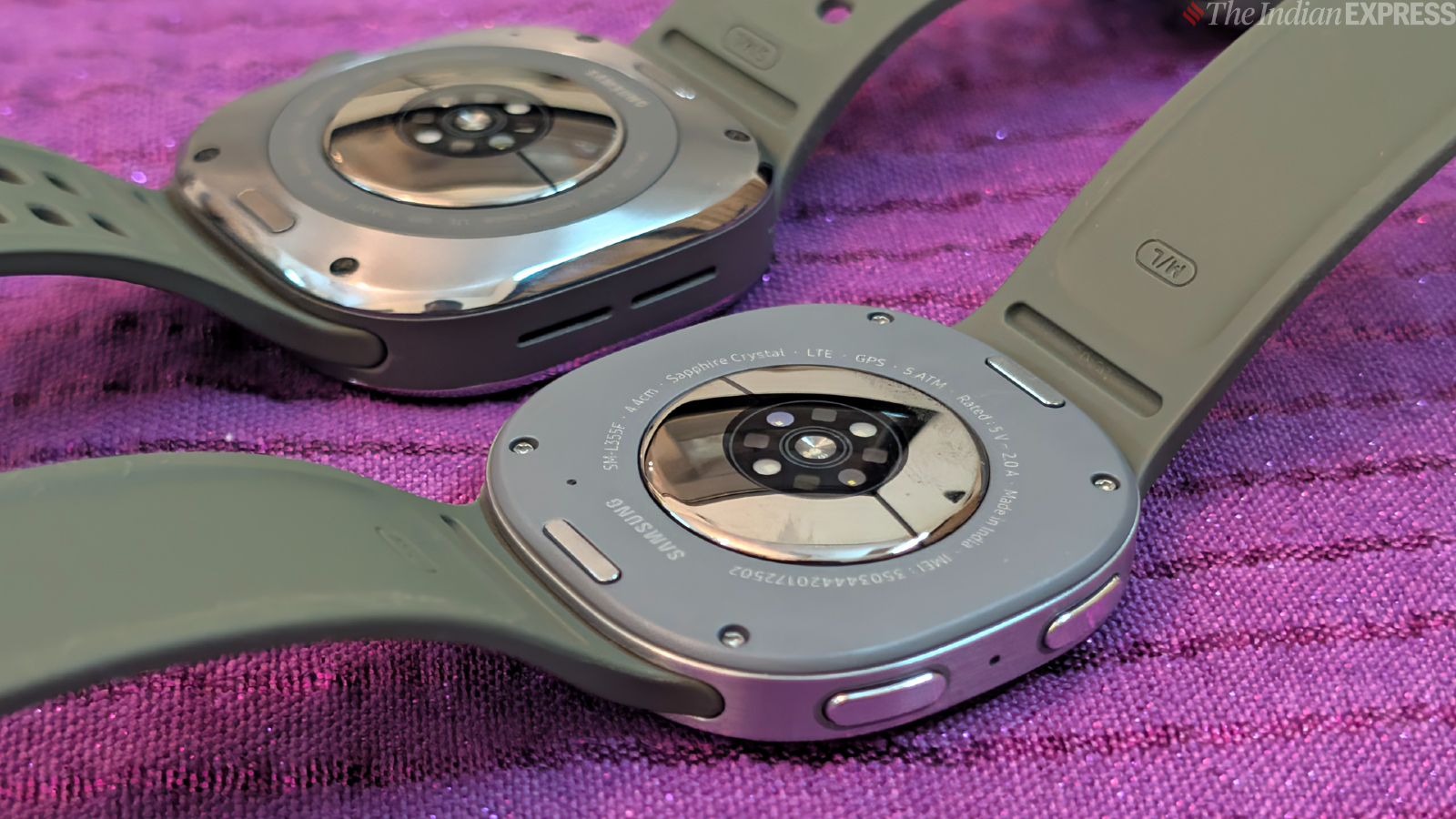
[Dateline] NEW DELHI – Samsung, a dominant force in the global technology landscape, has recently unveiled its latest additions to the wearable market: the Galaxy Watch Ultra 2 and the Galaxy Watch 9. A recent comprehensive review highlights a significant strategic divergence within Samsung’s premium smartwatch offerings, indicating a maturing market that is increasingly segmenting into specialized categories. While both smartwatches undeniably share a common technological heritage, the user experience they deliver is distinctly tailored, addressing divergent consumer needs from the rugged outdoors enthusiast to the everyday lifestyle user.
This clear bifurcation signifies a pivotal moment in the high-end smartwatch segment. The market is no longer a monolithic entity but is evolving into discernible niches: one catering to the performance-driven enthusiast and the other targeting the integrated, health-conscious lifestyle consumer. This development underscores a broader trend where smartwatches are striving for greater independence from their smartphone counterparts, simultaneously fostering a deeper lock-in within specific technological ecosystems. The landscape is further complicated by the nascent emergence of screen-less fitness bands, positing themselves as minimalist alternatives to feature-rich smartwatches, adding another layer of complexity to an already dynamic wearables market.
Main Facts: A New Era of Specialization in Wearables
The introduction of the Galaxy Watch Ultra 2 and Galaxy Watch 9 marks a deliberate strategy by Samsung to capture distinct segments of the premium smartwatch market. The Galaxy Watch Ultra 2, priced at Rs 64,999, is positioned as Samsung’s flagship rugged offering. It is engineered for resilience, boasting enhanced shock resistance and robust construction, making it an ideal companion for adventurers, athletes, and anyone operating in demanding environments. Its design ethos prioritizes durability and extreme functionality, targeting users who push their limits and require a device that can keep pace.
In stark contrast, the Galaxy Watch 9, available from Rs 41,999, is conceived as the quintessential everyday lifestyle smartwatch. It embodies a blend of sophisticated design, comprehensive health tracking, and seamless integration into daily routines. This model caters to a broader audience seeking a stylish, feature-rich wearable for general fitness, communication, and convenient access to information without the bulk or specialized features of its Ultra counterpart.
The fundamental insight from initial testing is that despite sharing Samsung’s core wearable technology and software DNA, the practical application and perceived value of each device diverge significantly. The Ultra 2 is a statement of extreme capability, while the Watch 9 represents refined utility. This dual-pronged approach confirms a growing trend: the high-end smartwatch market is no longer about a single "best" device but about the "best fit" for specific user profiles. This segmentation reflects a consumer base that has become more discerning, demanding tailored solutions rather than one-size-fits-all products.
Beyond this internal differentiation, the broader implications for the wearable industry are profound. Smartwatches are increasingly capable of operating autonomously, reducing their reliance on a paired smartphone for core functions like calls, navigation, and streaming music. This push for independence is, paradoxically, often accompanied by a stronger pull into a specific brand’s ecosystem. Samsung users, for example, will find the Galaxy Watches optimally integrated with their Galaxy smartphones, creating a cohesive user experience that can deter switching brands. Furthermore, the burgeoning segment of screen-less fitness bands, offering essential health tracking without the distractions or cost of a full-fledged smartwatch, hints at a future where wearable choices will become even more diverse and specialized.
Chronology: Tracing Samsung’s Wearable Evolution and Market Shifts
Samsung’s journey in the smartwatch arena is a testament to persistent innovation and adaptation. Beginning with early iterations like the Galaxy Gear in 2013, Samsung experimented with various operating systems, including its proprietary Tizen OS, which powered many successful Galaxy Watch models for years. This period saw Samsung establish itself as a key player, refining designs, enhancing health tracking capabilities, and improving battery life.
A significant turning point came in 2021 when Samsung, in collaboration with Google, transitioned its smartwatches to Wear OS Powered by Samsung, effectively merging its Tizen expertise with Google’s Android-based wearable platform. This strategic pivot aimed to leverage Wear OS’s vast app ecosystem and Google’s services, offering users a more comprehensive and familiar smartphone-like experience on their wrists. The Galaxy Watch 4 series was the first to showcase this new integration, marking a new era of software consistency and broader app support for Samsung wearables.
The concept of a "rugged" or "Ultra" smartwatch gained considerable traction with the success of the Apple Watch Ultra, which carved out a niche for high-performance, durable wearables catering to extreme sports and outdoor activities. Samsung’s response with the Galaxy Watch Ultra 2 can be seen as a direct engagement in this emerging, highly lucrative segment. It represents Samsung’s commitment to competing at every level of the premium market, offering a robust alternative for Android users who demand similar levels of durability and specialized features.
Over the years, the evolution of health tracking has been central to Samsung’s wearable strategy. Early models offered basic step counting and heart rate monitoring. Subsequent generations progressively added more sophisticated sensors and algorithms for blood oxygen (SpO2), electrocardiogram (ECG), sleep analysis, and stress tracking. The current generation, with features like body composition analysis, AI-powered coaching, and advanced vital sign monitoring, reflects a continuous drive towards providing holistic health insights, moving beyond simple data collection to offering actionable guidance.
This chronological progression also highlights the increasing push for smartwatch independence. Early smartwatches were essentially extensions of smartphones, heavily reliant on the paired device for connectivity and processing. With improved onboard processors, LTE connectivity options, and enhanced app capabilities (like native WhatsApp and Google Maps support), modern Galaxy Watches can perform many tasks autonomously, signaling a future where the smartwatch could stand alone as a primary computing device for certain interactions.
Supporting Data: Dissecting Design, Durability, and Performance
The divergent design and feature sets of the Galaxy Watch Ultra 2 and Watch 9 are not arbitrary but are backed by specific engineering choices and technological advancements.
Design Philosophy and Craftsmanship
-
Galaxy Watch Ultra 2: The Apex of Durability
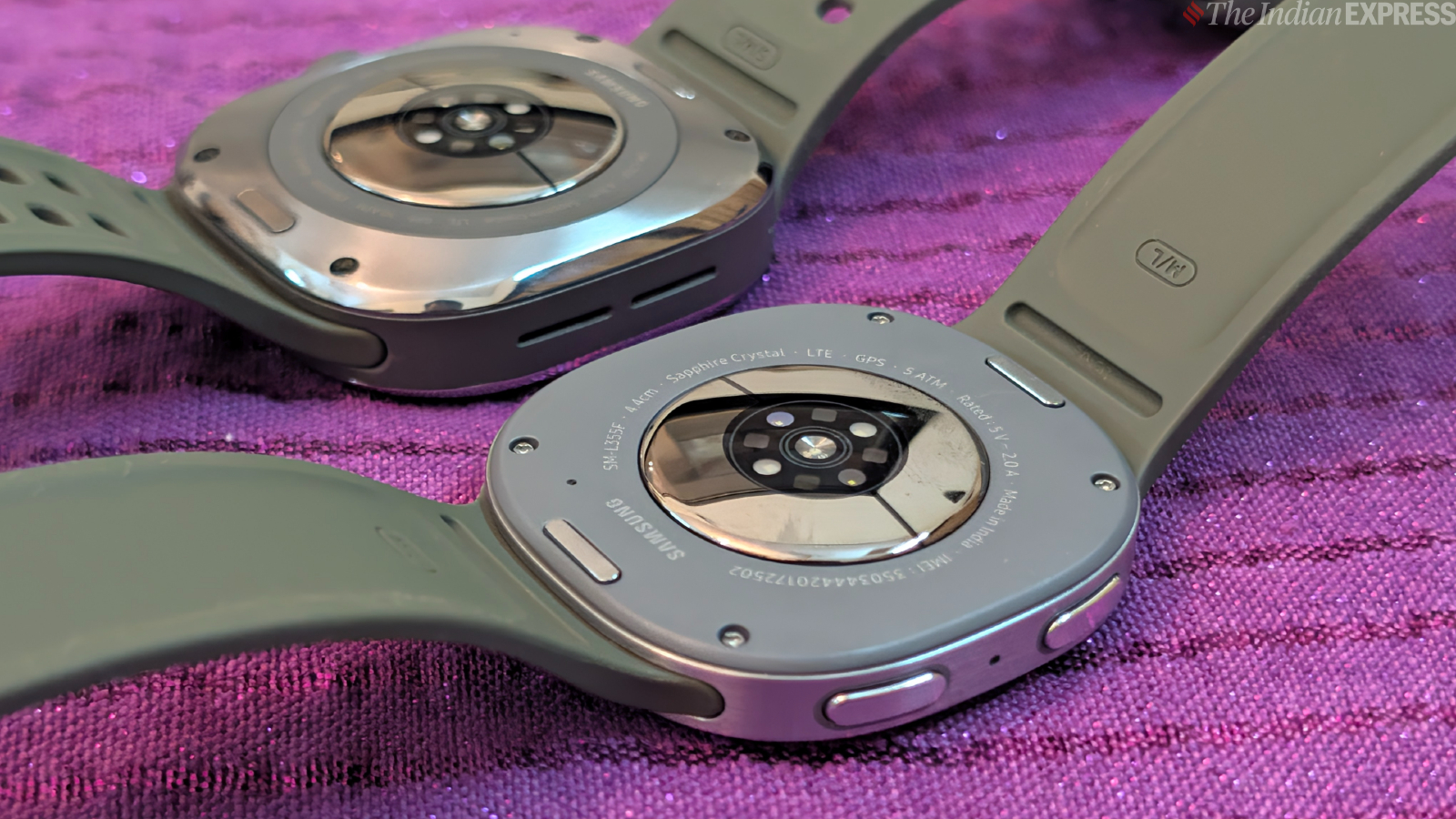
The Ultra 2 maintains a familiar aesthetic from its predecessor, characterized by Samsung’s distinctive "cushion" design – a rounded-square titanium case embracing a circular display. However, Samsung has implemented subtle yet significant refinements. The 47mm case is reportedly 12% thinner than before, and the strap is also lighter. This reduction in bulk is crucial for a watch marketed to runners and outdoor enthusiasts, where every gram counts for comfort during prolonged activity.
Its construction is a testament to its rugged intent: aerospace-grade titanium forms the robust chassis, known for its exceptional strength-to-weight ratio and corrosion resistance, making it ideal for harsh environments. The display is protected by sapphire crystal, an incredibly scratch-resistant material second only to diamond in hardness, ensuring clarity and durability against abrasions. While the 47mm size offers a commanding presence and ample screen real estate, the absence of a smaller option might limit its appeal to users with more slender wrists, an ergonomic consideration Samsung might address in future iterations.
The Ultra 2 features a familiar three-button layout on its right edge. The standout is the circular "Quick Button" with its distinctive orange surround, providing immediate, customizable access to frequently used outdoor and exercise functions – a critical feature for quick action during activity. The two flatter buttons above and below manage standard Home and Back functions. While the absence of a mechanically rotating bezel (a feature popular on older Galaxy Watch models) might be missed by some, its replacement by a fixed, touch-sensitive bezel allows for navigation while maintaining the watch’s rugged, sealed profile. In comparison to competitors like the Apple Watch Ultra 4 (which boasts a different squared-off design), Samsung’s approach offers a unique blend of traditional watch aesthetics with modern smartwatch functionality. -
Galaxy Watch 9: Everyday Elegance and Practicality
The Watch 9 presents a more refined and simplified aesthetic, diverging from the Ultra 2’s overt ruggedness. It retains a "cushioned" or "squircle" silhouette, where a circular display is elegantly framed by a square bezel with gently rounded corners. This design choice strikes a balance between contemporary style and classic watch appeal.
Its two-button layout on the right side is intuitive: a top button for the home screen and a bottom button for navigating back, with a long-press shortcut for added convenience. The responsiveness of both physical buttons and the touchscreen ensures a smooth user experience. The reviewer’s observation regarding the potential for larger displays by shaving off bezels, drawing a comparison to the Google Pixel Watch, highlights an ongoing trend in the industry towards maximizing screen-to-body ratio for a more immersive viewing experience.
The silicone band supplied with the review unit proved adept for daily wear and exercise, offering secure fit and comfort, particularly commendable in demanding climates like Delhi’s, where sweat management is crucial. -
Display Technology: Brilliance Under Any Sun
Both watches feature Super AMOLED displays, renowned for their vibrant colors, deep blacks, and excellent contrast. The Ultra 2 boasts an astonishing peak brightness of 5,000 nits, making it exceptionally legible even under direct sunlight, surpassing the Apple Watch Ultra 4’s 3,000 nits. This extreme brightness is vital for outdoor activities where quick glances at data are essential. The Watch 9’s display, available in 1.3-inch (40mm) and 1.5-inch (44mm) variants, also reaches an impressive 3,000 nits, ensuring clear readability in most lighting conditions. "Nits" are a unit of luminance, and higher numbers indicate brighter displays, directly correlating to better outdoor visibility. -
Durability Standards: Built to Endure
The Ultra 2 is Samsung’s most resilient smartwatch, holding 10 ATM water resistance (meaning it can withstand pressure equivalent to 100 meters depth), IP68 dust and water resistance (full dust ingress protection and immersion up to 1.5 meters for 30 minutes), and MIL-STD-810H certification. The MIL-STD-810H is a U.S. military standard for environmental engineering considerations and laboratory tests, signifying robust performance in extreme temperatures, shock, vibration, and other harsh conditions.
The Watch 9 is also built for everyday robustness, featuring 5 ATM water resistance (up to 50 meters depth), IP68 ratings, and MIL-STD-810H certification, making it perfectly capable of handling daily workouts, swimming, and incidental exposure to the elements. These certifications provide concrete assurances to users about the watches’ ability to withstand various environmental challenges.
Advanced Health and Fitness Tracking
Health and fitness remain paramount for modern smartwatches, and Samsung has equipped both models with an extensive suite of sensors and analytical tools.
-
Core Health Suite (Shared Capabilities):
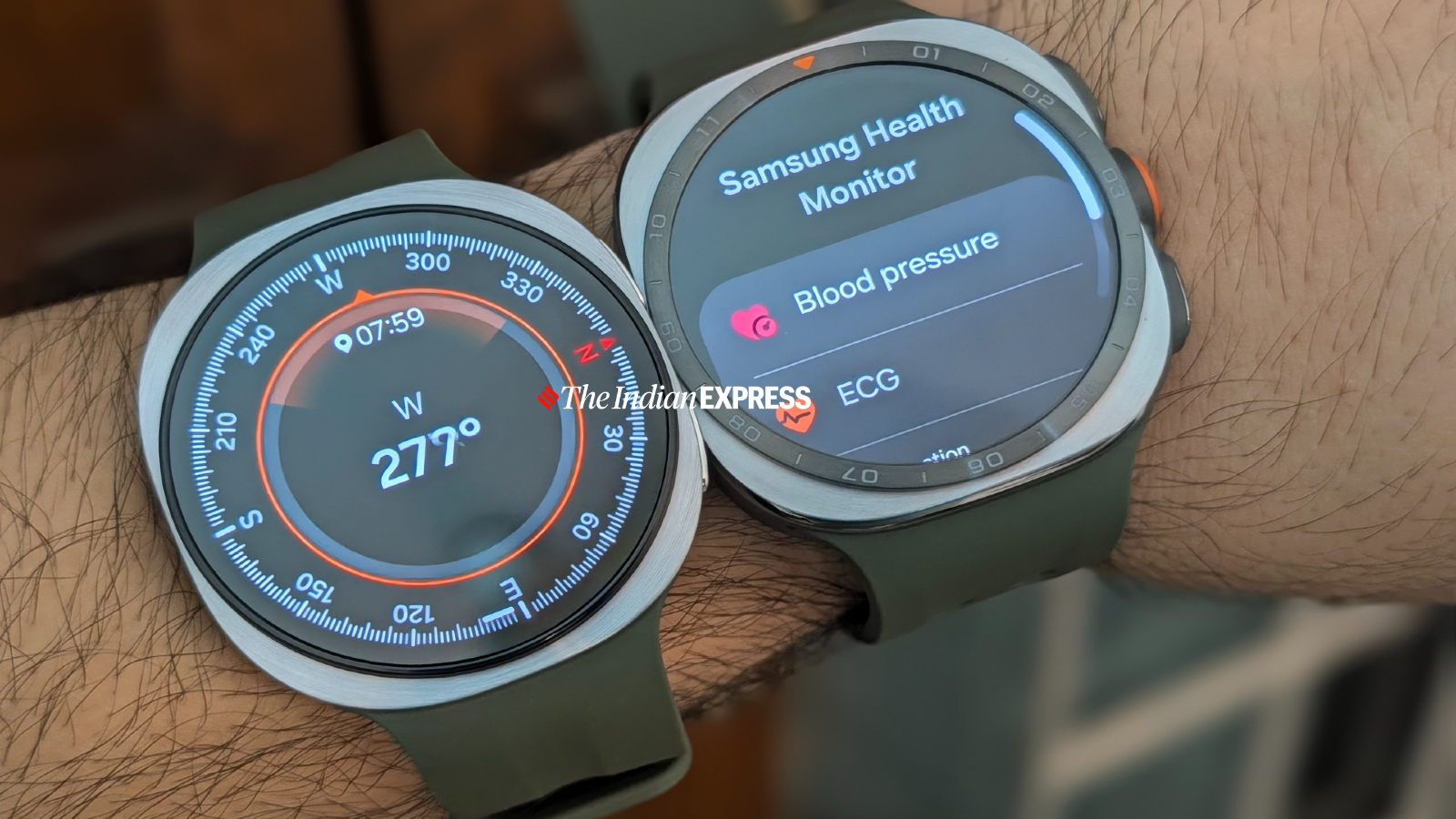
Both devices offer comprehensive tracking of vital metrics including heart rate, blood oxygen levels (SpO2), sleep patterns, and stress levels. They also support ECG readings for detecting signs of atrial fibrillation and blood pressure monitoring (which requires calibration with a cuff-based monitor). New additions include antioxidant levels (though its practical utility for the average user requires further scientific consensus) and body composition analysis (BIA).
BIA utilizes tiny electrical impulses to estimate key body metrics such as skeletal muscle mass, fat mass, body water, body fat percentage, BMI, and basal metabolic rate. While an exciting feature, the reviewer noted the challenge of independently verifying its accuracy without clinical-grade equipment, potentially diminishing its long-term perceived value for casual users. This highlights a common issue with consumer-grade health sensors: while sophisticated, their results often lack the clinical validation or comparative benchmarks necessary for definitive personal health management.
AI-powered coaching offers personalized guidance, while Sound Exposure monitors ambient noise levels, akin to Apple’s Hearing Protection, helping users safeguard their auditory health. The new Vitals feature intelligently tracks metrics like heart rate, respiratory rate, blood oxygen, and skin temperature, requiring seven nights of data to establish a baseline for accurate, continuous monitoring. The Fitness Index combines body composition data with workout metrics to assess fitness levels and generate personalized training plans, moving towards more holistic wellness management.
Automatic exercise recognition is a convenience feature, accurately detecting common activities like walking and running within minutes. However, a crucial limitation is that auto-logged outdoor workouts do not activate GPS, necessitating manual workout initiation for route tracking – an important detail for runners and cyclists.
The strength of Samsung’s approach lies in its Samsung Health app, which aggregates and presents this wealth of data in an accessible and understandable format. However, it’s critical to reiterate the journalistic caveat: consumer-grade health features, while advanced, are not substitutes for professional medical advice or clinical-grade equipment for diagnostic purposes.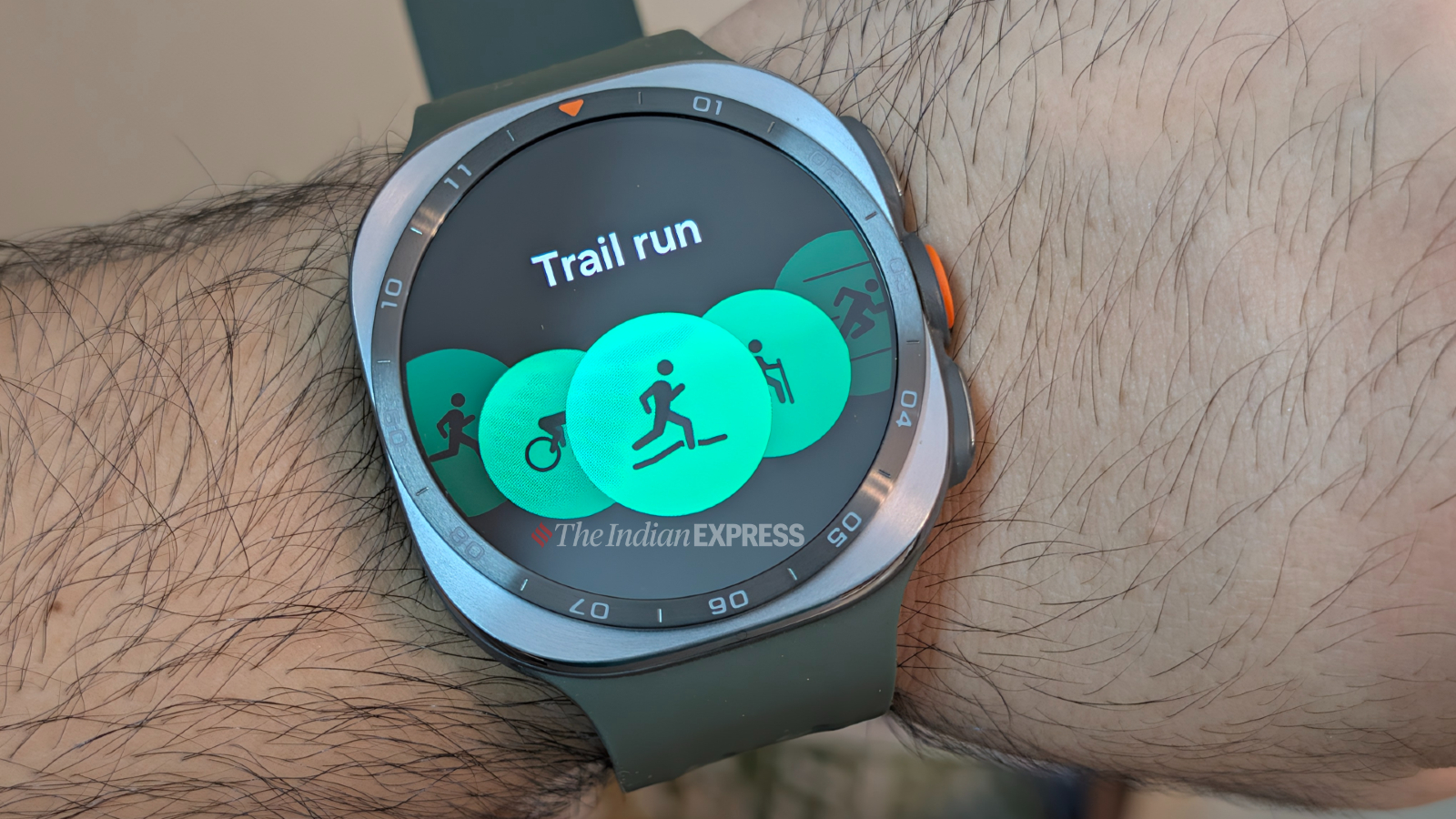
-
Ultra 2 Exclusive Features: For the Adventurous Spirit:
The Ultra 2 distinguishes itself with specialized features for outdoor and aquatic adventures. Trail Running provides real-time elevation data during ascents and descents, a boon for hikers and trail runners. Crucially, it allows users to download trail maps for offline access, providing turn-by-turn navigation via the watch’s speaker or connected Bluetooth devices – invaluable in areas without cellular connectivity. Furthermore, the integration of a Mares dive computer (Mares being a renowned name in diving equipment) offers extensive underwater data, transforming the Ultra 2 into a serious tool for recreational divers, setting it apart from most mainstream smartwatches.
Software Ecosystem and Performance
Both the Ultra 2 and Watch 9 run on Wear OS 7, powered by the new Qualcomm Snapdragon Wear Elite processor. This combination ensures snappy performance, smooth navigation, and responsiveness, particularly critical for real-time outdoor tracking. Samsung’s commitment to five years of major Wear OS updates and security patches is a significant advantage, promising long-term software support and continued feature enhancements, thereby extending the usable lifespan and value of the devices.
The Wear OS platform provides a robust app selection, with full support for popular services like Gemini (for hands-free navigation and assistance), WhatsApp for communication, and Google Maps for navigation, further enhancing the watches’ utility and reducing smartphone dependency for common tasks.
However, the optimization for Samsung Galaxy phone users highlights the inherent ecosystem lock-in. While Wear OS watches can pair with any Android phone, many advanced features, particularly within the Samsung Health ecosystem, are seamlessly integrated and offer the best experience when paired with a Samsung Galaxy device, reinforcing brand loyalty.
Battery Life: A Critical Factor
Battery endurance is often a compromise in feature-rich smartwatches.
- The Ultra 2 sees a substantial upgrade, featuring an 800 mAh battery (up from 590 mAh in its predecessor). This translates to an impressive four days of battery life on a single charge, a significant advantage for multi-day treks, travel, or users who prefer less frequent charging.
- The Watch 9, while not reaching the Ultra 2’s endurance, still offers respectable battery performance. Samsung estimates up to 30 hours, with real-world testing yielding approximately 24 hours with the Always-On Display enabled. This is generally consistent with or slightly better than many comparable lifestyle smartwatches, providing a full day’s use with overnight charging.
Official Responses: Samsung’s Strategic Positioning
Samsung’s introduction of the Galaxy Watch Ultra 2 and Watch 9 can be interpreted as a multi-faceted official response to several prevailing market dynamics and competitive pressures:
- Direct Competition in the Rugged Segment: The Galaxy Watch Ultra 2 is Samsung’s unequivocal entry into the high-end, rugged smartwatch category, directly challenging devices like the Apple Watch Ultra and advanced Garmin Fenix series. Its aerospace-grade materials, extreme durability ratings (10 ATM, MIL-STD-810H), and specialized outdoor features (Trail Running, Mares dive computer) are Samsung’s official declaration of intent to capture the enthusiast market that demands uncompromising performance and resilience.
- Refinement of the Lifestyle Offering: The Galaxy Watch 9 represents Samsung’s continued commitment to the mainstream lifestyle user. It’s a refined iteration of its core smartwatch line, offering a balance of aesthetic appeal, comprehensive health tracking, and smart features at a more accessible premium price point. This model is Samsung’s answer to the broad consumer desire for a stylish, functional everyday wearable that seamlessly integrates into their digital lives.
- Commitment to Wear OS and Ecosystem Strength: By consistently launching its flagship smartwatches on Wear OS and promising five years of updates, Samsung officially reaffirms its strategic partnership with Google. This ensures a robust app ecosystem, seamless integration with Google services, and long-term software viability, making its wearables more attractive to Android users. Concurrently, the deep integration with Samsung Health and Galaxy smartphones reinforces the "walled garden" effect, enhancing the stickiness of the Samsung ecosystem.
- Emphasis on Holistic Health: The extensive array of health features, from advanced vitals monitoring and body composition analysis to AI-powered coaching, signifies Samsung’s official stance on smartwatches as critical tools for proactive health management. While emphasizing that these are consumer devices, the company is clearly positioning its wearables as central to personal wellness, offering insights that can motivate healthier lifestyles.
- Addressing Smartwatch Independence: The improved processors, enhanced battery life, and robust app support (like native WhatsApp and Google Maps) are Samsung’s official moves towards making smartwatches more independent. This addresses the growing consumer desire to leave their phone behind for certain activities while remaining connected and capable.
Implications: The Future Trajectory of Wearable Technology
The launch of the Galaxy Watch Ultra 2 and Watch 9 carries significant implications for the future direction of wearable technology:
- Deepening Market Segmentation: This dual strategy by Samsung will likely accelerate the trend of specialized smartwatches. We can expect more manufacturers to offer distinct "rugged" and "lifestyle" lines, catering to specific user needs rather than a generalized appeal. This will lead to more targeted marketing and potentially more innovative features tailored to niche activities.
- Accelerated Smartwatch Independence: The push for greater autonomy, driven by more powerful processors, longer battery life, and robust cellular connectivity, will continue. Smartwatches will increasingly serve as standalone communication devices, navigation tools, and payment systems, reducing the reliance on smartphones for everyday tasks. This could eventually lead to scenarios where a smartwatch becomes the primary device for quick interactions, with the smartphone reserved for more intensive tasks.
- Reinforced Ecosystem Stickiness: As smartwatches become more integrated with specific brand ecosystems (like Samsung’s Galaxy or Apple’s iOS), the switching cost for users will increase. Features like seamless data transfer, device pairing, and exclusive app functionalities will strengthen brand loyalty, making it harder for consumers to move between ecosystems.
- Rise of Niche Wearables: The emergence of specialized devices like the Ultra 2’s integrated dive computer, alongside the growth of screen-less fitness bands, suggests a future where wearables will diversify even further. We may see more specialized sensors for specific sports, advanced environmental monitoring, or minimalist designs focused solely on health tracking, catering to an even wider spectrum of consumer preferences.
- Focus on Data Accuracy and Actionable Insights: As health features become more sophisticated, the debate around the accuracy and clinical validity of consumer wearable data will intensify. Manufacturers will face increasing pressure to provide clearer disclaimers, potentially collaborate with medical professionals, and focus on translating raw data into actionable, personalized insights that genuinely improve user health outcomes. The "meaningless metrics" observation from the body composition feature highlights this ongoing challenge.
- AI as a Core Wearable Component: The integration of AI for coaching, vital sign analysis, and personalized insights will become standard. Future wearables will leverage AI to move beyond mere data collection, offering predictive health analytics, proactive wellness recommendations, and truly adaptive user experiences.
- Samsung’s Competitive Stance: With these new models, Samsung solidifies its position as a formidable competitor in the global smartwatch market. By offering both a robust enthusiast option and a refined lifestyle choice, it directly challenges Apple’s dominance while providing a compelling alternative to other Android-based wearables and dedicated sports watches, ensuring a vibrant and competitive landscape for consumers.
In conclusion, Samsung’s latest Galaxy Watch offerings are more than just incremental updates; they are a clear articulation of a strategic vision for a diversified and specialized wearable future. They underscore a market that is segmenting, a technology that is maturing, and a consumer base that is increasingly demanding tailored solutions for their unique digital and physical lives. The journey towards a truly independent, intelligent, and personalized wearable is well underway, with Samsung playing a pivotal role in shaping its trajectory.
