

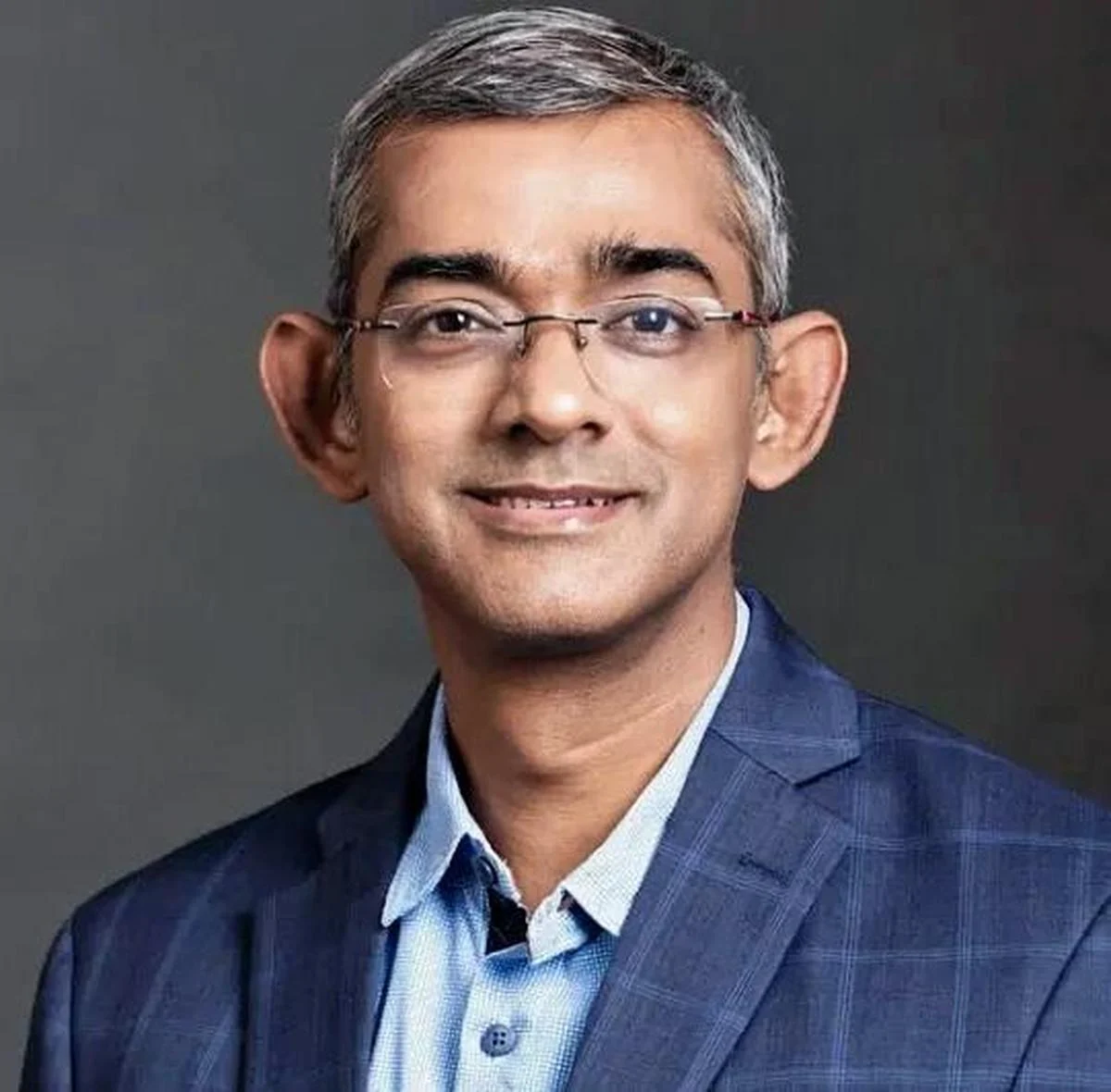
Hyderabad, India – July 31, 2026 – In a significant development that underscores the escalating challenges of digital misinformation and platform accountability, the Hyderabad Cyber Crime police have initiated a comprehensive investigation into the circulation of allegedly morphed and Artificial Intelligence (AI)-generated images and videos targeting Prime Minister Narendra Modi. The controversial content, which surfaced during the recent "Cockroach Janta Party" (CJP)-led student protests concerning the alleged NEET paper leak, has led to the registration of cases against several Facebook and Instagram accounts, as well as Arun Srinivas, the head of Meta India.
The police action follows formal complaints lodged by S. Aravind Reddy, a prominent businessman, and T. Saikiran Goud, a Telangana BJP activist. Both complainants independently reported encountering a deluge of digitally manipulated media on Instagram, depicting the Prime Minister in what they described as an "obscene, derogatory, and misleading manner." These visual fabrications were reportedly accompanied by comments containing abusive and profane language, further intensifying the gravity of the allegations. The incident highlights the growing intersection of political activism, digital manipulation, and the complex legal landscape governing social media platforms in India.
Main Facts: A Digital Assault on Public Figures
The core of the investigation revolves around a series of digitally altered and AI-generated posts that proliferated across Facebook and Instagram during a period of heightened student unrest. These posts, allegedly linked to the "Cockroach Janta Party" (CJP) protests, aimed to draw attention to purported irregularities in the National Eligibility cum Entrance Test (NEET). However, the methods employed by some elements within these digital campaigns have now attracted severe legal scrutiny.
The complaints filed with the Hyderabad Cyber Crime police detail how complainants S. Aravind Reddy and T. Saikiran Goud, while navigating their Instagram feeds, encountered numerous instances of visual content featuring Prime Minister Narendra Modi. These images and videos were not merely critical but were allegedly "morphed," "digitally manipulated," and "generated using artificial intelligence," presenting the Prime Minister in a light deemed "obscene, derogatory, and misleading." The content was not only visually offensive but also accompanied by a torrent of abusive and indecent comments directed at the Prime Minister and other individuals depicted.
The complainants articulated grave concerns regarding the potential repercussions of such content. They argued that these manipulated posts were not merely acts of crude satire but posed a significant threat to public order and decency. Specifically, they alleged that the material had the capacity to "spread misinformation, incite public unrest, outrage public decency, defame public figures, disturb public order, and promote hostility among different sections of society." The broad scope of these potential harms underscores the serious nature of the charges being investigated.
In response to these detailed complaints, the Hyderabad Cyber Crime police have registered cases under relevant sections of the Information Technology Act, 2000, and the Indian Penal Code (IPC). Significantly, Arun Srinivas, the head of Meta India, has been named in the cases, placing the onus of accountability squarely on the social media giant for content disseminated on its platforms. While the investigation is ongoing, and no arrests have been made to date, the booking of a senior Meta executive signals a strong intent by law enforcement to hold platform operators responsible for the proliferation of harmful and illicit content. The police are actively working to identify the individuals and groups responsible for the creation and dissemination of these digitally fabricated posts.
Chronology of Events: Protests, Posts, and Police Action
The sequence of events leading to the current police investigation began with widespread dissatisfaction and public outcry surrounding the National Eligibility cum Entrance Test (NEET) examination results.
- Early July 2026: Initial reports and allegations of a paper leak and irregularities in the NEET examination begin to surface across various media and student forums. This sparks growing discontent among aspirants and their families, who demand transparency and re-examination.
- Mid-July 2026: Student groups and youth organizations intensify their protests across several Indian cities. Among these, the "Cockroach Janta Party" (CJP) emerges as a prominent, albeit unconventionally named, voice in the agitation. Their protests, characterized by a mix of traditional demonstrations and aggressive social media campaigning, gain traction.
- July 20-25, 2026: During the peak of the CJP-led protests, a significant volume of content targeting Prime Minister Narendra Modi begins to appear on social media platforms, particularly Facebook and Instagram. This content, as later alleged, includes morphed images, AI-generated videos, and derogatory memes. The posts are widely shared, often accompanied by inflammatory comments. Police later take note of several posts linked to these protests containing "abusive and profane content."
- July 28, 2026: S. Aravind Reddy, a businessman, files a complaint with the Hyderabad Cyber Crime police. He alleges that he encountered numerous morphed and AI-generated posts on Instagram that were derogatory and misleading towards the Prime Minister.
- July 29, 2026: T. Saikiran Goud, a Telangana BJP activist, files a separate but similar complaint. He also reports seeing digitally manipulated content portraying the Prime Minister in an "obscene, derogatory and misleading manner" on Instagram. Both complainants emphasize the potential for such content to incite unrest and defame public figures.
- July 30, 2026: Based on the complaints and preliminary assessment of the circulating content, the Hyderabad Cyber Crime police formally register cases. The complaints specifically name Meta India head Arun Srinivas and various Facebook and Instagram accounts implicated in the dissemination of the objectionable material.
- July 31, 2026: News of the registered cases breaks, bringing the issue of digital manipulation and platform accountability to the forefront of national discourse. The Hyderabad Cyber Crime police confirm that an investigation is underway to identify the creators and circulators of the content, though no arrests have been made at this stage. The police statement underscores the serious view taken on content that allegedly promotes enmity and defames public figures using advanced digital tools.
This timeline illustrates a rapid escalation from protest to alleged digital misconduct, culminating in significant legal action against both unidentified social media users and a high-ranking executive of a global tech giant.
Supporting Data and Context: The Digital Underbelly of Political Discourse
The Hyderabad Cyber Crime police’s action must be understood within a broader context of evolving digital activism, the challenges posed by emerging technologies like AI, and the legal responsibilities of social media platforms.
The NEET Controversy: A Catalyst for Outrage
The backdrop to these events is the contentious National Eligibility cum Entrance Test (NEET), a crucial examination for aspiring medical students in India. In recent years, NEET has frequently been embroiled in controversies, ranging from alleged paper leaks and mass cheating to discrepancies in results and questions about the fairness of the examination process. The latest allegations of a paper leak, though officially denied or downplayed by authorities, ignited a fresh wave of frustration and anger among students and their parents. For many, NEET represents the gateway to a coveted career, and any perceived corruption or mismanagement strikes at the heart of their aspirations and trust in the system. These grievances often fuel intense public protests, creating an environment ripe for various forms of expression, including aggressive social media campaigns.

The "Cockroach Janta Party" (CJP): A New Voice of Dissent
The "Cockroach Janta Party" (CJP) is a particularly interesting element in this narrative. The nomenclature itself, evoking a sense of ubiquity and resilience often associated with pests, suggests a satirical or rebellious intent. While details about its formal structure or leadership might be nascent, such groups often emerge organically from student movements, using unconventional names and tactics to garner attention and express their disillusionment. The "Cockroach" moniker could be interpreted as a self-deprecating yet defiant label, suggesting that despite attempts to suppress them, they will persist and spread their message. Their chosen medium—social media—aligns perfectly with modern protest movements, enabling rapid dissemination of information, mobilization of supporters, and the creation of viral content, which, in this case, appears to have crossed legal boundaries.
Social Media and Political Discourse in India: A Double-Edged Sword
India boasts one of the world’s largest internet user bases, making social media platforms indispensable tools for communication, information dissemination, and political engagement. However, this vast digital landscape is a double-edged sword. While it facilitates democratic participation and empowers marginalized voices, it also provides fertile ground for the spread of misinformation, hate speech, and manipulated content. Political discourse on Indian social media is often highly polarized, with fervent supporters and detractors of political figures engaging in intense, sometimes vitriolic, debates. The anonymity or perceived anonymity offered by these platforms can embolden users to share content that they might hesitate to express in public, leading to a proliferation of aggressive and unverified claims. This incident is a stark reminder of the challenges in moderating such a dynamic and often unruly digital environment.
The Rise of AI and Deepfakes: A New Frontier for Misinformation
Perhaps the most alarming aspect of the Hyderabad case is the alleged involvement of Artificial Intelligence in generating the offensive content. The rapid advancements in AI, particularly in generative models, have made it increasingly easy to create "deepfakes" – hyper-realistic but entirely fabricated images, audio, and video. These technologies can convincingly alter facial expressions, voices, and entire scenes, making it exceedingly difficult for the average user to distinguish between genuine and manipulated content.
The use of AI to target public figures like the Prime Minister represents a dangerous escalation in the misinformation landscape. Unlike simple photo edits, AI-generated content can be highly sophisticated, capable of eroding trust in visual evidence and sowing widespread confusion. For law enforcement, identifying the original source and the precise tools used to create such content poses significant technical and investigative challenges. It also raises profound ethical questions about the responsible development and deployment of AI technologies. The Hyderabad police’s explicit mention of AI-generated content signals a growing awareness among authorities about this new vector of digital crime and the urgent need for strategies to counter it. This incident serves as a critical case study in the global fight against synthetic media manipulation.
Freedom of Speech vs. Misinformation and Defamation: A Delicate Balance
The complaints and subsequent police action also highlight the perennial tension between freedom of speech, a cornerstone of any democratic society, and the imperative to prevent the spread of misinformation, defamation, and incitement to public disorder. While criticism of public figures and government policies is a vital aspect of democratic discourse, there are legal limits when such expression crosses into obscenity, defamation, or hate speech, particularly when facilitated by manipulated media. The current case forces a re-evaluation of where these lines are drawn in the digital age, especially when advanced technologies like AI blur the distinction between satire, criticism, and outright fabrication designed to mislead or harm.
Official Responses and Legal Framework: A Multi-pronged Approach
The registration of cases against Meta India head Arun Srinivas and several social media accounts reflects a serious official response to the alleged digital misconduct. This action is rooted in existing legal frameworks and sets a precedent for platform accountability.
Police Statement and Legal Provisions
The Hyderabad Cyber Crime police, while not disclosing specific sections of the law invoked in the initial public statements, are likely to have registered cases under a combination of the Information Technology (IT) Act, 2000, and the Indian Penal Code (IPC).
Potential sections could include:
- IT Act, Section 67: For publishing or transmitting obscene material in electronic form.
- IT Act, Section 66D: For cheating by personation by using computer resource. (While not direct cheating, using morphed images to mislead could fall under this interpretation).
- IPC Section 499/500: For defamation, particularly when the content is deemed to harm the reputation of the Prime Minister.
- IPC Section 504: For intentional insult with intent to provoke breach of the peace.
- IPC Section 505: For statements conducing to public mischief, especially those creating or promoting enmity, hatred or ill-will between classes.
- IPC Section 292: For sale, etc., of obscene books, etc. (Can be extended to electronic content).
Police officials have indicated that the investigation will involve tracing the IP addresses of the accounts, analyzing the digital footprint of the manipulated content, and potentially seeking assistance from Meta Platforms Inc. to identify the individuals behind the problematic posts. The emphasis is on identifying not just the circulators but also the originators of the AI-generated and morphed material.
Meta India’s Role and Intermediary Liability
The booking of Arun Srinivas, Meta India head, brings the critical concept of "intermediary liability" to the forefront. Under India’s IT (Intermediary Guidelines and Digital Media Ethics Code) Rules, 2021, social media intermediaries like Facebook and Instagram have significant responsibilities regarding the content hosted on their platforms. These include:

- Due Diligence: Intermediaries must exercise due diligence in discharging their duties, including informing users about rules and regulations, privacy policy, and user agreement.
- Grievance Redressal: They must establish a robust grievance redressal mechanism, including a Grievance Officer, to address complaints from users.
- Proactive Monitoring (in some cases): While generally not required to proactively monitor all content, they must remove unlawful content upon receiving a valid legal order or becoming aware of it.
- Assistance to Law Enforcement: Intermediaries are obligated to assist law enforcement agencies by providing information or assistance for investigative activities, particularly concerning cybercrime.
The fact that Srinivas has been named suggests that the complainants and police believe Meta failed in its duties to adequately prevent the dissemination of such content or respond effectively to its proliferation. Meta will likely be expected to cooperate fully with the investigation, providing data that could help identify the creators of the manipulated images and videos. This case serves as a stark reminder to tech companies that their operational heads can be held personally accountable for content violations on their platforms in India.
Government’s Stance on Online Content Regulation
The Indian government has been increasingly vocal about the need for greater regulation of online content, particularly concerning misinformation, deepfakes, and content that threatens national security or public order. Prime Minister Modi himself has previously expressed concerns about the misuse of AI for creating deepfakes and the potential for these to mislead and harm. The IT Rules, 2021, were a significant step towards tightening control over social media and digital news platforms. This incident will likely reinforce the government’s resolve to push for stricter compliance from social media companies and potentially explore further legislative measures to combat sophisticated digital manipulation.
Complainants’ Perspective: Protecting Public Figures and Decency
The complaints filed by S. Aravind Reddy and T. Saikiran Goud underscore a common sentiment among supporters of public figures and those concerned about the erosion of public decency. Their motivations appear to stem from a desire to protect the dignity of the Prime Minister and to prevent the spread of what they perceive as malicious and potentially destabilizing content. By alleging that the posts could "incite public unrest" and "promote hostility," they are articulating fears about the broader societal consequences of unchecked digital manipulation, extending beyond mere personal offense to threats against social harmony and political stability. Their actions highlight how individual citizens are increasingly turning to legal channels to combat online abuse and misinformation.
Implications and Future Outlook: Navigating the Digital Wild West
The Hyderabad Cyber Crime police’s investigation into AI-generated content targeting the Prime Minister carries far-reaching implications for India’s political discourse, the future of online activism, and the evolving relationship between technology giants and national governments.
Impact on Political Discourse and Trust in Information
This incident further erodes public trust in online information. When visual evidence, once considered sacrosanct, can be effortlessly fabricated, it becomes increasingly difficult for citizens to discern truth from fiction. This "epistemological crisis" can deepen political polarization, as individuals retreat into echo chambers where only information aligning with their pre-existing beliefs is accepted. For political discourse, it means that campaigns, protests, and public debates can be easily derailed or manipulated by sophisticated, yet false, narratives. The very foundation of informed public opinion is threatened when the visual record can be so easily corrupted.
Challenges for Law Enforcement: A Technical and Legal Maze
For law enforcement agencies, combating AI-generated misinformation is a complex and resource-intensive endeavor. Identifying the original creators of deepfakes requires specialized forensic tools, expertise in AI models, and often, international cooperation, as perpetrators may operate across borders. The sheer volume of content circulating online also makes it challenging to effectively monitor and respond to every instance of alleged abuse. Furthermore, the legal frameworks themselves are still catching up with the pace of technological advancement, requiring judges and lawyers to navigate novel interpretations of existing laws or advocate for new legislation. The Hyderabad case will test the capabilities of Indian cyber police and potentially inform future strategies for combating advanced digital crimes.
Platform Accountability: The Growing Scrutiny on Tech Giants
The booking of Meta India’s head signals a heightened level of scrutiny and a stronger stance by Indian authorities on platform accountability. Governments globally are increasingly pressuring social media companies to take more responsibility for the content disseminated on their platforms. This case reinforces the expectation that platforms must invest more in content moderation, develop robust AI detection tools, and establish efficient grievance redressal mechanisms. Failure to do so could result in legal repercussions for their executives. The balance between allowing free expression and preventing the spread of harmful content is a constant tightrope walk for these companies, and incidents like this push them further towards more proactive moderation.
Precedent Setting: Shaping Future Legal and Digital Norms
This investigation could set a significant precedent in India regarding how AI-generated content is legally addressed and how platform executives are held accountable. A successful prosecution or even a strong official response could embolden other aggrieved parties to take similar legal action, potentially leading to a flood of cases against social media platforms and individuals misusing AI. It could also spur tech companies to accelerate their development of deepfake detection technologies and refine their content policies to better address AI-generated manipulation. The outcome of this case will undoubtedly influence the future of online activism, political campaigning, and digital ethics in India.
Public Awareness and Digital Literacy: The Ultimate Defense
Ultimately, a crucial defense against sophisticated digital manipulation lies in enhancing public awareness and digital literacy. Citizens need to be equipped with the skills to critically evaluate online content, understand the capabilities of AI in generating fake media, and recognize the tell-tale signs of manipulation. Educational initiatives, media campaigns, and responsible reporting are essential to empower the public to navigate the increasingly complex digital landscape and reduce susceptibility to misinformation.
As the Hyderabad Cyber Crime police continue their investigation, the case stands as a potent symbol of the ongoing battle for truth and integrity in the digital age, a battle that increasingly involves cutting-edge technology and profound questions of legal and ethical responsibility. The outcome will shape not only how India grapples with online content but also contribute to the global discourse on governing AI and safeguarding democratic processes in an ever-evolving digital world.
