

Myanmar, a land where tea is not just a beverage but a culinary experience, is a place of unique traditions. Here, the humble tea leaf transcends its liquid form to become a delectable dish, most notably in the form of laphet, or fermented tea leaves. This distinctive culinary practice, where tea leaves are transformed into a flavourful salad often tossed with tomatoes, garlic, chilies, and crunchy nuts, underscores the profound integration of tea into the very fabric of Burmese life. The tea shop, far from being a mere establishment for a quick drink, stands as a vital social and culinary hub, a place where cups of sweet, milky laphet yay (traditional Burmese milk tea) are served alongside an array of breads, curries, and fried snacks.
These tea shops are more than just eateries; they are vibrant microcosms of society. One might find a retired teacher engaged in conversation with an old friend, students poring over their homework, or street hawkers taking a moment to savour their breakfast. The gentle murmur of conversation, perhaps punctuated by the occasional cheers from a football match playing on a television, creates an atmosphere that is both lively and comforting. Historically, these establishments have served as democratic spaces, fostering conversations, intimate rendezvous, spirited debates, strategic planning, and the free exchange of opinions. The Myanmar Tea Association aptly describes them as a "parliament of the common people," a testament to their significance in the nation’s social and political landscape.
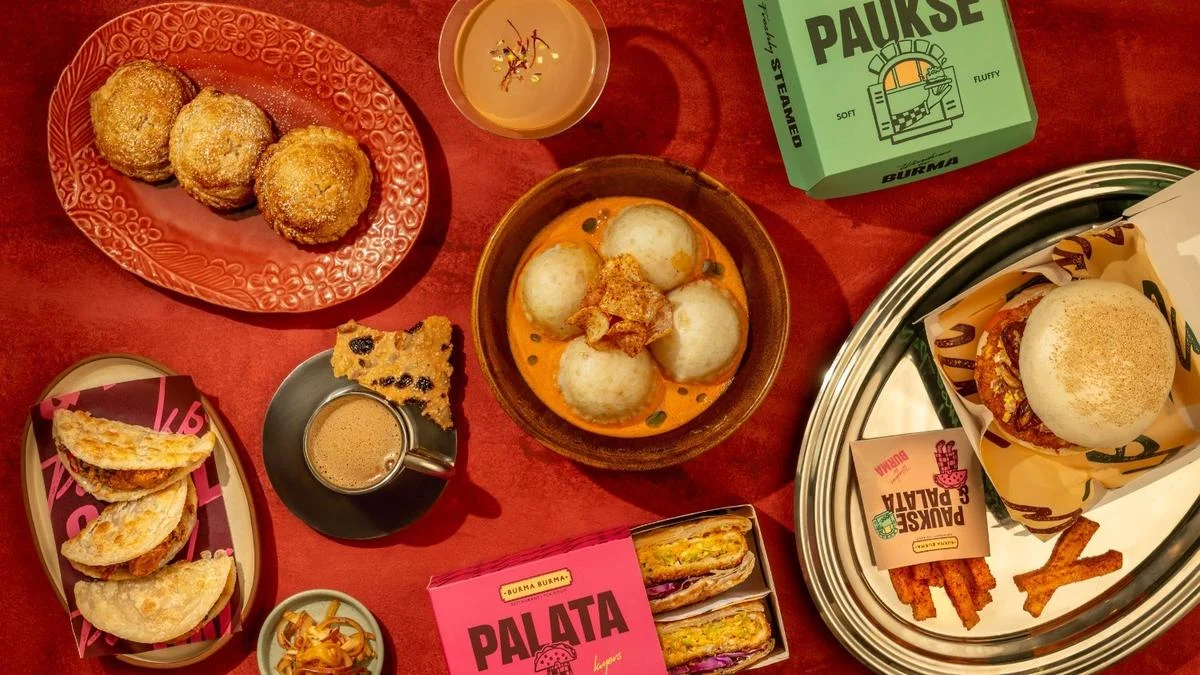
It is this rich and multifaceted world of the Burmese tea shop that Burma Burma, a renowned restaurant chain, seeks to bring to the forefront with its limited-edition menu, "PaukSe & Palata: Windows to Burma." Available throughout August across its restaurants in Mumbai, Delhi NCR, Bengaluru, Chandigarh, Ahmedabad, Kolkata, and Hyderabad, and also accessible through Swiggy and Zomato, this special menu is a curated exploration of the humble yet essential staples of Burmese tea shop fare.

The Genesis of "PaukSe & Palata": A Culinary Journey
The inspiration for "PaukSe & Palata" stems from a deep appreciation for the everyday rituals that define Burmese culture. Co-founder Ankit Gupta and Chef and Director of Culinary Operations, Ansab Khan, explain that in Myanmar, the concept of formal restaurants is not as prevalent as in many other parts of the world. Instead, people gravitate towards the informal and accessible setting of tea shops, which serve as the primary gathering places for social interaction and culinary enjoyment. This cultural nuance shaped their approach to the menu, aiming to capture the essence of these beloved local establishments.
"In Burma, the culture of restaurants is not prevalent," Gupta explains. "People gather around the food of the tea shop rather than restaurants, which are anyway few." This understanding led them to focus on the iconic dishes that form the backbone of tea shop cuisine.
Chef Ansab Khan elaborates on the menu’s conception, noting that the idea for a limited-edition menu emerged organically, influenced by the changing culinary landscape dictated by the monsoon season in Myanmar. "Tea shops are where food changes according to the hour," he states. "Breakfast has its own dishes, lunch becomes heavier, and by evening, the food shifts towards snacking and drinking." This fluidity in meal service and dish selection is a hallmark of Burmese tea shop culture, a characteristic they aimed to embody in their special offering.

A Culinary Heritage Rooted in Tradition and Migration
The "PaukSe & Palata" menu is not merely a collection of dishes; it is a narrative woven with threads of history, migration, and culinary evolution. At the heart of the menu lie "PaukSe" and "Palata," two cornerstone elements of Burmese tea shop cuisine.
Chef Ansab Khan delves into the origins of Palata, a staple that has become synonymous with Burmese tea shops. "Palata is made from ordinary maida flour, yet its preparation can be anything but ordinary," he notes. "Burmese palata originated from the Indian subcontinent, evolving directly from the South Indian parotta or ‘paratha’ as it is called in Hindi. It travelled to Myanmar through historical trade and the Indian diaspora, eventually transforming into a lighter, layered, and slightly sweeter street food staple found in local tea shops." This historical connection highlights the deep-seated culinary influences that have shaped Myanmar’s gastronomic identity.
The preparation of Palata itself is a testament to the dedication and skill involved in Burmese cooking. Chef Ansab Khan describes a meticulous technique where the dough is stretched and folded repeatedly until it can be inflated into a large balloon. This process traps air between the layers, resulting in a bread that shatters and flakes when torn, a delicate and satisfying texture that is a hallmark of authentic Burmese Palata. The Burma Burma team’s commitment to authenticity is evident in their efforts to master this technique. "The team travelled to Burma to learn the technique," Chef Ansab reveals. "We did a three-day course just to learn how to flip palata and tea making in Burma: typical techniques of flipping it." This hands-on approach underscores their dedication to bringing an authentic Burmese experience to their patrons.

A Symphony of Flavors: Exploring the "PaukSe & Palata" Menu
The "PaukSe & Palata" menu is a carefully curated selection that aims to transport diners to the bustling streets and cozy corners of Myanmar’s tea shops. The menu offers a diverse range of dishes, from light noodle preparations to heartier snacks and, of course, the iconic Burmese pulled teas.
PaukSe Preparations: While the original article mentions three paukse preparations, specific details are not elaborated. However, paukse typically refers to a type of steamed or boiled dish, often involving vegetables or grains, reflecting the healthier side of Burmese cuisine.
Palata Creations: The menu features four palata preparations, showcasing the versatility of this beloved flatbread. The "OG Burmese Taco" is a standout, transforming the classic keema palata into a convenient handheld bite. This dish features spicy minced mock meat and a flavourful chilli garlic butter, offering a delightful fusion of traditional Burmese flavors with a contemporary presentation. The emphasis on mock meat reflects Burma Burma’s commitment to offering vegetarian options, a significant aspect of Burmese cuisine, especially during Buddhist Lent.

The Art of Burmese Pulled Tea and House-Made Sodas: No tea shop experience in Myanmar is complete without a glass of laphet yay, or Burmese pulled tea. The "PaukSe & Palata" menu elevates this traditional beverage with unique offerings. The "pistachio and saffron pulled tea" is described as thick, milky, and well-boiled, infused with the sweet and subtle flavors of saunf (fennel seeds) and star anise. The addition of pistachio butter lends it a rich, brown, and earthy undertone, creating a truly indulgent experience.
Ankit Gupta elaborates on the intricate process of making Burmese pulled tea: "They mix three different types of tea together. One is the black tea, one is slightly cooked or roasted black tea, and they give it with a slight pinch of salt and condensed milk. It’s very, very unique." This description highlights the complex layering of flavors and textures that make Burmese pulled tea a distinctive beverage. The tea is "pulled" between vessels, a theatrical element that adds to the enjoyment of the drink. The precise balance of milk, sweetness, salt, and condensed milk is adjusted according to the drinker’s preference, emphasizing the personalized nature of this cherished drink.
Complementing the pulled teas are house-made sodas, offering a refreshing alternative. While specific flavors are not detailed, the inclusion of such beverages further enhances the authentic tea shop experience, where a variety of drinks are typically available.

Desserts: The menu also includes a selection of desserts, offering a sweet conclusion to the meal. While specific items are not detailed in the original text, it is likely that these desserts draw inspiration from traditional Burmese sweets, further enriching the culinary journey.
Burmese Khow Suey: A light coconut-milk noodle dish traditionally eaten for breakfast, the khow suey is a significant offering on the menu. Its inclusion underscores the Burmese practice of enjoying substantial dishes at any time of day, not necessarily adhering to Western meal structures. The khow suey is thoughtfully paired with Burma Burma’s cold teas, such as the "sea salt honeycomb," finished with lemon mousse and honeycomb, and the "jasmine rice and brown sugar," layered with brown sugar jelly and soft cheese foam. These contemporary accompaniments add a modern twist to a classic dish.
Cultural Significance: Beyond the Plate
The "PaukSe & Palata" menu is more than just a culinary offering; it is a cultural ambassador. By focusing on the tea shop, Burma Burma aims to educate diners about a fundamental aspect of Burmese life. Ankit Gupta emphasizes this point: "The more interesting proposition is cultural: to understand a country through one of its everyday rituals followed by its common people."

The distinction between tea shop food and hawker-style food is also highlighted. While hawkers might specialize in specific items like noodles or salads, the tea shop serves as a more comprehensive social gathering space. This nuanced understanding of Burmese culinary culture is central to the restaurant’s mission.
Furthermore, the menu subtly touches upon Myanmar’s relationship with vegetarian cooking. "Although predominantly non vegetarian, the country has a strong repertoire of vegetable dishes and periods when many people abstain from meat and alcohol during the Buddhist Lent," the article notes. This understanding allows Burma Burma to interpret dishes creatively, offering compelling vegetarian versions without compromising on flavor or authenticity.
A Journey of Dedication: Building the Burma Burma Experience
The realization of the "PaukSe & Palata" menu, and indeed the entire Burma Burma dining experience, is the culmination of years of dedicated effort and a deep passion for Burmese cuisine. Ankit Gupta shares the extensive journey involved in establishing the restaurant. "To open a restaurant, we require, in different categories, around 50 to 60 dishes. So it took us three to four years, multiple visits to Burma, to get the supply chain also sorted."

This commitment extends to sourcing authentic ingredients and building strong relationships with local suppliers. The restaurant’s connection to Myanmar is personal for Gupta, whose maternal family hails from the country. He reveals, "A lot of the ingredients you see at Burma were maybe imported from Burma." Chef Ansab Khan, while originally from India, has also developed a profound connection with Myanmar through his extensive travels. "Chef Ansab is from India, but now part Burmese, since he has had about 18 visits in the last nine years," Gupta laughs. This blend of personal heritage and professional dedication ensures that Burma Burma offers an experience that is both authentic and deeply rooted in cultural understanding.
Conclusion: A Small Window into Resilience
For one month, Burma Burma offers a precious opportunity to experience a microcosm of Myanmar. The "PaukSe & Palata" menu is a deliberate attempt to recreate the vibrant atmosphere and comforting flavors of Burmese tea shops, places that have historically served as pillars of community, especially during times of conflict. It provides a small yet insightful window into a cuisine that has been shaped by a complex tapestry of history, migration, and an enduring spirit of resilience.
The "PaukSe & Palata: Windows to Burma" menu is available until August 31st across all Burma Burma restaurants in India and for delivery via Swiggy and Zomato. It stands as a culinary testament to the enduring power of food to connect people, preserve culture, and tell stories of a nation, one delicious bite and a comforting cup of tea at a time.
