

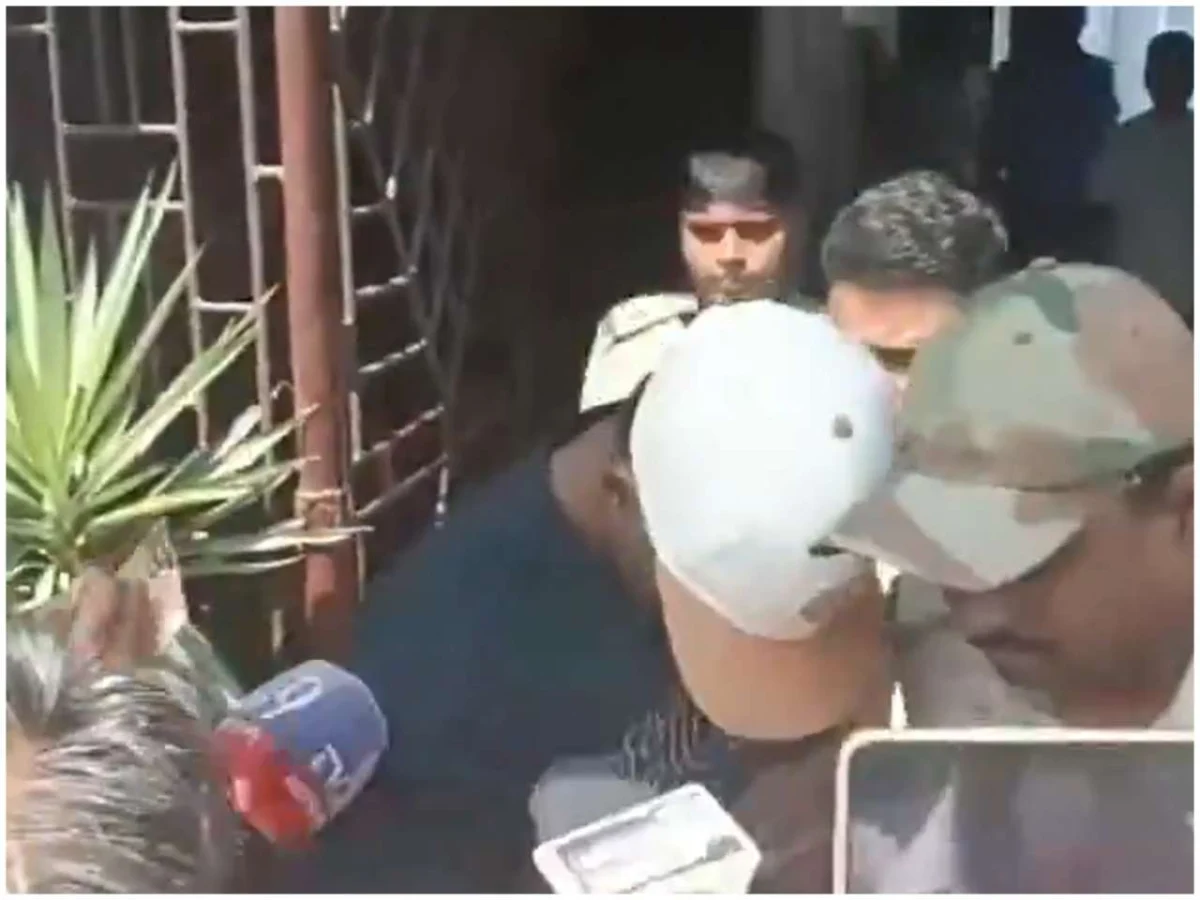
Kolkata, August 11, 2026 – In a development sending shockwaves through the Indian cricketing fraternity, Abhishek Porel, the promising wicket-keeper batter for the Delhi Capitals and a key figure in the Bengal domestic team, was arrested on Monday by Hooghly Police. The arrest stems from a formal complaint filed by a woman alleging fraud under the false promise of marriage, coupled with charges under specific sections of the Bharatiya Nyaya Sanhita (BNS) and the Information Technology (IT) Act.
Porel, 24, was taken into custody from Emami City in Dum Dum, Kolkata, following weeks of mounting legal pressure, which included a directive from the Calcutta High Court for his arrest. He was subsequently produced before the Chief Justice Magistrate of Chuchura in Hooghly district, who remanded him to three days of police custody for further investigation. While the allegations cast a dark shadow over his burgeoning career, Porel has vehemently denied all charges, labelling them false and baseless.
The incident highlights the growing legal complexities faced by public figures in personal matters, especially concerning allegations of relationship fraud, and underscores the strict enforcement of new legal frameworks designed to protect individuals from deceptive practices. The cricketing world now watches closely as the legal process unfolds, with significant implications for Porel’s future and the reputation of the sport.
Main Facts
The core of the matter revolves around a criminal complaint lodged against Abhishek Porel by a woman residing in Mogra, Hooghly district. The primary allegation against the Delhi Capitals star is that he cohabited with the complainant and entered into a relationship with her under the explicit promise of marriage, which he later allegedly reneged upon, constituting a criminal act of fraud.
Hooghly Rural Superintendent of Police (SP) Kunwar Bhushan Singh officially confirmed Porel’s arrest, detailing that the cricketer was apprehended from Emami City within the jurisdiction of Dum Dum Police Station. The case, registered at Mogra Police Station (Case No. 346/26), includes charges under relevant sections of the Bharatiya Nyaya Sanhita (BNS), which replaced the Indian Penal Code, and Sections 66E and 72 of the Information Technology Act, 2000. These IT Act sections pertain to the violation of privacy and breach of confidentiality, suggesting that the allegations might involve the misuse or unauthorized sharing of private information or digital communications exchanged during their relationship.
Porel, a left-handed wicket-keeper batter, has been a significant talent in Indian domestic cricket, representing Bengal in the Ranji Trophy and making his mark in the Indian Premier League (IPL) with the Delhi Capitals. His arrest marks a dramatic turn of events for a player who was seen as a promising prospect for both franchise and potentially national cricket. The legal proceedings have swiftly moved forward, with Porel now in police custody, facing an intensive period of interrogation and evidence gathering. This situation places immense pressure on the young cricketer, whose professional trajectory now hangs precariously in the balance.
)
Chronology of Events
The arrest of Abhishek Porel is the culmination of a series of legal and investigative steps that have unfolded over recent months. Understanding the timeline provides critical context to the current situation.
Initial Complaint and Investigation Commences
The journey to Porel’s arrest began several months ago when the complainant, a resident of Mogra in Hooghly, first approached the local police with her allegations. While the exact date of the initial complaint has not been publicly disclosed, sources indicate it was filed a significant period before the recent high court directive. Her complaint detailed a relationship with Porel that allegedly developed under the false premise of marriage. She claimed that Porel had made explicit promises of marriage to her, on the basis of which they cohabited, only for him to later withdraw from these commitments, leading her to believe she had been deceived and defrauded.
Upon receiving the complaint, the Mogra Police Station initiated an investigation. This preliminary phase would have involved recording the complainant’s statement, gathering any initial evidence she could provide (such as communication records, photographs, or witness testimonies), and attempting to establish the veracity of the claims. The process, typical for such sensitive cases, is often meticulous and time-consuming, involving careful scrutiny of all available information before escalating to more drastic measures like arrest.

Calcutta High Court’s Intervention and Arrest Directive
As the investigation progressed, it appears there might have been complexities or delays in the police’s ability to apprehend Porel, or perhaps Porel sought anticipatory bail, which was challenged. The matter eventually escalated to the Calcutta High Court. Weeks prior to the current arrest, the High Court, after reviewing the case and the evidence presented, issued a significant directive: it ordered the Bengal Police to arrest Abhishek Porel in connection with the ongoing case.
This judicial intervention underscored the seriousness of the allegations and the court’s view that immediate custodial interrogation was necessary for the investigation to proceed effectively. Such a directive from a High Court is not issued lightly and typically implies that the court found sufficient prima facie evidence to warrant an arrest, or that Porel’s cooperation with the investigation was deemed insufficient. The High Court’s order effectively removed any ambiguity regarding the need for Porel’s apprehension, paving the way for the police to act decisively.
The Arrest and Court Appearance
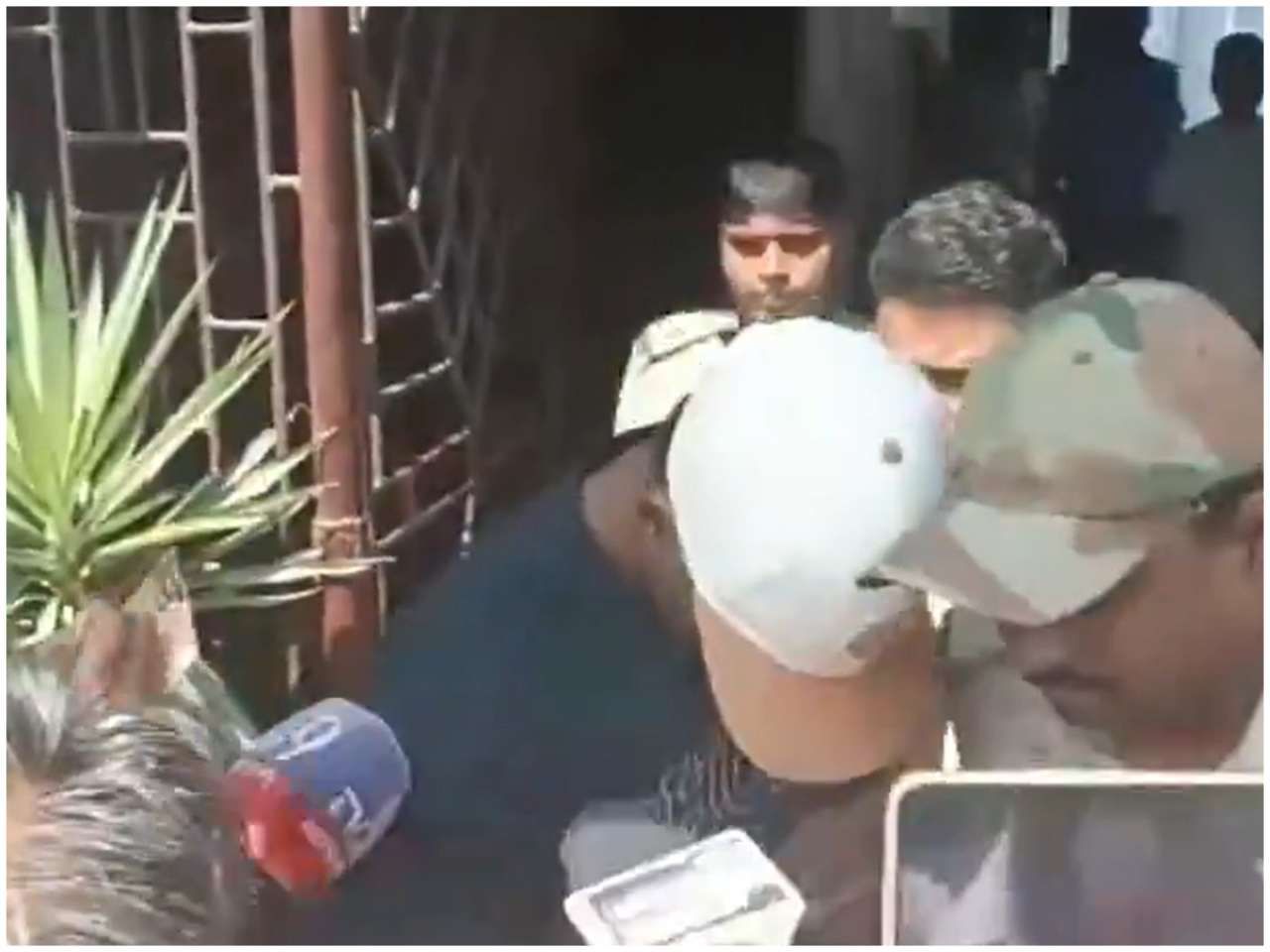
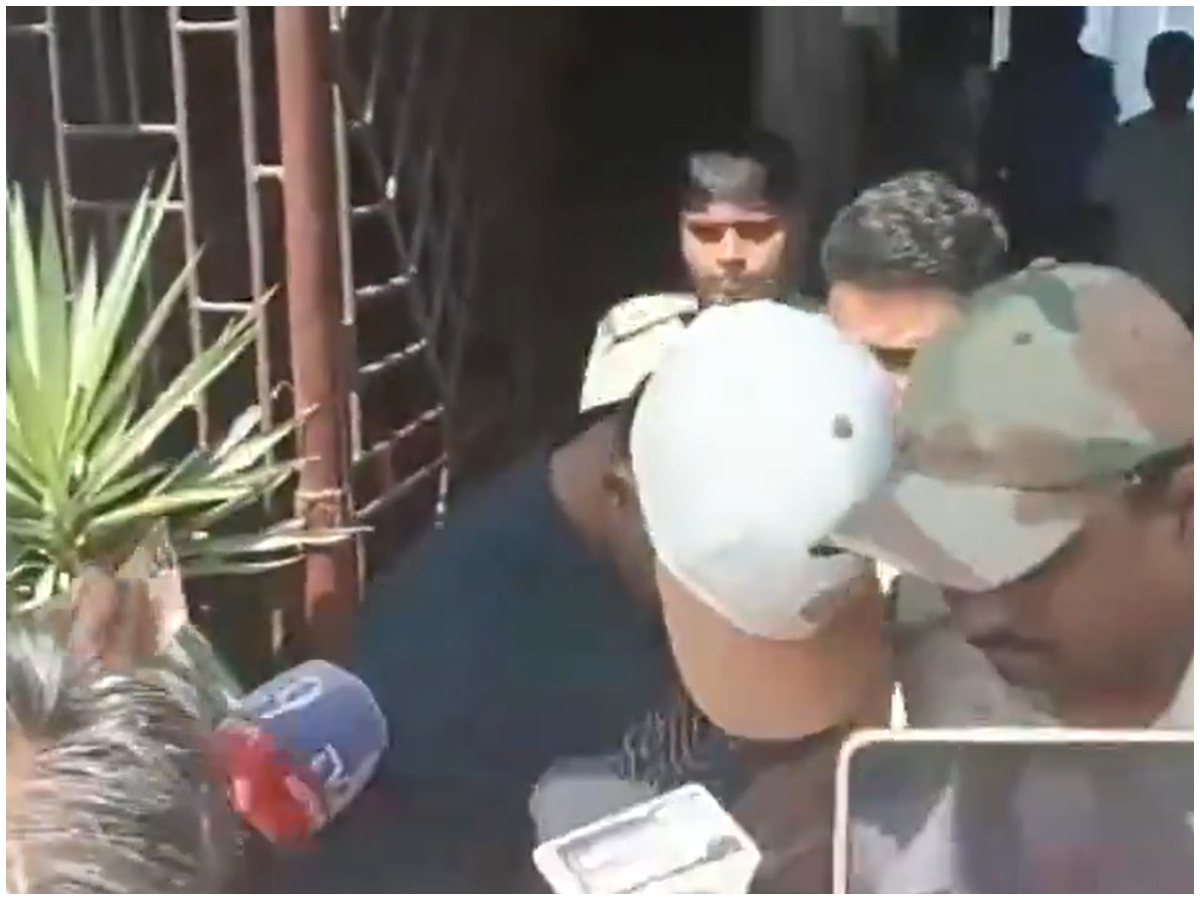
Acting on the High Court’s directive, a team from the Mogra Police of Hooghly district successfully located and apprehended Abhishek Porel. The arrest took place on Monday, August 11, 2026, at Emami City, an urban residential complex located under the Dum Dum Police Station area in Kolkata. The operation appears to have been carried out discreetly to avoid undue media spectacle, with Porel reportedly taken into custody without incident.
)
Following his arrest, Porel was transported to Hooghly district and produced before the court of the Chief Justice Magistrate of Chuchura. This is a standard legal procedure, where an arrested individual must be presented before a magistrate within 24 hours of arrest. During the hearing, the police would have formally informed the court of the charges against Porel and requested his remand for further investigation. The Chief Justice Magistrate, after considering the police’s arguments and the nature of the case, remanded Abhishek Porel to three days of police custody. This allows the police to interrogate him extensively, gather more evidence, and confront him with the allegations, without the presence of his legal counsel, which is crucial for building a strong case.
Supporting Data and Background
To fully comprehend the gravity of the situation, it’s essential to delve into Abhishek Porel’s cricketing background, the precise nature of the allegations, and the broader legal context surrounding such cases in India.
Abhishek Porel’s Cricket Career and Profile
Abhishek Porel emerged as a promising talent in the Indian cricketing landscape, primarily known for his role as a left-handed wicket-keeper batter. Born in Chandannagar, Hooghly, Porel quickly climbed through the ranks of Bengal’s age-group cricket before making his first-class debut for the state team in the Ranji Trophy. His consistent performances behind the stumps and his aggressive yet reliable batting style earned him recognition.
)
Porel’s big break came with his selection for the Delhi Capitals in the Indian Premier League (IPL). While the exact year of his IPL debut isn’t specified in the original article, his association with a major franchise like the Capitals underscores his potential and the high hopes placed on him by the cricketing establishment. He has been considered a valuable asset, particularly given the scarcity of quality Indian wicket-keeper batters who can also contribute significantly with the bat. His performances in the domestic circuit for Bengal have been crucial, often providing stability to the middle order and executing sharp dismissals. Before this incident, Porel maintained a relatively clean public image, focusing on his game and representing his teams with dedication. This sudden legal entanglement therefore comes as a significant blow to a career that was seemingly on an upward trajectory, poised for greater heights.
The Nature of the Allegations: Fraud Under False Promise of Marriage & IT Act
The core allegation against Porel is "fraud under false promise of marriage." In India, this is a serious criminal charge, often falling under sections related to cheating (like Section 420 of the erstwhile IPC, now addressed in the Bharatiya Nyaya Sanhita – BNS). The legal interpretation hinges on whether the promise of marriage was genuine at the outset of the relationship or if it was made with a fraudulent intention to induce the complainant into a physical or intimate relationship. If the promise was made without any actual intention to marry, and merely as a tool to gain consent or cohabitation, it can be deemed criminal deception. This distinguishes it from a genuine promise that later breaks down due to unforeseen circumstances or a change of heart, which would typically be a civil matter. The complainant alleges that Porel cohabited with her based on this fraudulent promise.
Furthermore, the inclusion of Sections 66E and 72 of the Information Technology Act, 2000, adds another layer of complexity.
)
- Section 66E deals with "Punishment for violation of privacy." This section stipulates punishment for anyone who intentionally or knowingly captures, publishes, or transmits the image of a private area of any person without their consent, under circumstances violating the privacy of that person. This could imply that private images or videos exchanged during the relationship might have been involved in some form, either shared without consent or used manipulatively.
- Section 72 addresses "Penalty for breach of confidentiality and privacy." This section states that any person who, in pursuance of any of the powers conferred under this Act, has secured access to any electronic record, book, register, correspondence, information, document, or other material without the consent of the person concerned, discloses such electronic record, etc., to any other person, shall be punished. This suggests that Porel might have accessed or disclosed private digital communications or data belonging to the complainant without her authorization, potentially using it as leverage or for other nefarious purposes related to the alleged fraud.
The combined application of BNS sections pertaining to fraud and these IT Act provisions indicates a comprehensive complaint that spans both relationship deception and the misuse of digital information or privacy during the course of that relationship.
Legal Context of Such Cases in India
Cases involving "fraud under false promise of marriage" have become increasingly prevalent in India, often drawing significant public attention and legal debate. Indian courts have grappled with distinguishing between a genuine change of mind in a relationship and a malicious intent to deceive from the outset. The judiciary generally emphasizes that for such a promise to constitute a criminal offense, the deception must have been present at the very inception of the relationship, influencing the complainant’s decision to engage in physical or intimate relations. A mere breach of promise, without the element of initial fraudulent intent, typically does not amount to a criminal offense.
The rise of social media and digital communication has also led to a surge in cases involving privacy violations and the misuse of personal data, as reflected by the invocation of IT Act sections in Porel’s case. The legal system is continually adapting to these new forms of alleged offenses, providing avenues for victims to seek justice against digital harassment, blackmail, or breaches of trust. These cases underscore the need for greater awareness about consent, digital ethics, and the potential legal repercussions of deceptive behavior in personal relationships, especially for individuals in the public eye.
)
Official Responses and Statements
The arrest of a prominent athlete like Abhishek Porel invariably elicits responses from various stakeholders, including law enforcement, the accused individual and their legal team, and the sporting bodies they represent.
Police Statements
Hooghly Rural Superintendent of Police (SP) Kunwar Bhushan Singh has been the primary official voice confirming the details of the arrest. His statements have been precise and factual, outlining the charges and the process. "In connection with the Mogra Police Station case registered under Sections of BNS and Sections 66E/72 of the IT Act, the prime accused, namely Abhishek Porel, has been arrested from Emami City under Dum Dum Police Station in connection with the aforesaid case alleging that he cohabited with a woman on the promise of marriage," SP Singh stated. He further emphasized that the arrest was made following due legal process and an ongoing investigation.
The police’s stance is one of firm commitment to the investigation. They are now tasked with gathering further evidence, including digital forensics, witness statements, and Porel’s own testimony during his remand period. The police aim to build a robust case to present before the court, ensuring that all aspects of the complainant’s allegations are thoroughly examined. The SP also mentioned that the victim girl lives in Mogra, highlighting the local nature of the complaint.
)
Abhishek Porel’s Denial
Through initial interactions with law enforcement and likely through his emerging legal counsel, Abhishek Porel has vehemently denied all the accusations levelled against him. The police official confirmed this, stating, "The cricketer has denied the allegations, calling them false." Porel’s denial indicates a strong intent to fight the charges, suggesting that his legal team will argue that the allegations are fabricated, a misunderstanding, or a misrepresentation of facts.
While Porel himself has not issued a public statement directly (as he is in police custody), his legal strategy will undoubtedly focus on discrediting the complainant’s claims, challenging the evidence presented by the police, and asserting his innocence. His defence might argue that any relationship was consensual, that promises were not fraudulent from the outset, or that the IT Act sections are being misapplied. The coming days will likely see his legal representatives working towards securing his bail and preparing for a vigorous defence in court.
Delhi Capitals’ Position
As of the current reporting, the Delhi Capitals franchise has yet to issue an official statement regarding Abhishek Porel’s arrest. This is not uncommon in high-profile cases involving athletes, as franchises often adopt a cautious "wait and watch" approach. They typically allow the legal process to unfold before making any definitive statements or taking disciplinary action.
)
However, behind the scenes, the management of the Delhi Capitals would undoubtedly be monitoring the situation closely. An arrest, especially on charges of fraud and privacy violation, is a serious matter that could have significant implications for a player’s contract, team image, and internal dynamics. The franchise will likely be in communication with Porel’s legal team to understand the details of the case. While they are bound by contractual obligations, most sporting organizations have clauses relating to player conduct and bringing the game into disrepute. Depending on the outcome of the police investigation and court proceedings, the Capitals may eventually need to decide on his future with the team, balancing legal due process with their brand reputation and ethical responsibilities.
Bengal Cricket Association’s Stance
Similarly, the Bengal Cricket Association (BCA), which Porel represents in domestic cricket, has not released any official statement. Like the Delhi Capitals, the BCA would likely be observing the situation carefully. For domestic cricket bodies, the focus often remains on ensuring the smooth functioning of their teams and competitions. An arrest of a key state player can disrupt team preparations and morale.
The BCA will also likely await the detailed findings of the police investigation and judicial pronouncements before considering any action, such as temporary suspension or other disciplinary measures. Their primary concern would be to uphold the integrity of the sport and ensure that any player misconduct is addressed appropriately, while also respecting the legal rights of the individual involved. The broader cricketing ecosystem, including the Board of Control for Cricket in India (BCCI), would also be implicitly aware of the situation, though direct intervention at this early stage is less probable unless the situation escalates significantly.
)
Implications
The arrest of Abhishek Porel carries profound implications, not just for his personal life and career, but also for the Delhi Capitals, Bengal cricket, and the broader societal discourse around such allegations.
Impact on Porel’s Career
The immediate and most severe implication for Abhishek Porel is the direct threat to his burgeoning cricket career. Being remanded to police custody, even for a short period, disrupts his training, mental preparation, and availability for upcoming matches. This arrest could lead to an immediate suspension from his cricketing commitments, both with the Delhi Capitals in the IPL and for Bengal in domestic tournaments. Franchises and state associations often have clauses in player contracts that allow for suspension or termination in cases of criminal charges or conduct that brings disrepute to the game.
In the long term, the impact could be catastrophic. Even if Porel is eventually acquitted, the mere accusation and the public scrutiny surrounding an arrest on such charges can severely damage his reputation. This could lead to a loss of existing sponsorship deals, hinder future endorsement opportunities, and erode public trust. The mental and emotional toll of facing a criminal trial, coupled with intense media attention, can also significantly affect a player’s performance and passion for the sport. His prospects of representing India, a dream for many young cricketers, would likely diminish considerably, at least until his name is cleared entirely. The road to rebuilding his career, regardless of the legal outcome, will be arduous and challenging.
)
Impact on Delhi Capitals and Bengal Cricket
The Delhi Capitals will face significant challenges. The absence of a key wicket-keeper batter could impact team dynamics and selection strategies, especially if the legal process is protracted. Beyond the field, the franchise’s brand image could suffer. Teams invest heavily in their players not just for their cricketing skills but also for their public persona. An arrest involving charges of fraud and privacy violation can create negative publicity, potentially affecting fan perception and sponsor confidence. The Capitals will need to manage this crisis carefully, balancing their legal responsibilities with their commitment to ethical conduct.
Similarly, Bengal cricket will feel the repercussions. Porel is an integral part of their domestic setup, and his unavailability or the distraction caused by the case could affect team performance and morale. For both the Capitals and Bengal, the situation necessitates transparency and decisive action as the legal process unfolds, ensuring that their commitment to integrity is upheld.
Broader Societal Implications
Porel’s arrest also resonates with broader societal themes and the ongoing conversations around accountability, consent, and digital ethics. The increasing number of cases involving "fraud under false promise of marriage" highlights a critical issue in modern relationships and the legal mechanisms designed to protect vulnerable individuals. This case will likely reignite discussions about how the justice system navigates such sensitive matters, balancing the need to protect alleged victims with ensuring a fair trial for the accused.
)
The invocation of IT Act sections 66E and 72 further underscores the growing importance of digital privacy and the legal ramifications of misusing personal data or private communications. In an age where relationships often unfold significantly in the digital realm, the boundaries of consent and confidentiality become paramount. This case serves as a stark reminder for public figures and individuals alike about the severe consequences of alleged deception and privacy breaches, emphasizing the legal and ethical responsibilities inherent in personal interactions, particularly when they transition into the digital space. It reinforces the societal push towards greater accountability, driven in part by movements advocating for victims’ rights and against various forms of exploitation.
Next Steps in the Legal Process
Following Porel’s three-day police custody, several legal avenues will open. The police will use this period to interrogate him, collect further evidence, verify facts, and potentially conduct forensic analysis of digital devices. At the end of the remand period, Porel will be produced before the Chief Justice Magistrate again.
At this point, the police will either request an extension of his custody if they believe more time is needed for investigation, or they will seek judicial custody, which means he would be moved to jail. Simultaneously, Porel’s legal team will likely file a bail application, arguing for his release. The court will then decide on the bail application, considering the nature of the charges, the evidence collected, Porel’s cooperation with the investigation, and the risk of him absconding or tampering with evidence. If bail is granted, it will likely come with certain conditions.
)
If the police gather sufficient evidence, they will file a charge sheet (now called ‘investigation report’ under BNS) outlining the charges and the evidence against Porel. This will lead to the commencement of a formal trial, where both prosecution and defence will present their cases, examine witnesses, and submit evidence. The legal battle is expected to be protracted, with significant time and resources required from all parties involved, until a final verdict is reached. The outcome will set a precedent and have lasting ramifications for Abhishek Porel’s life and career.
