

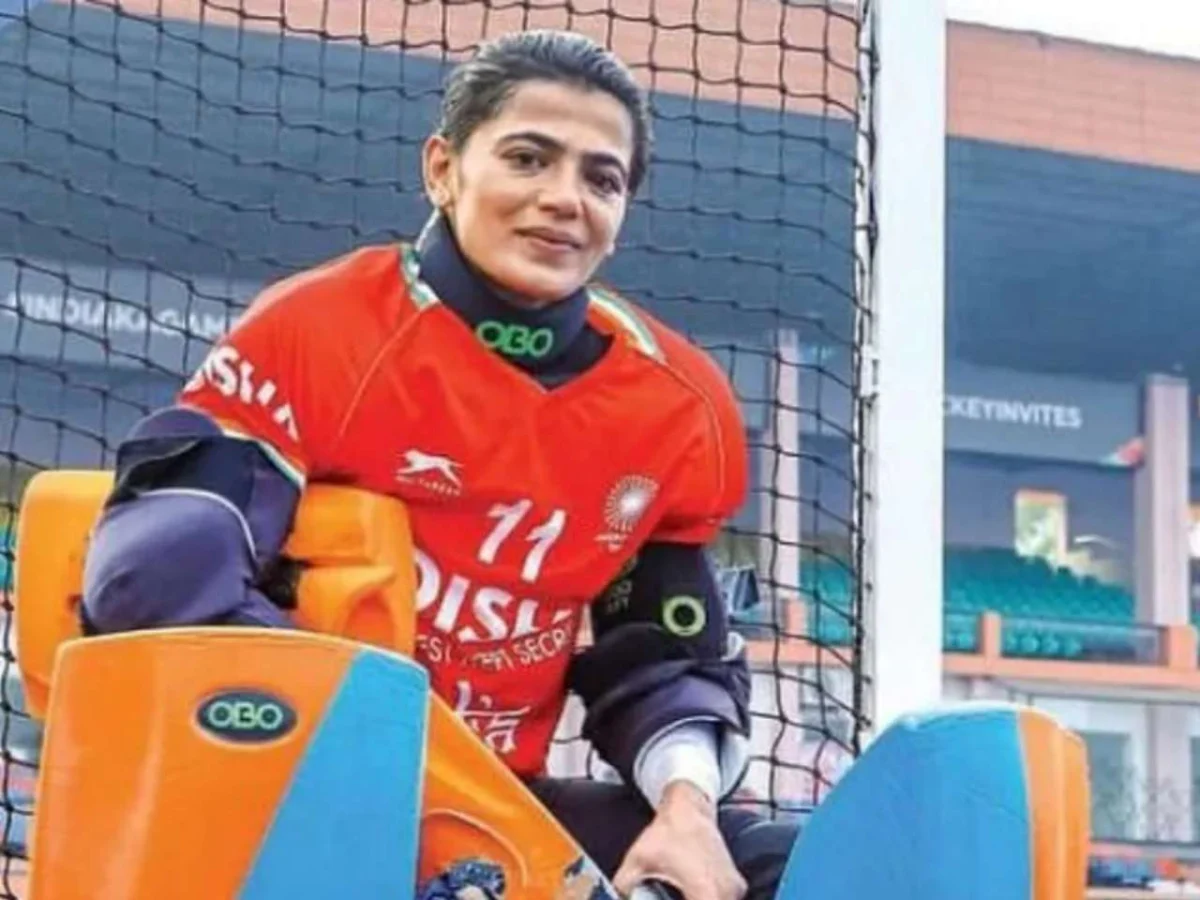
Amstelveen, Netherlands / Terrassa, Spain – [Date of Publication] – A wave of palpable confidence is sweeping through the Indian Women’s Hockey team as they prepare to embark on their campaign at the prestigious FIH Women’s Hockey World Cup. Buoyed by their recent triumph at the Nations Cup, veteran goalkeeper and defensive lynchpin, Savita Punia, has articulated the squad’s collective belief, asserting unequivocally, "There isn’t a single team that we can’t compete with." This bold declaration underscores a profound shift in mindset and ambition for a team that has consistently pushed boundaries in recent years.
The quadrennial showpiece event, co-hosted by Belgium and the Netherlands, is set to ignite from August 14 to August 30, bringing together the world’s elite hockey nations to vie for ultimate glory. India finds itself in a challenging yet exciting Pool D, alongside formidable opponents China, England, and South Africa. Their journey will commence on August 16 in Amstelveen, where they are slated to face a familiar foe in China, a match that will set the tone for their aspirations.
The Catalyst for Confidence: Nations Cup Triumph
The bedrock of this newfound self-assurance stems directly from India’s emphatic victory at the FIH Nations Cup in Auckland, where they outmaneuvered New Zealand with a convincing 2-0 performance in the final. This tournament, designed to provide a crucial competitive platform for teams outside the FIH Pro League, proved to be an invaluable proving ground for the Indian squad.
Savita Punia, reflecting on the significance of the win, emphasized its competitive nature. "Winning the FIH Nations Cup was a big achievement," she told JioStar, a sentiment echoed throughout the team. "It was competitive and coming out on top gave us a huge boost. Winning gold after a long time has lifted the team’s morale and belief." The Nations Cup, in its previous iterations, has featured a strong lineup of teams including Spain, Japan, Chile, South Africa, Italy, and Korea, making India’s consistent success (having won both editions since its inception) a testament to their growing prowess and ability to perform under pressure.
The victory wasn’t merely about lifting a trophy; it was about solidifying a winning mentality and testing tactical strategies against diverse playing styles. The team’s defensive solidity, evident in their clean sheet in the final, coupled with their opportunistic attacking play, highlighted a well-rounded performance. This triumph served as a crucial psychological uplift, demonstrating that the team possesses the depth and resilience required to succeed on the international stage. It validated the rigorous training and strategic adjustments implemented by the coaching staff, reinforcing the belief that their methods are yielding tangible results.
Chronology of Ascent: Building Momentum
India’s journey to this pinnacle of confidence has been a carefully constructed chronology of growth, marked by strategic participation in high-stakes tournaments and a steady progression in performance. The Nations Cup win, while significant, is merely the latest chapter in a broader narrative of development.
Prior to the Nations Cup, India’s participation in the FIH Pro League offered invaluable exposure against top-ranked teams. Savita Punia specifically cited "recent close games in the FIH Pro League against Argentina, the Netherlands, and Germany" as crucial experiences that demonstrated India’s capacity to compete with the best. These encounters, often decided by narrow margins, instilled a belief that the gap between India and the traditional hockey powerhouses has significantly narrowed, if not closed entirely. The ability to push these elite teams, to create chances, and to defend resolutely, has been instrumental in shaping the team’s current outlook.
The FIH Pro League matches were not just about results; they were about learning. Each game provided tactical insights, exposed areas for improvement, and allowed players to adapt to the relentless pace and precision demanded at the highest level. The lessons gleaned from these competitive fixtures have been meticulously integrated into their training regimes and match strategies, contributing to the holistic development of the squad. This continuous cycle of competition, analysis, and improvement has been a cornerstone of their preparation, culminating in the current high state of readiness and confidence.
Supporting Data: A Deeper Dive into India’s Strengths
Savita Punia’s assertion that "on our day, we have the ability, physical condition and attitude to take on anyone" is backed by observable trends and data points. The Indian team has undergone a significant transformation in recent years, focusing intensely on several key areas that now define their competitive edge.
Physical Conditioning: Modern hockey demands peak physical fitness, and the Indian squad has invested heavily in this aspect. Their endurance, speed, and agility have visibly improved, allowing them to maintain intensity throughout 60 minutes of play, a crucial factor against teams known for their relentless pressing. This enhanced physical prowess enables them to execute complex tactical plans, transition quickly between defense and attack, and maintain a high work rate, thereby putting constant pressure on opponents.
Tactical Acumen: Under the guidance of their coaching staff, the team has developed a sophisticated understanding of game strategy. Their defensive structure is more organized, their press is more coordinated, and their attacking patterns are more varied. The ability to adapt tactics mid-game, based on the opponent’s strategy, is a testament to their improved game intelligence. This includes proficient penalty corner routines, both in attack and defense, which are often decisive in close encounters.
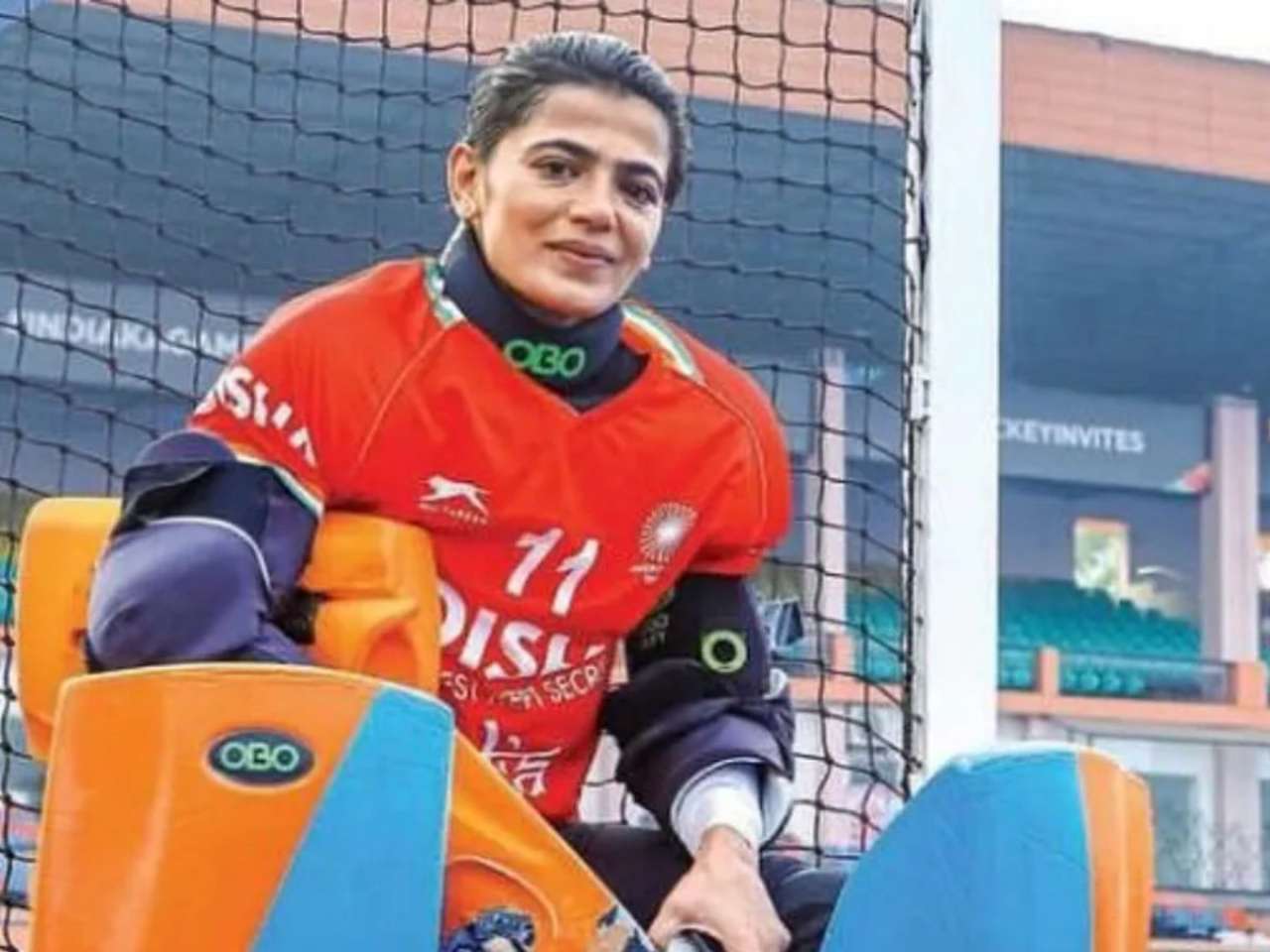
Individual Skill and Team Cohesion: The squad boasts a blend of individual brilliance and strong collective play. Players like Savita Punia herself, with her exceptional reflexes and game reading, and Salima Tete, with her blistering pace and tireless work ethic, exemplify the individual talent. Crucially, these individual strengths are seamlessly integrated into a cohesive team unit, where players understand their roles and responsibilities, support each other, and communicate effectively on the field. This synergy allows them to operate as a well-oiled machine, maximizing their collective potential.
Mental Fortitude: The ability to perform under pressure, to bounce back from setbacks, and to close out tight games is a hallmark of mentally tough teams. The Nations Cup victory, coming after challenging Pro League fixtures, demonstrates this growing resilience. The team’s belief in themselves and in each other is a powerful intangible asset that can often make the difference in high-stakes tournaments.
Decoding Pool D: The Road Ahead
Pool D presents a fascinating challenge for India, featuring three distinct opponents, each with their own strengths and playing styles:
-
China: India’s opening opponent, China, is known for its disciplined defense, strong physical presence, and quick counter-attacking style. Historically, matches between India and China have been tightly contested affairs. China often employs a compact defensive block, making it difficult for opponents to break through, and relies on swift transitions to create scoring opportunities. India will need to demonstrate patience, precise ball movement, and effective penalty corner conversions to unlock their defense. Recent encounters suggest a competitive rivalry, with both teams eager to gain an early advantage in the pool.
-
England: As one of Europe’s hockey powerhouses and Olympic champions (from Tokyo 2020), England brings a wealth of experience, a physically demanding style of play, and strong set-piece threats. Their players are adept at playing high-tempo hockey, often employing an aggressive press and utilizing their individual skills to penetrate opposition circles. Facing England will be a litmus test for India’s defensive organization and their ability to absorb pressure while creating their own chances. The match against England will demand peak performance in terms of fitness and tactical execution.
-
South Africa: The African champions, South Africa, are known for their athleticism, speed, and ability to spring surprises. While perhaps not as consistently ranked as England or China, they possess the capacity to cause upsets and cannot be underestimated. Their players often exhibit raw talent and a never-say-die attitude, making them unpredictable opponents. India will need to maintain focus, avoid complacency, and ensure they convert their opportunities against a team that will fight for every ball.
Navigating Pool D successfully will require a blend of tactical flexibility, mental resilience, and consistent performance across all three matches. A strong start against China will be crucial for building momentum and confidence for the subsequent encounters.
Official Responses: Voices of Leadership
The team’s confidence is not just a general feeling; it is articulated by its key leaders, Savita Punia and Captain Salima Tete, whose insights offer a window into the squad’s collective mindset and strategic focus.
Savita Punia: The "Wall" and Mentor
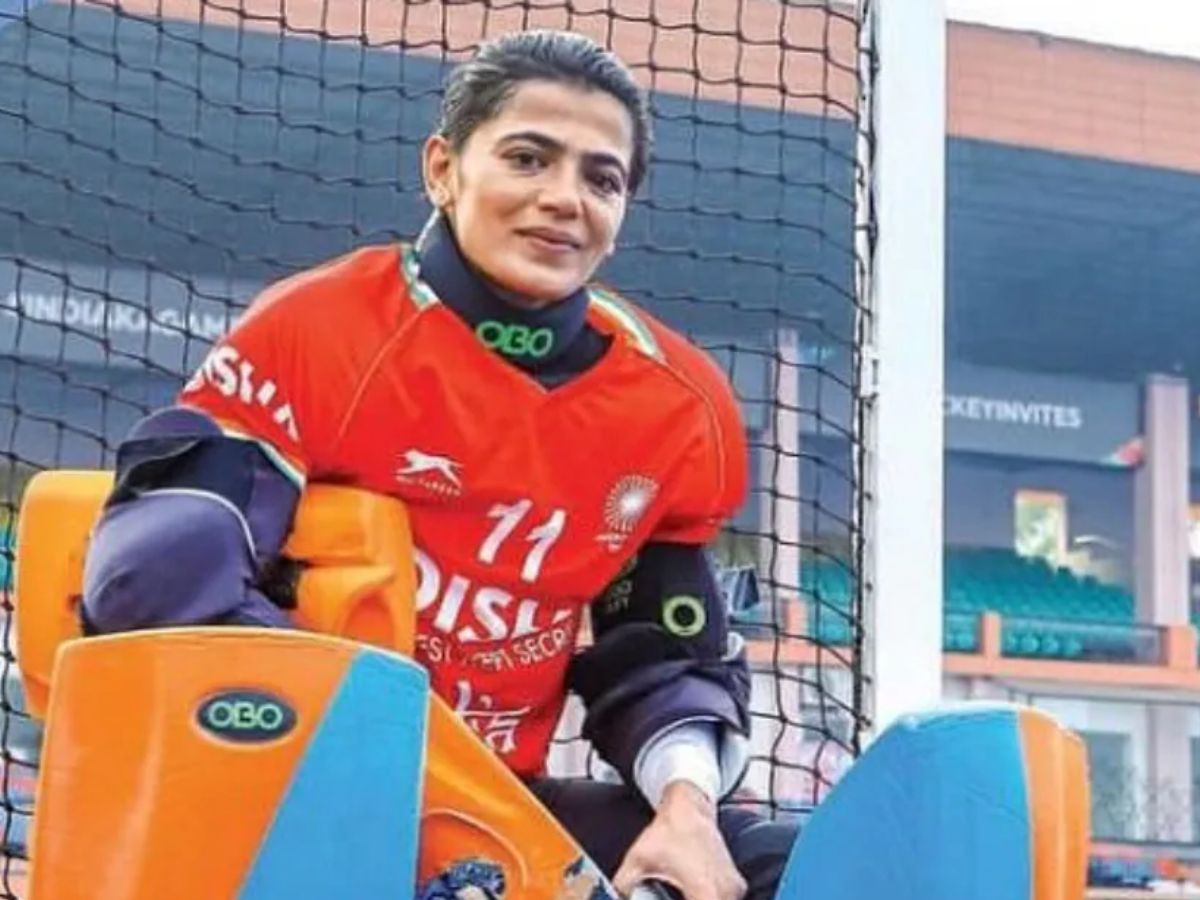
For Savita Punia, this World Cup marks her third appearance on hockey’s grandest stage. Her experience is invaluable, especially in navigating the immense pressure that comes with such a high-profile tournament. "To be part of a third consecutive World Cup is a huge achievement. I have worked hard to get here," she remarked. Her journey from a budding goalkeeper to one of the world’s best, often hailed as "The Wall" for her incredible saves, is a testament to her dedication and talent.
As a senior player, Savita understands her dual role: not just to perform but to inspire and guide. "As a senior player, I want to lead by example, stay calm under pressure, and help the team perform at its best," she affirmed. Her calm demeanor under the most intense circumstances is a steadying influence for the entire defensive unit. Her ability to organize the backline, communicate effectively, and make crucial saves at critical moments makes her an indispensable asset. She embodies the team’s resilience and determination, offering both tangible saves and intangible leadership.
)
Salima Tete: The Dynamic Captain
Savita Punia was effusive in her praise for the young captain, Salima Tete. "She described Salima as an excellent, energetic midfielder whose quickness puts opponents under early pressure, particularly when defending penalty corners." Salima’s meteoric rise to captaincy is a reflection of her exceptional talent, leadership qualities, and relentless work ethic. Her speed and agility in midfield are crucial for both breaking down opposition attacks and initiating India’s own offensive moves. Her ability to press high and win possession back quickly is a key component of India’s defensive strategy, especially in preventing opponents from settling into their rhythm during penalty corners.
Captain Salima, in turn, emphasized the team’s unwavering commitment to preparation. "The squad works hard on recovery, food, and fitness every day," she stated, highlighting the comprehensive approach to professional sport. Her focus on fundamental aspects underscores the belief that success is built on meticulous preparation and sustained effort. Acknowledging the formidable nature of the competition, she candidly stated, "There are no simple games in a World Cup." This realistic assessment is crucial for maintaining focus and preventing complacency. Yet, her ambition remains clear: "We are aiming for the podium and supporting our strengths." This statement encapsulates the team’s blend of pragmatic assessment and high aspiration, driven by a collective desire to make history.
The synergy between Savita’s seasoned wisdom and Salima’s youthful dynamism provides a robust leadership core, capable of guiding the team through the demanding challenges of the World Cup.
Implications: A New Dawn for Indian Hockey
The aspirations articulated by Savita Punia and Salima Tete carry significant implications, not just for the immediate World Cup campaign but for the broader landscape of Indian hockey and women’s sports in the country.
Breaking Historical Barriers: India’s best World Cup finish dates back to 1974, where they secured fourth place. More recently, the team ranked eighth in 2018 and ninth in 2022. A podium finish in this edition would be a monumental achievement, signaling a definitive shift in India’s standing in global hockey. It would demonstrate that the current team possesses the quality and consistency to compete at the very top, moving beyond the occasional "dark horse" label.
Inspiring a Generation: Success on such a grand stage has a profound ripple effect. A strong performance, particularly a medal, would undoubtedly inspire a new generation of young girls across India to take up hockey. It would provide tangible role models and demonstrate that dedication and hard work can lead to international recognition and success. This, in turn, could lead to a broader talent pool and sustained development for the sport.
Visibility and Investment in Women’s Sports: A high-profile achievement at the World Cup would significantly enhance the visibility of women’s hockey and, by extension, women’s sports in India. Increased media coverage, greater fan engagement, and potential sponsorship opportunities would provide much-needed financial and infrastructural support. This could lead to better facilities, more professional leagues, and improved pathways for female athletes, thereby elevating the status of women’s sports across the nation.
National Pride and Global Recognition: Sporting triumphs hold immense national significance in India. A successful World Cup campaign would bring immense pride to the nation and further solidify India’s growing reputation in the international sporting arena. It would showcase the progress made in sports science, coaching, and athlete development within the country, earning global respect and recognition.
The Road to Paris 2024: A strong performance at the World Cup could also have direct implications for Olympic qualification for Paris 2024, either directly or by improving their world ranking significantly, which impacts subsequent qualification tournaments. The momentum gained from a successful World Cup would be invaluable in their quest for Olympic glory.
In conclusion, the Indian Women’s Hockey team enters the FIH World Cup with a potent blend of hard-earned confidence, meticulous preparation, and a clear vision for success. With Savita Punia’s unwavering belief and Salima Tete’s dynamic leadership, the team is poised to challenge the best in the world. Their journey, starting with the crucial match against China, will be watched with keen anticipation by a nation eager to witness their ‘Tigresses’ roar on the global stage and etch a new, glorious chapter in Indian hockey history. The ambition is clear, the belief is strong, and the stage is set for what promises to be a captivating display of skill, grit, and determination.
