

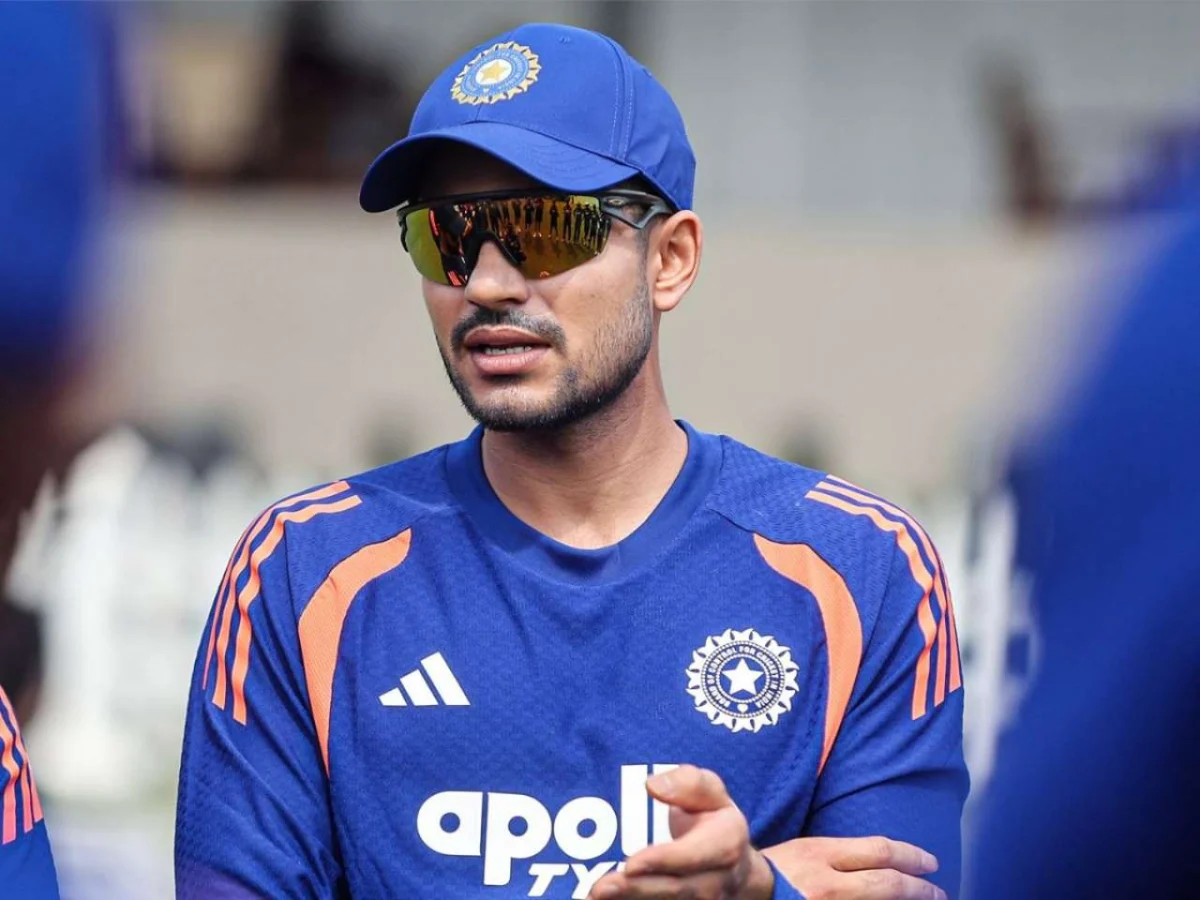
COLOMBO, Sri Lanka – August 13, 2026 – In a significant declaration that has reverberated across the cricketing world, Sri Lankan bowling legend Chaminda Vaas has emphatically endorsed Shubman Gill as the vanguard of India’s next generation in Test cricket. Vaas, a figure synonymous with left-arm pace artistry, believes the formidable talent pipeline within Indian cricket is more than capable of navigating the post-Virat Kohli and Rohit Sharma era, asserting that their absence will not diminish India’s prowess on the global stage. These powerful comments arrive on the eve of a crucial Test series against Sri Lanka, marking a pivotal moment as India embarks on a new chapter in its rich Test cricket history.
The cricketing fraternity has long grappled with the inevitable question of succession, particularly concerning players of the stature of Kohli and Sharma, who collectively defined an epoch for Indian cricket. With both stalwarts having bid farewell to Test cricket in 2025, a palpable sense of anticipation, mixed with a hint of apprehension, has surrounded the Indian team’s transition. Vaas’s unequivocal backing of Gill and the current crop of talent serves as a potent reassurance, highlighting the depth and resilience embedded within the Indian cricketing ecosystem.
Main Facts: A Bold Endorsement Amidst Transition
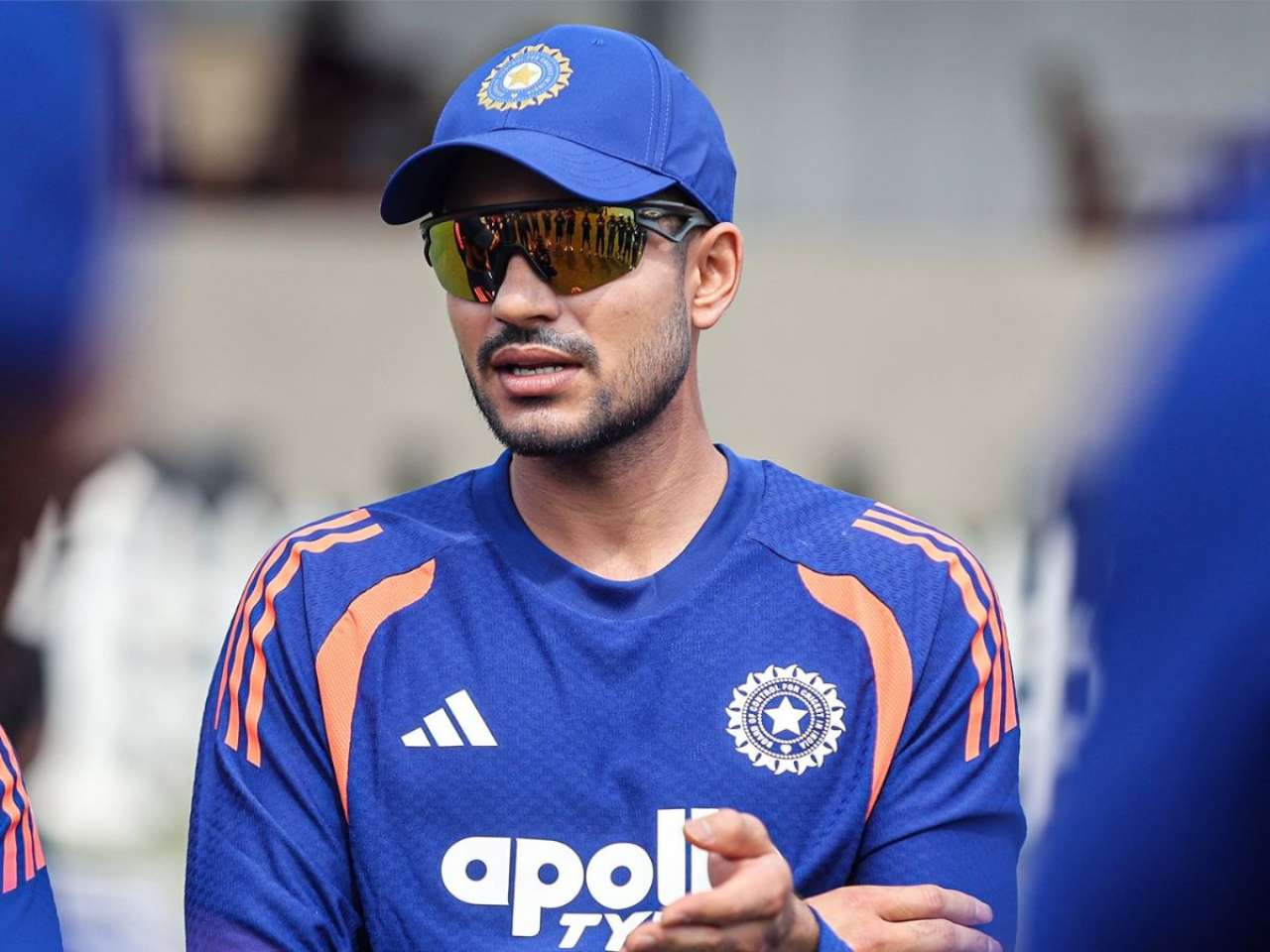
The central tenet of Chaminda Vaas’s recent remarks, delivered in an exclusive interview with RevSportz, is a profound belief in Shubman Gill’s capacity to not only lead but also define India’s future in Test cricket. Vaas, celebrated for his incisive bowling and strategic acumen, has identified Gill as the standout performer among India’s emerging Test talents, citing his temperament, skill, and ability to dominate. This endorsement is particularly weighty given Vaas’s own illustrious career, which includes holding the record for the best-ever ODI bowling spell (8/19).
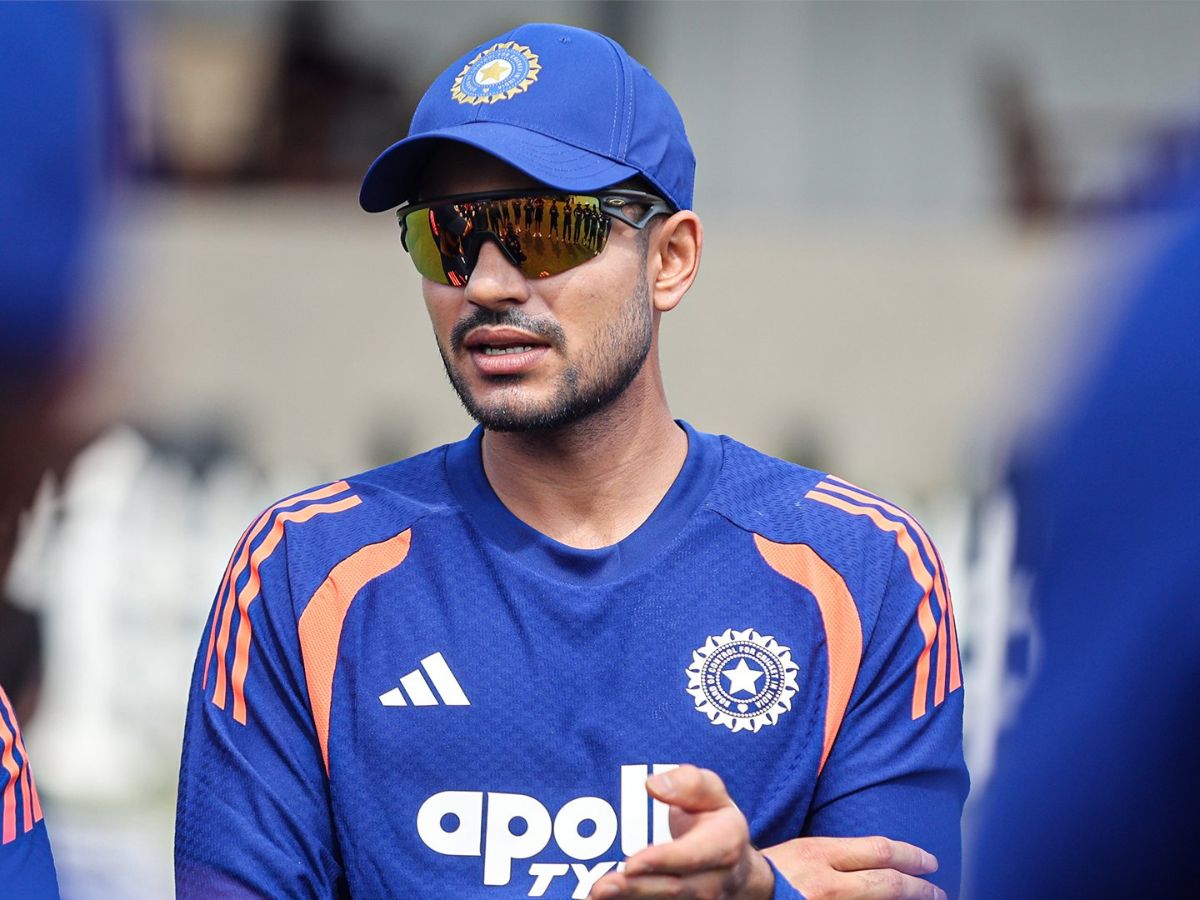
India is poised to commence a demanding Test series against Sri Lanka, with the first match scheduled to begin on August 15 in Galle. This series holds immense significance, being the first of nine remaining Tests in India’s current World Test Championship (WTC) cycle. For India, the objective is clear: to finish no lower than second in the standings to secure a berth in the WTC Final, now just ten months away. The stakes are undeniably high, placing Gill’s leadership and the collective performance of the new-look squad under an intense spotlight.
)
Vaas’s confidence extends beyond Gill, encompassing a broader trust in India’s batting depth. He specifically mentioned players like KL Rahul and Yashasvi Jaiswal, asserting that the team’s batting lineup remains "packed with talent" even without the iconic presence of Kohli and Sharma. This perspective challenges any notion of a power vacuum, instead painting a picture of a vibrant and well-stocked talent pool ready to uphold India’s formidable reputation in the longest format of the game.
Adding to the narrative of Gill’s ascendance, his recent captaincy record speaks volumes. A sensational tour of England saw him amass an astounding 754 runs in just five matches, culminating in a monumental knock of 269 – a historic feat that now stands as the highest Test score by an Indian captain. These statistics underscore not just his individual brilliance but also his burgeoning leadership capabilities, providing tangible evidence for Vaas’s high praise.

Chronology: The Evolution of an Era
The transition period for Indian Test cricket has been a gradual, yet ultimately decisive, one. For over a decade, the names Virat Kohli and Rohit Sharma were synonymous with Indian batting prowess, their contributions shaping countless victories and indelible moments. Kohli, with his aggressive captaincy and unparalleled batting records, transformed India into a dominant force, particularly in Test cricket. Rohit Sharma, though a later entrant into consistent Test success, brought his unique brand of elegant yet destructive batting, often providing crucial impetus at the top of the order.
Their retirements from Test cricket in 2025 marked the end of a golden era. While anticipated, the reality of their absence necessitated a strategic recalibration for the Board of Control for Cricket in India (BCCI) and the team management. The immediate challenge was not merely to replace their runs, but to fill the immense void in leadership, experience, and the psychological impact they had on opposition teams.
)
Shubman Gill’s journey to the helm has been one of consistent performance and measured growth. Having debuted in Test cricket in late 2020, Gill quickly showcased glimpses of his immense talent, characterized by a classical technique and an unflappable temperament. His early career was marked by promising starts and occasional breakthroughs, but it was in the post-Kohli/Sharma phase that his leadership qualities truly blossomed. The selectors, recognizing his potential, entrusted him with the captaincy, a decision that has been vindicated by his immediate impact. His appointment symbolized a clear intent from the BCCI to invest in youth and foster a new generation of leaders.
The lead-up to the Sri Lanka series has seen India navigating a challenging WTC cycle. Following the retirements, the team underwent a period of adjustment, experimenting with various combinations and consolidating their new core. While results were not always immediate, the focus remained on blooding new talent and ensuring a seamless transition. This series against Sri Lanka is thus more than just another bilateral contest; it is a critical juncture for India to reassert its WTC ambitions and for Gill to solidify his leadership credentials on foreign soil.
)
India’s historical performance in Sri Lanka provides a compelling backdrop to this narrative. The statistics paint a picture of undeniable dominance: five straight Test victories, an undefeated record in Sri Lanka since 2015, and an unblemished series record there since 2008. The most recent tour, nine years ago, saw India sweep the hosts 3-0, a testament to their commanding presence. This historical precedence adds another layer of expectation, both for the new leadership under Gill and for the team to maintain its formidable legacy against their island neighbours. The collective memory of these past triumphs serves as both an inspiration and a benchmark for the current squad.
Supporting Data: Gill’s Ascent and India’s Deep Bench
Chaminda Vaas’s assessment of Shubman Gill is not merely anecdotal; it is rooted in a deep understanding of the game and an astute observation of the young batsman’s evolution. When Vaas, a bowler who epitomized precision and control throughout his 111-Test career, declares Gill to be "the best I’ve seen from India in recent years," the weight of that compliment is immense. Vaas’s own career, highlighted by his record-breaking 8/19 against Zimbabwe in 2001, grants him unique credibility to identify genuine talent and temperament.
)
Vaas’s specific praise for Gill’s "right temperament" and the challenge of "getting him out when he settles in" speaks volumes about the psychological fortitude Gill brings to the crease. This isn’t just about elegant stroke play; it’s about the mental resilience to absorb pressure, the patience to wear down bowlers, and the concentration to build substantial innings. In Test cricket, where mental endurance is as crucial as technical skill, Gill’s calm demeanor under duress sets him apart. His ability to convert starts into significant scores, as evidenced by his record-breaking captaincy knock, underscores this very trait. A temperament like Gill’s is often the hallmark of future legends, capable of inspiring confidence throughout the dressing room and instilling fear in opposition attacks.
The statistical evidence supporting Gill’s captaincy is nothing short of phenomenal. His tour of England, traditionally a challenging environment for touring batsmen, saw him amass 754 runs in just five matches. This wasn’t a fluke; it was a sustained display of high-class batting against a formidable English attack. The crescendo of this performance was his epic 269, which not only propelled India to a dominant position but also etched his name in the annals of Indian cricket history as the highest individual Test score by an Indian captain. This achievement surpassed previous records held by legendary figures, signaling a new era of leadership by example. Such performances are not only personally significant but also serve to galvanize the team, demonstrating that a young captain can shoulder immense responsibility and deliver under pressure.
)
Vaas’s assertion that India’s batting lineup remains “packed with talent” even without Kohli and Sharma is further substantiated by the presence of players like KL Rahul and Yashasvi Jaiswal. KL Rahul, with his versatility and experience across formats, offers a calming presence and a solid technique at the top or in the middle order. His ability to adapt to different conditions and situations makes him a valuable asset. Yashasvi Jaiswal, on the other hand, represents the fearless, aggressive new guard. His explosive starts and audacious stroke play have already made him a crowd favourite and a potent threat to opposition bowlers.
Beyond these established names, India’s cricketing infrastructure has consistently produced a conveyor belt of talent. The domestic circuit, particularly the Ranji Trophy, continues to be a crucible for Test cricketers. Players like Shreyas Iyer, known for his attacking middle-order batting, and the promising wicketkeeper-batsman Dhruv Jurel, who has shown glimpses of composure and skill, stand ready to contribute. The competition for places is fierce, ensuring that only the most deserving and in-form players make it to the national squad. This healthy competition fosters a culture of excellence, ensuring that the void left by stalwarts is quickly and effectively filled by capable replacements.
)
Collectively, the new guard – led by Gill – presents a compelling case. While the sheer volume of runs and the aura of Kohli and Sharma are irreplaceable in a nostalgic sense, the combined potential, current form, and youthful exuberance of Gill, Rahul, Jaiswal, and others offer a dynamic and exciting alternative. The team composition now emphasizes adaptability, aggressive intent when needed, and a collective responsibility, rather than an over-reliance on one or two individuals. This holistic strength, Vaas argues, makes India a formidable opponent regardless of who is missing.
Official Responses: Navigating the Transition
The official stance from the Indian team management and the BCCI has been one of cautious optimism and strategic planning during this significant transition. While acknowledging the unparalleled contributions of Virat Kohli and Rohit Sharma, the selectors have consistently emphasized the importance of looking forward and investing in the future. The appointment of Shubman Gill as captain was not a knee-jerk reaction but a carefully considered decision, reflecting the implicit faith placed in his leadership qualities and his ability to carry the legacy forward.
)
Rahul Dravid, the head coach, has often spoken about building a resilient team for the next decade, focusing on developing a core group of players who can perform consistently across conditions. His philosophy aligns perfectly with the current scenario, where individual brilliance is complemented by collective strength. While no direct quotes on Vaas’s specific comments are available at the time of reporting, the general sentiment from the Indian camp has been to empower the new leadership and encourage the younger players to seize their opportunities.
However, the transition has not been without its external commentary. Several former cricketers and prominent pundits have weighed in on India’s post-Kohli/Sharma era. While many echo Vaas’s sentiment about the depth of Indian talent, some have expressed a degree of concern regarding the immediate impact of losing such experienced campaigners. Sunil Gavaskar, for instance, in an earlier interview, highlighted the importance of experience in crucial match situations, suggesting that while the talent is undeniable, the mental fortitude forged over hundreds of Tests takes time to cultivate. Conversely, Ravi Shastri, known for his bullish outlook, has often championed the youth, stating that Indian cricket has always found a way to produce champions, and this era will be no different. The general consensus, however, leans towards acknowledging the immense potential of the current squad while recognizing the unique challenges of filling such colossal shoes.
)
Fan sentiment, as always, is a mix of excitement and anxiety. Social media platforms buzz with debates about the team’s composition, Gill’s captaincy style, and the likelihood of maintaining India’s top-tier status in Test cricket. While the farewell of Kohli and Sharma was met with an outpouring of emotion, there’s a tangible eagerness to see the new generation carve out its own identity and continue the tradition of excellence. The upcoming series against Sri Lanka is, therefore, not just a test of cricketing skill but also a psychological barometer for the team and its supporters.
Implications: The Road Ahead for India and the WTC Dream
The implications of this series, and indeed this new era, are profound for Indian cricket. The immediate focus is unequivocally on the World Test Championship. As the first of nine remaining fixtures, the Sri Lanka series sets the tone for India’s entire WTC campaign. To reach the WTC Final, India must consistently perform, securing crucial points across various conditions. A strong start in Sri Lanka, where India has a dominant history, is not just desirable but arguably essential to build momentum and alleviate early pressure. Finishing in the top two of the WTC standings is a demanding task, requiring sustained excellence over the next ten months. Every Test match, every session, every run, and every wicket will contribute to this overarching goal.
)
For Shubman Gill, this series represents a monumental leadership test. His captaincy, still relatively nascent in Test cricket, will be scrutinized for tactical acumen, man-management skills, and the ability to inspire his teammates. A successful series, marked by convincing victories and strong personal performances, would significantly cement his position as India’s long-term Test captain. It would not only validate the selectors’ faith but also instill unwavering confidence within the squad and among the fan base. Conversely, any significant setbacks could lead to increased pressure and renewed debates about the captaincy.
Beyond the WTC, the broader implication concerns the long-term vision for Indian Test cricket. The successful transition from the Kohli-Sharma era to a new leadership under Gill will determine India’s standing as a global Test powerhouse for the next decade. The ability to consistently produce world-class talent, maintain a robust domestic structure, and seamlessly integrate new players while retaining a winning ethos is paramount. Vaas’s endorsement suggests that this foundation is strong, but the actual results on the field will be the ultimate arbiter.
)
For Sri Lankan cricket, this series presents an opportunity to test their mettle against a formidable, albeit transitioning, Indian side. Playing at home, they will be keen to exploit any perceived vulnerabilities and break India’s long-standing dominance on their soil. A strong performance against India would be a significant morale booster for Sri Lankan cricket, potentially revitalizing their own Test ambitions and inspiring a new generation of players.
The series concludes on August 27, and by then, a clearer picture of India’s readiness for this new era will emerge. Will Shubman Gill fully embrace the mantle of leadership and shepherd his team to WTC glory? Will the collective talent of the next generation prove Vaas’s foresight to be accurate, truly making India not miss the legends who have departed? The answers will not only shape India’s immediate cricketing future but also redefine the narrative of post-superstar transitions in the sport. The stage is set for a captivating chapter in Indian Test cricket, where a new dawn promises both challenges and exhilarating possibilities.
