

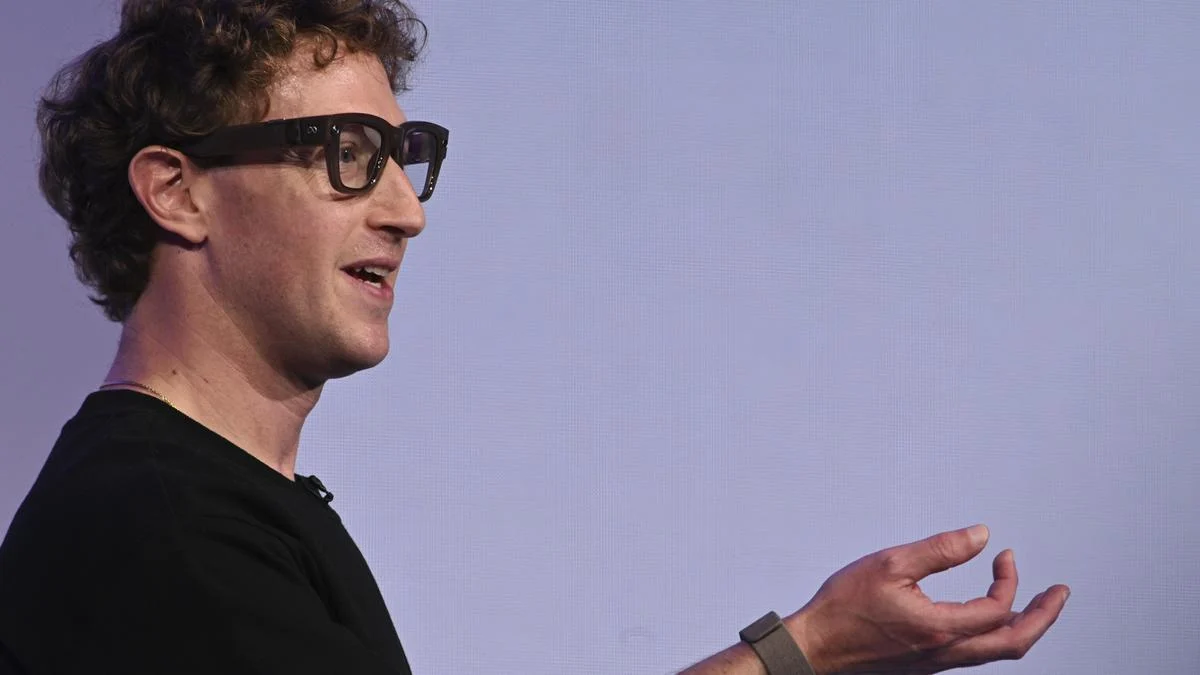
NEW DELHI/SAN FRANCISCO – August 13, 2026 – Months after their highly anticipated release, Meta’s AI-powered smart glasses, developed in collaboration with fashion giant Ray-Ban, are facing a mounting wave of global criticism. What was envisioned as a revolutionary step in wearable technology has instead become a lightning rod for concerns over privacy violations, harassment, and the erosion of public trust, leading to widespread calls for stricter regulation and a re-evaluation of ethical boundaries in the digital age.
The initial launch was characterized by an aggressive marketing blitz, featuring full-page advertisements in prominent newspapers, slick video commercials, and strategic partnerships with high-profile social media influencers across various geographies, including India and the United States. Celebrities like socialite Kylie Jenner were enlisted to champion special editions, such as the Meta Starfire Kylie Edition, aiming to embed the stylish eyewear into mainstream culture. However, this celebrity endorsement strategy has backfired, with public figures and influencers now facing significant backlash for their association with a product increasingly dubbed "pervert glasses" or "creep glasses" by a concerned public.
A Troubled Rollout: The Chronology of Controversy
Meta’s foray into the smart glasses market, following previous attempts by other tech giants, aimed to seamlessly integrate digital interaction into daily life. The collaboration with Ray-Ban, a revered name in eyewear, sought to overcome the aesthetic hurdles that plagued earlier iterations of smart glasses, offering a discreet design that blended functionality with fashion. The marketing campaign was designed to normalize hands-free photo and video capture, positioning the glasses as an effortless tool for content creation and memory preservation.
The launch strategy, which unfolded over several months, involved a multi-pronged approach. In India, print media was heavily utilized, alongside digital campaigns featuring local influencers showcasing the glasses in various lifestyle contexts. In Western markets, the appeal of celebrity endorsements, exemplified by Kylie Jenner, was leveraged to tap into trend-setting consumer segments. The narrative pushed by Meta emphasized convenience, innovation, and a new way to capture life’s moments without the intrusive presence of a smartphone.
However, the honeymoon period was remarkably short-lived. Almost immediately following their widespread availability, whispers of concern began to circulate online, quickly escalating into a cacophony of criticism. Users on platforms like Instagram, ironically Meta’s own property, began flooding the official Ray-Ban | Meta accounts with angry and disgusted comments. The initial excitement among tech enthusiasts and early adopters was rapidly overshadowed by a public outcry centered on the potential for covert surveillance and non-consensual recording. This swift shift in public sentiment marked the beginning of a significant challenge for Meta, transforming what was intended as a technological marvel into a symbol of privacy intrusion.
Whispers of Concern Turn to Roars: The Nature of the Backlash
The core of the backlash stems from the fundamental tension between personal privacy and ubiquitous recording capabilities. Unlike smartphones, which are overtly held and visibly pointed, smart glasses offer a more discreet recording mechanism. This subtlety has fueled public anxiety, leading to the derogatory rebranding of the devices as "pervert glasses" or "creep glasses." The fear is that wearers can secretly record individuals in public, semi-public, or even private settings without their knowledge or consent, opening doors to potential misuse, harassment, and exploitation.
The "Creep" Factor and Social Media as a Battleground:
The term "creep glasses" encapsulates the public’s perception of the device as enabling surreptitious recording. This negative framing has been remarkably effective in shaping public opinion. Online forums, social media comments, and even mainstream discussions are rife with accusations against wearers, often shaming them and urging them to leave their devices at home. The psychological impact of not knowing if one is being filmed at any given moment is profound, leading to a pervasive sense of unease and a feeling of lost autonomy in public spaces. Instagram, a key platform for showcasing the glasses, has paradoxically become a primary arena for expressing this discontent, with comment sections beneath influencer posts often dominated by privacy-related criticisms.
The Viral Anti-Campaigns:
The backlash transcended mere online comments, manifesting in impactful real-world campaigns. One particularly viral anti-Meta advertisement in London featured a standing poster depicting the disgraced financier and convicted child sex abuser Jeffrey Epstein wearing the smart glasses. The accompanying slogan, stark and provocative, read: "Glasses for people who don’t do consent." This audacious campaign leveraged a notorious figure to unequivocally link the smart glasses with egregious privacy violations and a disregard for personal boundaries, amplifying public outrage and associating the product with highly unethical conduct. The image, widely shared across social media, served as a powerful, albeit controversial, symbol of the deep-seated fears surrounding the technology.
"Content Creation" or Covert Surveillance?
Meta’s marketing positioned the glasses as tools for effortless content creation – hands-free cooking videos, travel vlogs, and spontaneous captures. However, the reality, as demonstrated by numerous user-generated videos, often blurs the line between innocent content and invasive recording.
-
"Joy-Baiting" Pranks: A concerning trend involves "joy-baiting" pranks, where glasses-wearers approach unsuspecting individuals or groups, often without warning, and threaten to report them to the police for trivial or even flattering reasons (e.g., "looking too good"). The prankster then records the subjects’ relieved laughter for online consumption. While seemingly benign, these pranks raise serious ethical questions. It remains unclear whether the subjects provide explicit consent to be filmed, let alone have their reactions uploaded online for public viewing. Disturbingly, these compilations often include recordings of family members, including minor children, whose images are then broadcast to potentially thousands of strangers for views and engagement, without any clear consent from guardians.

-
Harassment of Service Professionals: Another troubling pattern involves pranksters using the glasses to film candid reactions of retail employees or customer service agents at their workplaces. These interactions, often designed to tease or trick, exploit the vulnerability of individuals performing their duties. A particularly egregious example from India, recorded with Meta Ray-Ban AI glasses, showed a prankster asking an at-home massage therapist to rub his body with food ingredients. The therapist, whose employer’s name was clearly visible, was filmed expressing discomfort and being pressured by the smart glasses-wearer, highlighting the potential for exploitation and public shaming of individuals in service industries. These incidents underscore the ease with which the technology can be misused to harass, embarrass, and potentially jeopardize the livelihoods of unsuspecting individuals.
Instagram head Adam Mosseri publicly acknowledged the issue, stating that Meta would take down video content involving harassment or non-consensual recording. However, critics argue that this policy remains "not widely enforced," allowing a significant volume of problematic content to persist on the platform, further fueling public skepticism about Meta’s commitment to addressing the ethical challenges posed by its own technology.
A Regulatory Vacuum: The Struggle for Guidelines
The rapid pace of technological innovation often outstrips the ability of legal and regulatory frameworks to adapt. This disparity is glaringly evident in the case of Meta’s AI glasses, where a lack of clear guidelines has created confusion, distress, and a sense of vulnerability among the public.
India’s Nascent Efforts:
In India, community-led and grassroots efforts to advocate for legislation against AI glasses and smart glasses are still in their rudimentary stages. While there is growing awareness and concern, these movements currently lack the widespread support and organized structure needed to significantly influence policy-making. The absence of a robust public discourse, coupled with the complexities of drafting legislation for nascent technologies, means that comprehensive regulations remain a distant prospect.
Undefined Boundaries and Public Confusion:
One of the most pressing issues is the absence of standardized rules governing the use of Meta AI glasses near sensitive areas. Questions abound regarding their permissibility in military sites, government buildings, medical facilities (where patient privacy is paramount), or childcare settings (where the presence of recording devices raises immediate safeguarding concerns). This regulatory vacuum leaves individuals unsure about their rights and the extent to which authorities can intervene when they witness someone recording them with smart glasses. The ambiguity creates an environment ripe for misunderstanding and potential conflict.
The Schoolyard Ban:
In a proactive move that highlights the immediate concerns surrounding the technology, some schools have already begun banning smart glasses. This preemptive measure is driven by a trifecta of concerns: privacy (of students and staff), safety (potential for misuse or bullying), and academic integrity (cheating during examinations). These institutional bans serve as a stark indicator of the perceived risks, even in controlled environments, and underscore the urgent need for broader societal guidelines.
Historical Context and the Pace of Law:
The challenge of regulating smart glasses is not entirely new. Precedents like Google Glass, launched a decade prior, also faced significant privacy backlash, leading to its eventual withdrawal from the consumer market. These historical lessons, however, appear to have had limited impact on the regulatory landscape. The legislative process is inherently slow, often struggling to keep pace with the exponential growth of technological capabilities. Crafting laws that are both effective and future-proof, without stifling innovation, requires a delicate balance that governments globally are yet to achieve in the realm of wearable recording devices. This slow legislative response leaves a critical gap in consumer protection and empowers a sense of impunity among those who might misuse the technology.
Meta’s Stance: Addressing the Storm
In response to the escalating criticism, Meta has reiterated its commitment to user transparency and privacy safeguards, pointing to several features designed to alert individuals when a recording is in progress.
Transparency Through Technology:
Meta highlights that its smart glasses incorporate a small shutter sound for the wearer and, crucially, an upgraded blinking LED indicator that activates when the camera or video function is in use. "It’s there so people around you know when you are taking a photo or video you could save to your gallery and share with others," Meta stated in a blog post. The company further differentiated its product from smartphones and action cameras, noting, "While mobile phones and action cameras don’t have this on their cameras, ours have had them since day one." This emphasis aims to position Meta’s glasses as more transparent than conventional recording devices.
Evolution of Features and Anti-Tampering Measures:
Recognizing the potential for malicious intent, Meta’s second generation of glasses incorporates a design feature where the active camera is disabled if the white LED indicator light is intentionally blocked by the user. This technical safeguard is intended to prevent covert recording by users attempting to circumvent the transparency feature. Furthermore, Meta has vowed to take "legal action against people or businesses that sell services designed for tampering with the capture LED — both on and off our own platforms." This proactive stance against circumvention signals Meta’s awareness of the risks and its intent to enforce its transparency policies.

Policy vs. Practice: The Enforcement Gap:
Despite these technical and policy commitments, the effectiveness of Meta’s safeguards remains a point of contention. As previously noted, while Instagram head Adam Mosseri confirmed a policy to remove harassing or non-consensual content, the widespread perception among users and critics is that this policy is "still not widely enforced." The sheer volume of content uploaded daily, coupled with the nuanced nature of consent in public spaces, presents significant challenges for moderation teams. This perceived gap between stated policy and actual enforcement continues to erode public trust, suggesting that technical solutions alone may not be sufficient to address the complex ethical and social issues raised by wearable recording devices. The onus, therefore, falls not only on Meta’s design choices but also on its operational diligence in policing its platforms.
The Broader Implications: Navigating the Future of Wearable Tech
The controversy surrounding Meta’s AI glasses transcends a single product; it represents a critical juncture in the ongoing negotiation between technological progress and societal values. The implications of this backlash are far-reaching, touching upon public trust, regulatory imperatives, and the evolving social contract in an increasingly digitized world.
Erosion of Public Trust in Tech:
The "creep glasses" narrative significantly damages public trust, not just in Meta but in wearable technology as a whole. Each instance of misuse or perceived privacy violation deepens skepticism, making consumers wary of adopting new innovations, particularly those that blur the lines between personal interaction and surveillance. This erosion of trust can hinder the growth of an entire sector, as companies struggle to convince consumers of the benign intent and robust safeguards of their products.
The Dilemma of Innovation vs. Privacy:
The Meta AI glasses embody a fundamental tension: the undeniable appeal of hands-free, seamless technology versus the inherent human need for privacy and autonomy. Innovators often prioritize functionality and convenience, pushing the boundaries of what’s possible. However, this pursuit of innovation must be tempered by a profound understanding of its societal impact. The current backlash serves as a potent reminder that technological advancement, if not guided by strong ethical considerations and robust safeguards, can lead to unintended and detrimental consequences. Finding the right balance will define the future of wearable tech.
The Ethical Responsibility of Influencers:
The role of celebrities and social media influencers in promoting products like Meta’s AI glasses comes under intense scrutiny. Their endorsements carry significant weight, shaping consumer desires and normalizing new technologies. The backlash against influencers collaborating with Meta highlights their ethical responsibility to critically evaluate the products they promote, particularly those with significant privacy implications. Blind endorsement, without due consideration for societal impact, can lead to reputational damage for both the influencer and the brand, and more importantly, can contribute to the proliferation of problematic technologies.
The Imperative for Proactive Regulation:
The current regulatory vacuum underscores the urgent need for governments worldwide to develop comprehensive and proactive legislation for wearable recording devices. Relying solely on company self-regulation has proven insufficient. These regulations should address:
- Clear consent mechanisms: Defining what constitutes explicit consent for recording in various public and semi-public settings.
- Restricted zones: Establishing legally binding bans on recording in sensitive areas (e.g., medical facilities, schools, changing rooms, private residences without consent).
- Data handling and storage: Mandating clear policies on how recorded data is stored, shared, and protected.
- Accountability: Establishing clear legal recourse for individuals who are recorded without consent or subjected to harassment.
The challenge lies in creating regulations that are agile enough to adapt to rapidly evolving technology while providing robust protection for citizens’ rights.
The Evolving Social Contract in the Digital Age:
At a deeper level, the Meta AI glasses controversy forces society to confront the evolving "social contract" in the digital age. Traditionally, there were unwritten rules governing public interaction – an expectation of anonymity in a crowd, a sense of personal space, and the understanding that casual observations were ephemeral. Wearable recording devices fundamentally challenge these norms, transforming every public interaction into a potential data point, every casual glance into a potential recording. Society must collectively redefine what constitutes acceptable behavior in a world where anyone might be recording at any time, fostering new etiquette and legal frameworks to navigate this complex reality.
In conclusion, Meta’s journey with its AI-powered smart glasses is far from over. The intense backlash, fueled by legitimate privacy concerns and instances of misuse, presents a significant challenge to the company’s vision for the metaverse and its integration into daily life. While Meta has implemented technical safeguards and outlined policies, the perceived enforcement gap and the broader societal implications demand a more holistic approach. The future success of such innovative technologies will hinge not just on their technical prowess, but crucially, on their ability to earn and maintain the trust of a public increasingly wary of the trade-offs between convenience and the sanctity of personal privacy. The coming years will undoubtedly see continued debate, legal battles, and a critical re-evaluation of how technology shapes our fundamental rights in the public sphere.
