

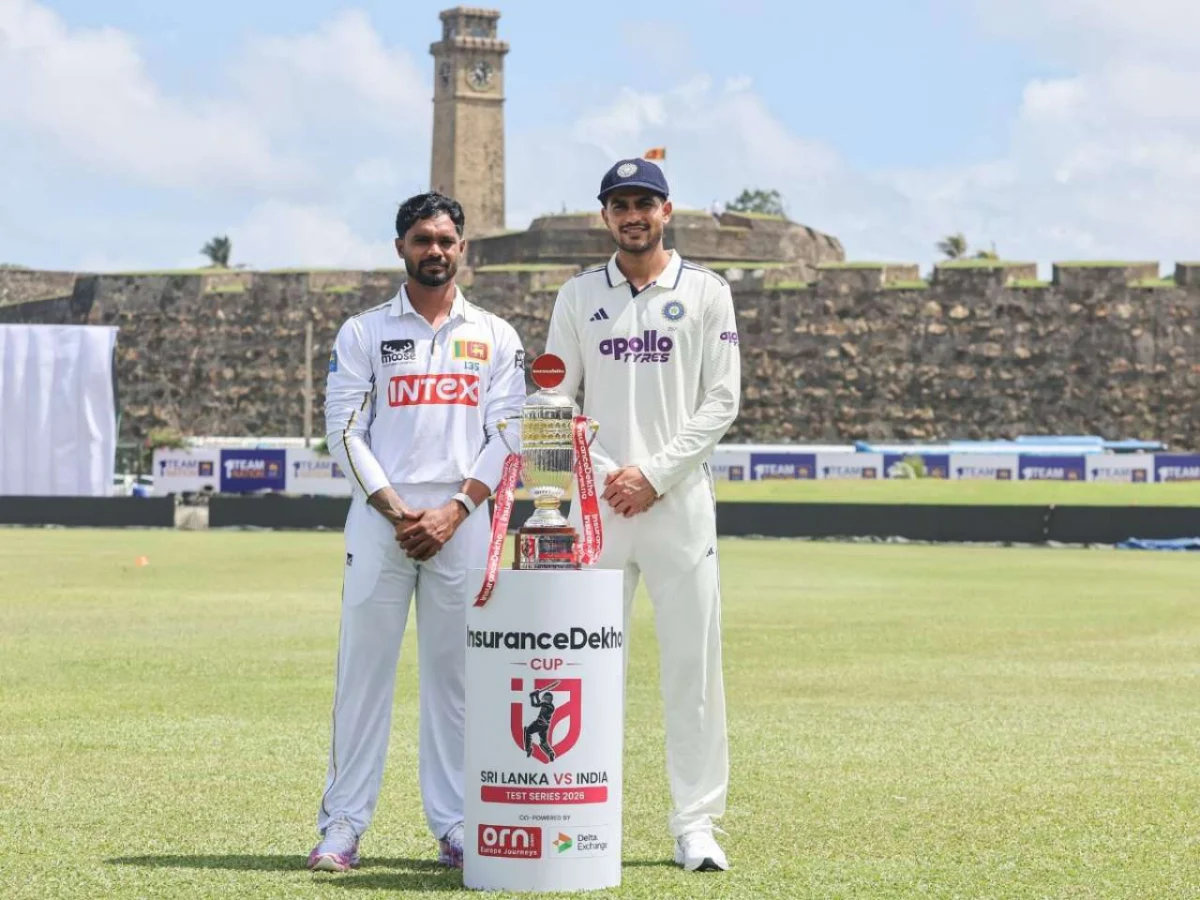
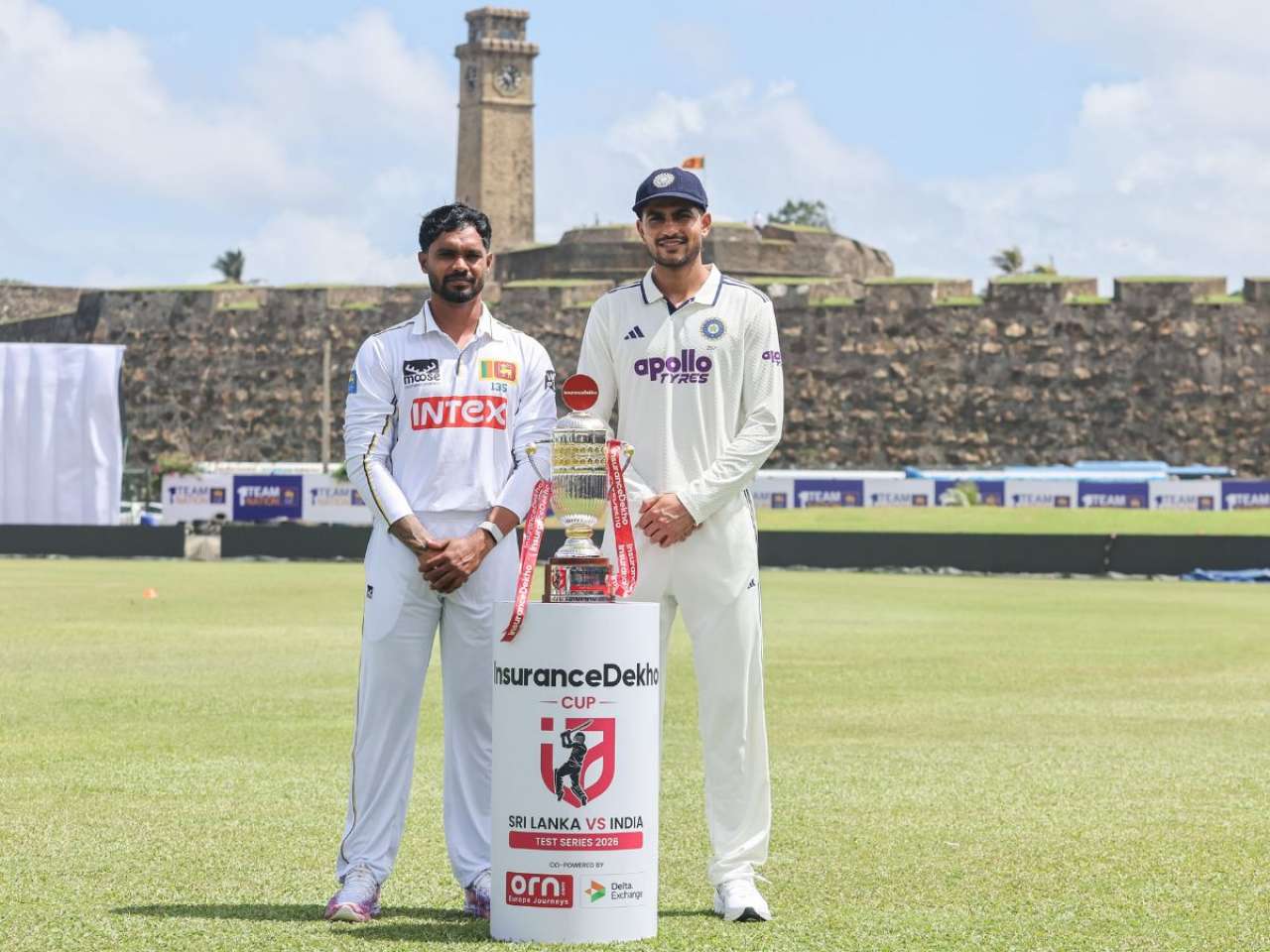
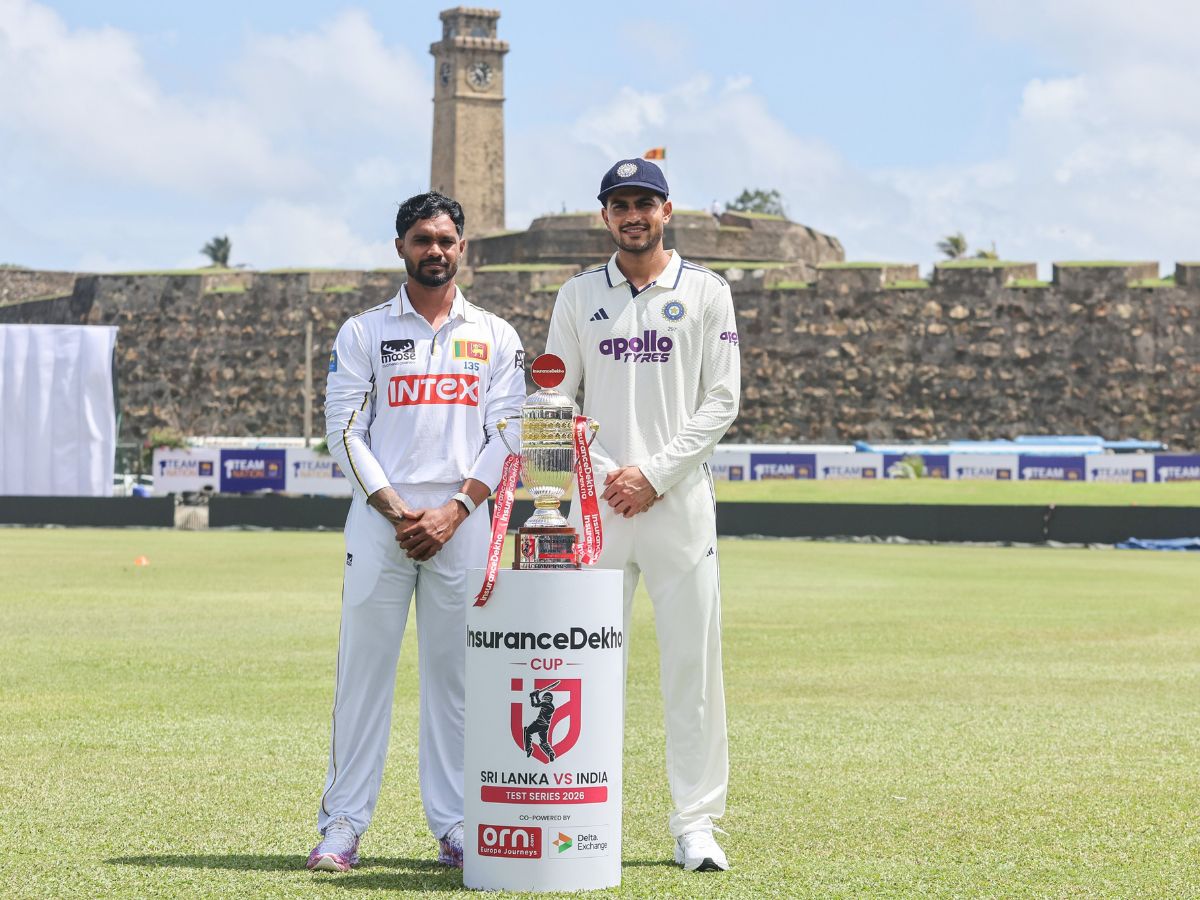
Galle, Sri Lanka – August 14, 2026 – The tranquil shores of Galle are set to ignite with the fervent passion of Test cricket as India and Sri Lanka prepare to lock horns in the opening encounter of their two-match series. Kicking off this Saturday, August 15, a date coinciding with India’s 80th Independence Day, the fixture at the iconic Galle International Stadium carries immense significance for both nations, particularly for India’s stuttering World Test Championship (WTC) 2025-27 campaign.
Cricket fans globally are eagerly awaiting the contest, which promises high-stakes drama. Live coverage will commence at 10 AM IST, with the toss scheduled for 9:30 AM IST. Indian viewers can tune into the Sony Sports network channels for television broadcast, while live streaming will be accessible via the SonyLiv website and app. This series opener is more than just a game; it’s a battle of resilience, strategy, and national aspirations, set against a backdrop of challenging team dynamics and the ever-present WTC race.
Main Facts: High Stakes and Heavy Hearts
The forthcoming first Test between India and Sri Lanka is poised to be a pivotal moment in the current World Test Championship cycle. For India, led by the promising but embattled Shubman Gill, the series represents a desperate bid to reignite their WTC campaign, which has seen them falter in recent outings. The weight of expectation is palpable, especially with the team grappling with a significant injury crisis that has sidelined five key players: pace spearhead Jasprit Bumrah, dynamic batsman Sai Sudharsan, all-rounder Washington Sundar, promising pacer Harshit Rana, and the emerging talent Nitish Kumar Reddy. This unprecedented spate of injuries has forced Gill to lead a squad largely unaccustomed to the unique challenges of Test cricket in Sri Lanka, with many players set to make their debut in these conditions.
Adding to the narrative, Gill himself is poised to make his Test debut on Sri Lankan soil, a personal milestone that comes with the added pressure of captaincy. He stands on the cusp of a significant individual achievement, needing just 157 runs in this series to become the first Indian batsman to amass 3000 runs in the World Test Championship – a testament to his burgeoning career.
)
On the opposing side, Sri Lanka, under the leadership of Dhananjaya de Silva, faces its own set of formidable challenges. The home side will be without the services of seasoned batsmen Pathum Nissanka and Kusal Mendis, both ruled out due to injuries. This has necessitated the recall of veteran wicketkeeper Niroshan Dickwella, whose return to the Test squad after a nearly three-year hiatus underscores the severity of Sri Lanka’s injury concerns and their reliance on experienced hands.
The match at Galle International Stadium, renowned for its picturesque setting and spin-friendly track, promises a captivating contest. India, historically dominant against Sri Lanka in Test cricket with 22 wins out of 46 encounters and only 7 losses, aims to maintain their impressive record. The last time India suffered a Test series defeat in Sri Lanka was in 2008, a statistic Gill’s men are determined to uphold and extend. This series is not merely about bilateral bragging rights; it’s about WTC points, national pride, and the leadership mettle of two captains navigating turbulent waters.

Chronology: The Road to Galle
The journey to this crucial Galle Test has been fraught with challenges and anticipations for both sides, culminating in a high-stakes encounter. For India, their World Test Championship 2025-27 cycle has been a roller-coaster. While specific details of their earlier matches in this cycle are not provided in the original text, the indication of a "struggling" campaign suggests a need for a significant turnaround. The team’s recent Test performances would likely have been inconsistent, putting them under immense pressure to secure maximum points in this series. The decision to embark on a tour of Sri Lanka, particularly on India’s Independence Day, adds a layer of historical and emotional significance to the proceedings, potentially galvanizing the team.
The injury crisis plaguing the Indian squad has unfolded over recent weeks, creating a narrative of constant adaptation and resilience. The absence of Jasprit Bumrah, a vital cog in India’s pace attack, is a colossal blow, forcing the team management to rejig their bowling strategies. Sai Sudharsan’s unfortunate situation, as revealed by Gill, highlights the unpredictable nature of elite sports and the careful balance between player welfare and team requirements. Gill’s comments about continuous scans and the player’s perspective underscore the difficult decisions faced by the team management in the lead-up to such a critical series. The collective inexperience of many squad members in Sri Lankan Test conditions adds another layer of complexity, demanding rapid adaptation and mental fortitude from the touring party.
)
Sri Lanka, on their part, has also been navigating a challenging period. Their WTC campaign, while not explicitly detailed, would also be heavily reliant on home victories against top-ranked teams like India. The injuries to key batsmen Pathum Nissanka and Kusal Mendis represent a significant blow to their batting lineup, forcing captain Dhananjaya de Silva to reconfigure his strategies. The recall of Niroshan Dickwella after a considerable absence speaks volumes about the team’s need for experienced hands behind the stumps and potentially in the middle order. This decision would likely have followed extensive discussions within the Sri Lankan selection committee, evaluating available talent and the immediate needs of the squad.
The pre-match preparations in Galle would have been intense, with both teams acclimatizing to the conditions. The Galle International Stadium, with its unique characteristics, demands specific strategies, particularly concerning spin bowling. Training sessions would have focused on adapting to the slow, turning pitches, with batsmen honing their defensive techniques against spin and bowlers experimenting with different lines and lengths. Gill’s pre-match press conference on Friday in Galle provided a glimpse into the team’s mindset, emphasizing the challenges but also the determination to overcome them. The lead-up has been defined by a narrative of resilience, strategic adjustments, and the inherent unpredictability that defines Test cricket.
)
Supporting Data: WTC Landscape, Historical Dominance, and Venue Insights
The statistical backdrop to this series paints a vivid picture of the stakes involved, particularly concerning the World Test Championship. India’s "struggling" campaign means their current WTC standing is precarious. To guarantee a spot in the WTC Final next year, the team needs to secure an ambitious seven victories in their remaining nine Tests. This demanding target highlights the imperative for a whitewash in this two-match series against Sri Lanka, as every point becomes invaluable. A simplified WTC points calculation typically awards 12 points for a win, 4 for a draw, and 0 for a loss, with percentages determining the standings. India’s current position likely sees them trailing the top two, making this series a must-win to improve their points percentage significantly. Failure to perform well here could push them to the brink of elimination from contention for the final.
Shubman Gill’s personal milestone adds another layer of intrigue. Needing just 157 runs to reach 3000 WTC runs, he is on the cusp of becoming the first Indian batsman to achieve this feat. This statistic not only underscores his prolific scoring in the WTC cycle but also places him in an elite category among global Test batsmen. His performance will be keenly watched, not just for his individual achievement but for its direct impact on India’s overall WTC points tally.
)
Historically, India has enjoyed a considerable advantage over Sri Lanka in Test cricket. Out of 46 encounters, India boasts 22 victories compared to Sri Lanka’s 7, with 17 matches ending in a draw. This dominant record is further emphasized by the fact that India last lost a Test series in Sri Lanka in 2008, a testament to their consistent performance on the island nation. Key historical moments include India’s whitewash victory in Sri Lanka in 2017 under Virat Kohli, and several memorable individual performances by Indian batsmen and spinners who have thrived in subcontinental conditions. This historical context provides India with a psychological edge, but also places the onus on Sri Lanka to break this cycle of dominance on home soil.
The Galle International Stadium itself is a character in this cricketing narrative. Nestled beside the ancient Galle Fort, it is renowned for being one of the most spin-friendly pitches in the world. The dry, dusty conditions typically ensure significant turn from day two onwards, making it a spinner’s paradise. Historically, Sri Lanka has leveraged this advantage effectively, often fielding multiple spin options. Visiting teams have often struggled to adapt, especially those accustomed to quicker, bouncier tracks. For India, this means their own strong spin attack, featuring the likes of Ravindra Jadeja and Kuldeep Yadav, will be crucial. Rishabh Pant’s role as wicketkeeper will also be critical, given the challenging nature of keeping to spin on turning tracks. Sri Lanka’s Prabath Jayasuriya, a left-arm spinner, has been particularly effective at Galle, and his duel with the Indian batsmen will be a key battleground. The venue’s average first innings score tends to be around 300-350, suggesting that winning the toss and batting first could be a significant advantage. The unpredictable weather in Galle, as highlighted by recent reports of potential rain, adds another variable, potentially shortening play and making draws more likely, which would be detrimental to India’s WTC aspirations.
)
The squads themselves present an interesting mix of experience and raw talent. India’s squad, despite the injuries, features a strong batting core with Yashasvi Jaiswal, KL Rahul, and Sarfaraz Khan alongside Gill. The inclusion of Devdutt Padikkal, Gurnoor Brar, and Auqib Nabi suggests a future-focused approach. In the bowling department, Mohammed Siraj and Prasidh Krishna will shoulder the pace responsibilities, supported by the spin wizardry of Jadeja and Kuldeep Yadav. For Sri Lanka, the batting will rely heavily on Dinesh Chandimal and captain Dhananjaya de Silva, with Niroshan Dickwella’s experience being vital. Their bowling attack will likely be spearheaded by the spin duo of Ramesh Mendis and Prabath Jayasuriya, supported by pacers like Asitha Fernando and Dilshan Madushanka. The depth of both squads will be tested, especially given the gruelling nature of Test cricket and the hot, humid conditions.
Official Responses: Leadership Under Pressure
The pre-match press conference in Galle provided a crucial window into the minds of the team leaders, particularly Shubman Gill, who finds himself at the helm of an injury-ravaged Indian squad. Gill’s candour regarding Sai Sudharsan’s situation highlighted the human element behind the injury list. "Sai’s situation is quite unfortunate. It seemed he would be part of the series, but after continuous scans, we found he wasn’t recovering as we had hoped. Sometimes, you have to consider the player’s perspective on whether to take that risk," Gill stated on Friday. This response not only explained the absence but also underscored the captain’s empathy and the team’s commitment to player welfare, even amidst high-pressure scenarios.
)
When pressed about the challenge of leading a side with five key players sidelined and several debutants or inexperienced players in Sri Lankan conditions, Gill remained resolute. "It’s certainly a challenge, but also an opportunity," he articulated, his voice reflecting a mix of determination and measured optimism. "Every player in this squad has earned their spot, and I have full faith in their abilities. Conditions here are unique, but we’ve prepared extensively. The focus is on adapting quickly, playing to our strengths, and supporting each other throughout. It’s about collective effort and seizing the moment." He further emphasized the importance of mental resilience for the younger players. "We’ve had open discussions about managing pressure and enjoying the contest. My role is to foster an environment where they can express themselves freely."
While specific quotes from Sri Lankan captain Dhananjaya de Silva were not provided in the original text, one can infer his likely sentiments. Facing an injury crisis of their own, De Silva would undoubtedly have acknowledged the difficulties while simultaneously emphasizing the home advantage and the team’s determination to perform. He would likely have expressed confidence in the returning Niroshan Dickwella and other key players, highlighting their experience in local conditions. "Losing key players is never ideal, but it opens doors for others to step up," De Silva might have conveyed to the media. "We know the conditions here better than anyone, and we will look to exploit that. India is a strong team, but we are ready for the challenge. Our focus is on playing disciplined cricket and executing our plans effectively."
)
From the coaching camps, Indian head coach Rahul Dravid would likely have stressed the importance of simplicity and sticking to basics. "Our message to the boys has been clear: focus on the process, not just the outcome," Dravid might have said in a pre-series briefing. "We have a talented group, and while injuries are unfortunate, they allow us to test our bench strength. The key will be to stay calm, execute our skills, and play aggressive, positive cricket." Similarly, Sri Lanka’s head coach, Chris Silverwood, would have reinforced the need for clinical execution, especially with the spin attack, and encouraged his batsmen to build substantial partnerships on home pitches. The official responses, both actual and inferred, collectively highlight the immense pressure on the leadership of both teams, tasked with motivating and guiding their squads through a demanding and potentially defining series.
Implications: WTC Fortunes, Squad Evolution, and Weather Woes
The outcome of the first Test in Galle will carry profound implications for both India and Sri Lanka, resonating not just through their immediate World Test Championship standings but also shaping their long-term team dynamics and strategic outlook.
)
For India, a victory in Galle is paramount. Given their "struggling" WTC campaign and the ambitious target of seven wins in nine Tests to guarantee a final spot, a loss or even a draw would be a catastrophic blow. It would further complicate their path to the WTC Final, requiring an even more improbable winning streak in subsequent series. Conversely, a dominant win would provide a much-needed injection of points and, more importantly, a significant morale boost for a team grappling with injuries and a demanding schedule. It would signal to the cricketing world that despite adversity, India’s Test might remains formidable.
The series will also serve as a crucial test of Shubman Gill’s captaincy. Leading an injury-hit side, particularly on his Test debut in Sri Lanka, is a trial by fire. His ability to rally the troops, make astute on-field decisions, and inspire performances from his inexperienced charges will define his leadership credentials. A successful series, especially a whitewash as he aims for, would solidify his position as a long-term leader for India in the longest format. The performance of the younger players and those stepping in for the injured will also have significant implications for future squad selections, potentially unearthing new talent or confirming the depth of India’s cricketing pipeline.
)
For Sri Lanka, this home series against a top-tier opponent like India is incredibly vital for their own WTC aspirations. While their specific standing isn’t detailed, home wins are crucial for any team looking to contend for the WTC Final. Defeating an injury-hit Indian side would not only provide valuable points but also a massive confidence boost, proving their capability against strong opposition. Conversely, a heavy defeat, especially a whitewash, could severely damage their WTC campaign and raise questions about their ability to compete at the highest level, even in their preferred home conditions. The performances of players like Niroshan Dickwella and the strength of their spin attack will be closely scrutinized, impacting their roles in future selections.
Beyond the WTC, the series holds significant cultural weight, especially for India, with the first Test coinciding with their 80th Independence Day. This confluence of national celebration and sporting endeavour adds an emotional layer, intensifying fan engagement and expectations. A victory would be a fitting tribute, while a defeat could dampen spirits.
)
Finally, the looming threat of adverse weather conditions in Galle, as highlighted by reports of a "Galle weather alert," introduces an unpredictable and potentially game-changing factor. Rain interruptions can significantly impact the flow of a Test match, potentially leading to draws. For India, who desperately need wins for their WTC campaign, a rain-affected draw would be almost as damaging as a loss in terms of points accumulation. The weather could dictate strategy, force early declarations, or even result in lost play, adding another layer of complexity to an already high-stakes encounter. The implications of this series extend far beyond the boundary ropes, touching upon national pride, individual careers, and the very fabric of Test cricket’s premier championship.
