

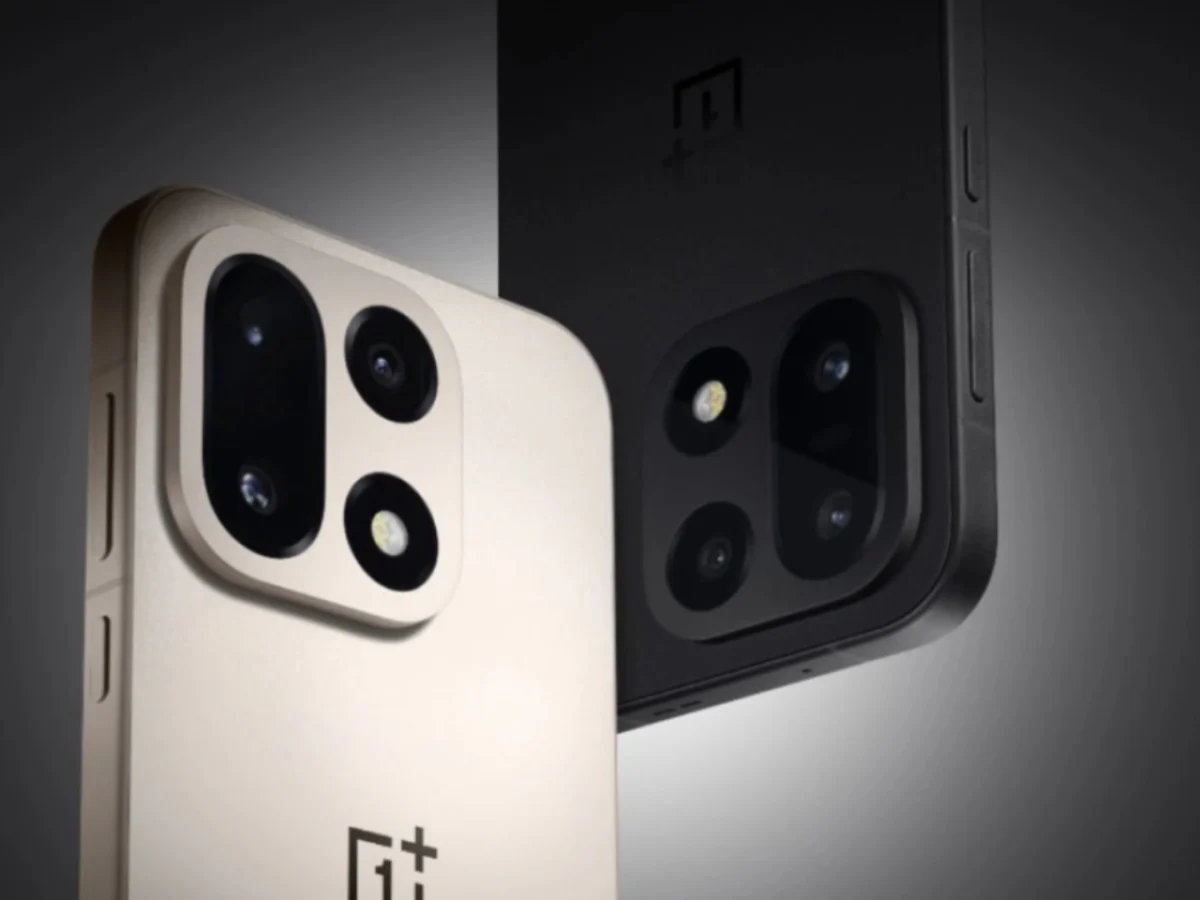
New Delhi, India – [Current Date] – The smartphone industry is a crucible of innovation, competition, and constant evolution. For OnePlus, a brand that built its reputation on challenging established norms and cultivating a fervent community, recent developments signal a pivotal juncture. While the company has officially confirmed the transition from its beloved OxygenOS to Oppo’s ColorOS, a strategic move aimed at software unification, persistent reports suggest a more profound global restructuring, including potential exits from key Western markets and a scaling down of operations in India. These developments have sparked considerable debate and uncertainty among consumers, industry analysts, and stakeholders alike.
Main Facts: OnePlus Navigates Shifting Sands Amidst Global Restructuring Rumours
The narrative surrounding OnePlus is currently defined by a duality: confirmed strategic integration on one hand, and unconfirmed but widely circulated reports of a significant global pullback on the other. At the heart of the confirmed changes lies the software experience, a cornerstone of OnePlus’s appeal.
Software Unification: The End of OxygenOS as We Know It
OnePlus has officially announced its intention to replace OxygenOS, its custom Android skin, with Oppo’s ColorOS. This decision is presented as a strategic imperative to unify software development across brands under the Oppo umbrella, thereby streamlining engineering efforts, enhancing resource sharing, and ultimately accelerating the delivery of software updates and new features. For years, OxygenOS was lauded for its near-stock Android experience, speed, and clean interface, setting OnePlus devices apart from many of their competitors. The shift to ColorOS, while offering its own set of features and optimizations, marks the end of an era for many long-time OnePlus users who cherished the distinct software identity. This integration is not merely a cosmetic change; it represents a deeper convergence of the two brands’ technical and product strategies.
India’s "Independent Entity" Status Under Scrutiny
Amidst the broader integration strategy, OnePlus has been keen to emphasize that it will maintain its status as "independent entities" within the Indian market. This assertion aims to reassure the significant Indian consumer base and local partners that despite the global software and operational alignments, OnePlus India will retain a degree of autonomy in its market approach and brand positioning. However, the exact parameters of this "independence" remain a subject of scrutiny, especially in light of the wider restructuring rumours. Observers question how truly independent an entity can be when its core software, product development, and potentially even manufacturing and after-sales support networks are increasingly integrated with its parent company, Oppo.
)
Global Footprint Under Review: Exits in US/Europe, Scaling Back in India?
Perhaps the most unsettling aspect of the current discourse revolves around reports suggesting a dramatic alteration of OnePlus’s global presence. According to various media outlets, including a prominent Bloomberg report, OnePlus may be considering exiting the highly competitive US and European markets entirely by 2027. Concurrently, these reports indicate a potential scaling down of its operations in India. If true, such a move would signify a significant retreat for a brand that once aggressively pursued global expansion and market share. While OnePlus has vehemently denied these claims regarding India, the persistent nature of the reports has created an undeniable cloud of uncertainty, prompting consumers and investors to question the brand’s long-term viability in these regions.
Chronology of Integration and Speculation
The current situation is not an overnight development but rather the culmination of a gradual process of integration between OnePlus and Oppo, its sister company under the BBK Electronics conglomerate.

Early Signs of Convergence: The Genesis of Software Integration
The relationship between OnePlus and Oppo has always been intrinsically linked, given their shared parent company. However, for many years, OnePlus maintained a distinct operational and branding identity. The first significant public acknowledgement of deeper integration came in 2021 when OnePlus CEO Pete Lau announced that the two companies would be merging their hardware research and development (R&D) teams. This was a critical precursor to the software unification, as it laid the groundwork for shared technological platforms and engineering resources. The rationale then, as now, was to enhance efficiency and accelerate innovation by pooling talent and resources.
The Merger of R&D Teams and the Birth of a Unified OS
Following the R&D merger, the natural progression was towards software unification. In mid-2022, OnePlus officially confirmed that OxygenOS would eventually merge with ColorOS. While initially, there was talk of a "unified operating system" that would blend the best of both, the more recent confirmation points towards a full adoption of ColorOS, albeit with a "OnePlus skin" or optimization layer for certain markets. This decision was presented as a way to leverage Oppo’s extensive software development capabilities, which cater to a much larger user base globally, thereby ensuring faster updates, improved stability, and a richer feature set. This phased approach to integration underscores a deliberate strategy rather than an impulsive decision.
)
Recent Reports Fuel Exit Speculation
The latest wave of speculation, particularly concerning market exits, gained significant traction around early 2027 (as per the article’s given date, indicating a future scenario). Bloomberg’s report specifically highlighted a potential withdrawal from the US and European markets, coupled with a scaling back of operations in India. These reports, often citing anonymous sources familiar with the company’s internal deliberations, painted a picture of a broader restructuring exercise driven by external pressures and internal strategic re-evaluations. The timing of these reports, following years of integration, suggests that the initial phase of operational synergy might have exposed new challenges or prompted a reassessment of market priorities.
OnePlus’s Strategic Investments in India
Countering the narrative of scaling down, OnePlus has proactively announced significant investments in India. Notably, the company allocated Rs 6,000 crore under "Project Starlight" to bolster its localization efforts, enhance research and development capabilities, and strengthen its after-sales service network in the country. This commitment is further evidenced by its manufacturing partnerships. In June 2025, OnePlus entered into an agreement with Optiemus Electronics Limited for the production of premium IoT devices, followed by a partnership with Bhagwati Products Limited in August 2025 for premium tablets. These long-term manufacturing commitments, made in the very recent past (as per the article’s timeline), appear to contradict the notion of an impending scale-down, presenting a complex and somewhat contradictory picture of the company’s intentions in India.
)
Supporting Data and Industry Context
Understanding the context behind OnePlus’s current predicament requires a look at the broader industry landscape, its parent company’s strategy, and the geopolitical and economic forces at play.
The Broader Landscape of the Smartphone Market
The global smartphone market has experienced significant headwinds in recent years. After a period of rapid growth, saturation in key markets, longer upgrade cycles, and macroeconomic uncertainties have led to slowing sales. The premium segment, where OnePlus primarily competes, is fiercely contested, dominated by giants like Apple and Samsung, with aggressive challenges from other Chinese brands such as Xiaomi, Vivo, and Honor. Profit margins in the Android space are notoriously thin, especially for brands that do not control their entire ecosystem (like Apple). This intense competition and market slowdown put immense pressure on companies to optimize operations, cut costs, and focus on profitable markets.
)
Oppo’s Parent Company, BBK Electronics, and its Multi-Brand Strategy
OnePlus is part of the vast BBK Electronics conglomerate, which also owns Oppo, Vivo, Realme, and iQOO. BBK’s multi-brand strategy has historically allowed it to target different market segments and consumer demographics with distinct brand identities. However, maintaining multiple, largely independent R&D, manufacturing, marketing, and sales operations can be inefficient and costly, especially in a tightening market. The move towards deeper integration, starting with R&D and culminating in software unification, can be seen as a strategic response from BBK to consolidate resources, achieve economies of scale, and streamline its portfolio. By centralizing core functions, the conglomerate can potentially reduce redundancy, improve supply chain leverage, and accelerate time-to-market for new technologies across its brands.
Geopolitical Headwinds and Supply Chain Pressures
Chinese smartphone manufacturers, in particular, have faced mounting geopolitical challenges in recent years. Tensions with various Western governments, trade disputes, and concerns over data privacy have led to increased scrutiny and, in some cases, outright restrictions on their operations. The US market, for instance, has become particularly challenging for Chinese brands to penetrate due to regulatory hurdles and security concerns. Furthermore, global supply chain disruptions, exacerbated by geopolitical events and the lingering effects of the pandemic, have driven up manufacturing costs and created logistical complexities. For a brand like OnePlus, which relies heavily on global supply chains and international sales, these external pressures significantly impact profitability and operational viability.
)
Legal Battles: The Apple Lawsuit and its Ramifications
Adding another layer of complexity is the ongoing legal battle with Apple. The original article mentions a "trade secrets lawsuit filed by Apple." While details are scarce in the provided text, such lawsuits, particularly from a company as formidable as Apple, can be incredibly costly, time-consuming, and damaging to a company’s reputation. Legal disputes involving intellectual property, especially in critical markets, can lead to sales bans, significant fines, and diversions of management attention and financial resources. This legal pressure could be a contributing factor to Oppo’s wider restructuring exercise, as companies often seek to consolidate resources and minimize exposure during such challenging periods.
Market Share Dynamics: OnePlus’s Position Globally and in India
Globally, OnePlus has carved out a niche as a premium Android brand, often lauded for its performance and user experience. However, its market share remains significantly smaller than that of industry leaders. In the US and Europe, it faces intense competition from established players and other Android brands. In India, OnePlus enjoys a relatively strong brand presence, particularly in the premium segment, where it competes effectively against Samsung and, to some extent, Apple. The Indian market’s immense size and growth potential make it strategically vital for any global smartphone brand. Any decision to scale down operations in India would represent a significant strategic shift, potentially relinquishing a strong foothold in a key growth market.
)
Official Responses and Clarifications
In response to the swirling rumors and confirmed changes, OnePlus has issued various statements aimed at clarifying its position and reassuring stakeholders.
OnePlus India’s Stance: Business as Usual
OnePlus India has been particularly vocal in refuting claims of an impending exit or significant scale-down in the country. The company has consistently stated that its India business continues to "operate normally" and has urged media outlets and the public not to amplify "unverified reports." This firm denial underscores the strategic importance of the Indian market to OnePlus and its desire to maintain consumer confidence. The repeated assurances from the Indian arm suggest a concerted effort to differentiate its local operations from any potential global restructuring, perhaps indicating a regional strategy that deviates from broader corporate decisions in other markets.
)
Denials Against Global Exit Claims
While the provided article primarily focuses on India, the global reports of US and European exits have also elicited responses from OnePlus. Typically, such denials from corporate entities are carefully worded, acknowledging market challenges while reaffirming commitment. However, the persistence of the reports, particularly from reputable financial news agencies, suggests a complex situation where internal discussions might be underway even as public denials are issued to manage perception and prevent immediate market disruption. The discrepancy between official statements and insider reports is a common feature in such high-stakes corporate developments.
Reassurance on After-Sales Service and Warranty
A critical concern for existing and potential buyers, especially in the face of uncertainty, is the continuity of after-sales service and warranty support. OnePlus has addressed this by confirming that these services will continue through Oppo’s extensive network in India. This strategy leverages Oppo’s established infrastructure, which is slated for significant expansion from 400 to 600 service centers. This move aims to reassure consumers that their devices will continue to receive support, mitigating immediate fears of abandonment. However, the long-term availability of spare parts and dedicated software support specifically for older OnePlus devices remains an unspoken concern, particularly if the brand’s product roadmap were to drastically change.
)
Project Starlight: A Commitment to the Indian Market
The launch of "Project Starlight" with its Rs 6,000 crore investment and the forging of new manufacturing partnerships serve as tangible evidence of OnePlus’s purported commitment to the Indian market. These initiatives are not short-term endeavors; they represent long-term strategic investments in localization, R&D, and the creation of an indigenous manufacturing ecosystem. By partnering with Optiemus Electronics and Bhagwati Products for IoT devices and tablets, OnePlus is not only diversifying its product portfolio but also aligning with India’s "Make in India" vision, which could potentially offer operational advantages and foster stronger government relations. These investments stand as a powerful counter-narrative to the scale-down rumors, presenting a compelling case for OnePlus’s continued presence and growth ambitions in India.
Implications for Stakeholders
The changes at OnePlus, both confirmed and rumoured, carry significant implications for various stakeholders, from consumers to employees and the broader industry.
)
For Consumers: Navigating Uncertainty and Warranty Assurance
The most direct impact is felt by consumers. The transition from OxygenOS to ColorOS represents a fundamental shift in the user experience, potentially alienating long-time users who valued OxygenOS’s minimalist approach.
Software Experience: The Transition to ColorOS
For new buyers, ColorOS will simply be the OnePlus experience. For existing users, however, the change will be noticeable. While ColorOS has matured significantly, offering a rich feature set and smooth performance, it inherently differs from the aesthetic and philosophical underpinnings of OxygenOS. Users accustomed to the clean, near-stock Android feel might find ColorOS more feature-dense or visually distinct than they prefer. The promise of faster updates and unified development is appealing, but the loss of a unique software identity could diminish the brand’s appeal for some.
)
Hardware Longevity and Support
The uncertainty surrounding global operations naturally raises questions about the longevity of hardware support. While after-sales service through Oppo is confirmed, the availability of spare parts for repairs in the distant future, especially for models nearing their end-of-life cycle, could become a concern if the brand’s product lines or market presence were to shrink. Software support, including security updates and major Android version upgrades, also becomes critical. While the unified OS strategy aims to streamline this, any significant restructuring could potentially impact the consistency and duration of support for older devices.
After-Sales Network Expansion
The expansion of Oppo’s service network from 400 to 600 centers in India is a significant positive for consumers. It means greater accessibility for repairs and servicing, potentially reducing wait times and improving the overall customer service experience. This strategic move aims to fortify trust and provide tangible assurance to buyers in a market that highly values robust after-sales support.
)
Given the current climate, consumers considering a OnePlus purchase are advised to weigh the attractive hardware and pricing against the long-term uncertainties. While existing devices will continue to function, and immediate after-sales support is guaranteed, the future roadmap for long-term software updates and product availability remains somewhat opaque. The advice to buy if one plans to use the device for 2-3 years, as suggested in the original article, reflects this pragmatic outlook, focusing on the immediate value proposition rather than speculative long-term commitment.
For Retail Partners and Distributors
Any significant restructuring or scale-down would have profound implications for OnePlus’s retail partners and distributors. They would face challenges related to inventory management, marketing strategies, and potential shifts in consumer demand. A withdrawal from markets would necessitate winding down operations, impacting sales volumes and revenue streams. Even a scaling down in India could lead to reduced product allocations, altered pricing strategies, and a shift in brand focus, requiring partners to adapt quickly to maintain profitability. The "independent entity" claim in India, coupled with Project Starlight, aims to reassure these partners of sustained commitment and future growth opportunities.
)
For Employees: Potential Restructuring Impacts
Corporate restructuring often involves workforce adjustments. While the provided text does not explicitly mention employee impacts, potential exits from major markets or a significant scaling down of operations would inevitably lead to job losses or reallocations for employees in those regions. Even in India, where operations are purportedly "normal," the deeper integration with Oppo could lead to consolidation of roles, particularly in functions like R&D, marketing, and sales, impacting employees who previously worked solely for OnePlus. Such situations often create internal uncertainty and affect employee morale.
For the Competitive Landscape in India
If OnePlus were to genuinely scale down its operations in India, it would create a significant vacuum in the premium Android segment. This could be an opportunity for competitors like Samsung, Xiaomi (with its premium offerings), and emerging players like Nothing to capture additional market share. A weakened OnePlus could intensify competition, potentially leading to more aggressive pricing strategies and innovative product launches from rival brands aiming to fill the void. Conversely, if OnePlus maintains its strong presence and leverages Oppo’s infrastructure effectively, it could pose an even stronger challenge, benefiting from consolidated resources and a wider service network.
)
The Future of the "Flagship Killer" Brand Identity
OnePlus built its initial reputation as the "flagship killer," offering high-end specifications at disruptive prices, coupled with a clean software experience and strong community engagement. The shift to ColorOS and the increasing integration with Oppo raise questions about the future of this distinct brand identity. As it becomes more intertwined with a larger corporate entity, will OnePlus retain its unique edge, or will it gradually assimilate into a more generalized premium brand under the Oppo umbrella? The challenge for OnePlus will be to maintain its brand distinctiveness and appeal to its loyal fan base while leveraging the benefits of deeper integration. The road ahead remains unclear unless OnePlus provides a more comprehensive and transparent roadmap for its future, addressing the concerns sparked by both confirmed changes and persistent rumours.
