

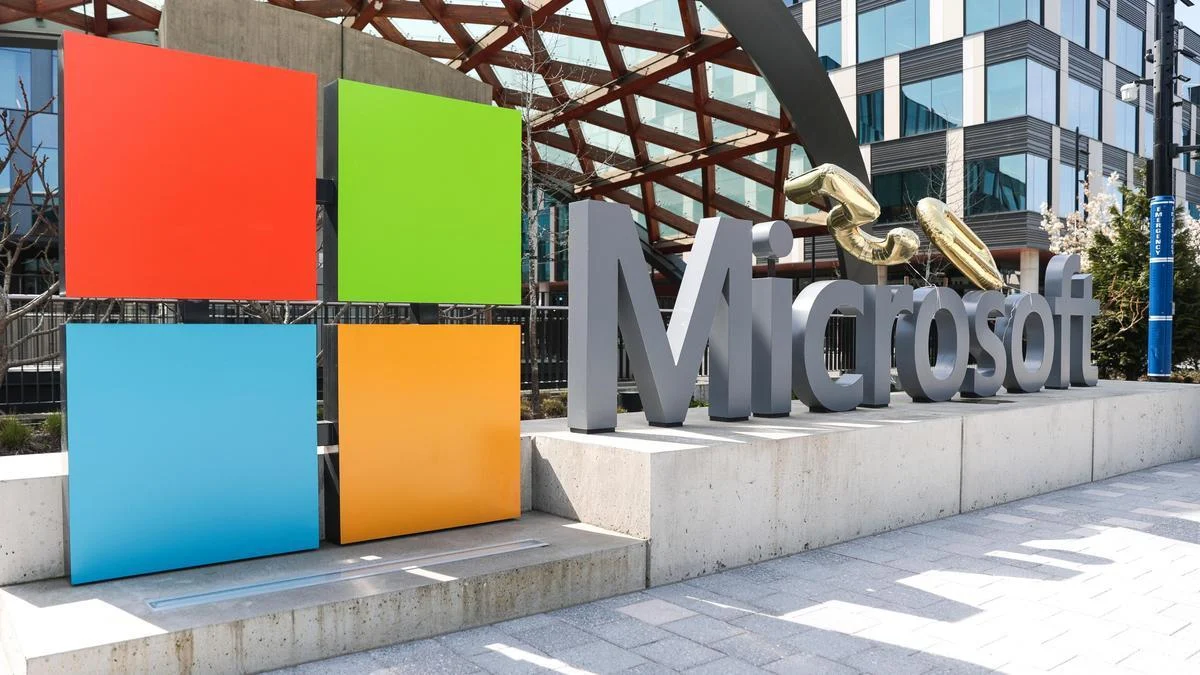
REDMOND, WA / BEIJING – Once considering the notion of abandoning the Chinese market "unthinkable," Microsoft has quietly initiated a significant strategic retreat over the past five years, closing at least 15 branch offices and joint ventures. This calculated scaling back, revealed through corporate filings and confirmed by five company sources, marks a profound shift for a technology giant that once held unparalleled access and influence within China. The move underscores the escalating geopolitical tensions and increasingly complex regulatory environment that are reshaping the calculus for multinational corporations in the world’s second-largest economy.
The internal deliberations within Microsoft reached a critical juncture in 2023, with some executives advocating for a complete exit, arguing that the market presented too much geopolitical risk for an increasingly meager economic return. Despite China accounting for a mere 1.5% of Microsoft’s global revenue in 2024, the company ultimately decided against a full withdrawal. Its decision to remain, albeit with a reduced footprint, is attributed to a profitable niche servicing Chinese companies with global ambitions and a desire to retain access to China’s world-class engineering talent. This complex balancing act reflects the broader challenges faced by U.S. tech giants as Washington and Beijing navigate a deepening technological and economic divide.
Main Facts: A Decades-Long Engagement Redefined
Microsoft’s journey in China has been characterized by both pioneering engagement and pragmatic adaptation. From its early days, the company cultivated deep ties with the Chinese government, distinguishing itself from rivals like Google, which exited in 2010 over censorship and cyberattack concerns. Bill Gates and then-CEO Steve Ballmer had famously dismissed Google’s decision as an "overreaction." However, the landscape has fundamentally transformed, forcing Microsoft to re-evaluate its deep-seated presence.
Key facts shaping Microsoft’s current position include:
- Significant Downsizing: Over the past five years, at least 15 Microsoft branch offices and joint ventures in China have ceased operations, signaling a deliberate contraction of its physical and operational presence.
- Near-Exit Deliberations: In 2023, senior executives seriously considered a full withdrawal from China, citing excessive geopolitical risk disproportionate to the economic returns.
- Minimal Revenue Contribution: China’s market generated only 1.5% of Microsoft’s global revenue in 2024, diminishing its strategic importance from a purely financial perspective.
- Geopolitical Headwinds: The "erosion of trust" between Washington and Beijing, coupled with China’s domestic software push since 2017 and U.S. export controls on advanced technology, have significantly hampered Microsoft’s growth, particularly in its lucrative AI and cloud businesses.
- Strategic Retention: Microsoft chose to remain in China primarily to service Chinese companies like ByteDance (owner of TikTok) and Shein, which require Western technology to manage their extensive overseas operations and comply with international regulations. Maintaining access to China’s highly skilled engineering talent pool was another critical factor.
- Talent Exodus Challenges: Despite efforts to relocate top engineering talent to labs in Vancouver, Singapore, and Tokyo following U.S. export controls, Microsoft has struggled to convince a significant portion of its China-based developers to leave, with many opting for domestic opportunities.
- Unreported Internal Debates: Details of Microsoft’s internal considerations regarding its future in China had not been previously disclosed, offering a rare glimpse into the strategic dilemmas faced by leading American corporations.
Chronology: A Shifting Landscape of Engagement and Retreat
Microsoft’s long and intricate history in China provides essential context for its current strategic pivot. The journey from enthusiastic pioneer to cautious operator reflects the dramatic evolution of both the global tech industry and the complex U.S.-China relationship.
The Early Years: Pioneering Engagement (1990s – Early 2010s)
Microsoft’s engagement with China began in earnest in the early 1990s, with Bill Gates making his first visit in 1994. His reception by President Jiang Zemin underscored the company’s unique access and the government’s initial receptiveness to foreign technology. Microsoft actively co-invested in startup incubators with the government and, crucially, complied with local censorship requirements – a stark contrast to Google’s eventual stance. This deep cultivation of relationships, as highlighted by former China head Alain Crozier, positioned Microsoft with an unparalleled rapport among foreign tech companies.
In 2010, when Google made its high-profile exit from mainland China over concerns regarding censorship and cyberattacks, Microsoft’s leadership, including Gates and Ballmer, famously characterized the decision as an "overreaction." At the time, Microsoft believed its long-term commitment and willingness to adapt to local conditions would safeguard its position. Its Windows operating system and Office suite were ubiquitous, forming the backbone of China’s burgeoning digital economy.
The Turning Tide: Erosion of Trust and Domestic Push (Mid-2010s)
The mid-2010s marked a significant turning point. Revelations about U.S. firms assisting Washington in spying on foreign governments led to a profound erosion of trust in Western technology within China. Beijing initiated an aggressive push for "domestic software," viewing it as more secure and increasingly competitive. This policy shift directly challenged Microsoft’s core offerings.

In response, Microsoft attempted to adapt by launching the "Windows 10 China Government Edition." Personally negotiated between CEO Satya Nadella and Chinese finance ministry officials, this customized operating system was designed to meet specific security and audit requirements. While adopted by several government agencies, its broader uptake did not meet Microsoft’s expectations, as confirmed by Crozier, who ran China operations until 2021.
Simultaneously, around 2017, the Chinese government introduced new procurement guidelines promoting "safe and reliable" services. These policies implicitly favored domestic solutions, and no foreign operating system, including Windows, was deemed fully compliant. While not an outright ban, non-compliance subjected tech administrators to increased scrutiny, security checks, and additional approval processes, creating a significant hurdle for Microsoft’s enterprise sales. Reviews of government procurement guides from late 2023 to mid-2026 show Microsoft products rarely recommended, and when Windows 10 China Government Edition was listed, it was under "additional management requirements."
The Geopolitical Squeeze: U.S. Export Controls and Market Constraints (Late 2010s – Present)
The intensification of U.S.-China geopolitical tensions, particularly the imposition of U.S. export controls on advanced technology (especially chips and AI models), further complicated Microsoft’s operations. These restrictions directly hindered efforts to scale its lucrative AI and cloud businesses within China, as they limited access to the cutting-edge components and models necessary for innovation.
By 2023, the cumulative effect of these pressures led to the internal discussions about a complete exit. The economic return, dwarfed by the escalating geopolitical risks and regulatory hurdles, made the China market increasingly unattractive from a purely P&L perspective.
The Current Stance: Strategic Niche and Talent Retention Efforts (2023 – Present)
Ultimately, Microsoft decided against a full withdrawal. The decision was driven by two primary factors: the profitability of servicing Chinese companies’ international operations and the desire to maintain a foothold in China’s talent ecosystem. However, this commitment has come with its own set of challenges, particularly in retaining top engineering talent. U.S. export controls have limited China-based engineers’ access to the most advanced technologies, leading Microsoft to consider closing its renowned Microsoft Research China (now Microsoft Research Asia) lab. While the lab remains, some top talent has been relocated, with new labs opening in Vancouver, Singapore, and Tokyo. Yet, an offer to transfer 1,000 top engineers to Western countries in 2024 saw only about a third accept, with many opting to stay in China, pursuing opportunities in domestic universities and tech firms closer to family and cultural ties.
Supporting Data and Analysis: The Evolving Business Case
Microsoft’s internal struggles reflect a broader trend among U.S. businesses operating in China. The American Chamber of Commerce in China’s latest business climate survey indicates that only 52% of respondents now consider China a top global investment priority, a significant drop from 62% in 2019. This decline in confidence is directly linked to the deteriorating Sino-American ties and the perception of an increasingly uneven playing field.
The Economic Reality: Diminishing Returns
The stark figure of 1.5% of global revenue underscores the declining economic significance of the Chinese market for Microsoft. While potentially a substantial absolute figure, it pales in comparison to the operational complexities and geopolitical exposure. The initial strategy of becoming the Chinese state’s preferred tech vendor, epitomized by the Windows 10 China Government Edition, ultimately did not yield the expected returns. The government’s continued push for domestic alternatives and "safe and reliable" procurement guidelines effectively marginalized foreign operating systems.
The Pivot to Private Sector: A Niche Lifeline
Microsoft’s decision to stay hinges on a crucial pivot: focusing on the private sector, specifically Chinese companies with global ambitions. Firms like ByteDance (TikTok) and ultra-fast-fashion retailer Shein operate internationally and rely heavily on Microsoft’s Azure cloud services to manage data in compliance with foreign regulations. This segment has emerged as Microsoft’s largest China-linked business by the mid-2020s, providing a vital, albeit comparatively small, revenue stream.

Furthermore, Microsoft offers Chinese enterprise clients exclusive access via Azure to Western AI models from providers like OpenAI, which do not directly serve the Chinese market. This unique value proposition leverages Microsoft’s global partnerships to cater to a specific, high-demand segment within China. However, the sustainability of this AI business model is questioned by analysts, as it relies on third-party suppliers and faces increasing competition from increasingly sophisticated and cost-effective domestic AI models like Kimi.
The Talent Conundrum: A Double-Edged Sword
Microsoft has historically played a central role in cultivating China’s tech talent base. Its renowned Microsoft Research China (now Microsoft Research Asia) lab has been a breeding ground for top engineers and researchers, with alumni populating leadership roles at major Chinese AI pioneers like SenseTime and DeepSeek. This access to world-class engineering talent remains a key reason for Microsoft’s continued presence.
However, U.S. export controls have severely impacted this strategic asset. By restricting access to cutting-edge chips and AI models, these controls limit the scope of advanced research that China-based engineers can conduct. Microsoft President Brad Smith confirmed in 2023 that the company does not conduct research on sensitive technologies like quantum computing in China. This limitation makes it challenging to retain top talent who seek to work on the most advanced frontiers of technology.
The company’s struggle to convince engineers to relocate highlights the deeply personal and cultural dimensions of this geopolitical struggle. Despite attractive offers, many senior engineers prioritize remaining close to family and cultural roots, finding ample opportunities in China’s rapidly developing domestic tech sector and academic institutions. This represents a significant challenge for Microsoft, as the loss of experienced personnel can diminish its long-term R&D capabilities and market insights within the region.
Broader Industry Context
Microsoft’s predicament is not isolated. Other U.S. tech giants are similarly recalibrating their China exposure. Apple, for instance, plans to manufacture most iPhones sold to Americans in India by the end of 2026, signaling a significant supply chain diversification away from China. Elon Musk, while denying immediate plans, has also faced reports of Tesla debating the separation of its China business. These examples underscore a systemic trend of multinational corporations de-risking their operations in China amidst the volatile geopolitical climate.
Official Responses: Navigating a Tightrope
A Microsoft spokesperson, when questioned about the firm’s internal deliberations on its China business, did not directly address them. Instead, the spokesperson affirmed that Microsoft operates in a "regulatory environment that applies to every international supplier" and reiterated its commitment to the Chinese market. The company also stated that the state of its China business "reflects market competition, regulatory demands and technological trends." This carefully worded response highlights the delicate balance Microsoft must maintain between its global operations, U.S. policy, and its desire to remain a viable player in China.
Notably, ByteDance, Shein, and OpenAI did not respond to requests for comment regarding their relationships with Microsoft or the broader implications for their operations. Similarly, the Chinese tech and finance ministries offered no response to inquiries about the effect of their regulations on Microsoft’s business, further underscoring the opaqueness of the regulatory environment.
Alain Crozier, Microsoft’s former China head, offered a perspective emphasizing the enduring nature of their relationship with the government, stating, "Because of the geopolitics… some days it’s a little bit harder, but we never had a crisis." He also stressed Microsoft’s unwavering commitment to "bring technology into China… for China, for Chinese companies," even amidst fluctuating personnel and project focus.

Implications: A Blueprint for Global Tech in a Divided World
Microsoft’s strategic retreat in China carries significant implications, not just for the company itself but for the broader landscape of U.S.-China tech relations and the future of globalization.
For Microsoft: A Smaller, More Focused Presence
The scaling back signifies a move towards a more specialized, de-risked presence in China. While the direct revenue contribution is small, the decision to remain is strategic. It allows Microsoft to:
- Maintain Customer Relationships: Serve key Chinese clients with global needs, preventing competitors from fully capturing this segment.
- Retain Market Intelligence: Keep a pulse on one of the world’s most dynamic tech markets, understanding emerging trends and competitors.
- Preserve Talent Access: Continue to tap into a highly skilled talent pool, even if attracting top researchers to work on restricted technologies becomes harder.
- Influence and Dialogue: Maintain a channel for communication and engagement with the Chinese government, albeit under more constrained terms.
However, this narrower focus means Microsoft will likely concede significant ground in the broader Chinese market to domestic competitors, especially in core operating systems and cloud services where state support for local solutions is paramount. The long-term impact on its R&D capabilities and global competitiveness, particularly if it cannot retain its top China-based talent or conduct cutting-edge research locally, remains a concern.
For U.S.-China Tech Relations: Accelerating Decoupling
Microsoft’s shift is a clear indicator of the accelerating "decoupling" or "de-risking" trend in U.S.-China tech relations. It demonstrates that even companies with deep historical ties and a willingness to adapt are finding it increasingly difficult to operate a comprehensive business model spanning both economies. This movement towards two distinct technological ecosystems – one centered on the U.S. and its allies, and another on China – is gaining momentum. The challenges faced by Microsoft in selling its core software to the government and scaling its advanced tech businesses serve as a potent warning to other foreign companies.
For the Global Tech Industry: The New Normal
The Microsoft experience provides a blueprint for how other multinational corporations might navigate a fractured geopolitical landscape. It highlights:
- Strategic Specialization: Focusing on niche areas where foreign technology remains indispensable (e.g., servicing global operations).
- Supply Chain Diversification: Reducing reliance on any single market for production or talent.
- Localized Adaptation: Developing country-specific products and services, even if they have limited uptake.
- Talent Mobility Challenges: The complex human element of geopolitical tensions, making talent relocation difficult and underscoring the strength of local ecosystems.
The era of seamless globalization for tech companies, where a single product could dominate markets worldwide, appears to be drawing to a close. Companies are now forced to make stark choices, weighing economic opportunity against geopolitical risk, and adapting to a world where technological sovereignty is increasingly prioritized by nation-states. Microsoft’s retreat from its once "unthinkable" position is not just a company story; it’s a powerful symbol of this new, more fragmented global tech order.
